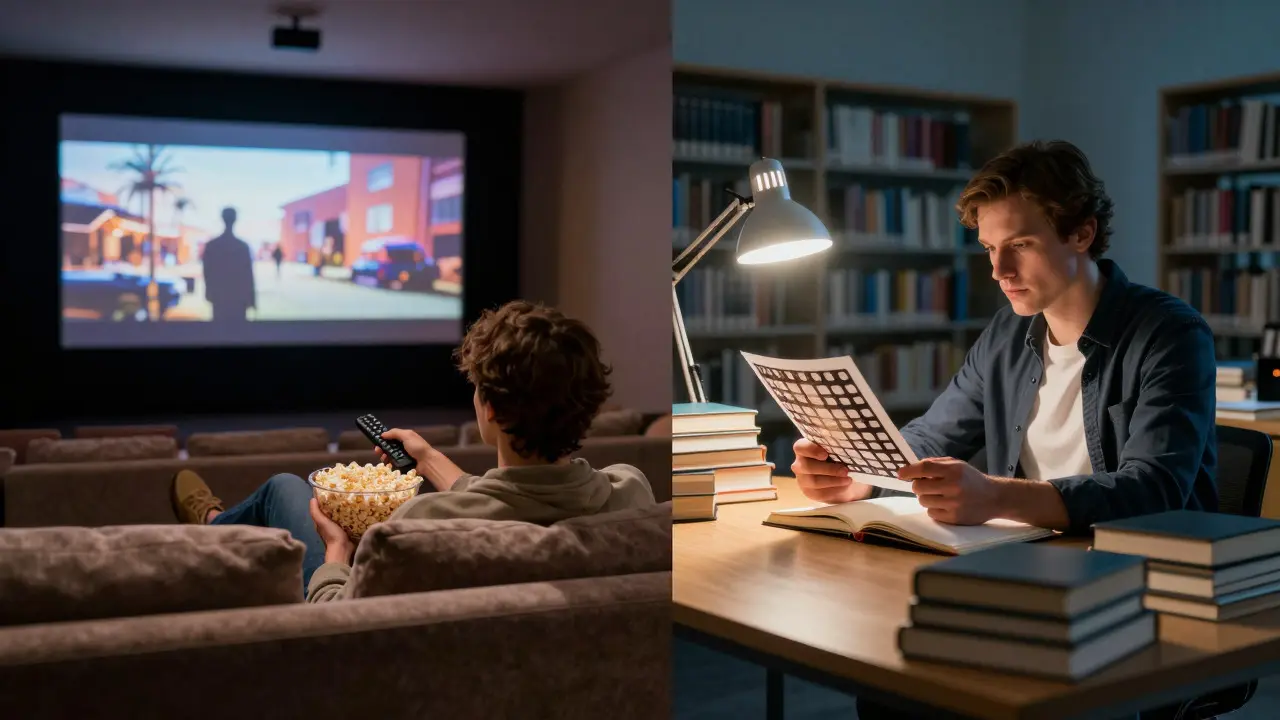
Have you ever read a journalistic review that told you to see a movie this weekend, only to read an academic paper later that argued the same film is a failure of narrative structure? It can be confusing. One side feels urgent and personal; the other feels distant and technical. But both are trying to make sense of cinema. The difference isn't about who is "right." It’s about what they are actually doing when they watch a film.
When you pick up a newspaper or open a streaming app, you’re looking for a verdict. Is it worth my time? When you open a journal article from a university press, you’re usually looking for context. How does this film fit into the history of visual storytelling? These two approaches-Academic Film Criticism is a scholarly method of analyzing cinema through theoretical frameworks, historical context, and formalist structures and Journalistic Reviewing is a public-facing commentary focused on immediate audience experience, entertainment value, and cultural relevance serve very different masters. Understanding the gap helps you know which voice to trust for your specific needs.
The Core Purpose: Verdicts vs. Context
The most obvious difference is the goal. A journalist writes to influence behavior. They want you to buy a ticket, subscribe to a service, or avoid wasting three hours. Their primary metric is utility. If a reviewer says a film is "a masterpiece," they are making a recommendation based on their subjective enjoyment and professional instinct. The tone is often conversational, using metaphors that connect the film to everyday life. Think of a reviewer comparing a director’s pacing to a roller coaster ride. That analogy works because it’s immediate and sensory.
Academic criticism, on the other hand, rarely cares if you enjoyed the movie. In fact, many academic analyses focus on films that were box office failures but are historically significant. The goal here is interpretation, not recommendation. An academic might analyze a 1970s exploitation film not to tell you it’s fun, but to explain how its editing techniques challenged the dominant Hollywood Studio System of the era. The value lies in understanding the mechanism, not the emotion. You aren’t being sold a product; you’re being invited into a debate about how images construct meaning.
Methodology: Gut Feeling vs. Theory
How do these critics arrive at their conclusions? Journalists rely heavily on pattern recognition and cultural literacy. They compare a new release to recent hits. They look for consistency with the director’s previous work. This approach is fast and efficient. It allows a critic to cover dozens of films a year. However, it can sometimes miss deeper structural nuances because the focus remains on the surface experience-the acting, the plot twists, the sound design.
Academics use established theoretical lenses. You will often see references to Psychoanalysis, Feminist Theory, or Marxist Critique. For example, a psychoanalytic reading of a horror film won’t just ask "Is it scary?" It will ask how the monster represents repressed societal fears or how the camera angle mimics the gaze of the unconscious. This requires specialized knowledge. It’s slower, denser, and less accessible to the average viewer, but it offers a depth that pure opinion cannot match. It turns a movie into a text to be decoded, much like a novel in a literature class.
Audience and Accessibility
Who is the reader? This question changes everything about the writing style. Journalistic reviews target the general public. The language must be clear, engaging, and free of jargon. If a journalist uses the word "diegetic," they better explain it immediately or risk losing the reader. The structure is usually linear: introduction, body paragraphs covering plot and performance, and a final rating or recommendation. You can skim it. You can get the gist in thirty seconds.
Academic articles target peers. The assumed reader has a background in film studies, sociology, or cultural theory. The language is precise and often dense. Terms like "montage," "mise-en-scène," and "intertextuality" are used without definition because they are part of the shared vocabulary of the field. The structure is argumentative: thesis statement, evidence from the film (specific timestamps, frame-by-frame analysis), counter-arguments, and conclusion. You don’t skim academic papers. You engage with them. It’s a commitment, not a quick check-in before hitting the cinema.
Time Horizons: Now vs. Forever
Journalism lives in the present tense. A review written today is relevant for maybe two weeks. Once the film leaves theaters or lands on streaming platforms, the urgency fades. The cultural conversation moves on to the next blockbuster. This creates a pressure to be timely. Critics often write under tight deadlines, which can lead to superficial analysis. They have to react quickly to stay ahead of the news cycle.
Academic criticism operates on a longer timeline. A paper published in 2010 can still be cited in 2026. Why? Because it addresses fundamental questions about cinema that don’t change with trends. An analysis of Soviet Montage Theory remains valid regardless of whether current blockbusters use those techniques. Academic work builds a cumulative knowledge base. Each new article adds to the existing body of thought. It’s less about breaking news and more about refining our understanding of art forms over decades.
| Feature | Journalistic Review | Academic Film Criticism |
|---|---|---|
| Primary Goal | Recommendation / Entertainment Value | Interpretation / Theoretical Analysis |
| Target Audience | General Public / Moviegoers | Scholars / Students / Specialists |
| Language Style | Conversational, Metaphorical, Accessible | Technical, Precise, Jargon-heavy |
| Time Relevance | Short-term (Weeks/Months) | Long-term (Years/Decades) |
| Evidence Base | Subjective Experience / Cultural Context | Formal Analysis / Theoretical Frameworks |
| Output Format | Newspaper Article / Blog Post / Rating | Journal Article / Book Chapter / Thesis |
Why Both Matter
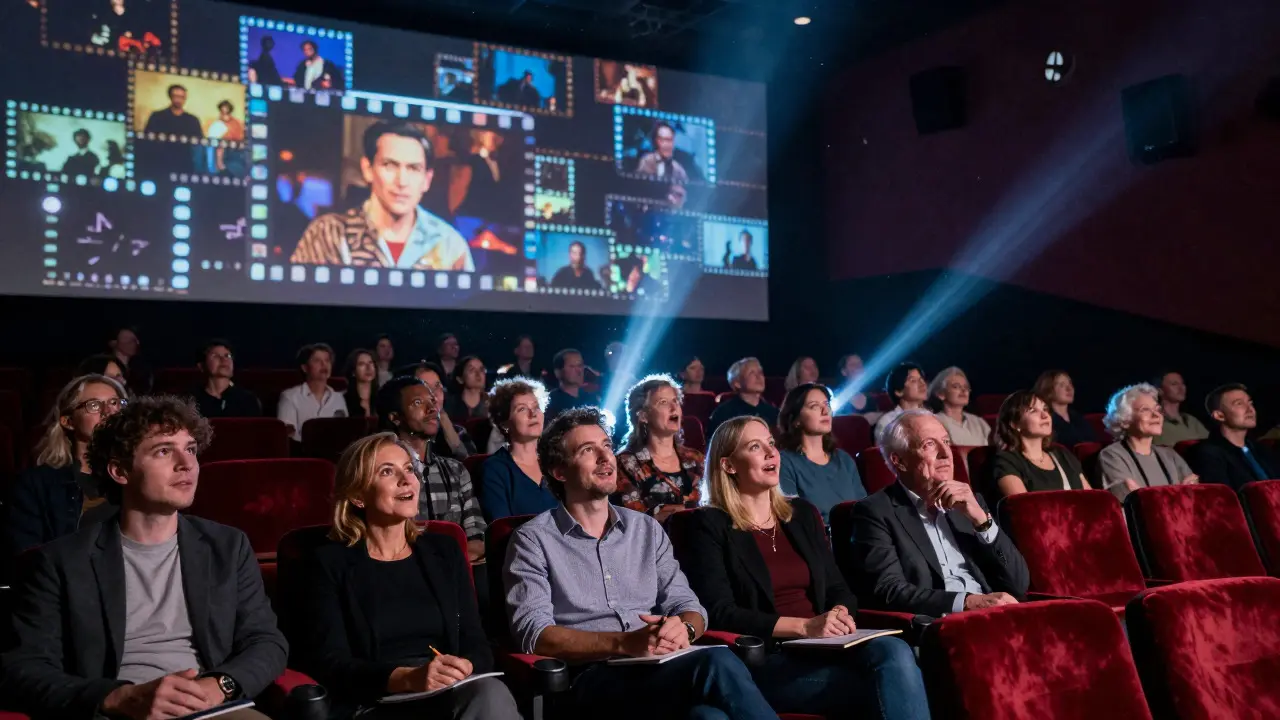
It’s easy to dismiss one side as superior. Purists might say journalism is shallow. Skeptics might say academia is irrelevant. But cinema is too complex for just one lens. Journalism keeps the art form connected to its audience. It ensures that films remain a communal, experiential activity rather than just an object of study. Without reviewers, we’d lose the shared cultural touchstones that help us talk about movies with friends.
Academia preserves the intellectual rigor of the medium. It prevents film from becoming just another commodity. By studying the history, technique, and social impact of cinema, scholars ensure that we understand *why* certain shots work and *how* certain narratives shape our worldview. For instance, understanding Classical Hollywood Cinema conventions helps us recognize when a modern indie film is subverting those rules for effect.
If you’re choosing a movie for Friday night, trust the journalist. If you’re trying to understand why that movie made you feel uneasy, or how it relates to the directors you admire, look for the academic take. They aren’t competitors; they’re partners in helping you see more clearly.
Frequently Asked Questions
Which type of film criticism is more objective?
Neither is truly objective. Journalism relies on subjective taste and personal experience. Academia relies on chosen theoretical frameworks, which also involve interpretive choices. However, academic criticism tends to be more rigorous in citing evidence (specific scenes, frames, historical data) to support its claims, while journalism prioritizes persuasive argumentation based on emotional resonance.
Do I need a degree to understand academic film criticism?
No, but it helps. Many academic articles are written for specialists, so they assume familiarity with terms like 'semiotics' or 'ideology.' However, if you are curious, you can start with introductory texts or accessible journals. The key is willingness to engage with slower, denser reading. You don’t need a PhD to appreciate the depth of formal analysis.
Can a film be bad in journalism but good in academia?
Yes, frequently. A film might be poorly acted or boring (negative journalistic review) but structurally innovative or culturally significant (positive academic assessment). For example, some experimental films are considered unwatchable by mainstream standards but are studied extensively for their contributions to visual language and editing techniques.
Where can I find academic film criticism online?
Look for publications like Journal of Film and Video, Cinema Journal, or Screen. University press websites often host open-access articles. Additionally, blogs by working professors or film students often bridge the gap between academic rigor and accessible language, offering a great entry point for non-specialists.
Does academic criticism ignore the audience's experience?
Not always, but it often deprioritizes it. Traditional academic models focused on the text itself (the film) rather than the reception (the viewer). However, newer fields like Reception Studies and Audience Research explicitly examine how viewers interact with films, bridging the gap between textual analysis and real-world experience.