Key Takeaways
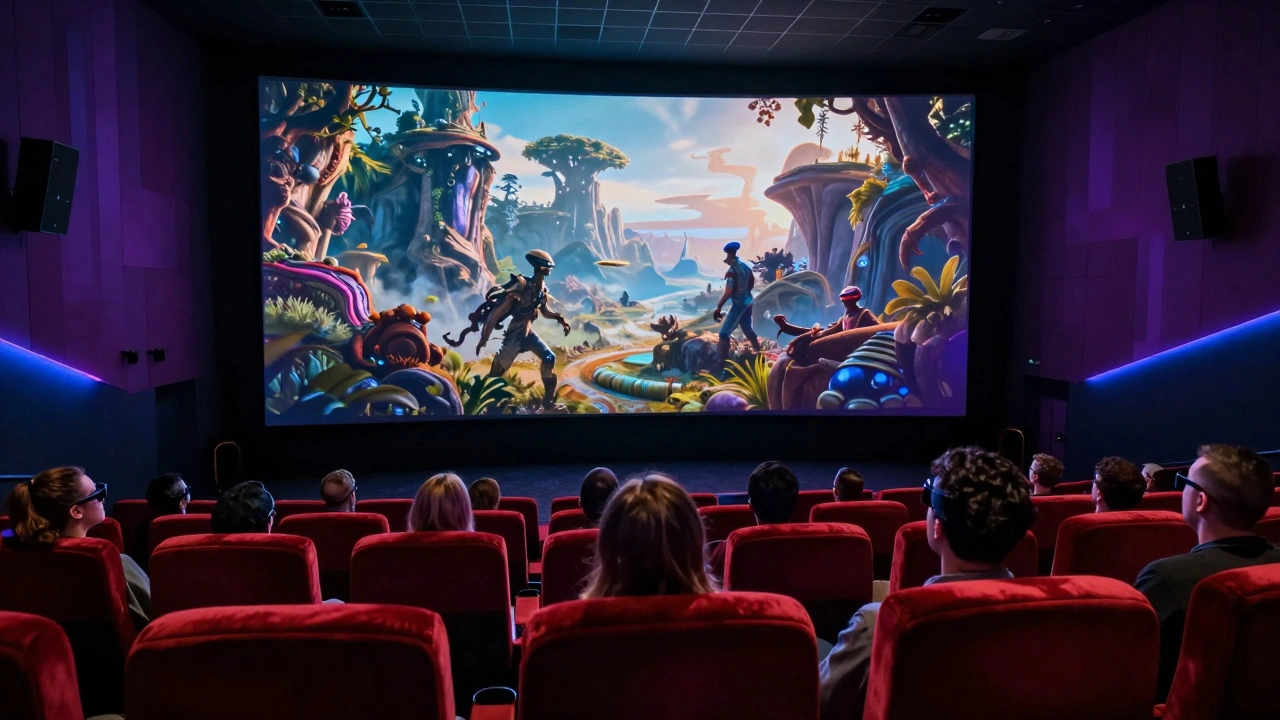
- Autostereoscopic technology removes the need for 3D glasses by using specialized lenses or light-field displays.
- The industry is moving toward "glasses-free" systems to eliminate the physical barrier between the viewer and the movie.
- High production costs and limited "sweet spots" for viewing remain the biggest hurdles for wide adoption.
- The demand for 3D is shifting from generic blockbusters to high-end, immersive experiences.
The Struggle with the Plastic Goggles
Let's be honest: the biggest killer of 3D cinema wasn't the stories; it was the gear. Stereoscopic Film is a technique that creates the illusion of depth by presenting two slightly different images to each eye. While the effect is powerful, the delivery method-polarized glasses-became a chore. They were expensive to rent, uncomfortable to wear, and often caused headaches or blurred vision for people with astigmatism.
By 2025, audiences grew tired of the "gimmick." When a movie can be watched in high-quality 4K at home, the incentive to pay a premium for a 3D ticket disappears if the experience feels like a hassle. This is why glasses-free 3D isn't just a neat trick; it's a survival strategy for the exhibition industry.
How Glasses-Free Technology Actually Works
You might wonder how a screen can trick your brain into seeing depth without a lens over your eye. The answer lies in Autostereoscopic Displays. These are screens that project two different images simultaneously, directed specifically to the left and right eyes using physical or electronic barriers.
One common method is the parallax barrier. Imagine a layer of slits over the screen. Depending on where you sit, you only see the pixels meant for one eye. Another, more advanced approach is the lenticular lens system, which uses tiny cylindrical lenses to bend light. If you've ever seen a "holographic" postcard that changes image when you tilt it, you've seen a basic version of this. In a cinema setting, these are scaled up to massive proportions, requiring incredibly precise alignment so the 3D effect doesn't collapse into a blurry mess.
The Shift Toward Light-Field Displays
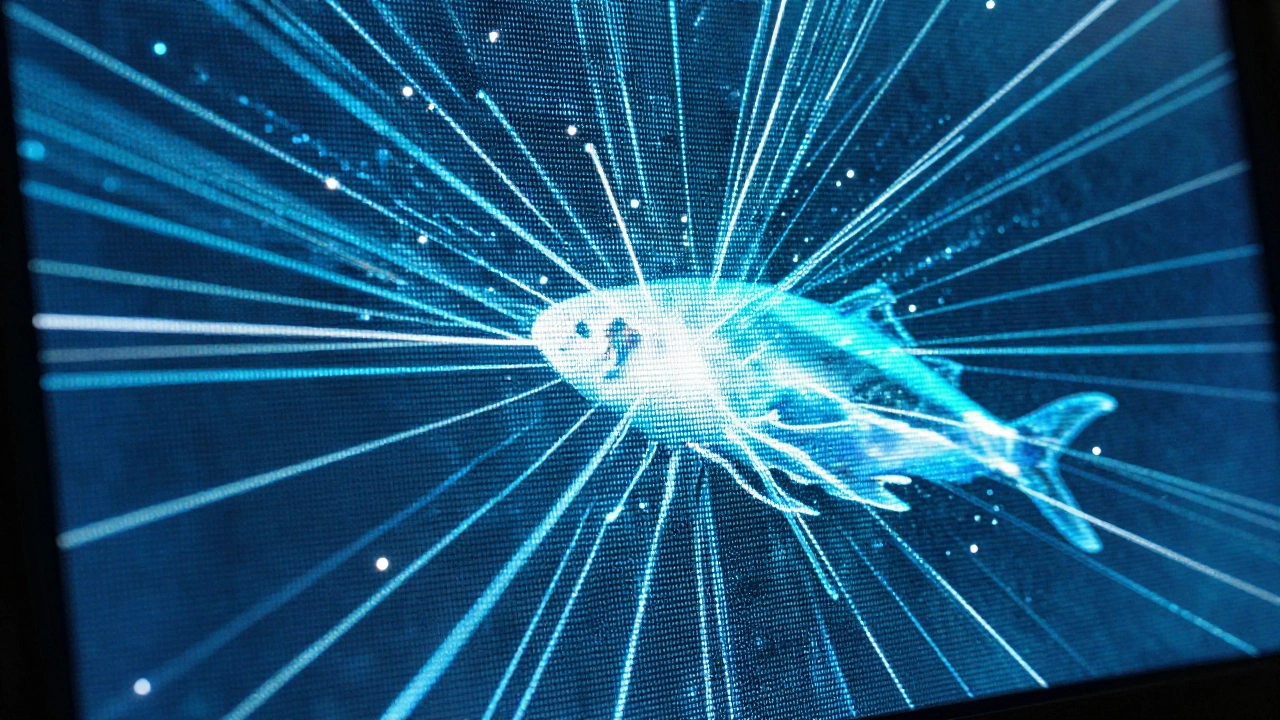
While parallax barriers were a start, the real breakthrough in 2025 is the move toward Light-Field Displays. Unlike traditional screens that just push colors toward you, light-field tech recreates the actual direction of light rays. This means you don't just see a 3D image; you see a volume of space.
The most impressive part? The "sweet spot." In early glasses-free attempts, if you moved your head six inches to the left, the image broke. Light-field technology uses high-density pixel arrays-sometimes thousands of times denser than a standard LED screen-to ensure the depth remains consistent regardless of your viewing angle. This solves the "head-tracking" problem that plagued early prototypes and makes the experience feel natural, almost like looking through a window.
| Technology | Hardware Needed | Viewing Comfort | Image Clarity | Cost to Implement |
|---|---|---|---|---|
| Polarized 3D | Disposable/Rental Glasses | Low (Headaches/Weight) | High | Low |
| Parallax Barrier | None | High | Medium (Dimmer) | Medium |
| Light-Field Tech | None | Very High | Very High | Very High |
Can This Actually Revive Demand?
Whether this tech saves 3D cinema depends on the "value proposition." People don't go to the movies for the tech; they go for the feeling. If a studio can market a film as "The First Truly Holographic Experience," it creates a curiosity gap. We saw this with IMAX; people didn't just want a big screen, they wanted the *best* version of that screen.
The danger is that glasses-free tech is prohibitively expensive. Outfitting a whole theater with light-field panels costs millions. This means we'll likely see a "tiered" system. Most theaters will stay 2D, a few will keep the old glasses-based 3D, and a handful of luxury "flagship" locations will offer the glasses-free experience. If the experience is truly seamless, it transforms 3D from a niche choice into a premium event, similar to how people treat high-end opera or theater today.
The Impact on Filmmaking and Production
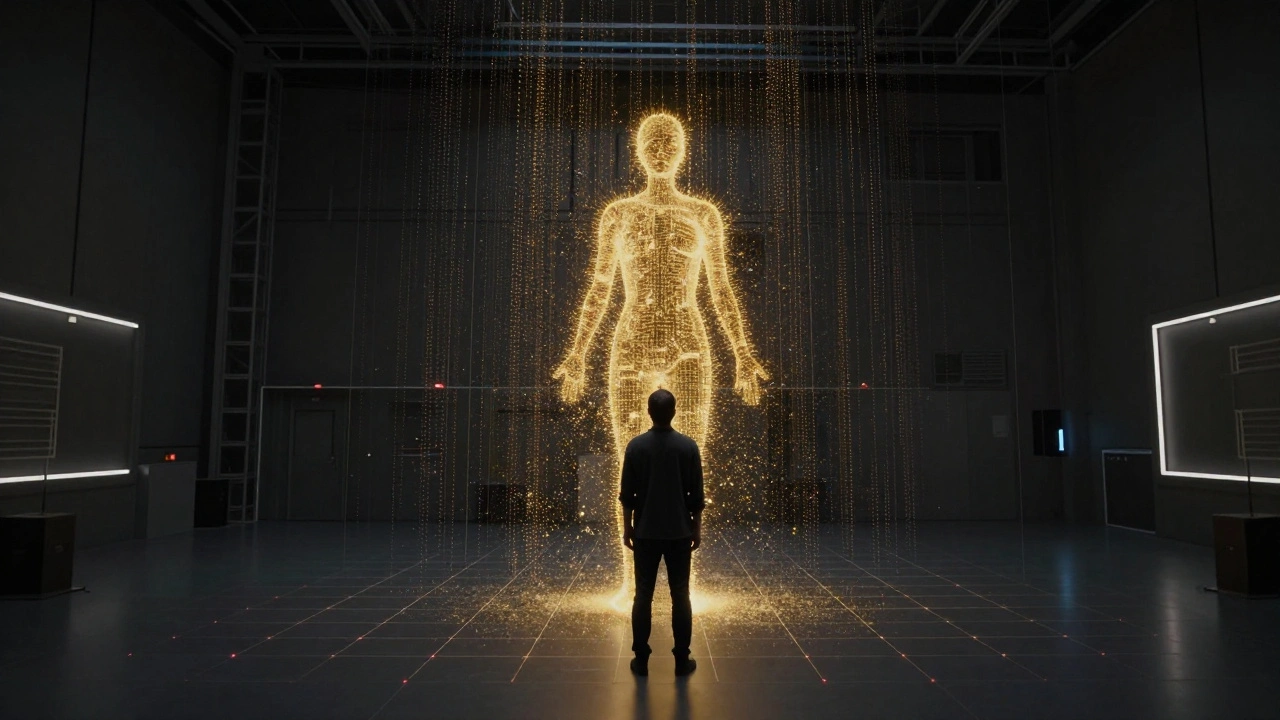
Creating content for these new screens is a different beast. Standard 3D movies were often shot with two cameras side-by-side, which often led to "convergent" issues where the 3D felt forced or fake. With the new Volumetric Capture tools, filmmakers are recording scenes as 3D data points rather than flat images.
This allows the screen to render the depth in real-time. Instead of a director deciding exactly where the 3D "pop" happens, the technology creates a realistic space where the viewer's eyes do the work. This removes the nausea associated with poorly directed 3D and makes the medium feel less like a trick and more like an extension of reality.
The Hurdles Still Standing in the Way
It's not all sunshine and holograms. There are three main roadblocks. First is the "dimming effect." Every layer of glass or lens placed in front of a projector eats some of the light. Glasses-free screens often look dimmer than their 2D counterparts, which is a huge problem in a dark cinema where contrast is everything.
Second is the cost of content conversion. Converting an old movie to glasses-free 3D isn't as simple as clicking a button; it requires massive amounts of computational power and manual cleanup. Third is the hardware footprint. These screens are heavy and require specialized cooling, making them a nightmare for older theaters to install without a total renovation.
Will 3D glasses disappear completely?
Not immediately. Glasses-based systems are much cheaper to install and maintain. You'll likely see a coexistence where high-end "premium large format" (PLF) theaters move to glasses-free tech, while standard cinemas keep the glasses for as long as there's a demand for 3D content.
Does glasses-free 3D cause the same eye strain?
Generally, no. Much of the eye strain in traditional 3D comes from the glasses slightly offsetting the image or causing glare. Autostereoscopic displays, especially light-field ones, mimic how light naturally enters the eye, which significantly reduces the "visual conflict" that leads to nausea.
Can I get this technology at home?
We are seeing it enter the market via high-end gaming monitors and tablets. However, the scale required for a living-room TV to provide a comfortable 3D experience without glasses is still very expensive and technically difficult to mass-produce.
Is this the same as a hologram?
Technically, no. A true hologram is a recording of an interference pattern of light. What we have in theaters is "volumetric" or "autostereoscopic" imagery. It looks like a hologram because it creates depth without glasses, but it's actually a very sophisticated way of manipulating 2D pixels to fool your brain.
Which movies are best for glasses-free 3D?
Films with a lot of "Z-axis" movement-think space battles, underwater exploration, or sprawling landscapes-benefit most. Intimate dramas don't usually need 3D, but spectacle-driven cinema is where this technology thrives.
What Happens Next?
If you're a theater owner, the move is to keep an eye on the cost of light-field panels. Once the price drops to a level comparable to a high-end laser projector, the transition will happen fast. For the average moviegoer, expect a few more years of "experimental" screenings before this becomes a standard option on the ticket app.
The ultimate goal is to make the technology invisible. The best exhibition technology is the kind you don't notice because you're too wrapped up in the story. If we can remove the glasses and keep the depth, 3D might finally stop being a "gimmick" and start being a legitimate artistic tool again.




Comments(5)