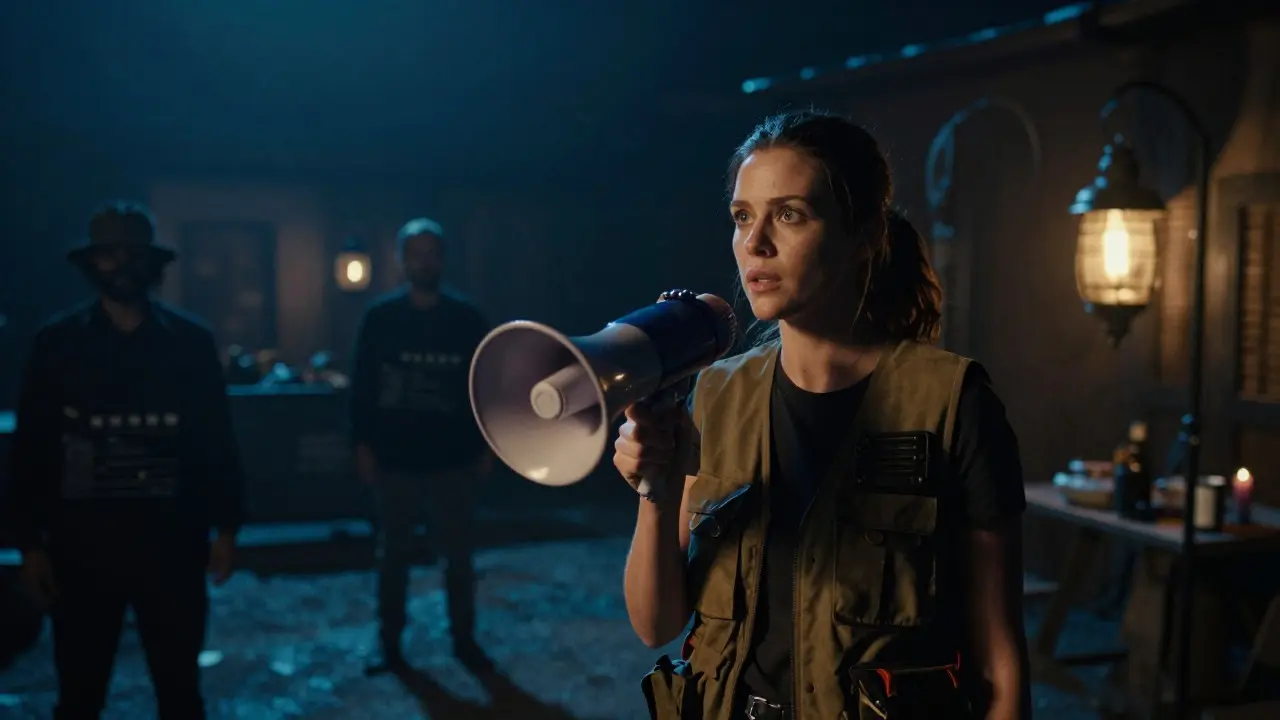
For decades, the idea of a woman directing a big-budget action movie or a terrifying horror film felt like an oxymoron to many studio executives. The narrative was simple: women make dramas, men make blockbusters. But that story is rapidly being rewritten. Today, female directors are not just participating in genre filmmaking; they are defining its new rules. From the visceral dread of modern slasher films to the high-octane chases of superhero sagas, these filmmakers bring a distinct visual language and emotional depth that has reshaped audience expectations.
The Shift in Genre Dynamics
Genre filmmaking is often viewed as a technical exercise-how fast can you cut? How loud can the explosions be? However, the rise of women in these roles has introduced a different metric: psychological realism. When a director focuses on the internal state of a character rather than just their external actions, the genre shifts. This is particularly evident in the horror genre, which relies on tension and fear to engage audiences. Female directors have excelled at creating monsters that feel personal, turning abstract fears into specific, relatable anxieties. This approach has proven commercially viable, proving that audiences crave stories that resonate emotionally, not just visually.
The impact extends beyond individual films. It changes how studios greenlight projects. A script written by a woman for a sci-fi franchise is no longer seen as a risky deviation from the norm but as a potential innovation. This shift in perception is driven by box office success. When a film directed by a woman breaks records, it creates a data point that challenges old biases. The result is a more diverse pipeline of talent entering the industry, with more women studying cinematography, production design, and screenwriting specifically for genre work.
Horror: The New Standard for Tension
Horror has always been a testing ground for new directors. It requires less budget than a blockbuster but demands high levels of creativity and control. Women have become dominant forces in this space, bringing a nuanced understanding of domestic spaces and social dynamics. Instead of relying solely on jump scares, these directors use silence, framing, and sound design to build dread. The monster in these films is often a metaphor for societal pressures, making the experience deeply personal for the viewer.
This evolution is visible in the way cameras move. Traditional horror often uses static shots to trap the viewer. Modern female-led horror frequently employs handheld camera work that mirrors the protagonist's disorientation. This technique creates a sense of immediacy that draws the audience into the character's psyche. It is a subtle but powerful change that has influenced a generation of young filmmakers. The success of these films has also led to a reevaluation of what constitutes "good" horror. Audiences now expect intellectual engagement alongside fright, a standard that has raised the bar for the entire genre.
Action: Beyond the Stunt Double
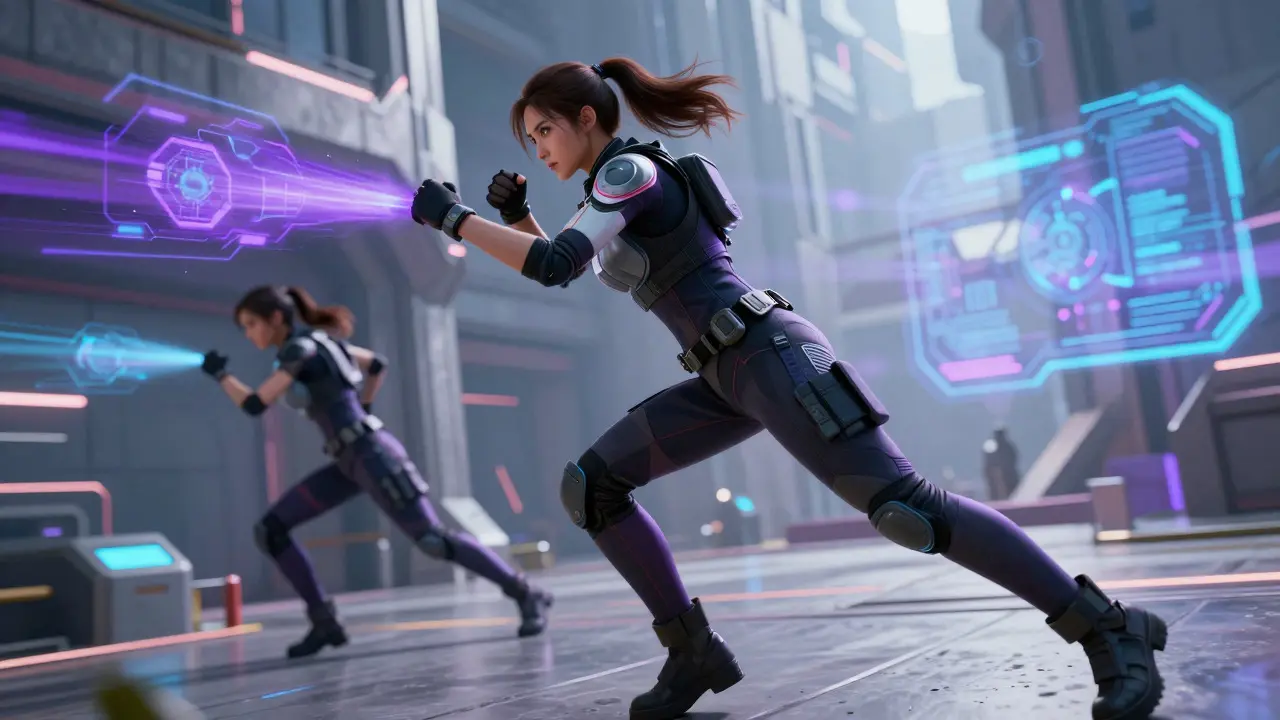
In the realm of action cinema, the challenge for women directors has been to balance spectacle with character agency. For years, female characters in action films were often sidelined or reduced to love interests. Today, directors are crafting narratives where the female lead drives the plot through intelligence and resilience, not just physical strength. This shift has changed the choreography of fights. Scenes are now designed to highlight the protagonist's skill set, whether it be tactical planning or hand-to-hand combat, ensuring that every action beat serves the character arc.
The technical side of action filmmaking has also evolved. With advancements in motion capture and virtual production, directors can create environments that react to the character's emotions. This technology allows for a seamless blend of practical effects and digital artistry. Female directors have embraced these tools to create unique visual styles that stand out in a crowded market. The result is a subgenre of action films that feels fresh and innovative, appealing to both longtime fans of the genre and new viewers looking for something different.
Sci-Fi: Exploring the Human Element
Science fiction is arguably the most complex genre for any filmmaker. It requires world-building, scientific accuracy, and philosophical depth. Women directors have brought a human-centric approach to this vast canvas. Rather than focusing exclusively on technology or space exploration, they explore how humans adapt to new realities. This focus on the human element makes sci-fi accessible to a broader audience. It turns abstract concepts into emotional journeys, allowing viewers to connect with characters who might otherwise seem distant or alien.
The influence of these directors is also seen in the casting choices. There is a growing trend to cast diverse actors in leading roles, reflecting the reality that the future will be inclusive. This diversity enriches the storytelling, introducing new perspectives and experiences to the narrative. It is a natural extension of the human-centric approach, ensuring that the worlds created on screen reflect the complexity of our own. As a result, sci-fi films directed by women are often praised for their thematic depth and emotional resonance, setting a new standard for the genre.
Economic Impact and Studio Response
The commercial success of films directed by women in genre categories has forced studios to rethink their risk assessment models. Data shows that these films perform well across demographics, including male audiences who previously may not have engaged with them. This broad appeal is a key factor in their financial success. Studios are now actively seeking out female directors for major franchises, recognizing that their perspective adds value to established brands. This economic shift is crucial for long-term change. It ensures that opportunities are not limited to independent films but extend to the highest-grossing productions in the industry.
However, the journey is not without obstacles. Budget disparities still exist, with female-directed genre films often receiving smaller budgets than their male counterparts. This gap affects the scale of production and the ability to compete in global markets. Despite this, the momentum is undeniable. As more women break into leadership roles in production and distribution, the gap is expected to narrow. The industry is moving toward a model where creative vision, rather than gender, determines the scale of a project.
Comparative Analysis of Directorial Styles
To understand the impact of women in genre filmmaking, it is helpful to compare their approaches to traditional methods. The table below highlights key differences in style, focus, and audience reception between conventional male-led genre films and those directed by women.
| Aspect | Traditional Male-Led Approach | Female-Led Approach |
|---|---|---|
| Narrative Focus | External conflict and spectacle | Internal psychology and emotional stakes |
| Character Development | Archetypal heroes and villains | Complex, multi-dimensional protagonists |
| Visual Language | Static shots, wide angles | Handheld camera, intimate framing |
| Audience Engagement | Adrenaline and excitement | Tension and empathy |
| Thematic Depth | Surface-level themes | Social and cultural commentary |
This comparison reveals that the difference is not about quality but about perspective. Both approaches have their merits, but the female-led approach offers a richer, more layered viewing experience. It invites the audience to think and feel, not just watch. This depth is what sets these films apart in a saturated market. It creates a lasting impression that goes beyond the initial entertainment value.
The Future of Genre Filmmaking
Looking ahead, the role of women in genre filmmaking is poised to expand further. Emerging technologies like virtual reality and interactive storytelling offer new avenues for creative expression. These mediums require a deep understanding of user experience and narrative structure, areas where female directors have already demonstrated expertise. As the industry evolves, we can expect to see even more innovative works from these filmmakers. They will continue to push boundaries, challenging conventions and redefining what is possible in cinema.
The legacy of these directors will be measured not just by box office numbers but by the doors they open for future generations. By proving that women can lead in any genre, they have inspired a wave of young filmmakers to pursue their dreams without hesitation. This cultural shift is perhaps the most significant contribution of all. It ensures that the next decade of genre filmmaking will be as diverse and dynamic as the current one. The future of cinema is bright, and it is being shaped by a new generation of visionary leaders.
Why are women directors successful in horror films?
Women directors often excel in horror because they focus on psychological tension and domestic settings, creating monsters that reflect real-world anxieties. This approach resonates deeply with audiences, making the fear feel personal and relatable rather than just superficial.
How do female-led action films differ from traditional ones?
Female-led action films prioritize character agency and emotional stakes over pure spectacle. The action sequences are designed to highlight the protagonist's skills and intelligence, ensuring that every fight scene advances the character arc and story.
What role does technology play in sci-fi films directed by women?
Technology in these films is used to enhance the human element, allowing for immersive environments that react to character emotions. This blend of practical and digital effects creates a seamless narrative experience that emphasizes adaptation and survival.
Are there budget disparities for women in genre filmmaking?
Yes, budget disparities still exist, with female-directed genre films often receiving smaller budgets than male counterparts. However, the gap is narrowing as studios recognize the commercial viability and broad appeal of these projects.
How has the audience reception changed for these films?
Audience reception has shifted to demand more intellectual engagement and emotional depth. Viewers now expect genre films to offer thematic richness and diverse perspectives, a standard that has been raised by the success of female-led productions.


Comments(8)