
There is a specific window in the movie calendar that trips up even the biggest studios. It sits right between the summer blockbusters and the holiday juggernauts. We are talking about mid-October through early November. If you look at historical box office trends, this period often shows a dip in attendance compared to the surrounding months. Why does this happen? And how do studios navigate it?
It isn't just bad luck. Several factors converge to make this time of year tricky for theatrical programming. Let's break down what actually happens during these weeks and why they matter so much for the annual revenue cycle.
The Anatomy of the Autumn Slump
To understand the problem, we have to look at the data. Historically, the box office sees a peak in July and August, driven by family-friendly franchises and superhero films. Then, there is a sharp drop-off as school starts. By the time we hit late September, audiences are back, but the momentum from summer has faded. This creates a lull before the next major push.
October brings Halloween, which helps horror films perform well. However, horror movies rarely carry the entire weekend on their own unless they are massive franchises like Scream or Halloween. Once the holiday passes, we enter early November. This is where things get complicated. The weather turns colder, but the big winter holidays are still weeks away. Audiences don't feel the urgency to go out yet, but the fresh content pipeline is often thin.
| Period | Typical Drivers | Audience Sentiment | Risk Level |
|---|---|---|---|
| Summer (Jun-Aug) | Franchises, Action | High, leisure-focused | Low |
| Late Sept - Oct | Horror, Drama | Moderate, niche-driven | Medium |
| Early Nov | Transitional Releases | Low, waiting for holidays | High |
| Holiday (Dec-Jan) | Blockbusters, Awards Bait | Very High, gift-giving season | Low |
This table highlights the structural issue. The "Early Nov" slot lacks a natural cultural driver. Unlike Christmas, which demands entertainment, or Halloween, which has a specific genre appeal, early November is essentially empty space. Studios have to fill it with something, but without a strong hook, ticket sales can stall.
The Impact of School Schedules and Weather
You might think that people just watch more TV when it gets cold. While streaming competition is always present, the real killer here is the schedule. In many parts of the world, schools start in late August or September. Parents are busy. Weekends become packed with extracurricular activities, homework, and work obligations. The casual moviegoer who might have dropped by for a Friday night date in July is now tied up until Saturday afternoon.
Then there is the weather. In temperate climates, October and November bring rain, wind, and shorter days. Going to the cinema requires effort. You have to dress warmer, plan around daylight hours, and potentially deal with traffic. For a casual viewer, the friction of going out increases. They will wait for a stronger reason to go-like a highly anticipated blockbuster or a festive event-to justify the trip.
This is why Theatrical Programming becomes a balancing act. Distributors know that if they release a mid-budget drama in early November, it might open decently but fade quickly because there is no sustained word-of-mouth engine. Conversely, if they hold back a big franchise too long, they risk clashing with the holiday season giants.
Strategies for Navigating the Gap
So, how do studios survive this stretch? They use several specific strategies that have evolved over the last decade.
- Lean into Niche Genres: Horror is king in October. But beyond that, action thrillers and comedies that don't require huge marketing budgets can find an audience. These films rely on repeat viewings and word-of-mouth rather than opening weekend explosions.
- Release International Hits: Films that performed exceptionally well in other markets, particularly in Asia or Europe, are often released in the US during this window. They already have a built-in fanbase, reducing the risk of a soft opening.
- Staggered Releases: Instead of releasing all new content at once, studios spread out their slate. A smaller film might come out in the first week of November, followed by a larger one in the second week. This keeps news cycles focused on cinema rather than letting them drift to other topics.
- Target Specific Demographics: Some films target older audiences or specific interest groups who are less affected by school schedules. For example, a high-profile documentary or a prestige drama might attract dedicated viewers who plan their weekends around these releases.
One notable example is the rise of "event cinema." Studios sometimes release extended cuts or special editions of popular films during this period. It’s not a new release, but it feels fresh enough to draw fans back to theaters. This tactic works because it leverages existing brand recognition without the full cost of launching a new IP.
The Role of Streaming Competition
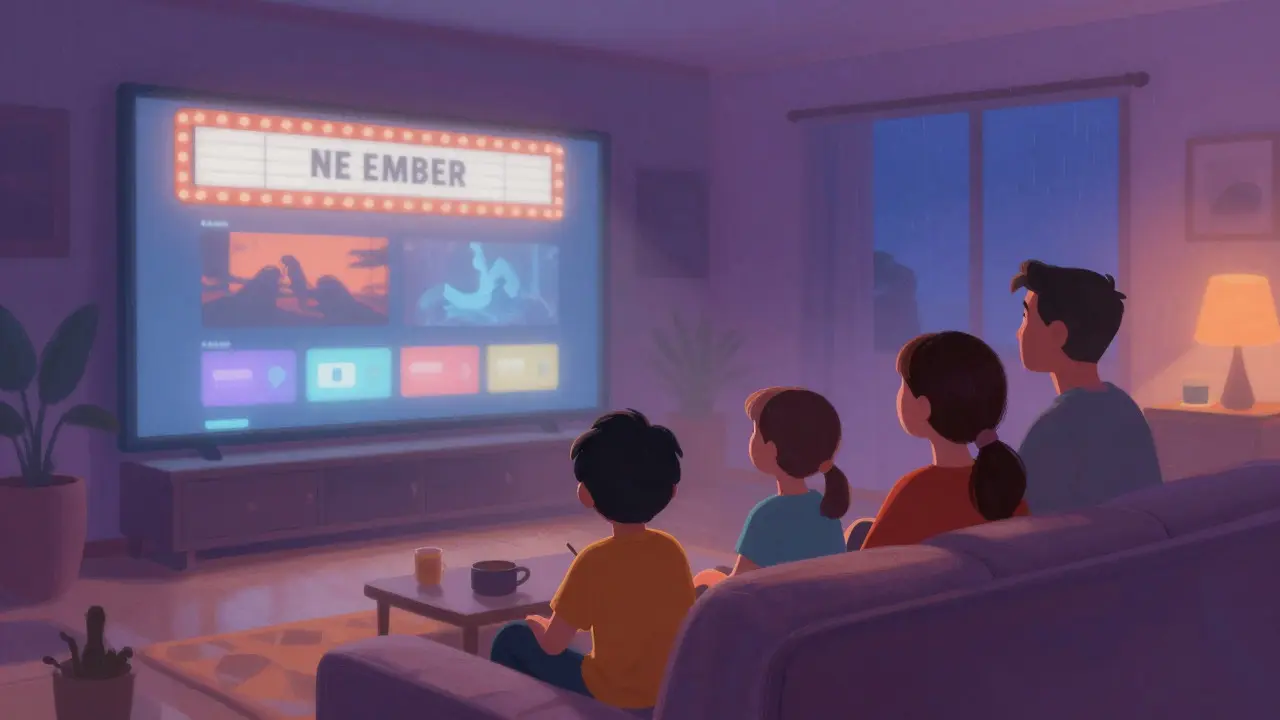
We can’t talk about box office challenges without mentioning streaming. In the past, the main competitor for a movie theater was another movie theater. Now, it’s Netflix, Disney+, Max, and Apple TV+. During the autumn slump, streaming platforms often launch their biggest original series or films. Why? Because they also want to capture the audience that is staying home due to weather or schedule constraints.
This creates a feedback loop. If a studio releases a mediocre film in early November, and a streaming service releases a hit series the same weekend, the choice is easy for the average consumer. They stay home. This further depresses box office numbers, making the period seem even worse than it might be otherwise.
However, streaming isn't the only factor. The quality of the film matters most. If a studio releases a genuinely compelling film during this window, it can defy the trend. The key is expectation management. Audiences are less forgiving of disappointment in January or February, but they are also less motivated to seek out cinema in November. The bar for "worth the trip" is higher.
Case Studies: Successes and Failures
Let’s look at some real-world scenarios to see how this plays out. Consider a mid-budget action film released in early November. If it opens to $15 million, it might be considered a success in isolation. But if it drops 60% the following weekend, it signals that the audience didn't stick with it. This is common in the autumn slump. The initial curiosity drives the opening, but without a strong cultural moment to sustain interest, the legs are short.
On the other hand, consider a horror franchise release in October. Even if the critical reviews are mixed, the opening weekend can be massive because the genre has a captive audience. The challenge for these films is sustaining performance after the holiday. Many horror films fade rapidly once the spooky season ends, leaving little room for a long tail in the box office.
Then there are the surprises. Occasionally, a small indie film or a foreign import finds its audience during this quiet period. Without the noise of major blockbusters, these films can gain traction through festivals and critical acclaim. They might not make millions, but they build the reputation of the studio and set the stage for future releases.

What This Means for Future Planning
As the industry evolves, the definition of this "dead zone" might shift. With the increasing fragmentation of audiences, the idea of a single national box office trend is becoming less accurate. Different regions experience different slumps based on local holidays and weather patterns. For instance, in areas with harsh winters, the slump might start earlier. In warmer climates, it might extend later.
Studios are also experimenting with release windows. Some are moving major titles into November to avoid the December congestion, betting that a strong film can dominate a weaker month. Others are using this period for direct-to-DVD or digital releases, saving the theatrical slots for safer bets.
For marketers, the lesson is clear. Don't fight the season; work with it. Use targeted advertising to reach the specific demographics most likely to go out. Emphasize the social aspect of cinema. Highlight exclusive screenings or special events. Make the trip worth the effort.
Frequently Asked Questions
Why is October better for horror films than dramas?
October aligns with Halloween, creating a cultural context where audiences actively seek scary content. Dramas lack this seasonal hook, making them harder to market during a period when general audience motivation is lower.
Do international releases help mitigate the November slump?
Yes, films with proven track records in other markets reduce financial risk. They often have established fan bases that are willing to support the film theatrically, providing a stable floor for box office performance.
How does streaming competition affect autumn box office numbers?
Streaming services often launch major content during this period, offering a convenient alternative for audiences hesitant to go out due to weather or schedules. This diverts potential ticket buyers, exacerbating the natural decline in attendance.
Is the box office slump in November permanent?
Not necessarily. It is a cyclical pattern driven by external factors like weather and school schedules. Strong marketing, unique content, or special events can temporarily overcome these headwinds, though the underlying structural challenges remain.
What is the best strategy for releasing a mid-budget film in this period?
Focus on niche audiences and leverage word-of-mouth. Avoid competing directly with major franchises. Consider staggered releases or targeting specific demographics less affected by school schedules to maximize longevity in theaters.







Comments(7)