Walk into any multiplex on a Friday night and look around. You probably won’t see the same crowd you saw in 2019. The empty seats aren't just about fewer people going to movies; they're about who stopped going and who came back with different habits. If you’re wondering why certain blockbusters shatter records while others flop despite massive marketing budgets, the answer lies in the shifting Audience Demographics of the modern cinema.
The pandemic didn't just pause Hollywood; it rewired the social contract between studios and viewers. We are no longer looking at a monolithic "general audience." Instead, we see distinct clusters of behavior driven by age, geography, and comfort levels with home streaming. Understanding these groups is the only way to predict what will succeed in theaters over the next few years.
The Great Age Gap: Gen Z vs. Millennials
Let’s be honest: your grandparents’ generation has largely stayed home, and that’s okay. But the real story is the split between Gen Z and Millennials. For years, industry analysts assumed younger audiences were too addicted to TikTok to sit through a two-hour film. That assumption was wrong. In 2024 and 2025, Gen Z (born 1997-2012) became the fastest-growing segment in theatrical attendance for specific genres.
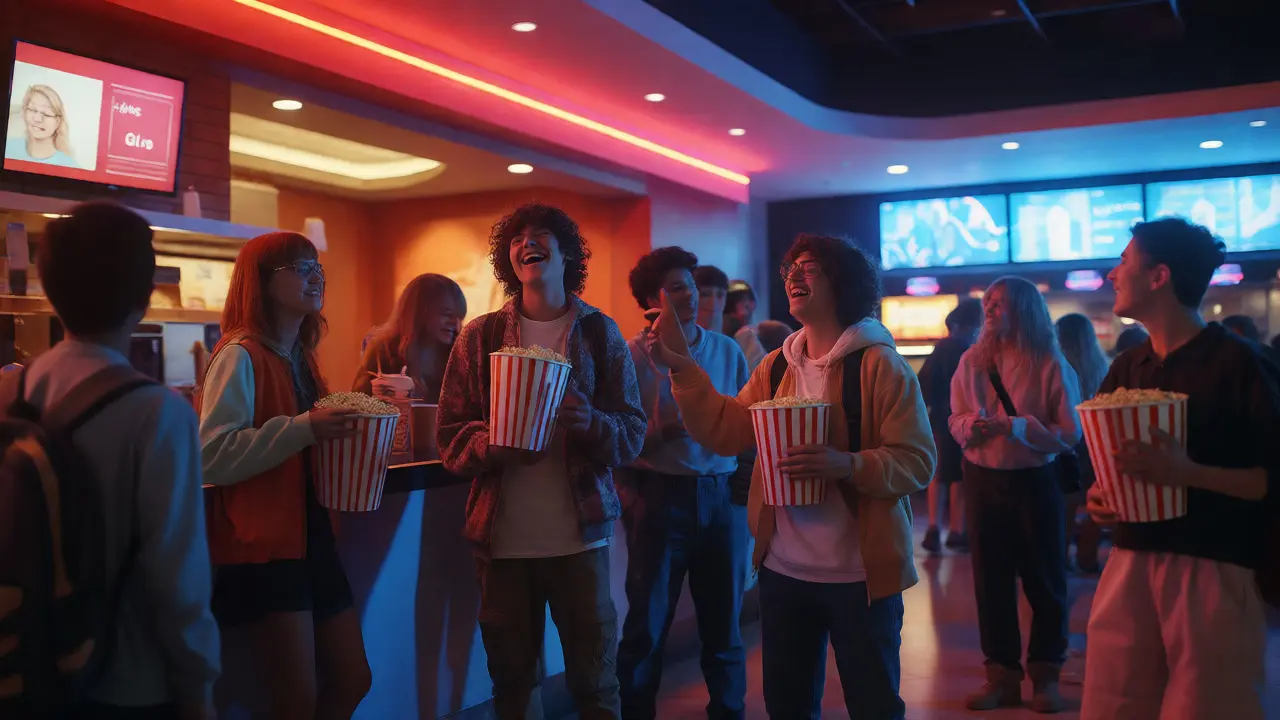
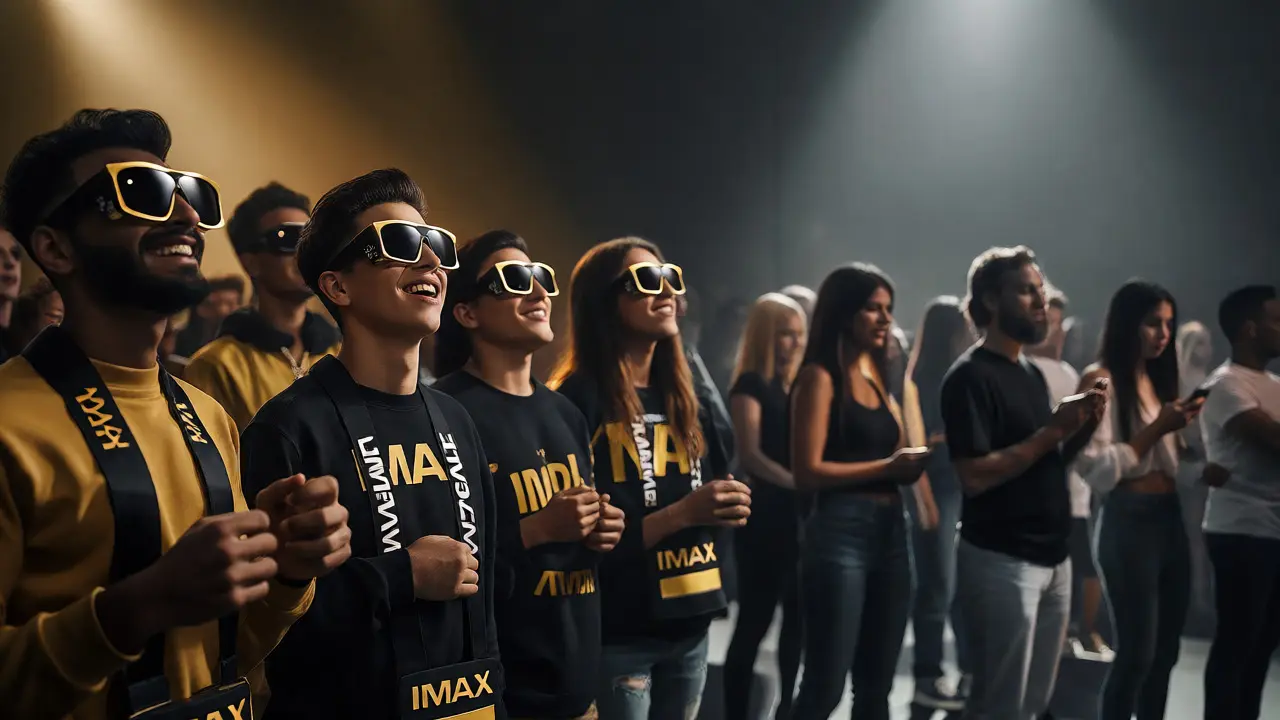
Why? Because for this group, going to the theater isn't just about watching a movie; it's a social event. They drive the "eventization" of cinema. Think about the massive turnout for horror films or anime releases like Demon Slayer. These aren't passive viewings; they are communal experiences where dressing up and shouting at the screen are part of the ticket price. Millennials, conversely, have become more selective. With mortgages, kids, and tighter budgets, they prioritize convenience. They’ll pay for IMAX or Dolby Cinema if the spectacle demands it, but they won’t drive 20 minutes for a mid-budget drama they could wait a month to stream.
| Generation | Primary Motivation | Preferred Format | Frequency |
|---|---|---|---|
| Gen Z | Social experience, fandom culture | Standard, Premium Large Format (PLF) | High for events, low for general release |
| Millennials | Nostalgia, family outings, quality viewing | IMAX, Dolby, Standard | Moderate, highly selective |
| Gen X | Date nights, established franchises | Standard, Luxury Loungers | Stable, consistent |
| Boomers+ | Habit, community connection | Standard, Matinee | Declining slowly, loyal to specific stars |
The Geographic Divide: Suburbs Are Winning
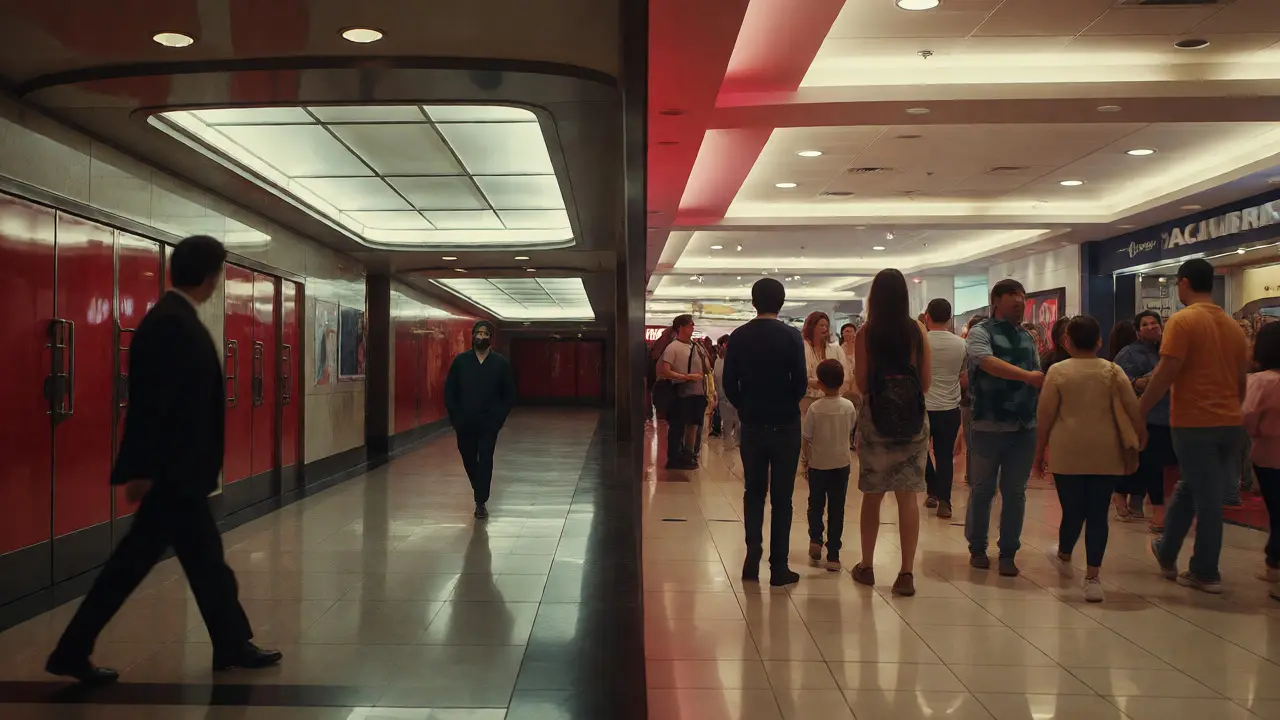
If you live in New York City, Los Angeles, or Chicago, your box office reality looks very different from someone in Ohio or Texas. Urban centers saw the slowest recovery. Remote work killed the lunchtime matinee and the after-work date night. People stopped commuting, so they stopped passing by cinemas. Meanwhile, suburban multiplexes bounced back faster. Why? Because for suburban families, the mall cinema remains a primary entertainment hub. It’s still a destination.
This geographic shift changes which movies get greenlit. Studios are increasingly targeting broad, suburban-friendly appeals-action, comedy, and family animation-over niche urban dramas. If a film relies on sophisticated, dialogue-heavy storytelling typical of indie darlings, it struggles to find an audience outside major coastal hubs. The suburban demographic drives volume, not prestige. This doesn't mean art house films die, but their theatrical windows shrink dramatically before hitting streaming platforms.
Gender Dynamics: The Female-Led Blockbuster Shift
For decades, the box office was dominated by male-led action franchises. The post-pandemic era broke that rule. Women now represent a larger share of opening weekend buyers for non-franchise films than ever before. Films centered on female protagonists or featuring strong ensemble casts consistently outperform expectations when marketed correctly.
This isn't just about "girl power" branding; it’s about representation. When women see themselves reflected in high-stakes narratives-not just as love interests but as drivers of the plot-they show up. And they bring friends. Marketing campaigns that lean into emotional resonance and character depth tend to convert better among this demographic than pure spectacle trailers. If you’re a studio exec looking at a script, ask yourself: does this appeal to the woman who buys tickets for herself and her sister? If yes, you might have a hit.
The Rise of the "Event-Goer" vs. The Casual Viewer
We need to stop talking about "moviegoers" as one group. There are two distinct types today: Event-Goers and Casual Viewers. Event-Goers buy tickets weeks in advance. They care about the format (IMAX, 4DX), the merchandise, and the shared reaction. They drive the front-loaded box office spikes we see for superhero films or horror hits. Once the initial hype dies, they move on to the next event.
Casual Viewers are harder to pin down. They don’t check Rotten Tomatoes daily. They go to the movies when a title appears on every billboard, or when a friend says, "You have to see this." This group is volatile. They abandon films quickly if word-of-mouth turns negative. In the pre-streaming era, casual viewers would stick around for three or four weekends. Now, if a movie gets bad reviews by Sunday, the second-weekend drop-off can hit 60% or more. Capturing this group requires massive awareness campaigns, not just critical acclaim.
Economic Pressures: Price Sensitivity and Subscription Models
Let’s talk money. A standard adult ticket now averages $15-$18 in many US markets. Add popcorn and drinks, and a night out costs $40+ per person. For many households, this is a luxury decision. Consequently, we see a rise in subscription models like AMC Stubs A-List or Cinemark Movie Club. These programs lock in frequent attendees, creating a baseline of guaranteed revenue regardless of individual film performance.
However, subscriptions skew toward older, wealthier demographics. Younger audiences, particularly students, are more price-sensitive. They rely on discount days (like Tuesday specials) or wait for digital rentals. This economic stratification means that big-budget spectacles must justify their premium pricing through unique visual or auditory experiences that cannot be replicated at home. If a movie looks good on a laptop, the casual viewer skips the theater entirely.
What This Means for Filmmakers and Studios
If you’re writing, directing, or producing, ignore these demographics at your peril. The era of the "four-quadrant" movie appealing equally to everyone is fading. Success now comes from dominating a specific quadrant or niche deeply rather than spreading thin across all ages.
- Target the Social Experience: Design moments for group reactions. Horror, comedy, and high-octane action thrive here.
- Respect the Suburbs: Ensure your marketing reaches beyond coastal elites. Simple, clear premises travel better to heartland America.
- Justify the Ticket Price: If your film doesn't need a big screen, it probably belongs on streaming. Theaters are for spectacle.
- Leverage Fandom: Engage communities early. Pre-sales are the new opening weekend metric.
The box office isn't dead, but it is unrecognizable compared to ten years ago. The people filling those seats are younger, more geographically dispersed, and far more selective. They demand value, community, and spectacle. Give them that, and they’ll keep buying tickets.
Has the average age of moviegoers increased since the pandemic?
No, the trend has actually reversed slightly. While older audiences declined during the health crisis, Gen Z and younger Millennials have returned aggressively for event-driven films. The overall median age has stabilized, but the composition is now more polarized between young event-seekers and older habitual viewers, with a dip in the middle-aged casual segment.
Why do suburban cinemas recover faster than urban ones?
Suburban areas maintained stronger routine-based entertainment habits. Urban centers suffered due to the shift to remote work, which eliminated commuter traffic and after-work leisure patterns. Suburban malls remained active social hubs for families, keeping multiplexes busy even during peak pandemic restrictions and subsequent recovery phases.
Do women really drive more box office sales now?
Yes, specifically for non-franchise and genre-diverse films. Data shows women constitute over 50% of opening weekend buyers for comedies, dramas, and horror films. Their influence extends to family decisions, making them key influencers for animated features as well. Marketing that ignores female perspectives often underperforms in current market conditions.
How do streaming services affect theatrical demographics?
Streaming has fragmented the audience. It captures the "casual viewer" who prefers convenience and lower cost. Theaters retain the "event-goer" who values social interaction and technical immersion. This bifurcation means films must either offer a unique theatrical experience or accept a shorter window before moving to digital platforms.
Are movie tickets too expensive for younger audiences?
Price sensitivity is high among Gen Z. Many utilize student discounts, loyalty programs, or off-peak hours. However, they demonstrate willingness to pay premium prices for special formats (IMAX, 4DX) or limited-time events. The barrier isn't always the base ticket price, but the total cost of the outing including concessions.