You spent two years editing in your basement. You maxed out credit cards to hire actors. Now your indie film is ready for the world, but you’re staring at a blank screen on Vimeo or Amazon Prime Video Direct, wondering how anyone will ever find it among the millions of other titles. Here’s the hard truth: for independent creators, verified reviews are not just nice-to-have feedback-they are the primary currency of trust in a market flooded with content.
Think about the last time you bought a product online that wasn’t from a major brand. Did you click "Buy" immediately? Probably not. You scrolled down. You looked for photos from real people. You read comments. If there were no reviews, or worse, only five-star ratings with no text, you likely got suspicious. Indie films face the exact same skepticism. Without the massive marketing budgets of studios like A24 or Neon, you don't have brand recognition. You have to build credibility one viewer at a time. This guide breaks down exactly how to leverage verified reviews to turn casual browsers into paying customers.
Why Verified Status Matters More Than Star Ratings
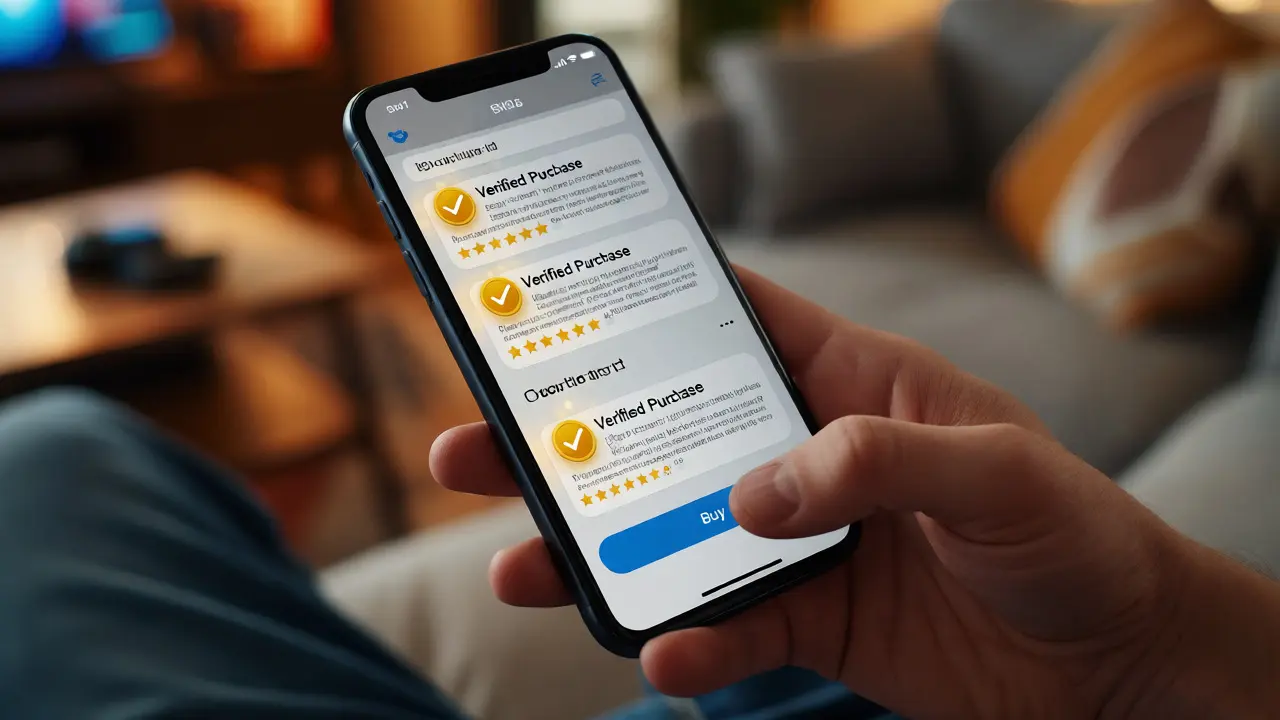
A five-star rating means almost nothing if the source is anonymous. In the world of e-commerce and digital media, anonymity breeds suspicion. When a user sees a review labeled "Verified Purchase," they know the person actually paid for the item. For an indie filmmaker, this distinction is critical because you are selling an intangible experience. You aren't selling a toaster where functionality is obvious; you're selling emotion, story, and time.
Platforms like Amazon, Apple TV, and Vudu prioritize verified purchases in their algorithms. They filter out spam and incentivize genuine engagement. But beyond the algorithm, psychology plays a huge role. Social proof theory suggests that when people are uncertain, they look to others for cues on how to behave. A verified review reduces uncertainty. It tells the potential buyer, "Someone else took the risk, and here is what they thought." If you can get even ten detailed, verified reviews within the first week of release, your conversion rate often jumps significantly compared to a title with zero social proof.
The Psychology Behind the Click
Why do we care so much about what strangers think? It comes down to risk aversion. Buying an indie film feels risky. What if it’s boring? What if the audio is bad? What if the plot makes no sense? These are real fears. A verified review mitigates that fear by providing data points from peers who share similar tastes.
Consider the difference between a generic blurb and a specific verified comment. Compare these two:
- Generic: "Great movie! Highly recommend." (Posted by User123)
- Verified: "I usually hate slow-burn dramas, but the pacing here kept me hooked. The sound design in the second act was incredible. Worth the $9.99 rental price." (Verified Purchase)
The second option answers specific questions. It addresses genre expectations (slow-burn), technical quality (sound design), and value proposition (price). When you encourage reviews, you want this kind of detail. As a filmmaker, you should actively prompt viewers to mention what they liked specifically. Did they love the cinematography? The dialogue? The ending? Specificity sells.
Strategies to Generate Early Momentum
You cannot wait for reviews to happen naturally. For most indie films, organic discovery is slow. You need to engineer the initial wave of feedback. Here is a practical workflow I’ve used with several successful micro-budget releases.
- The Inner Circle Audit: Before public release, send secure links to friends, family, and crew. Ask them to watch it fully. Then, ask them to leave a review on the target platform once it goes live. Do not beg for five stars. Ask for honesty. If they loved it, great. If they had critiques, those are valuable too. Honest three-star reviews with constructive criticism often convert better than fake five-star hype because they seem realistic.
- Festival Audience Capture: If you screened at a festival, collect emails. Don't just take names; ask for permission to contact them later. When the film hits VOD, send a personalized email. "Hey, thanks for coming to the screening. If you enjoyed it, a quick review on Amazon helps us keep making films." Attach a direct link to the review page to reduce friction.
- Incentivized Feedback Loops: Be careful with incentives. Some platforms prohibit paying for reviews. However, you can offer non-monetary perks. For example, include a QR code in the digital download file that leads to a survey or review portal. Offer entry into a drawing for a signed poster or a behind-the-scenes PDF. This encourages engagement without violating terms of service regarding paid endorsements.
Navigating Platform-Specific Algorithms
Not all platforms treat reviews equally. Understanding the mechanics of each store can save you hours of wasted effort.
| Platform | Review Visibility | Algorithm Weight | Best Strategy |
|---|---|---|---|
| Amazon Prime Video | High visibility on product page | High impact on search ranking | Drive traffic via external ads to boost sales velocity, then request reviews. |
| Apple TV | Moderate; curated sections matter | Medium; relies on editorial picks | Focus on high-quality thumbnails and metadata; reviews support longevity. |
| Vimeo On Demand | Direct community interaction | Low algorithmic push; high community trust | Leverage existing Vimeo followers; engage directly in comments. |
| YouTube Movies | Comments section integration | High impact on recommendation feed | Engage with top comments; pin positive viewer insights. |
Notice that Amazon places heavy weight on recent activity. If you can drive a spike in sales through a targeted Facebook ad campaign, and simultaneously ask those buyers to leave reviews, you create a flywheel effect. Sales increase visibility, which increases sales, which generates more reviews. Apple TV is different; it’s more about prestige and curation. While reviews help, getting featured in a collection like "Indie Gems" matters more. Still, a solid rating average prevents users from bouncing off the page.
Handling Negative Feedback Gracefully
Let’s be real: someone will hate your movie. Maybe they expected a comedy and got a tragedy. Maybe they didn’t like the lead actor. How you handle negative reviews defines your brand as much as the positive ones. Never argue publicly. Never delete valid criticism unless it violates platform rules (like profanity or spoilers).
Instead, respond professionally. Thank the reviewer for their time. Acknowledge their perspective. For example: "Thanks for watching, John. We understand the slow pace isn't for everyone, but we appreciate you giving it a shot." This shows future buyers that you are approachable and confident. Paradoxically, seeing a creator respond calmly to criticism builds more trust than having only perfect scores. It signals authenticity.
Also, use negative reviews as data. If three people complain about the audio mix in Act 2, maybe you fix it for the next version or update the metadata description to warn viewers about the ambient sound style. This turns complaints into actionable insights for your next project.

Integrating Reviews into Your Marketing Funnel
Don’t let your reviews sit idle on the storefront. Pull them into your own marketing channels. Create graphics featuring standout quotes from verified reviews. Share these on Instagram Stories, Twitter threads, or your newsletter. When a potential buyer clicks through from your social media to the store, they already see social proof before they even hit the purchase button.
Use tools like ScreenCloud or simple Canva templates to highlight short, punchy excerpts. "A haunting masterpiece" - Verified Viewer. Keep it visual. People scan images faster than text. By repurposing these testimonials, you extend the life of each review far beyond its original placement on the product page.
Common Pitfalls to Avoid
There are traps that new filmmakers fall into when chasing reviews. First, don’t buy reviews. Services that promise "50 Five-Star Reviews for $50" are dangerous. Platforms like Amazon are cracking down on fake reviews aggressively. If they detect unnatural patterns-such as many reviews coming from the same IP range or lacking purchase history-they may suppress your listing or ban you entirely. It’s not worth the risk.
Second, don’t ignore the timing. Asking for a review immediately after purchase often yields higher response rates. Set up automated emails if your distributor allows it. Third, don’t neglect video reviews. With TikTok and YouTube Shorts dominating attention spans, a 15-second clip of a viewer reacting to your film counts as a powerful testimonial. Encourage fans to post reaction videos and tag you. Embed these on your landing page.
Long-Term Brand Building Through Community
Reviews aren’t just for one sale. They build a library of trust that benefits your entire catalog. If you plan to make another film, your previous works’ review history serves as a portfolio. Buyers who enjoyed your first film are more likely to try the second if they see consistent positive feedback across your body of work.
Start building a community now. Use Discord or Patreon to connect with superfans. These people are your early adopters. They will be the first to review your next project. Treat them well. Give them exclusive access. Their loyalty translates directly into sustained sales momentum long after the initial release window closes.
Do verified reviews really affect sales?
Yes, significantly. Data from e-commerce studies indicates that products with verified reviews convert 10-15% higher than those without. For indie films, where brand awareness is low, this social proof is often the deciding factor for hesitant buyers.
Can I pay people to write reviews?
It depends on the platform. Amazon prohibits monetary compensation for reviews. However, you can offer free copies or non-monetary incentives like raffle entries, provided you disclose the relationship clearly. Always check the specific Terms of Service for each VOD provider.
How many reviews do I need to start seeing results?
While every bit helps, aim for at least 10-15 verified reviews in the first month. This threshold creates enough social proof to appear credible to new visitors. Below five reviews, the sample size feels too small to be trustworthy.
Should I reply to negative reviews?
Yes, but politely and briefly. Responding shows other potential buyers that you are engaged and professional. Avoid defensive language. Thank them for their time and acknowledge their differing opinion. This demonstrates confidence and respect for your audience.
What is the best way to ask for a review?
Make it easy. Provide a direct link to the review page. Send the request shortly after the viewing experience ends. Personalize the message if possible, referencing the viewer's name or their participation in a festival or campaign. Frictionless requests yield higher completion rates.