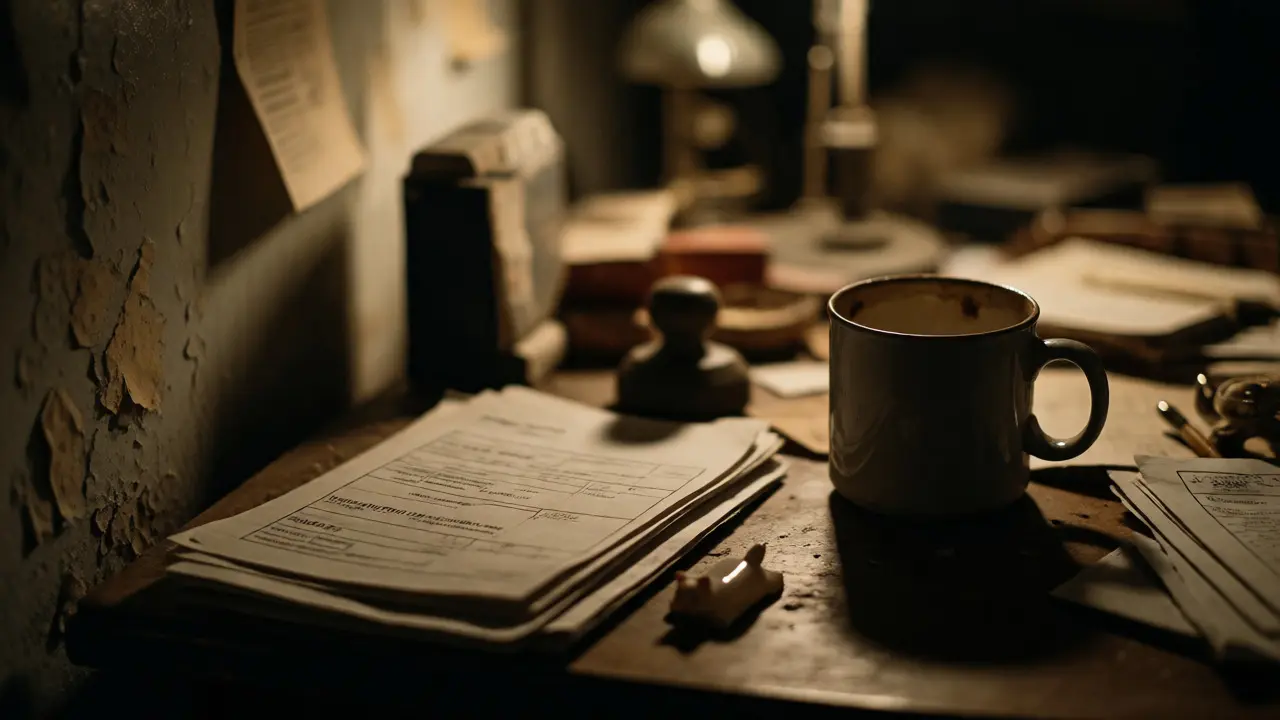
You walk into a room on screen. The paint is peeling in the corner. A coffee mug sits half-full on a cluttered desk. There’s a stack of unpaid bills next to a cat toy. You don’t consciously think about these things. But your brain registers them instantly. This is the power of set dressing. It’s not just decoration; it’s visual storytelling that happens in the background.
Most viewers never notice set dressing until it’s wrong. If a modern smartphone appears in a 1990s scene, the illusion breaks. But when done right, set dressing creates a seamless reality. It tells you who lives there, how much money they have, and what they care about, all without a single line of dialogue. For filmmakers and aspiring designers, understanding this craft is the difference between a generic backdrop and a living, breathing world.
The Invisible Art of Production Design
Production design is the umbrella term for creating the visual concept of a film. Within that broad scope, set dressing is the final layer of detail applied to constructed or existing locations. Think of the production designer as the architect and the set decorator as the interior stylist. The architect builds the walls; the stylist decides which curtains hang there and why they’re dusty.
This distinction matters because each role solves different problems. The construction crew ensures the wall doesn’t fall down. The set dresser ensures the wall looks like it has lived through ten years of arguments and laughter. In high-budget films like Dune or The Grand Budapest Hotel, this process can involve thousands of individual items. In indie films, it might mean sourcing the perfect thrift-store lamp to convey a character’s poverty.
Why does this matter? Because audiences are smart. We subconsciously scan environments for cues. If a detective’s office looks too clean, we suspect he’s new or incompetent. If a villain’s lair is sterile, we feel uneasy. Set dressing manipulates these subconscious reactions to guide emotional responses.
Characterization Through Clutter
Every object placed in a frame serves a purpose. This is often called "environmental storytelling." Instead of having a character say, "I’m messy and depressed," you show them surrounded by empty takeout containers and laundry piles. The objects do the talking.
Consider the work of Barbara Ling, the production designer behind Crazy Rich Asians. She didn’t just fill rooms with expensive furniture. She curated specific brands and styles that reflected generational wealth versus newly acquired status. A vintage Hermès bag says something different than a brand-new Gucci belt. These nuances build character depth.
Here is how specific elements define characters:
- Hobbies and Interests: A guitar leaning against a wall suggests creativity or longing. A shelf full of medical textbooks implies ambition or stress.
- Socioeconomic Status: Worn-out shoes tell a different story than pristine sneakers. Peeling wallpaper suggests neglect or financial struggle; fresh paint suggests control or recent change.
- Time Period: Magazines, technology, and packaging anchor the audience in a specific era. A VHS tape in a drawer immediately signals the 1980s or 90s.
- Psychological State: Symmetrical arrangements suggest order and control. Chaotic piles suggest anxiety or impulsivity.
The key is intentionality. Random clutter looks fake. Curated clutter looks real. Every item should answer the question: "Why would this person own this?"
The Hierarchy of Visual Focus
Not all details are created equal. The camera lens dictates what matters. Set dressers must understand the concept of "visual hierarchy." The human eye naturally moves toward contrast, color, and movement. Your job is to direct that gaze.
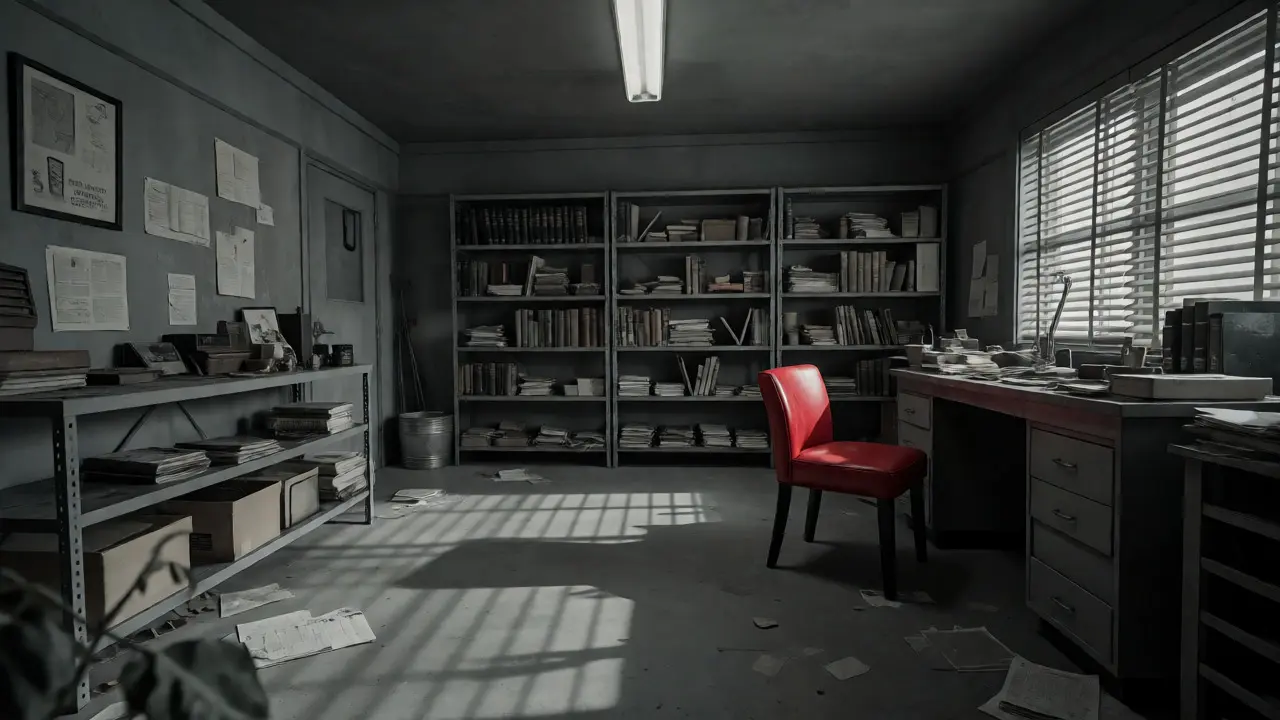
In wide shots, large shapes and colors dominate. A bright red chair in a gray room draws the eye immediately. In close-ups, texture and small details become critical. A cracked watch face or a torn book cover carries weight only when the camera is tight enough to see it.
Filmmakers often use a technique called "depth staging." By placing detailed objects in the foreground, midground, and background, you create a sense of three-dimensional space. If the background is flat and undetailed, the scene feels artificial. If the background is rich with relevant details, the world feels expansive, even if the set is physically small.
A common mistake is over-dressing. Too many competing focal points confuse the viewer. If everything is interesting, nothing is. Professional set decorators know when to leave negative space. Sometimes, an empty wall says more about isolation than a crowded gallery ever could.
Authenticity vs. Cinematic Reality
Real life is messy, but cinema requires clarity. This creates a tension between authenticity and readability. Real bedrooms are often chaotic in ways that don’t photograph well. Real kitchens have grease spots that look dirty on camera rather than lived-in.
Set dressing often involves "cheating" reality. You might move a light switch to make a room feel larger. You might replace a realistic but ugly radiator with a period-accurate one that looks better on film. The goal isn’t documentary truth; it’s emotional truth.
Consider historical dramas. Authenticity is paramount, but strict adherence to history can bore the audience. Designers often blend accurate artifacts with stylized choices to maintain visual interest. For example, Bridgerton uses historically inspired fabrics and structures but employs modern lighting and color palettes to appeal to contemporary viewers. This balance keeps the world believable while remaining engaging.
| Approach | Focus | Best For | Risk |
|---|---|---|---|
| Hyper-Realism | Exact replication of real-world details | Documentaries, gritty dramas | Can look dull or overly busy |
| Stylized Minimalism | Symbolic use of few, impactful objects | Sci-fi, psychological thrillers | May feel cold or detached |
| Era-Specific Accuracy | Strict adherence to historical trends | Period pieces, biopics | Can distract if too obscure |
| Narrative Symbolism | Objects chosen for metaphorical meaning | Art-house films, allegories | Can feel forced if unsubtle |

Practical Techniques for Low-Budget Filmmakers
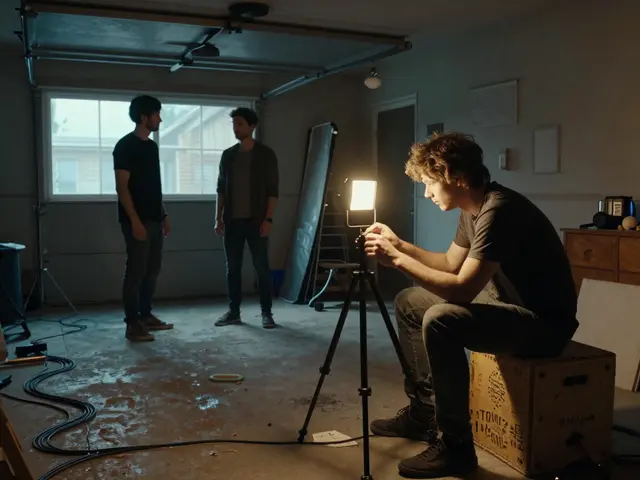
You don’t need a million-dollar budget to master set dressing. Resourcefulness is actually a strength. Many acclaimed indie films rely on clever sourcing and strategic placement rather than quantity.
Start with the script. Identify the key moments where environment influences action. Does the protagonist hide a letter under a rug? Then that rug needs to be prominent. Does the villain threaten someone with a heavy statue? That statue needs to look heavy and dangerous.
Use local resources. Thrift stores, estate sales, and online marketplaces are goldmines for unique props. Avoid buying everything new from big-box stores. Mass-produced items lack character. Look for wear and tear. Scuffs, stains, and fading add history. If an item looks brand new, distress it yourself. Rub sandpaper on wood edges. Spill tea on paper to age it.
Lighting interacts closely with set dressing. Dark corners hide imperfections. Bright lights reveal flaws. Work with your director of photography early. They can help you decide which details need to be perfect and which can be faked. Sometimes, a painted backdrop works better than a physical object if it saves time and money.
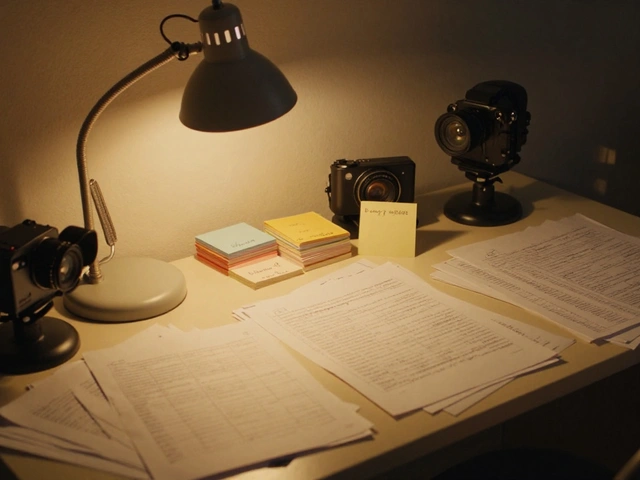
Another tip: keep a "prop bible." Document every significant item used in a scene. Note its location, condition, and significance. This ensures continuity across shooting days. If a coffee cup is half-empty in shot one, it must be half-empty in shot two. Continuity errors break immersion faster than bad acting.
The Future of Digital Set Dressing
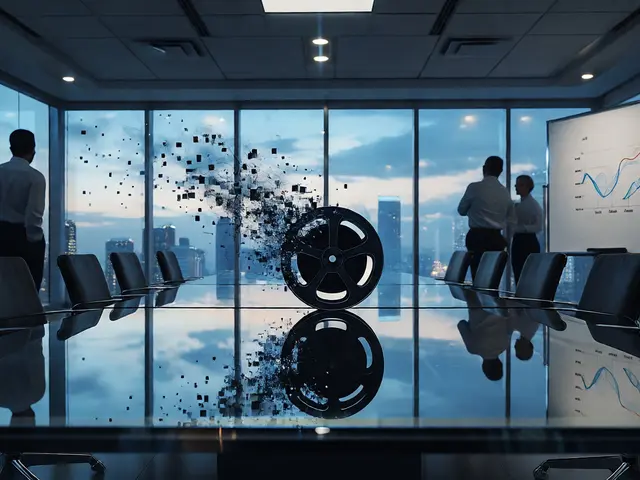
Technology is changing how we approach physical spaces. Virtual production stages, like those used in The Mandalorian, allow directors to change backgrounds instantly. This impacts set dressing because physical props must now interact seamlessly with digital environments.
Augmented reality (AR) tools are also helping designers visualize layouts before filming begins. Apps can simulate how different furniture pieces fit in a room, saving hours of trial and error. However, digital solutions cannot fully replace tactile feedback. Touching a prop helps actors perform. Holding a heavy sword changes posture. Using a flimsy plastic replica alters performance. Physical presence still matters.
As virtual sets become more common, the skill of blending practical and digital elements becomes crucial. Set dressers will need to understand both traditional craftsmanship and digital asset management. The core principle remains: every element, physical or pixelated, must serve the story.
What is the difference between set dressing and props?
Props are items handled by actors during a scene, such as phones, weapons, or food. Set dressing refers to the decorative elements that remain static, such as furniture, artwork, rugs, and wall hangings. While props require continuity based on actor movement, set dressing focuses on establishing the atmosphere and context of the location.
How do set decorators choose items for a film?
They start with the script breakdown and character profiles. They research the time period, socioeconomic status, and personality traits of the inhabitants. Then, they source items that reflect these attributes. Choices are often made collaboratively with the production designer and director to ensure visual consistency with the overall aesthetic vision.
Why is set dressing important for storytelling?
Set dressing provides visual context without dialogue. It informs the audience about the setting's time, place, and social dynamics. It also reveals character psychology through environmental cues, such as cleanliness, organization, and personal interests. This subtle information helps viewers connect emotionally with the narrative.
Can set dressing affect actor performance?
Yes. Actors often report feeling more immersed in their roles when the environment feels authentic. Handling realistic props and interacting with a detailed space helps them inhabit the character more naturally. Conversely, sparse or inaccurate sets can make performances feel disconnected or staged.
How do low-budget films handle set dressing?
Low-budget productions focus on selective detailing. Instead of dressing entire rooms, they concentrate on areas visible in the frame. They utilize natural light to hide imperfections and source unique items from thrift stores to avoid generic looks. Strategic placement of a few high-quality props can create a convincing atmosphere without extensive expenditure.