Most independent scripts die in the inbox. Not because the story is bad, but because the script coverage didn't make it easy enough to say yes.
If you are trying to raise money for an independent film, you need to understand that investors and producers aren't just reading your script. They are reading the professional assessment of it. A strong script coverage document acts as a bridge between your creative vision and their financial risk tolerance. It translates "cool idea" into "viable project."
This guide breaks down exactly what industry professionals look for when they open a coverage report. We will look at the structure, the language, and the specific signals that tell an investor this project is ready for development.
The Anatomy of Professional Script Coverage
A standard script coverage report is not a summary. It is a diagnostic tool. While formats vary slightly between agencies, the core components remain consistent across the industry. Understanding these sections helps you prepare your material so the reader can focus on the strengths rather than hunting for them.
- Title Page: Includes the script title, genre, page count, and the name of the scriptwriter. It also lists the company or individual providing the coverage.
- Synopsis: A one-paragraph summary of the entire plot. This is the elevator pitch in written form. It must be spoiler-free regarding the ending unless requested.
- Recommendation: The verdict. Usually categorized as "Buy," "Consider," or "Pass." For indie projects, "Consider" often means "fix these things and send it back."
- Analysis: The meat of the document. This section evaluates character arcs, pacing, dialogue, and thematic resonance.
- Marketability Notes: Specific comments on how the script fits current market trends, comparable films (comps), and budget implications.
When you submit a script, ensure the synopsis in your query letter matches the tone of what you want the coverage to reflect. If your synopsis is vague, the coverage will likely be vague too.
What Investors Actually Look For in the Analysis
Investors in indie financing are risk-averse by nature. They know that most low-budget films do not recoup their costs through box office alone. Therefore, they look for elements that reduce production risk and increase distribution potential. Here is what triggers a positive reaction in the analysis section:
- Clear Character Motivation: The analysis should highlight that the protagonist wants something specific and achievable. Vague motivations lead to meandering plots, which kill budgets.
- Budget Awareness: Does the script require a massive cast? Explosions? Period costumes? The coverage will flag if the story demands more money than the genre typically supports. A tight script with few locations is a green light for many indie funds.
- Thematic Relevance: Is the story resonant right now? The coverage might note if the theme aligns with current cultural conversations, making it easier for distributors to market the film later.
- Dialogue Quality: Bad dialogue is expensive to fix in post-production. Strong, naturalistic dialogue reduces shooting days and editing time.
If the coverage mentions that the "second act drags," it’s not just a literary critique. It’s a warning that the runtime might exceed the target, increasing daily burn rates during filming.
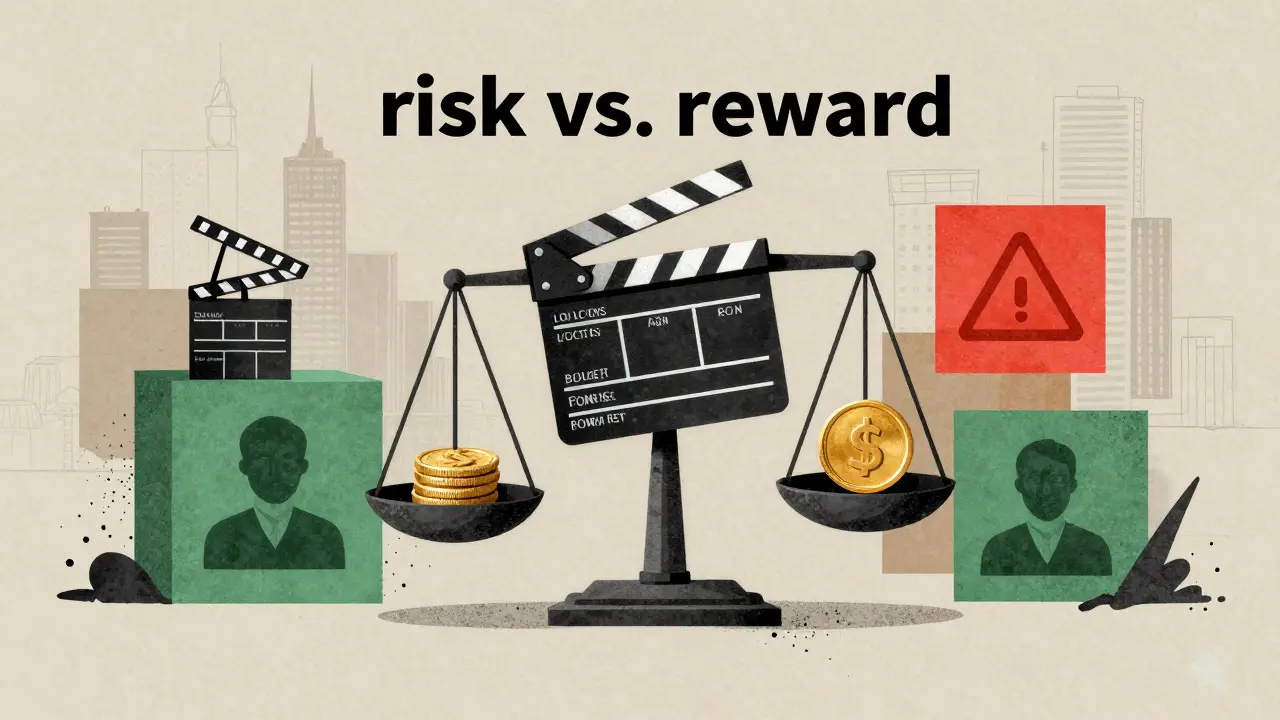
Comparing Coverage Types: Literary vs. Production
Not all coverage is created equal. Depending on who you hire or where you submit, the focus shifts. Knowing the difference helps you choose the right feedback for your stage of development.
| Feature | Literary Coverage | Production Coverage |
|---|---|---|
| Primary Focus | Story structure, character depth, prose style | Budget feasibility, location count, cast size |
| Target Audience | Agents, Directors, Writers | Producers, Line Producers, Investors |
| Key Metrics | Emotional impact, thematic clarity | Shootable pages per day, special effects requirements |
| Common Verdict | "Strong voice, needs structural tightening" | "Viable for micro-budget, trim scene 14" |
For independent films, you usually need a hybrid approach. You want the story to work (literary) but also need to prove it can be made for under $5 million (production). If you only get literary praise, ask the reader to add a paragraph on production feasibility.
How to Use Coverage to Secure Funding
Once you have the coverage in hand, don't just file it away. Use it as a marketing asset. Here is how to leverage those notes effectively:
1. Create a Development Deck. Include excerpts from the coverage in your pitch deck. Highlight quotes that praise the concept's uniqueness or commercial appeal. Investors trust third-party validation more than your own self-praise.
2. Address the Negatives Publicly. If the coverage says the third act is weak, mention in your email to investors that you are currently rewriting based on expert feedback. This shows professionalism and responsiveness. It proves you listen to the market.
3. Benchmark Against Comps. The coverage will likely list comparable films. Use these titles to build your business plan. If the coverage compares your script to *Parasite* or *Whiplash*, cite those films' box office returns and festival success in your financial projections.
4. Iterate Quickly. Indie windows are short. If the coverage suggests changes, implement them within two weeks. Sending a revised script with a note saying "Incorporated all feedback from [Agency Name]" demonstrates momentum. Momentum is attractive to cash-strapped investors.

Common Pitfalls in Indie Script Submissions
Even great scripts fail to get funded due to poor presentation. Avoid these common mistakes when preparing your material for coverage:
- Ignoring Formatting Standards: If your script isn't formatted correctly, the coverage reader spends time fixing visual issues instead of analyzing the story. Use standard industry software like Final Draft or WriterSolo.
- Over-Explaining in the Synopsis: Keep the synopsis under 200 words. If you can’t summarize it simply, the story might be too complex for a general audience.
- Choosing the Wrong Reader: Don’t send a horror script to a romance-focused agency. Their coverage will be biased against your genre. Find readers who specialize in your specific niche.
- Defensiveness: When you receive negative feedback, resist the urge to argue. The goal is funding, not winning a debate. Take the notes, fix the script, and resubmit.
Remember, the person writing the coverage is doing a job. Make their job easy, and they will advocate for your project.
Frequently Asked Questions
How much does professional script coverage cost?
Standard script coverage typically ranges from $75 to $150 per script. Top-tier agencies or consultants may charge up to $300. For independent filmmakers, mid-range services from established script consultants offer the best value for detailed feedback.
Do investors read the full script before seeing the coverage?
Rarely. Most investors rely on the coverage report and the synopsis to decide if the project is worth their time. Only after a positive coverage recommendation will they request the full script for a deeper dive. This makes the quality of the coverage critical.
What is a "Consider" rating in script coverage?
A "Consider" rating means the script has potential but requires revisions. It is not a rejection. It indicates that the core concept works, but execution needs improvement. This is actually a good starting point for independent films, as it provides a clear roadmap for fixes.
Can I use script coverage from a small agency for major funding rounds?
Yes, provided the reviewer is credible. Check the reviewer's portfolio. If they have worked with known studios or successful indie producers, their word carries weight. Include their bio in your pitch materials to establish credibility.
How long does it take to get script coverage back?
Most professional services return coverage within 7 to 14 business days. Rush services can deliver in 48 hours but cost significantly more. Plan your development timeline accordingly to avoid delays in your fundraising process.





Comments(10)