When you hit play on a Amazon Prime Video Original, you expect something different than your average TV series. You want cinema. You want the kind of production value that makes you forget you are sitting on your couch and not in a darkened theater. But what actually separates these films from standard streaming content? It is not just the budget, though money certainly helps. It is the deliberate strategy behind how Amazon Studios builds its library to compete with major Hollywood studios.
The goal here is simple: understand how Amazon curates a collection of films that feel like event movies. We will look at the production standards, the types of stories they tell, and why this specific approach matters for viewers who care about visual fidelity and narrative depth. If you are tired of low-effort filler content, this breakdown shows you where to find the real gems.
Defining Theatrical Quality in Streaming
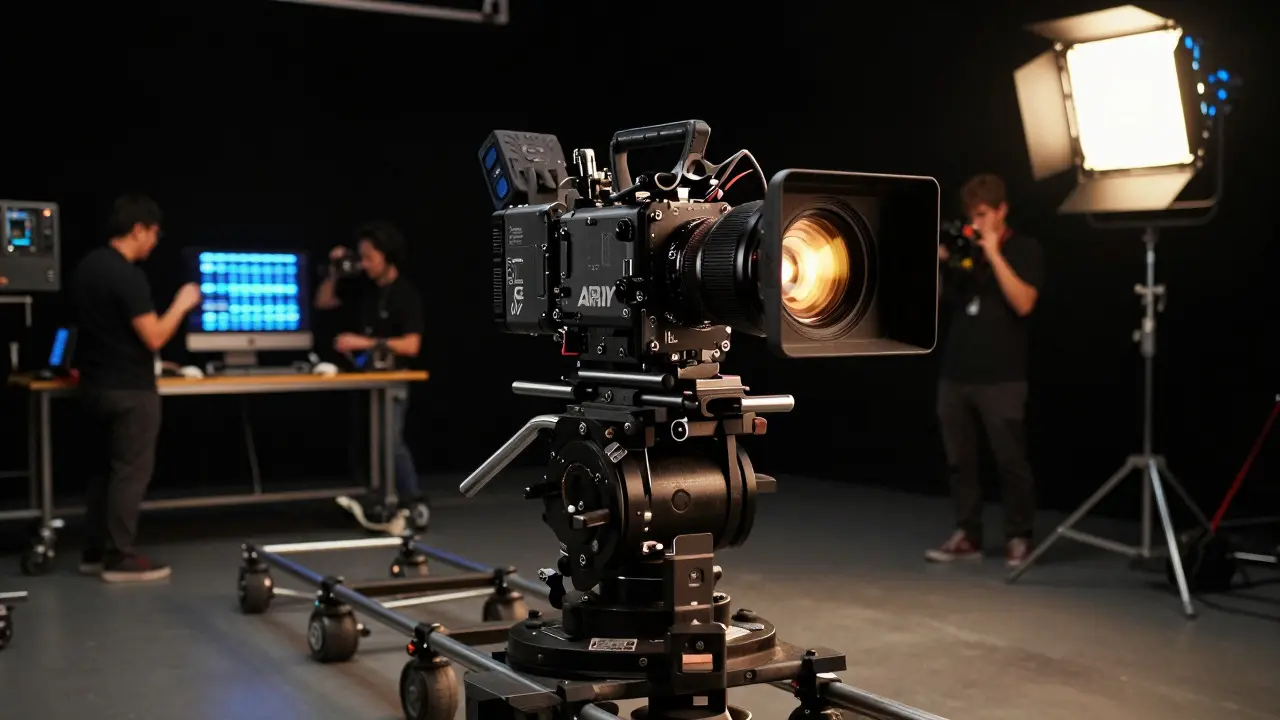
Theatrical quality refers to production standards that match or exceed those used in wide-release cinema, including high-resolution cinematography, professional sound mixing, and substantial post-production workflows. In the context of streaming originals, this means the film was shot on large-format cameras, often with anamorphic lenses, and mastered for both home and cinema screens.
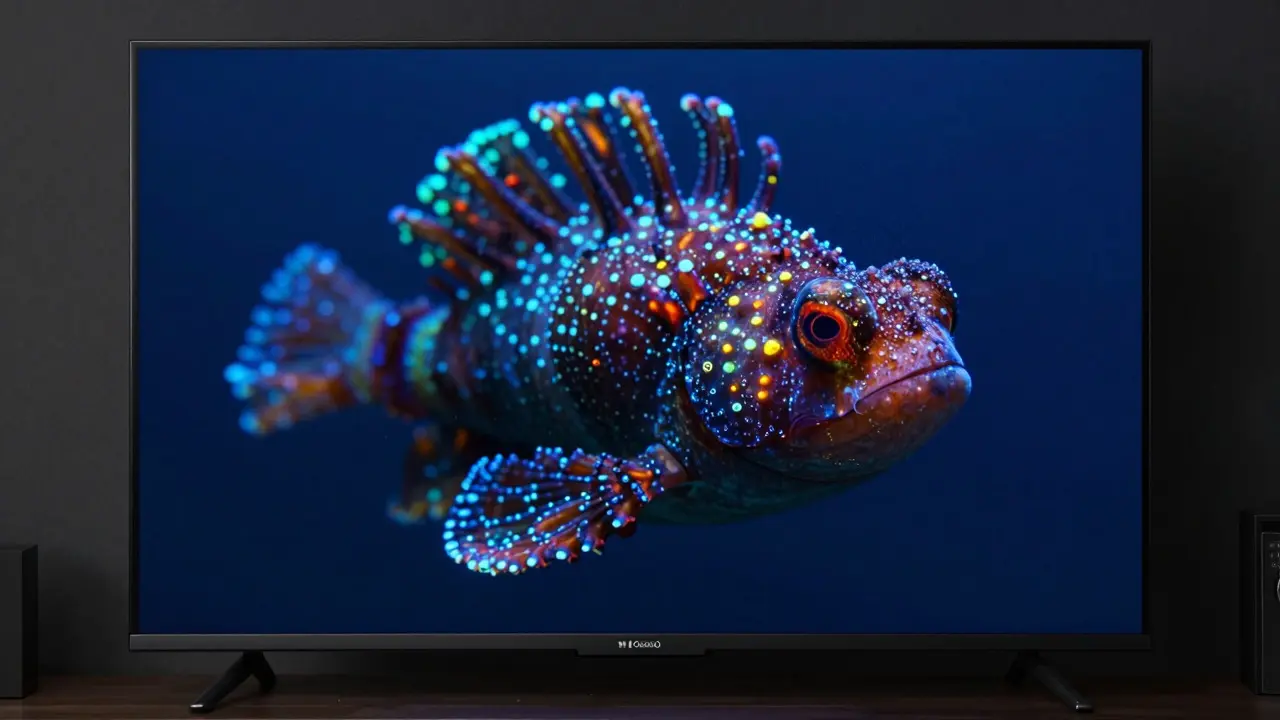
Why does this matter? Because most web series are shot on smaller sensors and compressed heavily for data efficiency. When Amazon commits to theatrical quality, it signals that the project is treated as a prestige piece. This involves hiring directors who have festival credits, using practical effects where possible, and spending significant time in color grading. The result is a visual texture that holds up on a 65-inch OLED TV just as well as it would on a 30-foot theater screen.
- Cinematography: Use of ARRI Alexa or Sony Venice cameras for dynamic range.
- Sound Design: Mixed in Dolby Atmos for immersive spatial audio.
- Aspect Ratio: Often 2.39:1 widescreen format to mimic cinema experience.
- Post-Production: Extended editing timelines compared to standard episodic TV.
The Strategic Role of Amazon Studios
Amazon Studios operates differently from Netflix or Apple TV+. While competitors often rely on volume-releasing dozens of titles a year to keep subscribers hooked-Amazon focuses on selectivity. They do not want to be the background noise; they want to be the destination for serious film fans.
This strategy relies on leveraging Amazon’s massive retail ecosystem. Every Prime member gets access to the library, meaning the distribution cost per viewer is nearly zero. This allows them to take bigger risks on niche genres or independent voices that traditional studios might shy away from. For example, a documentary about deep-sea exploration or a drama set in rural Appalachia can find its audience without needing a global marketing blitz. The platform handles the discovery through sophisticated algorithms that recommend based on viewing history, not just popularity charts.
Furthermore, the integration with hardware plays a role. Fire TV devices are optimized for HDR10+ and Dolby Vision, ensuring that the technical quality of the source material is preserved all the way to your screen. This closed-loop system-from production to playback-is rare in the industry and gives Amazon a distinct advantage in delivering consistent quality.
Key Pillars of the Film Library
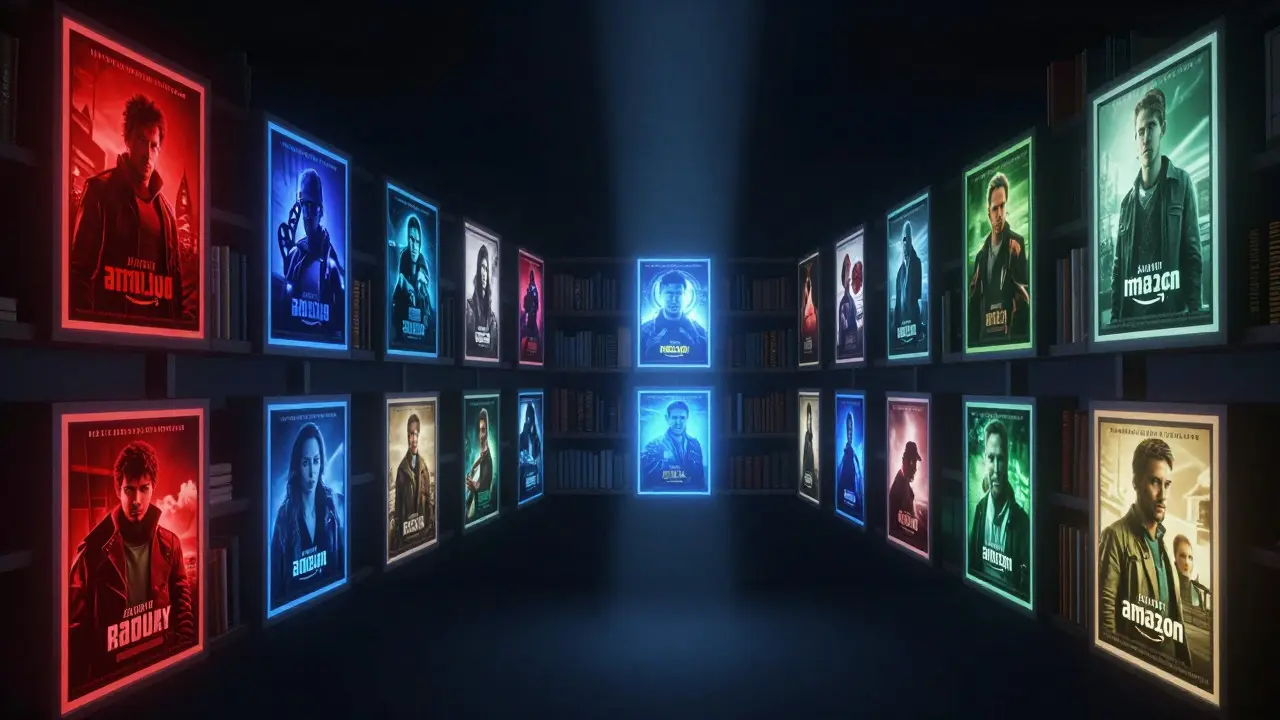
To build a library that feels cohesive yet diverse, Amazon has identified several key pillars. These are not rigid rules, but rather guiding principles that shape which projects get greenlit. Understanding these pillars helps you navigate the catalog more effectively.
- Prestige Drama: Films featuring A-list actors and acclaimed directors. These are the Oscar bait titles that generate buzz and credibility.
- Genre Innovation: Sci-fi, horror, and fantasy films that push visual boundaries. Think less generic superhero fare and more unique world-building.
- Documentary Excellence: High-budget documentaries that explore complex social issues or natural wonders. These often win awards and drive subscription renewals.
- International Co-Productions: Collaborations with foreign studios to bring global stories to English-speaking audiences while maintaining local authenticity.
Each pillar serves a different purpose. Prestige dramas attract mainstream attention. Genre innovation keeps the brand fresh and exciting for younger demographics. Documentaries provide critical acclaim and long-tail viewing value. International co-productions expand the cultural reach of the platform. Together, they create a balanced portfolio that appeals to a wide range of tastes without diluting the core promise of quality.
Technical Standards and Playback Experience
Let’s talk numbers, because specifications matter if you care about image quality. Most Amazon Prime Video Originals are delivered in 4K UHD resolution. However, resolution alone doesn’t tell the whole story. Bitrate is the unsung hero here. Standard streaming services might cap bitrates at 15-20 Mbps for 4K content. Amazon often pushes higher, especially for their flagship titles, ensuring that fast motion scenes remain crisp and free of compression artifacts.
| Feature | Amazon Prime Video Originals | Average Streaming Service |
|---|---|---|
| Resolution | 4K UHD (3840x2160) | 1080p HD / 4K UHD |
| Frame Rate | 24fps (Cinema Standard) | 24fps / 30fps / 60fps |
| Color Space | Dolby Vision / HDR10+ | HDR10 / SDR |
| Audio Format | Dolby Atmos / DTS:X | 5.1 Surround / Stereo |
| Bitrate (4K) | Up to 25 Mbps | 15-20 Mbps |
Notice the frame rate difference. Many streaming services offer 60fps options for sports or action shows, but for films, 24fps is the gold standard. It provides the "film look" that audiences associate with cinema. Amazon sticks to this standard for its theatrical-quality titles, respecting the artistic intent of the director. If you watch on a device that supports variable refresh rates, you’ll notice the smoother, more cinematic flow compared to content forced into higher frame rates.
Navigating the Catalog: What to Look For
With hundreds of titles, finding the best ones can feel overwhelming. Here is a practical heuristic to help you filter out the noise. First, check the release date. Titles released within the last two years are more likely to have current codec optimizations. Second, look for the "Director’s Cut" or "Extended Edition" tags. These often indicate a version that was tailored for the streaming platform, potentially offering extra scenes or improved pacing.
Third, pay attention to the metadata. If a film lists specific camera systems or lens manufacturers in its credits (often found in detailed descriptions or fan sites), it’s a good sign that production values were prioritized. Finally, read reviews from trusted sources that focus on technical analysis, not just plot summaries. Sites that discuss color grading, sound mixing, and script structure will give you a better idea of whether a title meets the theatrical bar.
Don’t ignore the international section either. Sometimes the highest-quality productions come from co-productions with European or Asian studios. These films often bring a different aesthetic sensibility, focusing on composition and mood over spectacle. They fit perfectly into the "theatrical quality" category because they prioritize artistry over commercial appeal.
Frequently Asked Questions
Are all Amazon Prime Video Originals available in 4K?
Not necessarily. While most recent flagship titles are available in 4K UHD with Dolby Vision, older acquisitions or lower-budget productions may only be available in 1080p HD. Always check the title’s detail page for specific format availability before starting playback.
What is the difference between a Prime Original and a licensed film?
A Prime Original is produced exclusively for Amazon, giving them full control over distribution and marketing. Licensed films are acquired from other studios and may have limited availability periods. Originals tend to stay in the library longer and receive more consistent technical updates.
Do I need a special TV to watch these films properly?
To fully appreciate the theatrical quality, a TV that supports HDR10+ or Dolby Vision is recommended. Additionally, a soundbar or home theater system with Dolby Atmos support will enhance the audio experience. However, even a standard 1080p TV will display the content clearly, albeit without the expanded dynamic range.
How often does Amazon add new theatrical-quality films?
Amazon typically announces new original film releases quarterly. Major blockbusters or award-season contenders are usually scheduled for strategic release dates to maximize visibility. Smaller, genre-focused films may be added monthly to keep the library fresh.
Can I download these films for offline viewing?
Yes, most Prime Originals are available for download via the mobile app or Fire TV devices. Note that downloaded files may use slightly lower bitrates than streamed versions to save storage space, so the quality might be marginally reduced when viewed offline.




Comments(6)