You spent two years editing your feature. You got into a couple of festivals. Now you’re staring at the release date, wondering if anyone outside your immediate friend group will actually watch it. Here’s the truth: national press is a lottery ticket. Regional publicity is the steady paycheck that keeps your indie film alive.
Most filmmakers obsess over Variety or The Hollywood Reporter. But those outlets cover hundreds of releases a week. Your film gets a blurb, maybe. Meanwhile, the local newspaper in Austin, the neighborhood podcast in Brooklyn, or the community radio station in Portland have audiences who are hungry for content that feels close to home. They want stories about people they might see at the grocery store. This is where you win.
Why Regional Beats National for Small Budgets
Think about the economics. A mention in a major trade publication costs money or luck. A feature in your local city paper costs an email and a good pitch. The conversion rate? Often higher. Why? Trust. When a reader sees their favorite local critic recommend a movie, they believe them because they’ve read their reviews before. When a podcast host talks about a film made by someone from their area, the listener feels a personal connection.
Data from independent distribution platforms suggests that localized marketing campaigns can drive up to 40% more ticket sales or streaming starts than broad, untargeted social ads. It’s not just noise; it’s signal. If you’re releasing in ten cities, getting ten local blogs to write about you is infinitely more valuable than one generic article on a site nobody reads anymore.
Hunting Down the Right Local Press
Don’t just send a blast email to every journalist in the state. That’s spam. You need to be surgical. Start with the obvious: city weekly newspapers. Publications like The Stranger in Seattle or The Austin Chronicle are staples. But go deeper. Look for niche blogs focused on specific genres. Did you make a horror film? Find the blog that covers only horror in your region. Did you make a documentary about urban gardening? Target the lifestyle sites.
- City Weeklies: These are the backbone of local culture. They often have dedicated "Arts" or "Film" sections.
- Niche Blogs: Search for "[City Name] + [Genre] + blog." You’ll find passionate writers with smaller but highly engaged audiences.
- Community Radio: Stations like KEXP or WNYC often have arts segments. Call them. Seriously. Ask who handles the culture calendar.
- University Papers: If your film appeals to students, student-run papers are surprisingly influential and eager for content.
Once you have a list, research the writer. Have they covered similar films? Do they prefer interviews or reviews? Tailor your pitch. A lazy copy-paste job gets deleted. A note saying, "I saw you loved Midsommar, so I thought you’d enjoy our folk-horror take," gets opened.
The Power of Film Podcasts
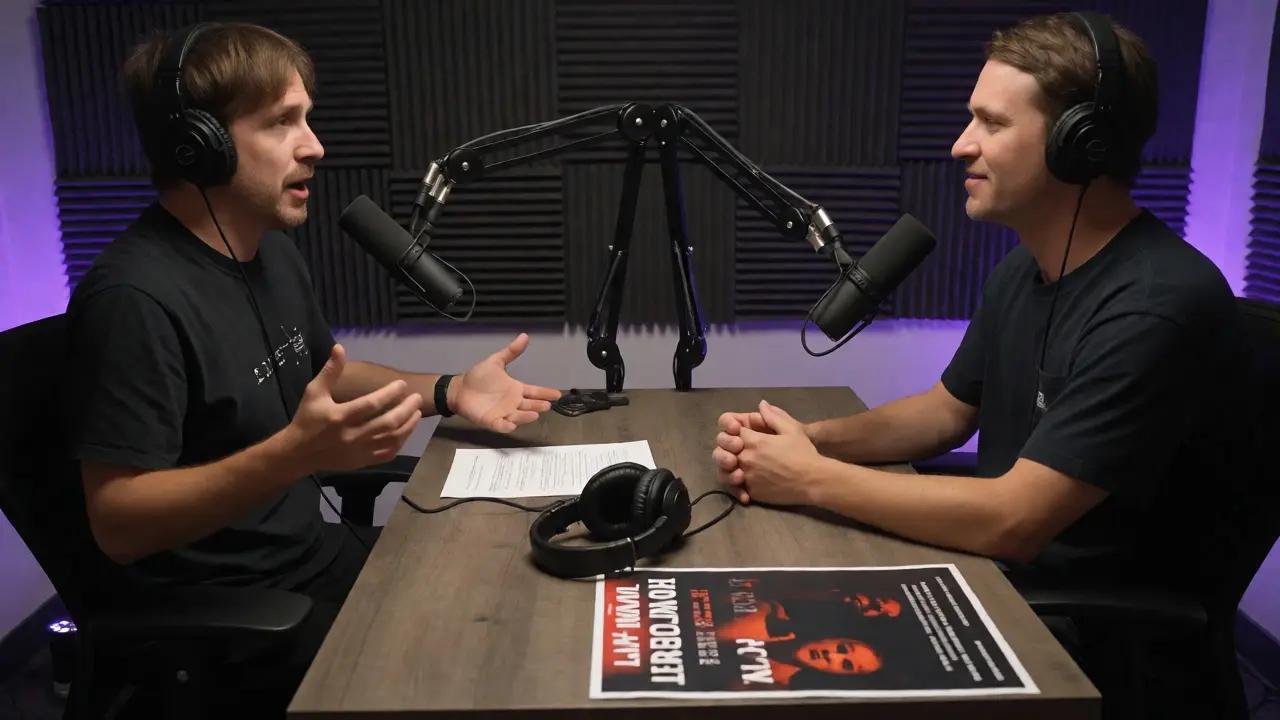
Podcasts are the new word-of-mouth engine. Unlike print, audio creates intimacy. When a host spends forty-five minutes talking about your film, the audience absorbs details they’d miss in a tweet. For indie films, this depth is gold. You can explain your budget constraints, your creative choices, and why you made the movie in the first place.
But which podcasts matter? Not everyone needs to get on How Did This Get Made?. Focus on shows that align with your film’s vibe. If you made a sci-fi thriller, look for genre-specific pods like StarTalk (if you have a science angle) or local geek-culture shows. If it’s a drama, look for "Filmmaker Interview" style pods.
| Channel | Audience Type | Ease of Access | Cost Effort | Impact Potential |
|---|---|---|---|---|
| Local Newspaper | General Community | Medium | Low | High Trust |
| Niche Blog | Genre Fans | High | Low | High Conversion |
| Community Radio | Hyper-Local | Medium | Medium | Event Attendance |
| Indie Podcast | Dedicated Listeners | Medium | High (Time) | Deep Engagement |
When pitching podcasts, remember: hosts are busy. Offer them something easy. Send a link to a private screener, a high-res poster, and a three-bullet-point summary of why your story matters. Don’t attach a 2GB file to the first email. Make it effortless for them to say yes.
Crafting the Pitch That Gets Read
Journalists and podcasters receive dozens of pitches daily. Yours has to stand out in under five seconds. Avoid the subject line "Press Release for [Film Name]." It screams "ignore me." Try something specific: "Interview Opportunity: Director from [Your City] Discusses New Horror Feature." Or, "Behind the Scenes: How We Shot [Film Name] on $5k in Downtown Detroit."
In the body, keep it short. Who are you? What is the film? Why should their audience care? Include links to trailers and posters. And crucially, include a clear call to action. Are you doing a Q&A after a screening? Is there a limited theatrical run? Give them a reason to cover it now, not next month.
Also, respect their time. If they don’t reply in a week, follow up once. Then let it go. Chasing them too hard makes you look desperate, and desperation doesn’t sell tickets.
Leveraging Local Events and Screenings
Publicity isn’t just about articles; it’s about presence. Use your regional press coverage to fill seats at local screenings. Invite the journalists who wrote about you. Invite the podcast hosts. Offer them free tickets and a meet-and-greet. When they show up, they talk about it. Their social media posts become your best ads.
Partner with local businesses. Does your film take place in a coffee shop? Partner with a real local cafe for a premiere party. Does it involve music? Reach out to local record stores. Cross-promotion expands your reach without costing you cash. You provide the content; they provide the venue or audience. It’s a symbiotic relationship that builds goodwill in your community.
Measuring Success Beyond Box Office
How do you know if regional publicity worked? Track everything. Use unique URLs for each outlet. If The Denver Post writes about you, use a link like yoursite.com/denver-post. See how many clicks turn into ticket purchases or streaming starts. Monitor social mentions. Did people tag your film after hearing the podcast episode?
Sometimes, the value isn’t immediate sales. It’s credibility. Having five local reviews and three podcast appearances gives you social proof. When you approach distributors later, you can say, "We built a grassroots following in these five markets." That narrative is powerful. It shows you can market yourself, which makes you a safer bet for bigger partners.
Pitfalls to Avoid
One common mistake is ignoring the negative feedback. If a local critic hates your film, don’t delete their comment or argue publicly. Thank them. Say, "Thanks for taking the time to watch it." This professionalism wins points with other journalists who are watching. Another trap is expecting immediate results. Building a regional reputation takes time. Consistency matters more than virality.
Also, don’t neglect the digital aspect. Ensure your website is mobile-friendly and loads fast. Journalists will click your links on their phones during commute times. If your site crashes, you lose the lead. Keep your metadata clean so search engines can find your local coverage easily.
Frequently Asked Questions
Do I need a publicist for regional press?
Not necessarily. For regional coverage, DIY works well if you are organized. Hire a publicist if you lack time or connections in multiple cities simultaneously. For single-market launches, you can handle it yourself with good research and persistence.
How early should I start pitching local media?
Start 6-8 weeks before your release date. Weekly newspapers often plan content a month in advance. Podcasts may book guests further out. Starting early ensures your name is in their queue when they finalize their calendars.
What if my film isn't set in a specific city?
Focus on where you filmed or where the cast/crew is from. Even if the story is universal, the production story is local. Audiences connect with the effort and location behind the scenes, not just the plot setting.
Are paid local ads worth it?
Usually no. Organic regional press has higher trust. Paid ads on local Facebook pages can work for event promotion, but earned media (reviews, interviews) drives better long-term engagement for indie films.
How do I track which outlets drove sales?
Use UTM parameters or unique discount codes for each outlet. If a podcast mentions code "PODCAST10," you know exactly how many tickets came from that episode. Simple tracking beats guessing.