You’ve written a novel. It’s good. Maybe it’s even great. Suddenly, a producer calls, or an agent sends over a contract titled "Option Agreementa legal contract granting a producer the exclusive right to purchase film or TV rights to a work for a set period." You sign it, thinking you’re on your way to the big screen. But what did you actually just sell? And more importantly, when do you get paid?
Most authors misunderstand options. They think signing means the movie is happening. It doesn’t. An option is a rental, not a sale. It buys the producer time to figure out if they can actually make the movie without risking their own capital upfront. If you don’t understand the mechanics of this deal, you might end up with a check for $500 and a shelf full of dust-covered scripts while your book gathers digital rust.
Key Takeaways
- Options are rentals: The producer pays a small fee for exclusive rights for a limited time (usually 12-18 months).
- Payment structure: You get an option fee now, plus a larger purchase price only if the project gets made.
- The "Step Deal": Payments often trigger in stages-development, pre-production, production.
- Rights revert: If the option expires without being exercised, all rights return to you automatically.
- Negotiation matters: Never accept a standard boilerplate offer without checking the renewal terms and reversion clauses.
What Is an Option Agreement, Really?
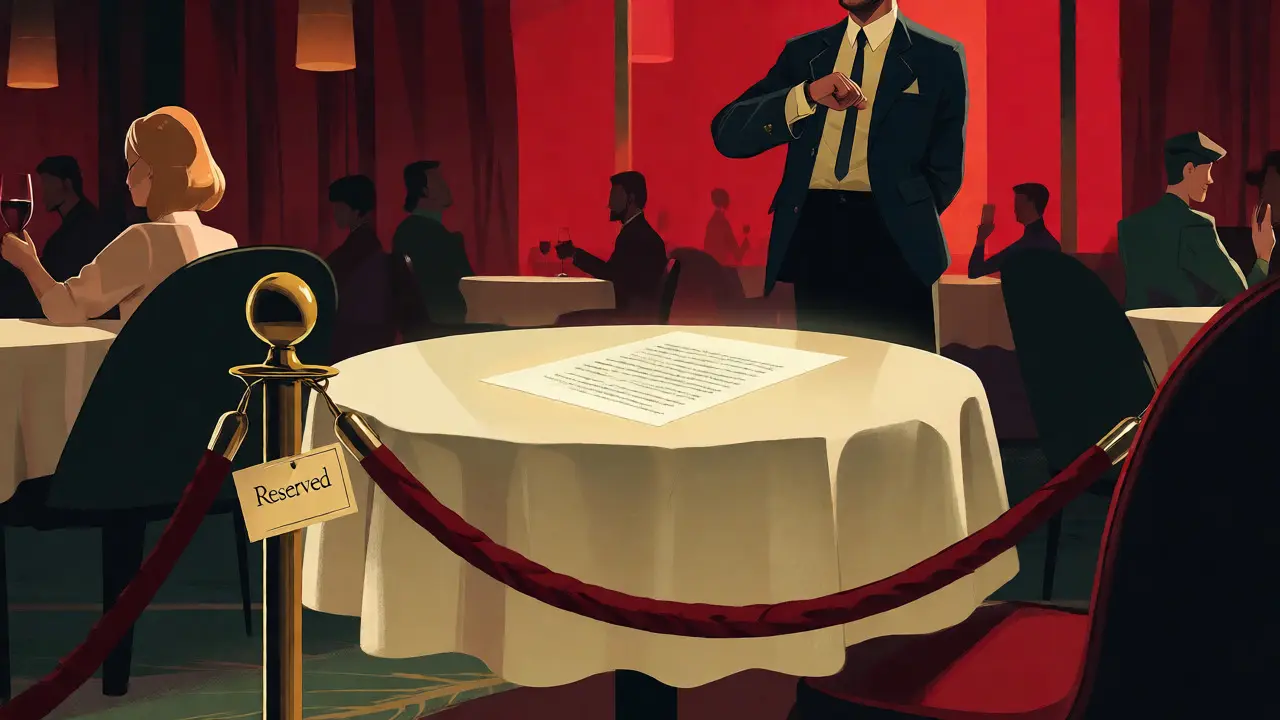
Think of an Option Agreement as a reservation at a popular restaurant. You pay a deposit to hold a table for Saturday night. That deposit isn't the cost of the meal; it's the cost of keeping that table empty so no one else sits there. If you show up on Saturday and order dinner, you pay the rest of the bill (the purchase price). If you never show up, the restaurant keeps the deposit, gives the table to someone else, and you get nothing back.
In Hollywood, the "restaurant" is the intellectual property market. The "table" is your book. The "deposit" is the option fee. Producers use options because developing a movie is expensive and risky. Before spending millions on actors, directors, and shooting days, they need to secure the underlying story. If they buy the rights outright immediately, they risk wasting money on a script that never gets greenlit. The option allows them to hire a screenwriter, attach talent, and pitch to studios with minimal financial exposure.
This distinction is critical. When you sign an option, you retain ownership of your copyright. You haven't sold your soul or your book. You've granted an exclusive license to explore making a film. This exclusivity means you cannot shop your book to other producers during the option period. If another studio wants in, they have to wait for the current option to expire or negotiate a trade with the current holder.
The Anatomy of the Deal: Fees and Terms
Money is the first thing everyone asks about, but the timeline is where deals live or die. Most book-to-film adaptations follow a specific rhythm. Here is how the cash typically flows.
| Stage | Who Pays | Typical Amount | Condition |
|---|---|---|---|
| Option Fee | Producer/Production Company | $1,000 - $10,000+ | Paid upon signing the initial agreement. |
| Renewal Fee | Producer/Production Company | Equal to Option Fee | Paid if the producer extends the option after the initial term expires. |
| Purchase Price | Studio/Financier | 2% - 10% of Budget* | Paid when the project is "greenlit" into production. |
*Note: For low-budget indie films, the percentage might be higher, but the total dollar amount lower. For major studio tentpoles, the percentage might be capped at a fixed sum like $500,000.
Let’s break down those numbers. If you’re an unknown author, your option fee might be modest-say, $2,500 for 12 months. This covers the producer’s legal costs and proves they have some skin in the game. If they want more time, they must renew. Usually, the renewal costs the same as the original option. So, if they extend twice, you’ve made $7,500 before anyone has even finished the first draft of the screenplay.
The real money is in the Purchase Price. This is triggered by a "Greenlight." A greenlight happens when a studio commits to financing the actual filming. Standard industry practice sets the purchase price at 2.5% to 5% of the film’s negative budget. If your book becomes a $20 million thriller, a 3% purchase price nets you $600,000. Not bad for renting out your story idea for two years.
The Step Deal: How Payments Are Triggered
Producers rarely pay the full purchase price in one lump sum. Instead, they use a "step deal." This aligns payments with milestones. It protects the producer from paying huge sums if the project stalls in development hell, and it ensures the author gets paid as the project moves forward.
A typical step deal looks like this:
- Development Payment: A small chunk (e.g., 20% of the purchase price) is paid when the producer hires a screenwriter or delivers a polished script to a studio.
- Pre-Production Payment: Another chunk (e.g., 30%) is paid when key cast members are attached or a director signs on.
- Production Payment: The bulk (e.g., 50%) is paid on the first day of principal photography.
This structure creates tension. As an author, you want the payment front-loaded. Why? Because projects fall apart constantly. If you get 90% of your money on Day One of shooting, you’re safe. If you get 90% only after the movie is released, you’re gambling on marketing success and distribution deals. Always push for earlier triggers. The sooner the money hits your account, the better.
Critical Clauses You Cannot Ignore
Beyond the money, three clauses determine whether you keep control of your work or lose it forever.
Reversion Rights
This is your safety net. If the producer fails to start filming within a certain timeframe (often 5-7 years after the last payment), the rights revert to you. Without this clause, a lazy producer could sit on your book for a decade, doing nothing, blocking you from selling it to someone who would actually make the movie. Ensure the reversion clause is automatic. Some contracts require you to send a certified letter to reclaim rights. Automatic is safer.
Consultation vs. Approval
Authors often demand "approval rights" over the script. Producers hate this. It slows everything down. The compromise is usually "consultation rights." This means the producer must ask your opinion on the script, casting, or title changes, but they don’t have to agree with you. Be realistic. Unless you are Stephen King or J.K. Rowling, you will likely get consultation, not approval. Don’t blow a deal over this unless you’re willing to walk away.
Sequel and Prequel Rights
If your book is part of a series, does the option cover the sequels? Often, yes. If the first movie succeeds, the producer will want the next book. Check if the sequel option fee is negotiated now or later. Negotiating later puts you at a disadvantage because the leverage shifts to the producer once the first film is a hit. Lock in the sequel fees now, even if they are modest.
Common Pitfalls for First-Time Authors
I’ve seen too many authors sign bad deals because they were excited. Here are the traps to avoid.
The "No Money Down" Option: Sometimes, a producer offers zero upfront cash. They argue that attaching a famous director is worth more than $1,000. Don’t believe it. If they won’t pay $500 for the option, they probably don’t have the resources to make the movie. Walk away.
Vague Renewal Terms: Make sure the renewal process is clear. Does the producer have to notify you 30 days before expiration? Or can they silently extend it? Silent extensions can trap you in a dead project for years. Require written notice for every extension.
Ignoring Residuals: If your book is adapted into a TV series, you should earn residuals. These are ongoing payments based on reruns and streaming views. In film, residuals are less common for authors but exist. Ask about them. Even if the rate is small, it’s passive income for decades.
How to Negotiate Your Option
You don’t need a Hollywood lawyer to review a basic option, but you do need a media attorney. Do not rely on the producer’s lawyer. They represent the producer’s interests, not yours.
Start by asking for a higher option fee. If they offer $2,500, counter with $5,000. They’ll likely settle in the middle. Next, shorten the initial term. 18 months is long. Try for 12 months. This forces the producer to act quickly. If they miss the deadline, you’re free to go elsewhere.
Finally, clarify the definition of "Purchase Price." Is it based on the "negative cost" (actual production expenses) or the "budget" (including marketing)? Negative cost is better for you because it’s harder to inflate. Marketing budgets are notoriously vague and can dilute your percentage.
Real-World Example: The Indie Route vs. Studio Route
Consider two scenarios. Scenario A: A small indie producer options your literary fiction novel for $2,000. They spend two years finding funding. They eventually partner with A24. The film is made for $5 million. You receive your option fees, then 3% of the budget ($150,000) upon greenlight. Total earnings: ~$154,000. Timeline: 3 years.
Scenario B: A major studio options your thriller for $10,000. They move fast. They hire a hot writer, attach a star, and shoot in six months. The budget is $30 million. You get 2.5% ($750,000). But, the studio demands strict confidentiality and limits your consultation rights. You also lose control over the ending. Total earnings: $760,000. Timeline: 1 year. Risk: High chance of cancellation due to creative differences.
Which is better? It depends on your goals. Do you want maximum cash and speed, or creative protection and steady growth? There is no right answer, only the right fit for your career stage.
Do I lose my copyright when I sign an option agreement?
No. You retain full ownership of your copyright. The option agreement grants the producer an exclusive license to adapt the work for a specific period. If they do not exercise the option (buy the rights) within that timeframe, all rights revert to you automatically.
How much should I charge for an option fee?
For debut authors, option fees typically range from $1,000 to $5,000. Established authors can command $10,000 to $50,000+. The fee is essentially a holding cost for the producer. While higher is better, ensure the producer has the credibility to actually develop the project.
What happens if the movie is never made?
If the option expires and is not renewed, the rights return to you. You keep the option fees you were paid. You are free to shop your book to new producers. This is why reversion clauses are vital-they prevent your work from being tied up indefinitely by inactive producers.
Can I negotiate script approval rights?
You can try, but producers rarely grant final approval rights to authors unless they are best-selling superstars. Most agreements offer "consultation rights," meaning the producer must listen to your feedback but is not legally bound to implement it. Pushing for approval can sometimes kill a deal.
Does the option cover sequels?
It depends on the contract. Many agreements include "sequel/prequel rights," giving the producer the first right of refusal on future books in the series. Negotiate these fees upfront. If left open, the producer may demand a discount on subsequent books since the brand is already established.


Comments(7)