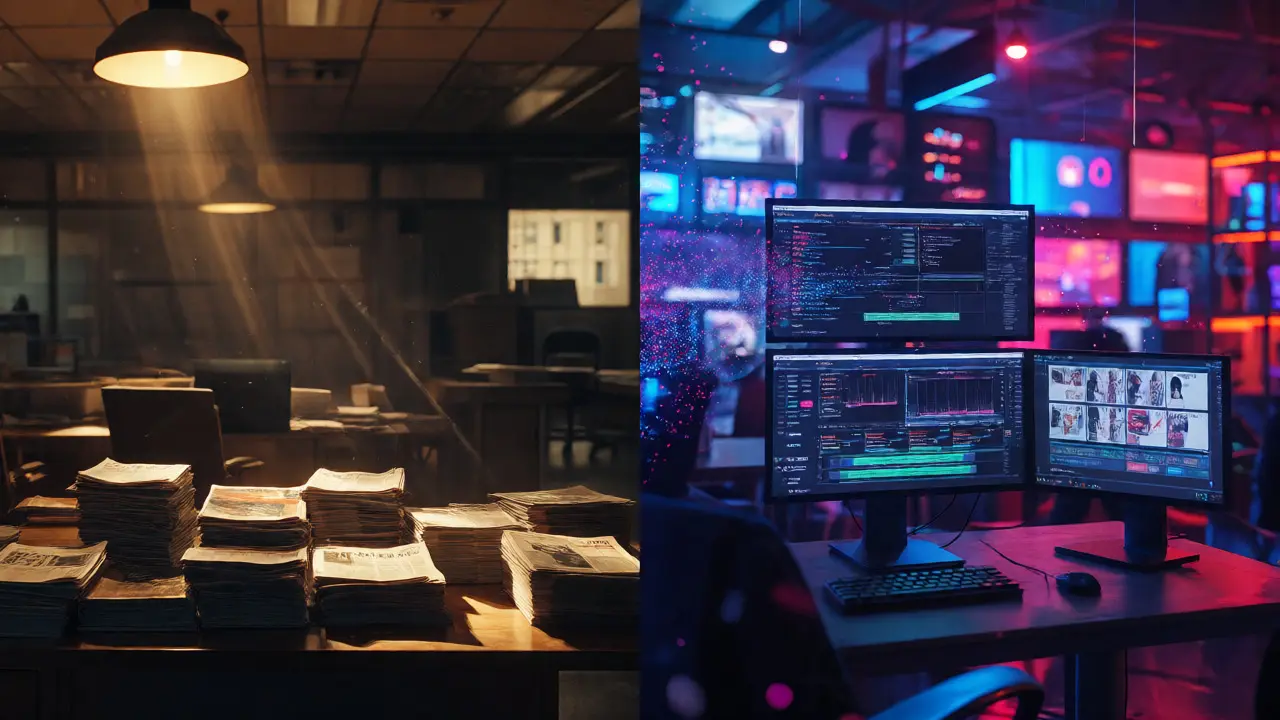
Remember when reading a movie review meant waiting for Sunday’s newspaper or flipping through a glossy magazine? That era is effectively over. Today, the most influential voices shaping what you watch aren’t just sitting in darkened theaters with notepads-they’re recording themselves on webcams, editing rapid-fire video essays, and dropping hot takes into Twitter threads at 2 AM. The landscape of film criticism has shifted from gatekept print columns to a chaotic, vibrant digital ecosystem where anyone with a smartphone can challenge the canon.
This isn’t just about convenience; it’s a fundamental restructuring of how we value art. Traditional critics served as filters, deciding which films deserved attention based on institutional prestige. New digital critics act more like curators and community leaders. They build tribes around specific genres, aesthetics, or political viewpoints. If you’ve ever found yourself trusting a random YouTuber’s recommendation over a major publication’s star rating, you’ve already participated in this shift. But what does this mean for the quality of discourse? Are we getting deeper insights or just louder noise?
The Death of the Gatekeeper and Rise of the Influencer-Critic
For decades, a handful of publications held the keys to cultural relevance. A bad review from a prominent critic could tank a studio’s investment; a rave could launch an indie darling into Oscar contention. This power dynamic created a bottleneck. Films that didn’t fit the traditional mold-foreign language works, experimental animations, or niche horror-often struggled for visibility unless they caught the eye of one of these few tastemakers.
Digital platforms shattered this monopoly. Algorithms now serve content based on engagement rather than editorial board consensus. This democratization means that a teenager analyzing the color theory in a Ghibli film can reach millions without ever speaking to an editor. It also means that financial incentives have changed. Traditional critics were paid by publishers who valued objectivity (or at least the appearance of it). Many modern digital critics monetize through subscriptions, merchandise, or affiliate links, creating a different set of biases. When your livelihood depends on viewer retention, sensationalism often beats nuance.
Consider the rise of Letterboxd, a social network for film lovers that allows users to rate and review movies. Unlike Rotten Tomatoes, which aggregates professional scores, Letterboxd thrives on user-generated content and community interaction. It turns watching a movie into a social activity. Users follow each other, create lists, and write witty micro-reviews. This platform exemplifies the new model: criticism as conversation, not lecture.
Video Essays: The New Literary Form
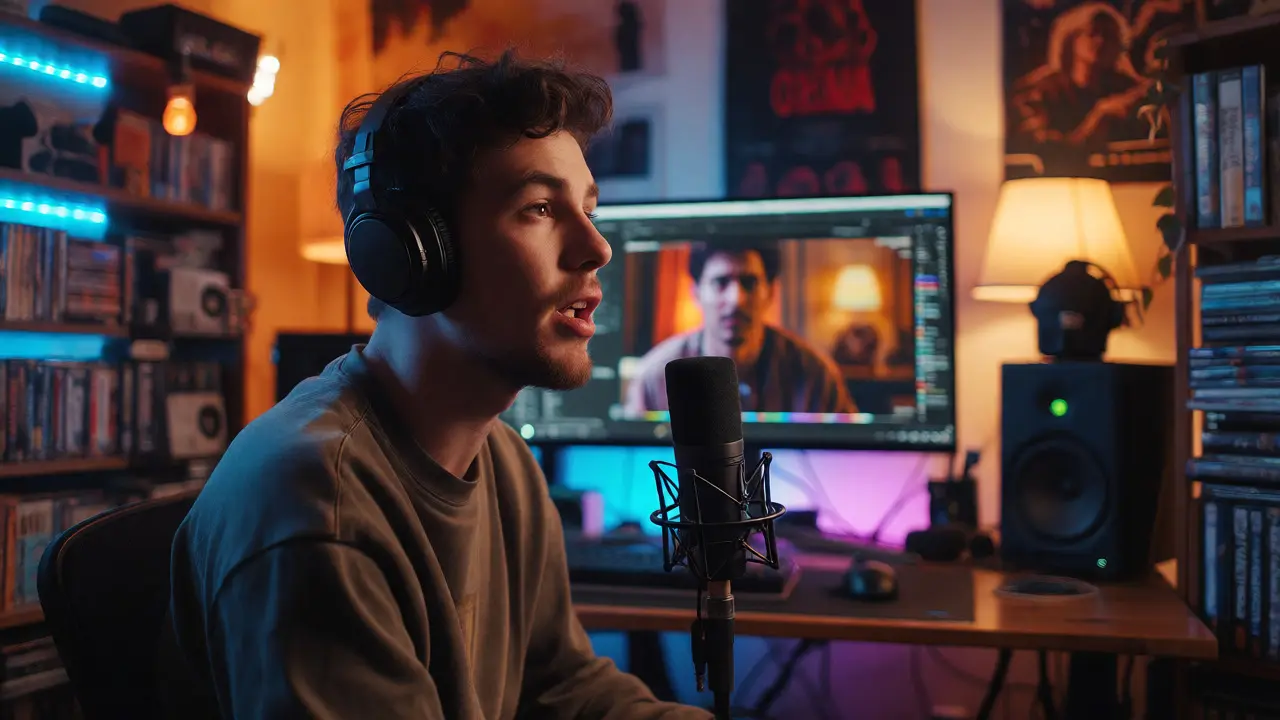
If text-based blogs were the first wave of digital criticism, video essays are the second, and they are far more potent. Creators like Lindsay Ellis, Nerdwriter1, and Lessons from the Screenplay have turned analysis into an art form itself. These aren’t just people talking to cameras; they are multimedia storytellers using clips, music, and graphics to deconstruct narrative structures.
Why do video essays resonate so deeply? Because film is a visual medium, and analyzing it visually makes sense. Reading about lighting techniques is abstract; seeing side-by-side comparisons of Roger Deakins’ cinematography versus a generic blockbuster shot is immediate. These creators spend dozens of hours editing a twenty-minute piece, offering a level of depth that a 500-word column simply cannot match.
| Feature | Traditional Print/Blog | Video Essays/Social Media |
|---|---|---|
| Audience Engagement | Passive reading; limited feedback loop | Active participation via comments, likes, shares |
| Depth of Analysis | High textual density; theoretical focus | Visual demonstration; emotional resonance |
| Speed of Publication | Days to weeks after release | Hours after release or even pre-release hype cycles |
| Monetization Model | Salary or freelance fee | Ad revenue, Patreon, sponsorships, merch |
| Bias Risk | Institutional bias; critical elitism | Algorithmic bias; confirmation bias; clickbait pressure |
However, this format comes with pitfalls. Video essays can become echo chambers. If a creator builds their brand on hating a specific franchise, they may struggle to critique it fairly later. Also, the demand for constant content creation leads to burnout and rushed analysis. Quality suffers when quantity is king.
Social Media: Where Criticism Becomes Performance
Platforms like X (formerly Twitter), TikTok, and Instagram have compressed criticism into soundbites. A single tweet can spark a massive debate about representation in Hollywood. A fifteen-second TikTok clip comparing two directors’ styles can go viral faster than a feature-length article. This brevity forces critics to distill complex ideas into punchy statements, which is both a strength and a weakness.
The strength lies in accessibility. You don’t need a subscription to read a sharp take on Barbie; you just need to scroll. These platforms lower the barrier to entry for diverse voices. Women, people of color, and LGBTQ+ creators, who were historically marginalized in mainstream publications, now have direct access to audiences. They bypass the gatekeepers entirely.
The weakness is polarization. Social media algorithms reward outrage and strong opinions. Nuance gets buried. A nuanced argument about pacing might get ten likes, while a hyperbolic declaration that a movie is "the worst thing ever" gets ten thousand. This encourages performative criticism, where the goal isn’t to understand the film but to signal membership in a particular ideological tribe.
The Impact on Filmmaking and Industry Trends
Filmmakers are paying attention. Studios no longer just track Rotten Tomatoes scores; they monitor sentiment on Reddit and YouTube. If a trailer gets roasted by popular video essayists, studios might re-edit it before wide release. We’ve seen cases where negative buzz from digital critics led to reshoots or marketing pivots.
Moreover, the definition of "success" is changing. A film might flop theatrically but find a massive audience on streaming platforms thanks to word-of-mouth driven by digital critics. Movies like Midsommar or Everything Everywhere All At Once benefited from sustained online discussion long after their theatrical runs ended. Critics became evangelists, keeping titles alive in the cultural conversation for months.
This feedback loop creates a strange incentive structure. Some filmmakers now make movies specifically designed to be dissected by internet culture-dense with Easter eggs, meme-able moments, and ambiguous endings that fuel speculation videos. Is this good for art? Maybe not always. But it undeniably changes what gets made.
Challenges Facing Emerging Critics
Despite the opportunities, breaking into this space is harder than it looks. The market is saturated. Thousands of people start channels or blogs every month. Standing out requires more than just opinion; it requires production value, consistency, and personality. Emerging critics face the "cold start" problem: why should anyone listen to them when established names already dominate the algorithm?
Financial instability is another major hurdle. Unlike staff writers at legacy outlets, most digital critics work gig-economy style. Income fluctuates wildly. One month, a video goes viral and pays the rent; the next, views drop and bills pile up. This precarity discourages risk-taking. Critics may stick to safe, popular topics rather than exploring obscure gems that might not generate clicks.
Additionally, there’s the issue of credentialing. In academia, expertise is validated by degrees and peer-reviewed journals. In the digital sphere, credibility is earned through audience trust, which can be fickle. Misinformation spreads easily. A confident-sounding amateur can debunk facts that experts agree upon, and if they have better editing skills, they win the narrative battle.
The Future of Film Discourse
So, where do we go from here? The hybrid model seems most likely. Traditional publications are adopting digital formats, hiring video producers and social media managers. Meanwhile, successful digital critics are writing books, hosting podcasts, and collaborating with studios. The lines are blurring.
We are moving toward a more participatory culture. Audiences don’t just consume criticism; they co-create it. Comments sections are filled with counter-arguments and additional insights. Polls determine what gets reviewed next. This collective intelligence offers a richer, more multifaceted view of cinema than any single critic could provide alone.
But we must remain vigilant. The speed of digital consumption threatens deep thinking. If we only engage with movies through 60-second clips, we lose the patience required for slow-burn dramas or complex narratives. The role of the critic, then, becomes not just to judge, but to teach us how to look. To remind us that slowing down is worth it.
Key Takeaways
- Democratization: Digital platforms have removed barriers to entry, allowing diverse voices to shape film discourse.
- Format Shift: Video essays and social media posts have replaced long-form articles as primary sources of influence for many viewers.
- Industry Impact: Studios actively monitor online sentiment, adjusting marketing and sometimes even production based on digital critic reactions.
- New Biases: While institutional bias has decreased, algorithmic and economic biases have emerged, favoring sensationalism and popular topics.
- Community Role: Criticism is now a two-way street, with audiences actively participating in the interpretation and valuation of films.
Are traditional film critics still relevant?
Yes, but their role has changed. They are no longer the sole arbiters of taste. Instead, they often provide historical context, industry access, and rigorous theoretical frameworks that complement the more accessible, emotional analyses found online. Many traditional critics have successfully migrated to digital platforms, blending their expertise with new formats.
How do I distinguish between genuine criticism and influencer hype?
Look for evidence. Genuine criticism supports claims with examples from the film-specific scenes, dialogue, or technical choices. Hype relies on adjectives and superlatives without substantiation. Check if the critic acknowledges flaws alongside praise. Also, consider their disclosure policies; transparent sponsorship declarations are a sign of integrity.
Do video essays count as serious film criticism?
Absolutely. Many video essays involve extensive research, scriptwriting, and analytical depth comparable to academic papers. The difference is delivery. Using visuals to demonstrate points can actually enhance understanding of cinematic techniques. However, like any medium, quality varies widely, so discernment is key.
What impact does social media have on movie ratings?
Social media can skew ratings rapidly. Viral movements can drive up scores for beloved franchises or drive them down for controversial releases, regardless of actual quality. This phenomenon, known as "review bombing," highlights the emotional, tribal nature of online engagement compared to the more measured pace of traditional reviewing.
Can emerging critics make a living solely from online reviews?
It is possible but difficult. Most successful digital critics diversify income streams through Patreon memberships, merchandise sales, freelance writing, and occasional paid partnerships. Relying solely on ad revenue from platforms like YouTube is risky due to fluctuating CPM rates and algorithm changes.