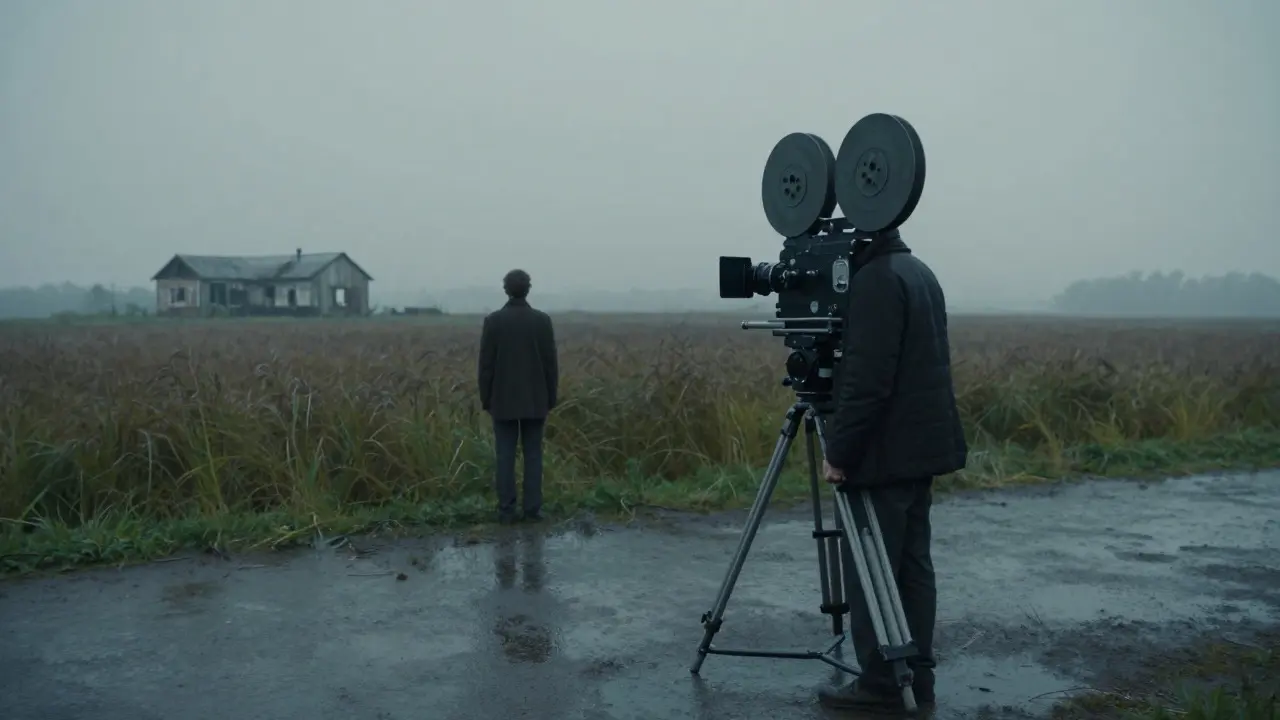
When you think about the greatest movies ever made, who comes to mind? It’s rarely just the actors. It’s the person behind the camera making the tough calls on lighting, pacing, and tone. That’s the director. They are the architects of the visual experience, turning a script into an emotional journey. But how do we measure a career that spans decades? We look at the highs, the lows, and the unique fingerprints they left on the industry.
This isn’t just a list of names. It’s a deep dive into the careers of five icons who changed how we watch films. From the quiet intensity of European art-house to the blockbuster spectacle of Hollywood, these retrospectives show why their work still matters today. Whether you’re a film student or a casual viewer, understanding these careers helps you appreciate the craft behind the curtain.
The Visual Poet: Andrei Tarkovsky
Andrei Tarkovsky is a Soviet filmmaker known for his poetic imagery and philosophical themes. He didn’t make many films-only seven features-but each one felt like a meditation. His approach was slow, deliberate, and often uncomfortable. If you’ve ever felt lost in a long take that doesn’t cut away, you’ve likely seen a Tarkovsky film.
Tarkovsky’s career highlights include Ivan’s Childhood (1962) and Solaris (1972). In Solaris, he explored memory and grief through science fiction, proving that sci-fi could be deeply human. His use of natural light and long takes became a signature style that influenced generations of filmmakers. Critics often compare his work to painting, noting how every frame is composed with precision. His legacy isn’t just in awards; it’s in the way modern directors handle silence and space.
The American Epicenter: Steven Spielberg
Steven Spielberg is an American film director and producer famous for blockbusters and emotional storytelling. Spielberg arrived in the late 1970s and immediately reshaped the box office. With Jaws (1975), he helped create the summer blockbuster model. Then, Raiders of the Lost Ark (1981) set the standard for adventure films. But his genius lies in balancing spectacle with heart.
His career arc shows a director who never stopped evolving. From the childhood wonder of E.T. the Extra-Terrestrial (1982) to the historical weight of Schindler’s List (1993), he proved he could tackle any genre. Schindler’s List remains a landmark in cinematic history, not just for its subject matter but for its black-and-white cinematography and musical score. Spielberg’s ability to connect with audiences emotionally is unmatched. He understands that even the biggest explosions need a human face to anchor them.
The Master of Style: Martin Scorsese
Martin Scorsese is an American film director known for energetic editing, jazz scores, and crime dramas. Scorsese’s career is a marathon of reinvention. He started in New York independent circles with Mean Streets (1973), capturing the gritty reality of street life. Then came Taxi Driver (1976), a film that defined the psychological thriller genre. The shaky cam and rapid cuts in these early works were revolutionary at the time.
As he moved into the 1990s and 2000s, Scorsese broadened his scope. Goodfellas (1990) redefined the gangster movie with its non-linear narrative and energy. Later, The Departed (2006) showed his command of tension and pacing. Recently, Killers of the Flower Moon (2023) demonstrated his ability to handle epic historical narratives. His partnership with editor Thelma Schoonmaker is crucial here; their rhythmic editing creates a sense of urgency that keeps viewers on edge. Scorsese proves that style isn’t just decoration-it’s a tool for storytelling.
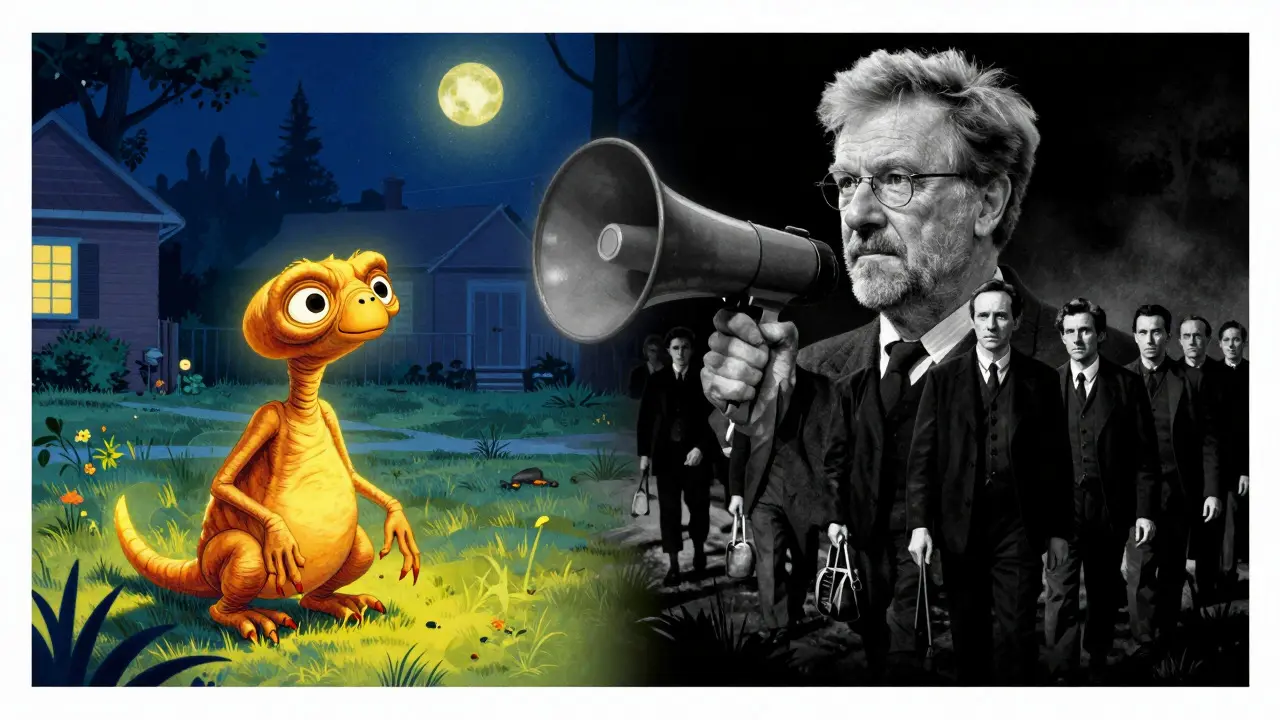
The Auteur of Emotion: Christopher Nolan
Christopher Nolan is a British-American director known for complex narratives, practical effects, and IMAX cinematography. Nolan burst onto the scene with Memento (2000), telling a story in reverse order. This wasn’t just a gimmick; it forced the audience to experience confusion alongside the protagonist. His next major hit, Inception (2010), layered dreams within dreams, challenging viewers to keep track of multiple timelines.
Nolan’s career is defined by his commitment to practical effects and large-format filming. He prefers shooting on IMAX cameras when possible, giving his films a scale that digital formats can’t always match. Interstellar (2014) combined hard science with emotional drama, while Dunkirk (2017) used sound design and non-linear structure to build tension without traditional dialogue. His work appeals to both critics and general audiences, a rare feat in modern cinema. He represents the new wave of directors who treat the theater experience as essential to the story.
The Global Voice: Hayao Miyazaki
Hayao Miyazaki is a Japanese animator and co-founder of Studio Ghibli, known for hand-drawn animation and environmental themes. While Western directors dominate this list, Miyazaki offers a different perspective. His films, such as Spirited Away (2001) and My Neighbor Totoro (1988), blend fantasy with realistic emotions. Unlike many animated films aimed solely at children, his work resonates with adults too, exploring themes of loss, nature, and identity.
Miyazaki’s career has spanned over four decades, yet he has remained fiercely independent in his artistic vision. He often writes, directs, and animates key sequences himself, ensuring control over the final product. His films won international acclaim, including the first Academy Award for Best Animated Feature for Spirited Away. His influence extends beyond animation, inspiring live-action directors to focus on visual detail and character depth. He reminds us that animation is a serious art form capable of profound storytelling.

Comparing Their Legacies
How do these directors stack up against each other? It’s not about ranking them from best to worst. It’s about understanding their different contributions to cinema. Each one solved specific problems in filmmaking, whether it was pacing, emotion, or visual style.
| Director | Signature Style | Key Film Example | Primary Influence |
|---|---|---|---|
| Andrei Tarkovsky | Long takes, poetic imagery | Solaris | Philosophical depth |
| Steven Spielberg | Emotional clarity, spectacle | Schindler’s List | Audience connection |
| Martin Scorsese | Dynamic editing, jazz scores | Goodfellas | Pacing and energy |
| Christopher Nolan | Non-linear structure, IMAX | Inception | Complexity and scale |
| Hayao Miyazaki | Hand-drawn animation, nature themes | Spirited Away | Visual detail and empathy |
Notice how their influences differ. Tarkovsky taught us to sit with discomfort. Spielberg taught us that big ideas need simple hearts. Scorsese taught us that rhythm drives narrative. Nolan taught us that structure can be a puzzle. And Miyazaki taught us that beauty lies in observation. Together, they cover the full spectrum of what cinema can be.
What Makes a Career Legendary?
It’s not just about box office numbers or Oscar wins. A legendary career requires consistency of vision. These directors stuck to their strengths while adapting to new technologies and cultural shifts. Tarkovsky worked with limited resources but found meaning in simplicity. Spielberg embraced new special effects but kept the human element central. Scorsese experimented with color and music to enhance mood. Nolan pushed technical boundaries to serve the story. Miyazaki resisted computer-generated imagery to maintain a handcrafted feel.
They also built teams around them. Great directors aren’t alone; they rely on cinematographers, editors, and composers who share their vision. For example, Hans Zimmer’s scores elevate Nolan’s films, while Ennio Morricone’s music defines many of Scorsese’s classics. The relationship between director and collaborator is often as important as the director’s own skill.
Frequently Asked Questions
Who is considered the greatest director of all time?
There is no single answer, as greatness depends on criteria like influence, box office success, or critical acclaim. However, names like Alfred Hitchcock, Akira Kurosawa, and the five listed above are frequently cited in discussions about the top tier of filmmaking history.
What makes a director's style unique?
A director's style is defined by their consistent choices in camera movement, editing pace, color grading, and thematic focus. For instance, Wes Anderson is known for symmetrical framing, while Michael Bay favors fast cuts and high contrast. These choices become recognizable signatures that audiences associate with the director.
How did technology change directing?
Digital cameras allowed for more flexibility in lighting and location. Non-linear editing software gave directors greater control over pacing during post-production. Virtual production, like LED volume stages, now allows for real-time background changes. These tools have expanded the creative possibilities for directors like Christopher Nolan, who still balances digital tools with practical effects.
Why is editing so important in a director's career?
Editing determines the rhythm and flow of a film. A director's choice of shot length and transition style directly impacts how the audience feels. Directors like Martin Scorsese work closely with editors to create a sense of urgency, while others like Andrei Tarkovsky use minimal cuts to encourage contemplation. The edit room is where the final story is truly shaped.
Can a director succeed without a famous name?
Yes, many talented directors work in genres or regions that don't receive mainstream attention. Success can be measured by critical respect, festival awards, or dedicated fan bases rather than global box office receipts. Independent cinema thrives on directors who prioritize artistic expression over commercial appeal, contributing significantly to the diversity of global cinema.