
Walk into the main lobby of a major festival like Sundance or Tribeca during its peak days, and you’ll see a specific type of energy. It’s not just the buzz of premieres; it’s the frantic, high-stakes negotiation happening in coffee shops, hotel lobbies, and quiet corners of screening rooms. At the center of this chaos are Talent Agents is professionals who represent actors, directors, writers, and producers to secure deals and manage careers. While audiences focus on the films, agents focus on the people behind them. Their role isn't just about booking roles; it's about positioning talent for long-term career growth in an industry that moves faster than anyone else.
Many people assume agents only work with A-list stars. In reality, their job at festivals is often about discovery. They are scouting for the next breakout star, the visionary director, or the writer whose script just got optioned by a major studio. If you are an emerging filmmaker or actor, understanding how these professionals operate can be the difference between getting noticed and being overlooked. This guide breaks down exactly what they do, how they choose whom to meet, and how you can make your presence count when they are looking for the next big thing.
The Core Function: More Than Just Booking Roles
At its core, a talent agent acts as a bridge between creative talent and production companies. However, at a film festival, this function shifts from transactional to strategic. An agent isn't just trying to fill a slot in a movie; they are building a brand for their client. When an agent attends a festival, they are evaluating three key things: marketability, timing, and fit.
- Marketability: Does this actor have the range to handle diverse roles? Is this director’s style commercially viable yet artistically distinct?
- Timing: Is this the right moment to push this project? Sometimes waiting a year means better distribution deals.
- Fit: Does this new project align with the client’s long-term career trajectory?
For example, if an agent represents a character actor known for gritty dramas, they might skip a romantic comedy premiere unless it offers a significant pay day or awards recognition. Instead, they will prioritize meetings with independent producers working on prestige television series. This strategic filtering saves time and ensures that every meeting has a clear purpose.
Who Actually Attends? The Hierarchy of Representation
Not all agents are created equal, and knowing who is in the room helps you understand the weight of their attention. The landscape is divided into several tiers, each with different goals and resources.
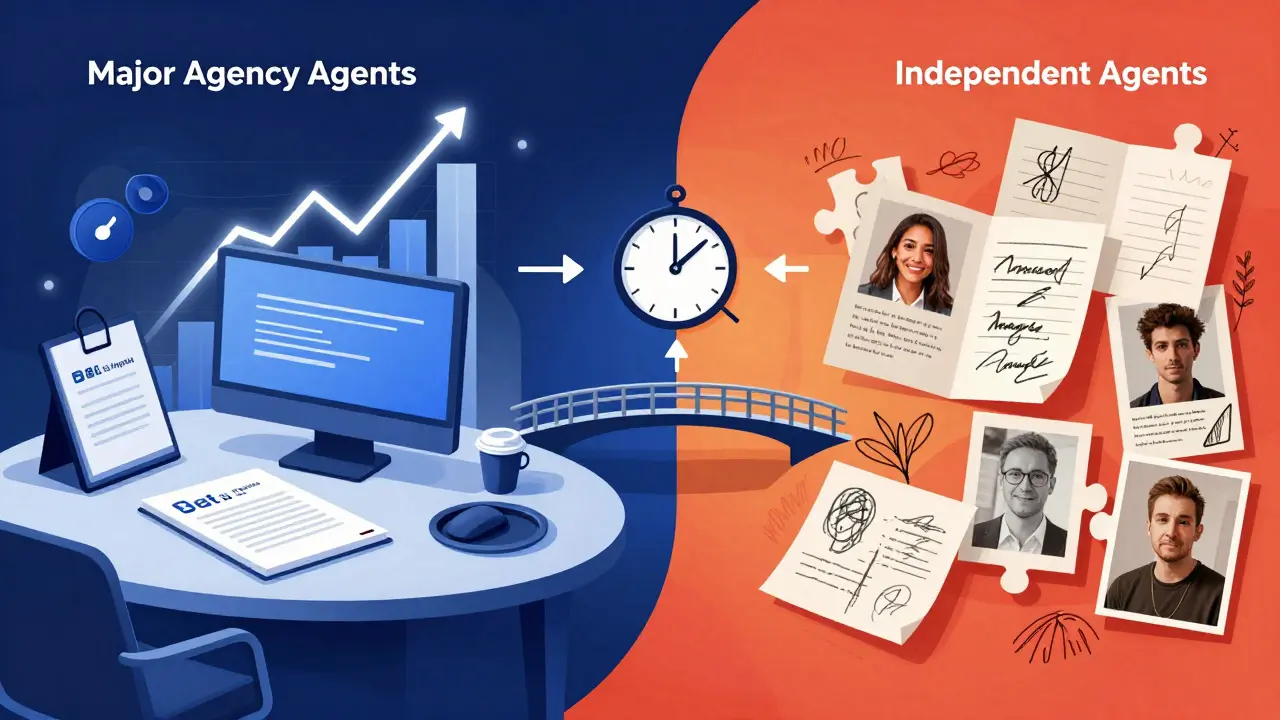
| Role | Primary Focus | Festival Activity |
|---|---|---|
| Major Agency Agent | A-list Actors, High-Profile Directors | Negotiating multi-picture deals, securing exclusive representation |
| Independent Agent | Emerging Talent, Mid-Level Projects | Scouting raw talent, negotiating first-time feature deals |
| Manager | Career Strategy, Day-to-Day Guidance | Accompanying clients, providing real-time advice on offers |
| Casting Director | Specific Project Needs | Holding open calls, reviewing headshots, immediate casting decisions |
It is crucial to distinguish between an agent and a manager. An agent is licensed to negotiate contracts and commissions fees (typically 10% for acting, 15% for writing/directing). A manager does not negotiate contracts but provides holistic career advice. Often, you will see both working together. The manager handles the strategy, while the agent executes the deal. If you are approaching someone at a festival, check their business card. If it says "Agency," they are ready to talk numbers. If it says "Management," they are ready to talk vision.
The Festival Circuit: Where Deals Are Made
Different festivals serve different purposes for talent representation. Understanding which festival attracts which type of agent helps you target your efforts effectively.
Sundance Film Festival is a premier showcase for independent American cinema held annually in Park City, Utah. It is the hottest spot for dramatic features and limited-release strategies. Agents here are looking for award contenders and projects that can translate to critical acclaim. If your film is a serious drama, this is where you want to be seen.
In contrast, Tribeca Festival is a New York-based film festival known for showcasing diverse voices and contemporary stories. It attracts agents interested in urban narratives, social issues, and projects with strong local connections. The vibe is slightly less formal than Sundance, making it easier for emerging talents to approach representatives directly.
Then there is South by Southwest (SXSW), which combines film, music, and technology in Austin, Texas. This is the hub for genre films, comedies, and tech-driven storytelling. Agents here are often looking for crossover appeal-projects that can attract younger demographics and digital audiences. If you are in horror, sci-fi, or comedy, SXSW is your primary target.
How Agents Scout: The Unspoken Rules
You might think agents spend most of their time in screening rooms watching films. While they do watch premieres, their actual scouting happens in the margins. Here is how they typically operate:
- The Pre-Festival Briefing: Before arriving, agents review the official selection list. They mark 3-5 films per day that they must see. These are usually films featuring their existing clients or highly recommended projects from trusted peers.
- The Industry Events: Panels, Q&As, and after-parties are prime hunting grounds. Agents listen to how filmmakers speak about their work. Confidence, clarity, and passion are red flags for potential reliability.
- The Headshot Review: For actors, agents often carry digital portfolios or use apps to scan faces. If they see a compelling look that fits a current project, they will ask for a business card immediately.
- The Referral Chain: Most new relationships start with a referral. If a producer tells an agent, "You need to meet this writer," the agent will show up. Cold approaches are rare and often ineffective unless you have a unique hook.
Notice that the process is heavily reliant on trust and pre-existing networks. This is why preparing before the festival is just as important as what you do during it.
How to Make Your Mark: Practical Tips for Emerging Talent
If you are an actor, writer, or director hoping to catch an agent's eye, you need to be proactive but professional. Here are concrete steps to increase your visibility.
1. Prepare a One-Sheet. A one-sheet is a single-page document summarizing your key credits, bio, and contact info. Keep it clean, modern, and error-free. For actors, include high-quality headshots. For writers, list your produced work and any sales history. Agents appreciate brevity. If they can’t understand your value in 10 seconds, you’ve lost them.
2. Target Specific Individuals. Don’t just wander around hoping to bump into someone. Research which agencies represent the types of projects you work on. Use LinkedIn or industry directories to find specific agents who specialize in your genre. Send a brief, personalized email before the festival starts. Subject line: "[Your Name] - [Genre] Feature Screening at [Festival Name]." Keep the body under 100 words. Attach your one-sheet.
3. Master the Elevator Pitch. You have 30 seconds to explain your project or yourself. Avoid jargon. Be specific. Instead of saying "It's a psychological thriller," say "It's a story about a detective who discovers his memories are being edited by a corporate entity." Specificity creates curiosity.
4. Follow Up Immediately. If you meet an agent, send a thank-you note within 24 hours. Reference something specific you discussed. This shows you were listening and are professional. Many deals fall through simply because no one followed up.

Common Mistakes That Kill Momentum
Even talented creators fail to land representation because of simple errors. Avoid these pitfalls:
- Overpromising: Telling an agent your film is "the next Parasite" when it’s a low-budget indie can backfire. Be honest about your scope and ambitions.
- Ignoring Time Zones: If you’re emailing an agent in Los Angeles while you’re in New York, check the time. A 9 AM email in NY is a 6 AM email in LA. Aim for mid-morning local time for the recipient.
- Being Unavailable: If you book a meeting, be on time. If you’re running late, call. Agents respect punctuality because it reflects how you’ll treat future deadlines.
- Chasing the Wrong People: Sending a horror script to an agent who specializes in romantic comedies wastes everyone’s time. Do your homework on their portfolio.
The Digital Shift: How Technology Changed the Game
In the past, agents relied entirely on physical presence. Today, digital tools have expanded their reach. Platforms like IMDbPro allow agents to track attendance and credits instantly. Virtual screenings during global disruptions proved that deals could be made remotely, but face-to-face interaction remains king for building trust. Still, having a strong online presence matters. If an agent looks up your name on your phone after a quick chat, they should find consistent, professional information across your social media, website, and press kit. Discrepancies can raise red flags about professionalism.
Additionally, data analytics now play a role. Agents use audience engagement metrics from streaming platforms to gauge interest in certain genres or demographics. If your film has high completion rates on early test screenings, mention that. Data points add credibility to your pitch.
Building Long-Term Relationships, Not Just Transactions
Finally, remember that an agent-client relationship is a partnership. It’s not just about landing one role or one sale. It’s about navigating the ups and downs of the industry together. An agent who believes in your long-term potential will invest time in mentoring you, even if it doesn’t yield immediate financial returns. Show them that you are coachable, reliable, and passionate. These human qualities often matter more than raw talent in the initial stages of representation.
Film festivals are intense, fast-paced environments. But for those who understand the mechanics of how talent agents operate, they offer unparalleled opportunities. By preparing thoroughly, targeting the right people, and communicating clearly, you position yourself not just as a participant, but as a serious contender in the industry.
Do I need an agent to get my film distributed?
Not necessarily. Many independent films are distributed directly by producers or small distributors. However, an agent can help negotiate better terms, access larger studios, and leverage their network to secure premium slots. For high-budget or wide-release projects, an agent is almost essential.
What is the difference between a literary agent and a talent agent?
A literary agent specifically represents writers and sells scripts or books. A talent agent represents performers (actors) and sometimes directors/producers. While there is overlap, a literary agent focuses on the intellectual property, while a talent agent focuses on the person performing or directing it. Many large agencies have separate divisions for each.
How much do talent agents charge?
In the United States, talent agents are regulated by state laws (like California) and typically charge a commission of 10% for acting roles and 15% for writing/directing/producing deals. There are usually no upfront fees. If an agent asks for a fee to join their roster, be cautious-it may be a sign of a less reputable operation.
Can I approach an agent cold at a festival?
Yes, but it’s harder. Cold approaches work best if you have a strong, unique project or a compelling personal story. Have your one-sheet ready and keep your pitch short. However, warm introductions via email or mutual contacts are significantly more effective. Always respect their time and space.
Which festival is best for first-time filmmakers?
Sundance and Tribeca are competitive but offer the highest visibility. SXSW is also excellent for genre films. Smaller festivals like Slamdance or Fantastic Fest can be good entry points because they are less crowded, allowing for more direct interaction with industry professionals. Choose based on your film’s genre and scale.





Comments(10)