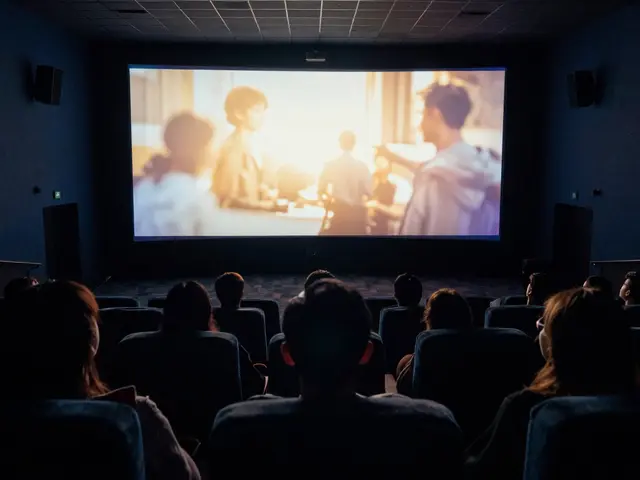
Ever wonder why Netflix knows you want a quiet thriller at 2 AM?
It’s not magic. It’s math. Specifically, it’s a complex web of algorithms that process billions of data points to predict what you will watch next. These systems don't just guess; they calculate probability based on your history, the time of day, and even how long you paused a specific scene. Understanding this machinery reveals how modern media consumption is shaped by invisible code rather than human curation.
The Core Engines: Collaborative vs. Content-Based Filtering
At the heart of every major platform like Spotify, Amazon Prime Video, or Disney+ are two distinct types of logic working in tandem. They solve different problems and have different blind spots.
Collaborative Filtering is the "people like you" engine. It doesn't care about the plot of a movie. It cares about behavior. If User A watched *The Godfather* and then *Pulp Fiction*, and User B watched *The Godfather*, the algorithm assumes User B might like *Pulp Fiction*. This method excels at finding hidden gems because it relies on patterns across millions of users. However, it struggles with new releases. If no one has watched a brand-new indie film yet, collaborative filtering has no data to work with. It’s a popularity echo chamber.
Content-Based Filtering is the "similar to what you liked" engine. Here, the algorithm breaks down the actual attributes of the film. It looks at genre, director, cast, color palette, and even audio frequency. If you love Christopher Nolan films, it tags those movies with keywords like "non-linear narrative," "high contrast lighting," and "sci-fi." When a new Nolan film drops, the system immediately pushes it to your queue because the metadata matches your preference profile. This method works instantly for new content but can trap you in a loop of similar titles, lacking the surprise factor of collaborative methods.
| Feature | Collaborative Filtering | Content-Based Filtering |
|---|---|---|
| Data Source | User behavior (clicks, watches) | Item metadata (genre, cast, tags) |
| Cold Start Problem | High (needs user history) | Low (works with immediate metadata) |
| Discovery Capability | High (finds unexpected hits) | Moderate (stays within preference bubble) |
| Scalability | Challenging (computational cost) | Easy (linear scaling) |
| Best For | Personalized serendipity | New releases & niche interests |
The Hybrid Approach: Blending Logic for Accuracy
In practice, no major streamer uses just one method. They use a hybrid model. Netflix, for instance, uses a weighted combination where collaborative signals dominate for established users, while content-based signals kick in for new subscribers or new titles. The goal is to balance accuracy (predicting what you *will* watch) with diversity (showing you what you *might* like).
This blending happens through a technique called matrix factorization. Imagine a giant grid where rows are users and columns are movies. Most cells are empty because you haven't seen most films. The algorithm tries to fill in the missing numbers by finding patterns in the rows and columns. It identifies latent factors-hidden variables like "preference for dark humor" or "tolerance for slow pacing"-that explain why certain users rate certain movies highly. By calculating these latent vectors, the system can predict scores for unseen films with startling precision.

Real-Time Signals: Beyond the Watch History
Your watch history is static until you interact with the platform again. But algorithms also track real-time behavioral signals. These micro-interactions provide immediate feedback loops.
- Completion Rate: Did you finish the movie? Or did you quit at 40%? Quitting early is a strong negative signal.
- Re-watches: Watching a film twice in a week is a massive positive indicator of high engagement.
- Pause Frequency: Frequent pauses might indicate confusion or boredom, depending on the context.
- Time of Day: You might prefer comedies on Friday nights but documentaries on Sunday mornings. The algorithm adjusts its weighting based on the current timestamp.
- Device Type: Do you watch more on mobile during commutes? Shorter content gets prioritized on smaller screens.
These signals feed into a ranking function that assigns a score to every available title in your library. The top-scoring titles appear in your "Top Picks" row. It’s a dynamic auction where every piece of data bids for screen real estate.
The Role of Artificial Intelligence and Deep Learning
Traditional statistical models had limits. Enter deep learning. Modern platforms use neural networks to analyze unstructured data. This includes analyzing the actual video frames and audio tracks of films.
For example, a computer vision model can identify that a film features "rainy scenes" or "neon lighting." If you tend to watch films with moody atmospheres, the algorithm tags new releases with similar visual profiles. Similarly, natural language processing (NLP) analyzes subtitles and transcripts to detect tone. Is the dialogue fast-paced and witty? Or slow and philosophical? These granular details allow the recommendation engine to move beyond broad genres like "Action" or "Romance" into nuanced aesthetic preferences.
This technology powers features like Hulu's personalized thumbnails. Instead of showing the same poster for *The Office* to everyone, it shows a thumbnail featuring the character you watched most often. This isn't just a cosmetic trick; it increases click-through rates by leveraging familiarity and emotional connection.
Challenges: Bias, Echo Chambers, and Cold Starts
Despite their sophistication, streaming algorithms aren't perfect. They suffer from inherent biases.
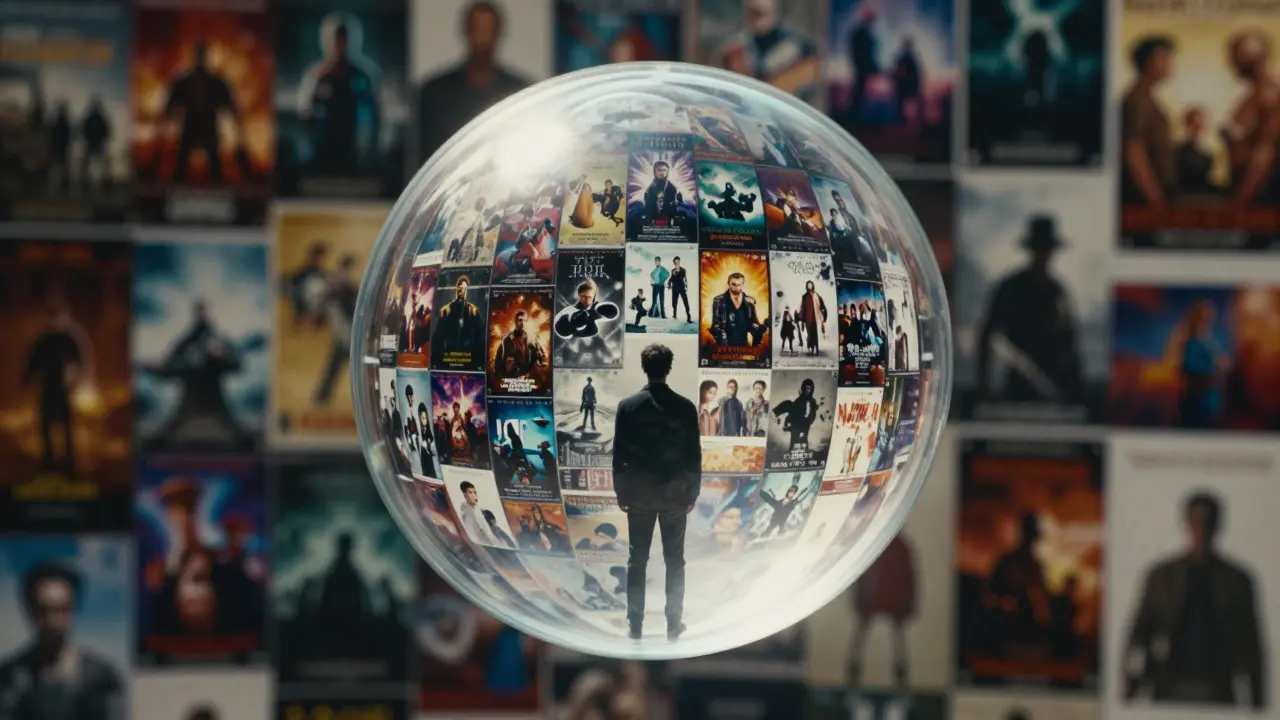
Echo Chambers: Because algorithms prioritize accuracy, they tend to recommend safe bets. If you only watch sci-fi, you rarely see historical dramas. This narrows your cultural exposure over time. Cold Start Problem: New users have no history. New films have no ratings. How does the system bridge this gap? Platforms often rely on popular trends or curated collections to bootstrap new accounts. This means new subscribers often see generic, mass-appeal content until enough data accumulates. Popularity Bias: Algorithms favor already-popular content because it has more data points. Niche films struggle to gain traction unless they find a very specific, engaged audience cluster. To combat this, some platforms introduce an "exploration" factor. They randomly insert a small percentage of low-probability recommendations into your feed. If you click on it, the weight of that category increases. If you ignore it, the weight decreases. It’s a controlled experiment running constantly in the background of your viewing experience.
Frequently Asked Questions
Do streaming algorithms know what I'm feeling?
Not directly, but they infer mood from behavior. If you watch sad films after a breakup, the algorithm associates your recent activity with melancholy themes. It doesn't read your mind, but it reads your patterns. Over time, these patterns create a proxy for emotional state.
Why do I get recommended movies I've already seen?
This usually happens due to metadata overlap. If you rewatched a classic, the system might flag similar titles as "new" if they share key attributes like director or cast. It's a limitation of content-based filtering when combined with sparse watch histories.
Can I hack my streaming recommendations?
Yes. Create a separate profile for a friend who likes different genres. Watch three or four of their favorite films on that profile. The algorithm will quickly adapt to that persona. Switching profiles allows you to access different recommendation pools without polluting your main history.
Is the recommendation system the same for all platforms?
No. While the core principles of collaborative and content-based filtering are universal, each company weights them differently. Netflix leans heavily on machine learning for visual analysis, while Amazon Prime Video integrates e-commerce data, potentially recommending films based on products you've bought.
How much data does a streaming service collect per user?
Enormous amounts. Every play, pause, seek, and exit event is logged. Additionally, device type, internet speed, and time zone are recorded. For heavy users, this can amount to thousands of data points per month, creating a highly detailed behavioral fingerprint.