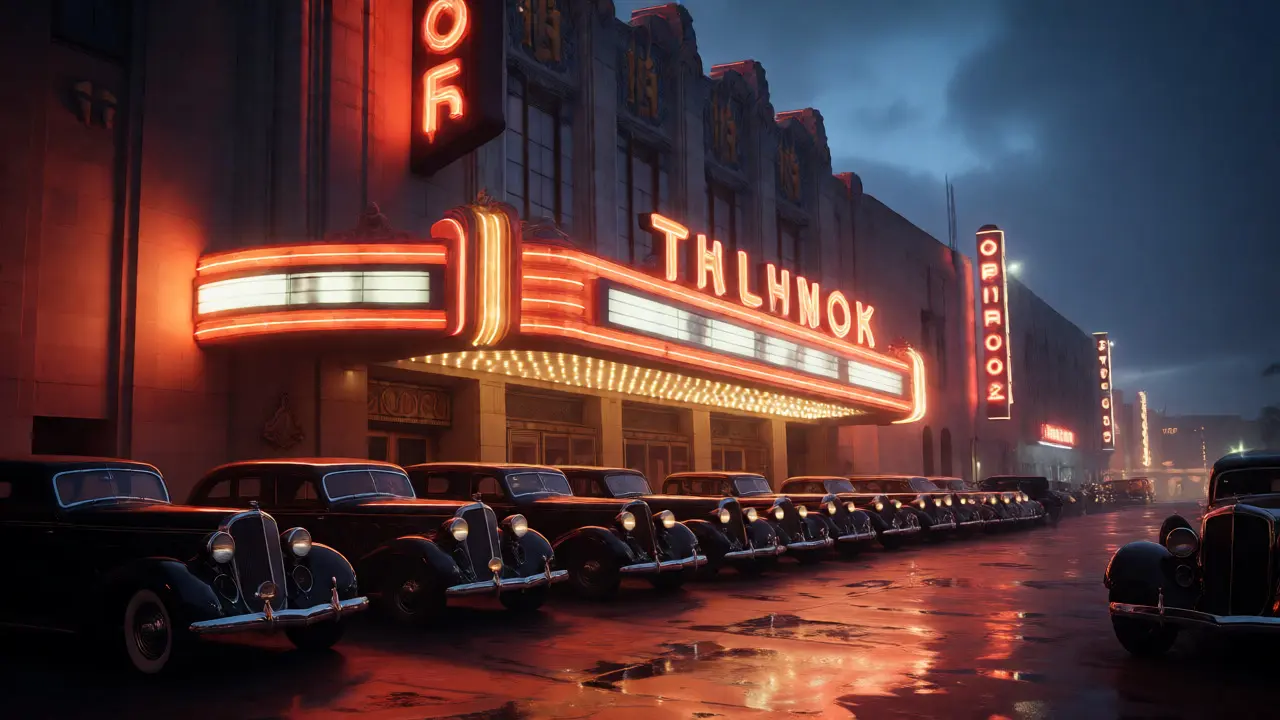
Imagine a world where the same five companies controlled everything from who you saw on screen to how many times you could watch it. No streaming queues, no algorithmic recommendations, just a rigid, glamorous machine that churned out roughly 400 films a year at its peak in the 1930s. This was the Golden Age of Hollywood, a period spanning roughly from the late 1920s to the early 1960s that defined modern storytelling as we know it. It wasn't just about black-and-white pictures; it was an era of industrial precision, star power, and technological leaps that still influence every movie you stream today.
If you're trying to understand why certain movies feel timeless while others age poorly, you have to look at the constraints these filmmakers worked under. They didn't have CGI or handheld cameras. They had budgets, censorship codes, and contract players who couldn't leave their studios without permission. Yet, within those tight boundaries, they created some of the most enduring art forms in history. This guide breaks down exactly what made this era tick, who ran it, and why you should care about films made before your grandparents were born.
The Studio System: The Machine Behind the Magic
You can't talk about classic cinema without talking about the Studio System. Think of it less like a collection of independent artists and more like an assembly line for dreams. Major studios like MGM, Warner Bros., Paramount, Fox, and RKO owned their own theaters, production facilities, and talent pools. If an actor signed with MGM, they belonged to MGM. Period. The studio decided their roles, their public image, and even their personal lives.
This vertical integration meant efficiency was king. Directors weren't always auteurs; often, they were hired hands executing a house style. For instance, if you watched a screwball comedy from Columbia Pictures, it felt different from one made by Universal. Why? Because each studio cultivated a specific brand identity. MGM was known for polish and glamour ("More Stars Than There Are in Heaven"). Warner Bros. leaned into gritty social realism and gangster flicks. Understanding these house styles helps you spot the DNA of a film instantly.
The system also relied heavily on the producer, not the director. In today's industry, we obsess over directors like Christopher Nolan or Greta Gerwig. Back then, producers like Irving Thalberg or Darryl F. Zanuck held the real power. They greenlit projects, managed budgets, and ensured the final cut fit the studio's vision. This centralized control allowed for massive output but sometimes stifled individual creative voices. However, it also guaranteed a baseline of technical quality that smaller productions couldn't match.
The Production Code: Censorship That Sparked Creativity
From 1934 to 1968, American films had to adhere to the Motion Picture Production Code, commonly known as the Hays Code. Named after Will H. Hays, the head of the Motion Picture Producers and Distributors of America, this set of moral guidelines dictated what could be shown on screen. Violence couldn't triumph over virtue. Sex outside marriage was forbidden. Nudity was non-existent. Even the way criminals were portrayed mattered-they usually had to be punished.
At first glance, this seems like a death knell for creativity. But here's the twist: restrictions breed ingenuity. Since filmmakers couldn't show explicit content, they had to imply it. Dialogue became witty, layered, and double-edged. Hitchcock mastered this in films like *Notorious*, where a kiss lasts so long because the code forbade touching lips for more than three seconds. Audiences learned to read between the lines, making them active participants in decoding the story rather than passive observers.
- Rule: Crime must never pay. Result: Complex anti-heroes emerged, forcing writers to create morally ambiguous characters who suffered consequences off-screen or through fate.
- Rule: No profanity. Result: Dialogue sharpened. Slang evolved rapidly as actors found new ways to express frustration or affection without breaking the rules.
- Rule: Respect for institutions. Result: Satire became subtle. Films critiqued society through character dynamics rather than direct political statements.
The end of the Code came gradually. By the late 1950s, social changes and competition from television pushed studios to test boundaries. When *Who's Afraid of Virginia Woolf?* (1966) broke taboos with its raw language, the dam cracked. The rating system replaced the Code in 1968, freeing filmmakers but also removing the unified aesthetic that defined the Golden Age.
Tech Leaps: Technicolor and Sound Revolutionize Storytelling
The Golden Age coincided with two massive technological shifts: synchronized sound and color film. Before 1927, movies were silent. Then came *The Jazz Singer*, and suddenly, dialogue drove the narrative. This transition wasn't smooth. Many silent stars failed because their voices didn't match audience expectations. But it opened doors for musicals, comedies, and dramatic performances that relied on vocal nuance.
Then there was Technicolor. Early color processes were expensive and required intense lighting, which limited camera movement. Three-strip Technicolor, introduced in the 1930s, produced vibrant, saturated hues that looked almost surreal compared to natural life. Studios used it strategically. You'd see it in big spectacles like *The Wizard of Oz* (1939) or *Gone with the Wind* (1939). Black-and-white remained standard for dramas and noirs because it was cheaper and offered better contrast for shadow play.
Don't mistake black-and-white for a lack of technology. Cinematographers like Gregg Toland (*Citizen Kane*) used deep focus lenses to keep both foreground and background sharp, allowing complex staging within a single shot. This technique influenced generations of filmmakers. Meanwhile, sound design evolved from simple dialogue recording to sophisticated mixing, creating immersive audio environments that heightened tension and emotion.
Genre Evolution: Noir, Musicals, and Epics
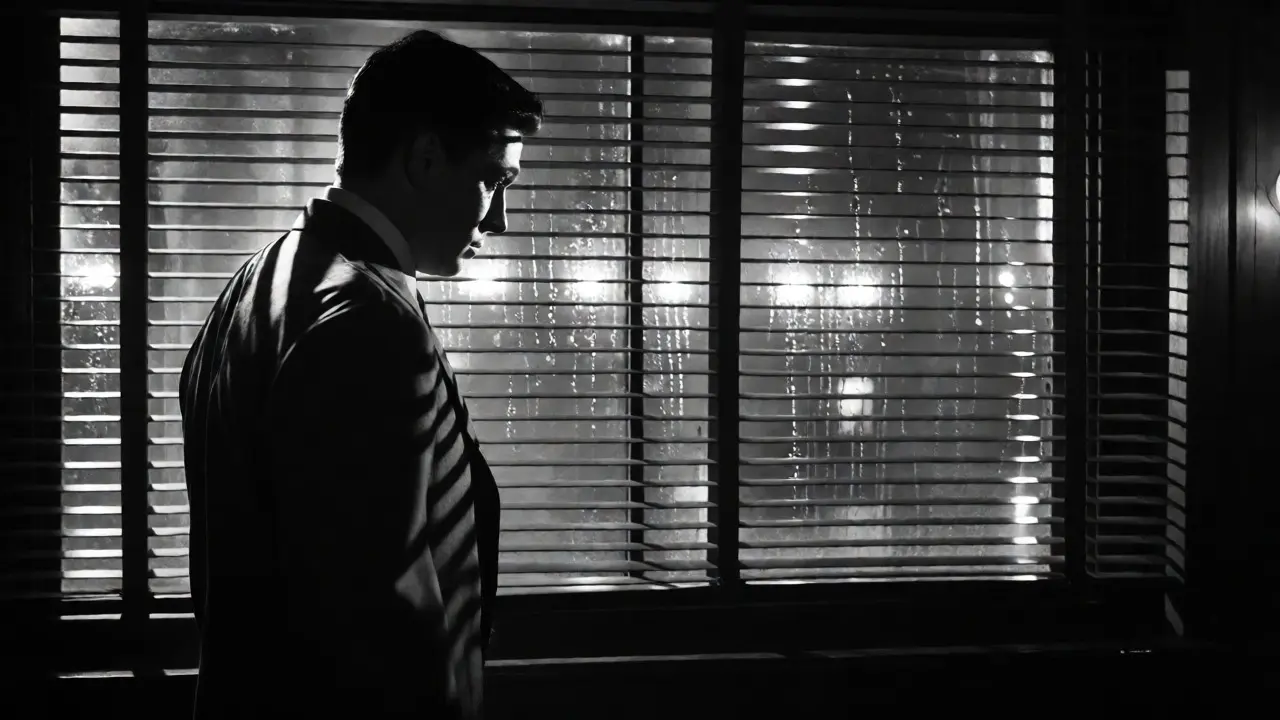
The Golden Age gave birth to distinct genres that still dominate today. Take Film Noir. Born partly from German Expressionist influences and post-war anxiety, noir featured cynical detectives, femme fatales, and high-contrast lighting. It wasn't a genre studios marketed initially; critics labeled it later. Films like *Double Indemnity* (1944) showcased moral decay beneath glossy surfaces. The visual style-shadows slicing across faces, rain-slicked streets-became iconic shorthand for danger and ambiguity.
Musicals represented the opposite extreme: pure escapism. With stars like Fred Astaire, Ginger Rogers, and Gene Kelly, these films choreographed movement to perfection. *Singin' in the Rain* (1952) isn't just a movie; it's a masterclass in rhythm and joy. These productions justified the studio system's massive resources, requiring orchestras, dance troupes, and elaborate sets.
Epic historical dramas served another purpose: prestige. *Ben-Hur* (1959) and *Lawrence of Arabia* (1962) drew audiences away from TV screens with sweeping vistas and widescreen formats like CinemaScope. These films proved that cinema could offer experiences television couldn't replicate physically or emotionally.
| Genre | Defining Characteristics | Iconic Examples | Studio Association |
|---|---|---|---|
| Film Noir | High contrast lighting, cynical tone, crime themes | *The Maltese Falcon*, *Sunset Boulevard* | Universal, Warner Bros. |
| Screwball Comedy | Rapid-fire dialogue, gender role reversals, wealthy settings | *It Happened One Night*, *Bringing Up Baby* | Columbia, Paramount |
| Musical | Integrated song and dance, lavish production numbers | *Singin' in the Rain*, *Top Hat* | MGM |
| Epic Drama | Historical scope, widescreen format, large casts | *Ben-Hur*, *Cleopatra* | MGM, Fox |
The Decline: Antitrust Laws and Television
No empire lasts forever. Two external forces dismantled the Golden Age. First, the Supreme Court ruled in *United States v. Paramount Pictures, Inc.* (1948) that studios couldn't own their own theater chains. This forced them to divest exhibition venues, breaking the vertical integration model. Suddenly, studios had to compete for screen space rather than guaranteeing it. Costs skyrocketed, and risky projects became harder to fund.
Second, television arrived in living rooms. Why go out when you could stay home for free? Attendance plummeted from 90 million weekly viewers in 1946 to 45 million by 1955. Studios responded by selling old film libraries to TV networks and experimenting with gimmicks like 3D glasses and drive-ins. Eventually, they adapted by producing TV shows themselves, blurring the line between mediums.
The rise of independent producers also changed the game. Actors like James Stewart formed their own companies, gaining profit participation rights. This shift toward talent-driven economics ended the era of studio-owned stars. By the 1960s, New Hollywood directors like Scorsese and Coppola emerged, rejecting studio control in favor of personal vision. The Golden Age didn't vanish overnight; it faded as cultural tastes shifted and economic models collapsed.
Why Classic Cinema Still Matters Today
You might wonder why you should bother watching movies from the 1940s when Netflix has thousands of options. Here's the thing: classic cinema teaches you how to watch. Modern films often rely on quick cuts and exposition dumps. Classic films demand patience. They use composition, lighting, and pacing to convey meaning. Learning to appreciate these techniques enhances your viewing experience across all media.
Moreover, many current trends are reboots or homages. *La La Land* mimics the Technicolor musicals of the 1950s. Neo-noir films like *Sin City* copy the visual grammar of 1940s thrillers. Understanding the source material lets you see the references and innovations clearly. It’s like knowing music theory helps you appreciate jazz improvisation.
Finally, these films reflect their times. Post-WWII paranoia shaped sci-fi horrors. Cold War tensions fueled spy thrillers. Civil Rights movements challenged traditional narratives. Watching them provides a window into societal values and anxieties of past decades, offering perspective on our own present struggles.
When exactly did the Golden Age of Hollywood start and end?
Most historians mark the beginning around 1927 with the release of *The Jazz Singer*, which introduced synchronized sound. The end is debated but generally falls between 1948 (the Paramount antitrust decision) and 1968 (the abolition of the Production Code and the rise of New Hollywood). The core period is typically considered the 1930s through the 1950s.
What was the "Big Five" studio system?
The Big Five referred to the five major vertically integrated studios: MGM, Paramount, Warner Bros., 20th Century Fox, and RKO Radio Pictures. They owned production facilities, distribution networks, and theater chains, controlling the entire lifecycle of a film from creation to exhibition.
Why are so many classic films black and white?
Color film technology, specifically three-strip Technicolor, was extremely expensive and technically demanding. It required bright lights and slow film stocks, limiting flexibility. Studios reserved color for high-budget spectacles. Black-and-white was cheaper, faster to produce, and allowed for greater artistic control over lighting and shadows, which many directors preferred for dramatic effect.
How did the Hays Code affect romance scenes?
The Code forbade excessive passion. Couples couldn't appear in bed together unless separated by nightstands, and kisses couldn't last longer than three seconds. Filmmakers used metaphors, door closings, and fade-outs to imply intimacy. This constraint led to clever dialogue and suggestive acting rather than explicit visuals.
Are classic films hard to watch for modern audiences?
Some viewers find the pacing slower and the dialogue more formal than modern movies. However, once adjusted to the rhythm, many find classic films engaging due to strong scripts and charismatic performances. Starting with accessible titles like *Casablanca* or *Roman Holiday* can help ease into the style.