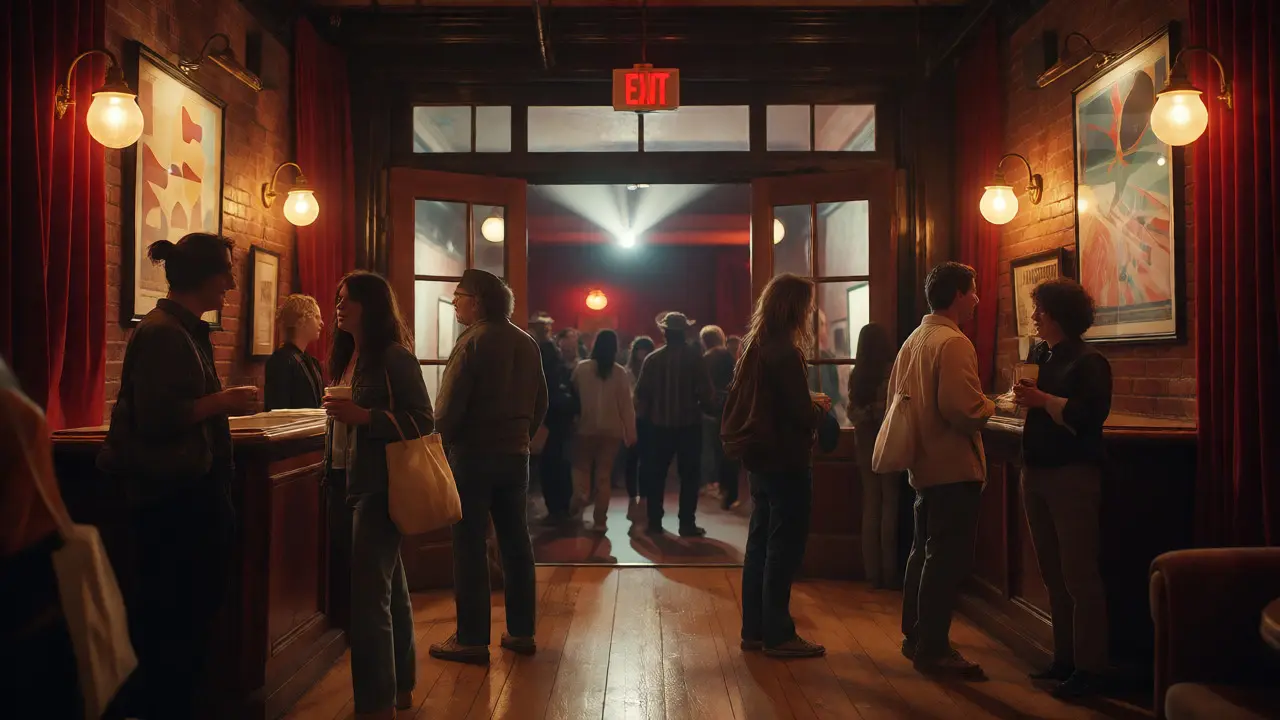
You just saw a trailer for a Palme d'Or winner on your social feed. It looks incredible. But when you check the local listings, it’s nowhere to be found. This is the modern paradox of art-house preservation: we have more access to high-quality global cinema than ever, yet fewer physical places to actually watch it on a big screen. For decades, the gap between major festivals like Cannes or Berlin and your local neighborhood theater was filled by aggressive marketing budgets from Hollywood studios. Today, that gap is being bridged by something different: curated festival tie-in series.
These aren't just random screenings. They are strategic programming decisions where independent theaters partner with distributors to bring specific festival darlings to their screens weeks or months after their premiere. If you’re a cinephile wondering why certain films appear in your city while others vanish into streaming obscurity, or if you run a small venue trying to figure out how to stay relevant, this shift matters. It changes what gets preserved, who sees it, and how we experience community around difficult, beautiful, or strange films.
The Death of the "Platform Release" and the Rise of Curation
Think back to the 1990s or early 2000s. A movie like Schindler's List or Brokeback Mountain would start in New York and Los Angeles, then slowly expand nationwide over six months. That was the platform release model. It relied on word-of-mouth and critical acclaim spreading organically. But the economics broke. Streaming platforms started offering massive upfront checks for festival acquisitions, often bypassing theatrical windows entirely or shrinking them to seven days to qualify for awards.
This created a vacuum. Distributors needed a way to prove a film had cultural weight beyond its initial buzz. Enter the curated series. Instead of waiting for a distributor to send a print (or now, a digital package) based on vague projections, theater programmers actively curate blocks of films. They might group three winners from the Berlin International Film Festival under a theme like "Political Displacement." By bundling these titles, they reduce risk for themselves and create an event atmosphere for audiences. You aren't just seeing one obscure German drama; you're participating in a weekend-long exploration of a specific cinematic trend.
This approach serves two masters. First, it helps independent cinemas survive by giving them unique content that Netflix can't replicate-the shared communal experience of a Q&A session or a post-screening debate. Second, it aids preservation. When a film is part of a curated retrospective or a festival anniversary series, it gets re-distributed, re-promoted, and sometimes even re-restored. It keeps the title alive in the public consciousness long after its initial festival run has faded.
How the Pipeline Actually Works
It’s easy to assume that once a film wins at Cannes, it automatically hits every arthouse theater in America. That’s not how it works. The process is a complex negotiation involving rights holders, distributors, and exhibitors. Here is the typical lifecycle of a festival tie-in:
- Festival Premiere: The film debuts at Cannes, Venice, or Berlin. Rights are sold to regional distributors (e.g., MUBI, Neon, IFC Films).
- Acquisition Strategy: The distributor decides on a rollout strategy. For smaller titles, they may opt for a "limited limited" release-only 5 to 10 cities initially.
- Programmer Outreach: Local theater programmers pitch the distributor on why their venue is the right fit. They might propose a tie-in with a local university film society or a partnership with a cultural center.
- The Booking Window: Unlike blockbusters booked six months out, festival tie-ins are often booked closer to the date, allowing programmers to react to real-time audience reception. Did the film get a standing ovation? Book it. Did it get mixed reviews? Maybe skip it or pair it with a stronger title.
- Exhibition and Community Building: The theater runs the series. They host critics, directors, or scholars for introductions. This adds value that streaming cannot offer.
Notice the power dynamic here. In the past, distributors held all the cards. Now, savvy programmers have leverage. If a theater chain like Alamo Drafthouse or a network of indie houses shows strong turnout for a niche genre, distributors listen. They start sending those types of films first. This feedback loop ensures that local tastes influence national distribution patterns.
Why Curated Series Are Better for Preservation Than Random Screenings
Preservation isn't just about storing negatives in a cold vault. It’s about keeping films in circulation. A film that is never watched is effectively dead, regardless of its technical condition. Curated series breathe life into older works and challenging new ones by providing context.
Consider the difference between seeing a 4K restoration of a 1970s Iranian film as a standalone ticket versus seeing it as part of a "New Wave Voices" series alongside contemporary works. In the series format, the audience understands the lineage. They see how the aesthetics evolved. This educational component is crucial for film literacy. When people understand the history, they are more likely to support future restorations through donations or attendance.
Furthermore, curated series allow for cross-pollination. A programmer might show a recent Cannes entry next to a classic from the same director. This juxtaposition highlights artistic growth and thematic consistency. It turns a simple movie night into a masterclass. For the average viewer, this lowers the barrier to entry. They don't need to know everything about Agnès Varda to enjoy her latest short if it’s introduced properly alongside her earlier features. The curation does the heavy lifting of explanation.

The Economic Reality: Can Small Theaters Afford This?
Let’s be real about the money. Running a theater is expensive. Rent, staff, electricity, and licensing fees add up fast. Why would a small venue take a chance on a foreign-language documentary that might only draw 30 people per night?
The answer lies in volume and ancillary revenue. A single screening of a blockbuster generates ticket sales. A curated series generates ticket sales, concession revenue, merchandise opportunities, and membership sign-ups. People who attend a weekend festival tie-in are often already members of the theater or become members because they feel connected to the mission. Data from organizations like the National Association of Theatre Owners suggests that arthouse venues with robust programming calendars see higher retention rates among younger demographics compared to those relying solely on mainstream releases.
Additionally, grants and subsidies play a role. Many cities offer arts funding specifically for cultural programming. A theater that frames its festival tie-ins as educational outreach or community engagement can tap into these funds. It transforms the film screening from a commercial transaction into a civic service. This hybrid model helps offset the risks associated with booking niche content.
| Feature | Traditional Platform Release | Streaming-First | Curated Festival Tie-In |
|---|---|---|---|
| Audience Experience | Passive viewing, standard popcorn fare | Isolated, home environment | Communal, contextualized, often includes events |
| Financial Risk for Theater | Moderate (guaranteed minimums) | Low (no rental cost, but no revenue share) | High upfront, mitigated by bundling |
| Impact on Preservation | Keeps classics in rotation | Minimal impact on physical media culture | High impact; creates demand for restorations |
| Community Engagement | Low | None | High (Q&As, discussions, partnerships) |
Case Study: Bringing Berlin’s Golden Bear to Asheville
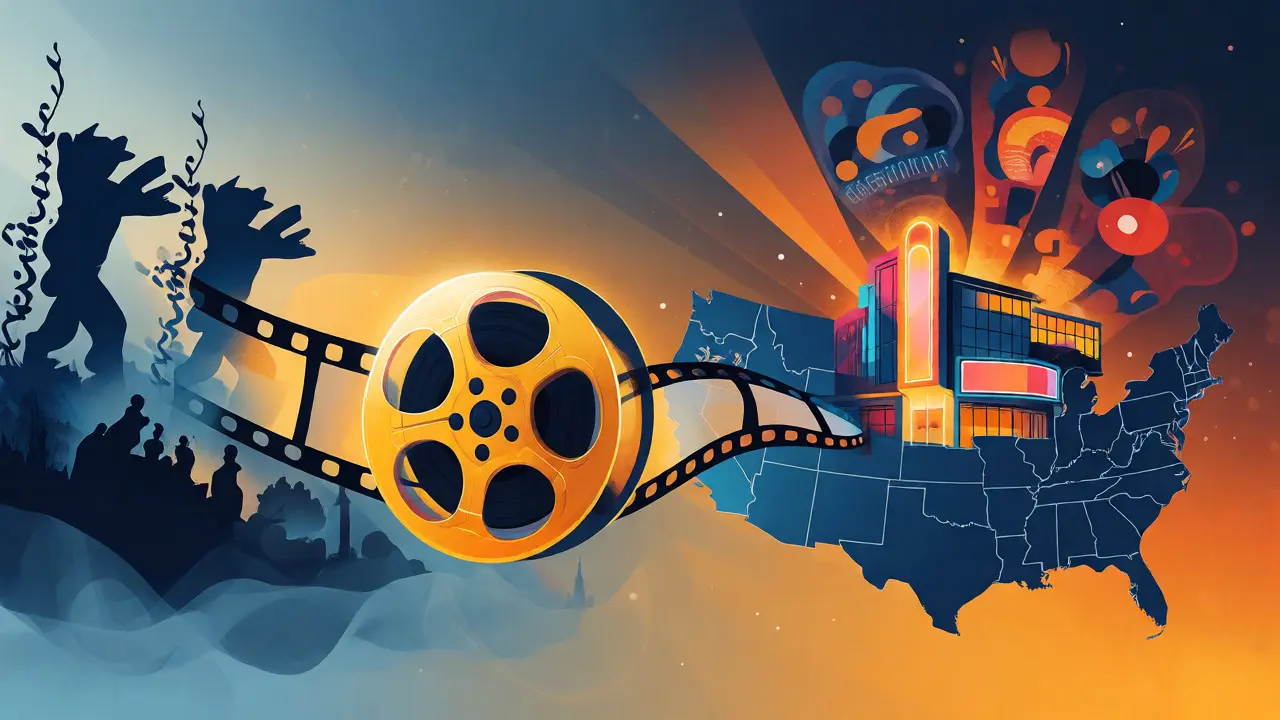
To make this concrete, let’s look at a hypothetical but realistic scenario in Asheville, North Carolina. Imagine a film wins the Golden Bear at the Berlinale in February. It’s a quiet, slow-burn drama about rural isolation. By March, a local distributor picks it up. Instead of a wide release, they target select cities with strong arts communities.
A local theater, say the Odeon or a similar indie house, proposes a tie-in. They don’t just book the film. They create a "Winter Solitude" mini-festival. They pair the Berlin winner with a classic American road movie and a contemporary Korean drama. They invite a professor from UNC Asheville to introduce each film. They host a discussion panel after the Saturday matinee.
The result? The Berlin film alone might have drawn 50 people total. As part of a series, it draws 200 people across the weekend. More importantly, those attendees talk about it. They recommend it to friends. They write about it online. The film gains a foothold in the local culture that a silent streaming drop never could. This is how cultural capital is built-one conversation at a time.
Challenges and Pitfalls to Avoid
It’s not all sunshine and standing ovations. There are significant hurdles to implementing successful festival tie-ins.
- Rights Fragmentation: Sometimes the theatrical rights are tied up in legal disputes or exclusive streaming deals. A film might be available digitally everywhere except in theaters for a specific region.
- Marketing Fatigue: Audiences are overwhelmed. If every week is a "special event," none of them feel special. Programmers must be selective. Quality over quantity is the rule.
- Technical Compatibility: Not all theaters can handle every format. Some festival films arrive in specialized codecs or require specific projection settings. Ensuring the technical team is prepared is vital.
- Subtitling Issues: Poorly translated subtitles can kill a foreign film’s reception. Theaters should vet the subtitle tracks provided by distributors or advocate for better translations.
Another pitfall is ignoring the local demographic. Just because a film won in Venice doesn’t mean your suburban audience will care about Italian neorealism. Successful programmers tailor their selections to local interests. A college town might lean toward experimental works; a retirement community might prefer historical dramas. Know your crowd.
The Future of Festival-to-City Pipelines
Looking ahead, we’re seeing more hybrid models. Some theaters are experimenting with "virtual simulcasts" where a live Q&A from Cannes is broadcast to hundreds of local theaters simultaneously. This allows a small-town audience to interact with a director in France without leaving their zip code. It’s a powerful tool for democratizing access.
Also, expect more collaboration between theaters. Independent venues are forming networks to share costs and marketing efforts. If ten theaters across the Southeast agree to program the same festival package, they can negotiate better terms with distributors and pool advertising resources. This collective bargaining power strengthens the position of art-house cinema against the dominance of franchise blockbusters.
Ultimately, festival tie-ins are about intentionality. They reject the algorithmic randomness of streaming feeds. They ask us to sit together, pay attention, and engage with stories that challenge us. In a world of infinite choice, curation is the ultimate luxury. And for the health of cinema, it’s also a necessity.
What exactly is a "festival tie-in"?
A festival tie-in is a programming strategy where independent theaters schedule screenings of films that recently premiered at major international festivals like Cannes, Berlin, or Venice. These screenings are often bundled into themed series or accompanied by special events like Q&As, lectures, or discussions to enhance audience engagement and justify the theatrical window.
Why do some festival films never hit local theaters?
Many festival films bypass traditional theatrical releases due to exclusive deals with streaming platforms. Distributors may decide that the potential subscriber acquisition value outweighs the ticket sales revenue. Additionally, logistical challenges such as rights fragmentation, lack of local interest, or high shipping and marketing costs can prevent a film from reaching smaller markets.
How do curated series help preserve old films?
Curated series provide context and renewed visibility for older films. By grouping a classic with contemporary works, theaters educate audiences on film history and artistic lineage. This increased visibility drives demand for physical media, restorations, and archival screenings, ensuring that culturally significant films remain accessible and financially viable for preservation efforts.
Can I request a specific festival film for my local theater?
Yes, many independent theaters welcome audience input. You can email the programming director or use social media to express interest in specific titles. While programmers consider various factors, demonstrated local demand can influence booking decisions, especially if you rally a group of friends to commit to attending a potential screening.
Are festival tie-ins more expensive than regular movies?
Ticket prices for festival tie-ins are often comparable to standard arthouse screenings, though they may be slightly higher if the event includes guest speakers or special presentations. However, the value proposition is higher due to the added educational and communal components. Membership discounts frequently apply, making it affordable for regular attendees.