You just wrapped your feature. You spent two years editing, begging for favors, and eating cold pizza. Now you have a slot at Sundance or SXSW. You think the hard part is over? Wrong. The premiere is just the starting gun for the real race: getting people to actually talk about your movie. Festival Publicity is not just about handing out flyers. It is a high-stakes game of chess played in hotel lobbies and green rooms, where every interaction counts.
Most filmmakers make the mistake of thinking their job ends when they hand over their film to the programmers. But if you want traction, you need to understand how the machine works. You are no longer just a director; you are a brand manager, a publicist, and a sales rep all rolled into one. Here is how to navigate the chaos without losing your mind-or your reputation.
The Pre-Festival Sprint: Building Your Press Kit
Before you even pack your suitcase, you need assets. Journalists are drowning in content during festival season. If you send them a blurry screenshot and a vague synopsis, they will delete your email before finishing their coffee. You need a Digital Press Kit (DPK) that is ready to download in under thirty seconds.
Your DPK needs specific components. First, high-resolution stills. Not just one, but ten to fifteen options showing different characters and settings. Second, a clean trailer link hosted on Vimeo or YouTube with privacy settings enabled. Third, bios for key cast and crew. Keep these short. No one wants to read your entire life story; they want to know why you made this film.
- Stills: Minimum 300 DPI, landscape and portrait.
- Bios: Under 150 words per person.
- Synopsis: One paragraph logline, one page full summary.
- Contact Info: A direct cell number for you or your producer, not a generic email.
Here is the trap: do not wait until the day before your screening to send this out. Send it three weeks prior. Give journalists time to watch the screener. If you wait until the last minute, you are competing with five hundred other films for the same attention span.
Hiring vs. DIY: Do You Need a Publicist?
This is the million-dollar question. Can you handle it yourself? Maybe, if you have a small budget and a tiny audience. But if you are aiming for major coverage, you probably need help. Public Relations Firms specialize in pitching stories to outlets like IndieWire, Variety, and Deadline. They know which editors cover horror, which ones prefer dramas, and who hates being emailed on weekends.
However, hiring a firm costs money. We are talking $3,000 to $10,000 a month depending on the tier. Is it worth it? Only if you have a hook. A "hook" is the angle that makes your story newsworthy. Did you shoot the entire film on an iPhone? Did you raise funds through a bizarre crowdfunding campaign? Did the lead actor quit halfway through production? Without a hook, even the best publicist struggles to get bites.
| Factor | DIY Approach | Professional PR Firm |
|---|---|---|
| Cost | $0 - $500 (software/tools) | $3,000 - $10,000+ / month |
| Time Commitment | High (40+ hours/week) | Low (you focus on interviews) |
| Media Relationships | Limited personal network | Established industry connections |
| Crisis Management | Reactive and stressful | Proactive and experienced |
| Best For | Micro-budget docs, shorts | Feature narratives, star power |
Mastering the Art of the Pitch
If you go the DIY route, your email subject line is everything. Avoid things like "Check out my film." That screams amateur. Instead, use curiosity gaps. "Why I filmed my divorce in a single take" or "The true story behind [Film Title]." Journalists are looking for stories, not just movies. Give them a reason to care beyond the plot.
When you pitch, keep it brief. Three paragraphs max. Paragraph one: Who are you and what is the hook? Paragraph two: Why now? (Is it relevant to current events?) Paragraph three: Link to the screener and DPK. Do not attach files. Attachments clog inboxes and look spammy. Use links.
Also, respect embargoes. If your distributor or festival sets a review embargo date, stick to it. Breaking an embargo can burn bridges fast. Critics hate having their scoop stolen. If you leak info early, you might get more clicks today, but you lose access tomorrow.

Working with Critics: The Delicate Dance
Critics are not your friends, but they are not your enemies either. They are workers doing a job. Many filmmakers treat critics like judges in a talent show, desperate for approval. This leads to awkward interactions. You see a reviewer from a major outlet at the after-party. What do you say?
Do not ask, "Did you like it?" immediately after the screening. They haven't written their piece yet. Asking forces them to commit to an opinion before they've processed the film. Instead, say, "Thanks for coming," and leave it there. Let them come to you if they want to chat.
If you do get a bad review, do not argue publicly. I once saw a director reply to a negative tweet with a four-paragraph defense of his cinematography choices. It looked defensive and insecure. Bad reviews fade; unprofessional behavior sticks. If a critic misunderstands a key theme, you can politely clarify via email, but never correct them on social media.
Navigating the Festival Bubble
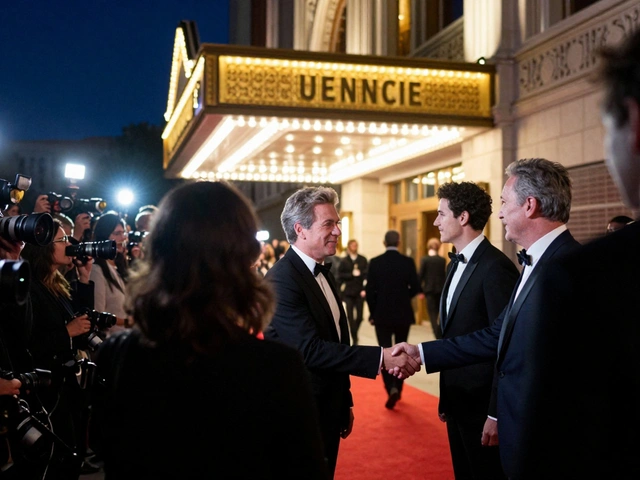
Festivals create a unique pressure cooker environment. Everyone is drinking, networking, and talking loudly. It is easy to get swept up in the hype. You might hear whispers that your film is the frontrunner for the Audience Award. By lunch, those whispers might change. Don't let the bubble distort your reality.
Use this time strategically. Attend panels, yes, but prioritize one-on-one meetings. Bring business cards, but also have a QR code on your phone linking directly to your press kit. Handshakes are good, but follow-up emails are better. Within 24 hours of meeting someone important, send a personalized note referencing something specific you discussed. "Great chatting about your work on lighting in low budgets" beats "Nice to meet you" every time.
Post-Festival: Keeping the Momentum
The lights go down, the crowds disperse, and suddenly your inbox goes quiet. This is the drop-off cliff. Most films die here. To survive, you need a post-festival plan. Did you win an award? Put that badge on your poster immediately. Did you get a glowing quote from a known critic? Use it in your next trailer.
Reach out to the journalists who covered you. Thank them. Ask if they need anything else for future projects. Build a long-term relationship. Next year, when you have a new script, they will remember you as the professional who didn't waste their time.
Finally, analyze your data. Which articles drove traffic to your website? Which social posts got engagement? Double down on what worked. If video clips performed well on Instagram, invest in more short-form content. If long-form interviews did nothing, stop chasing them.
Key Takeaways
- Preparation is King: Have a polished Digital Press Kit ready three weeks before the festival starts.
- Know Your Hook: PR firms and journalists need a compelling angle, not just a plot summary.
- Respect the Process: Never break embargoes or demand immediate feedback from critics.
- Follow Up Fast: Personalized emails within 24 hours of networking turn contacts into allies.
- Data Over Hype: Track what actually drives traffic post-festival, not just what feels popular in the moment.
How far in advance should I start working with a PR team for a festival?
Ideally, start six to eight months before the festival. This gives them time to build relationships with journalists and craft your narrative. Starting only one month out means you are fighting against established films that have been circulating news for months.
What if I cannot afford a professional publicist?
Focus on niche blogs and local media first. They are often hungrier for fresh content than major outlets. Create a strong visual identity on social media and engage with communities related to your film's genre. Consistency matters more than volume.
Should I invite critics to private screenings before the premiere?
Yes, if your festival allows it and you have the capacity. Private screenings allow for controlled Q&As and ensure the critic sees the best version of your film without distractions. However, ensure they sign an NDA if the film is unreleased elsewhere.
How do I handle a really bad review?
Acknowledge it briefly if necessary, but do not defend it publicly. Share positive quotes alongside it. Remember that one bad review rarely kills a film's commercial prospects unless it comes from a massive aggregator like Rotten Tomatoes with a low score. Focus on audience reception instead.
Is social media more important than traditional press?
It depends on your target audience. For arthouse films, traditional press builds prestige. For genre films (horror, sci-fi), social media drives ticket sales. Ideally, integrate both. Use press quotes in your social ads to add credibility to your viral moments.