You’ve seen the headlines: a small foreign-language film premieres at Cannes or Sundance, wins an award, and suddenly it’s in theaters across America. But how does a movie shot on a shoestring budget in Senegal or South Korea actually make it to a multiplex in Ohio? It isn’t magic. It’s a calculated game of leverage, timing, and buzz management known as festival-first distribution.
This model has completely reshaped how independent and international films reach American audiences. Gone are the days when studios bought rights blindly based on scripts alone. Today, distributors wait for the audience reaction. They want proof that people will sit through subtitles and stay for the credits. If you’re wondering why some films get wide releases while others vanish after one week, the answer lies in this high-stakes ecosystem where critical acclaim is currency and social media hype is collateral.
The Festival Premiere as Market Validation
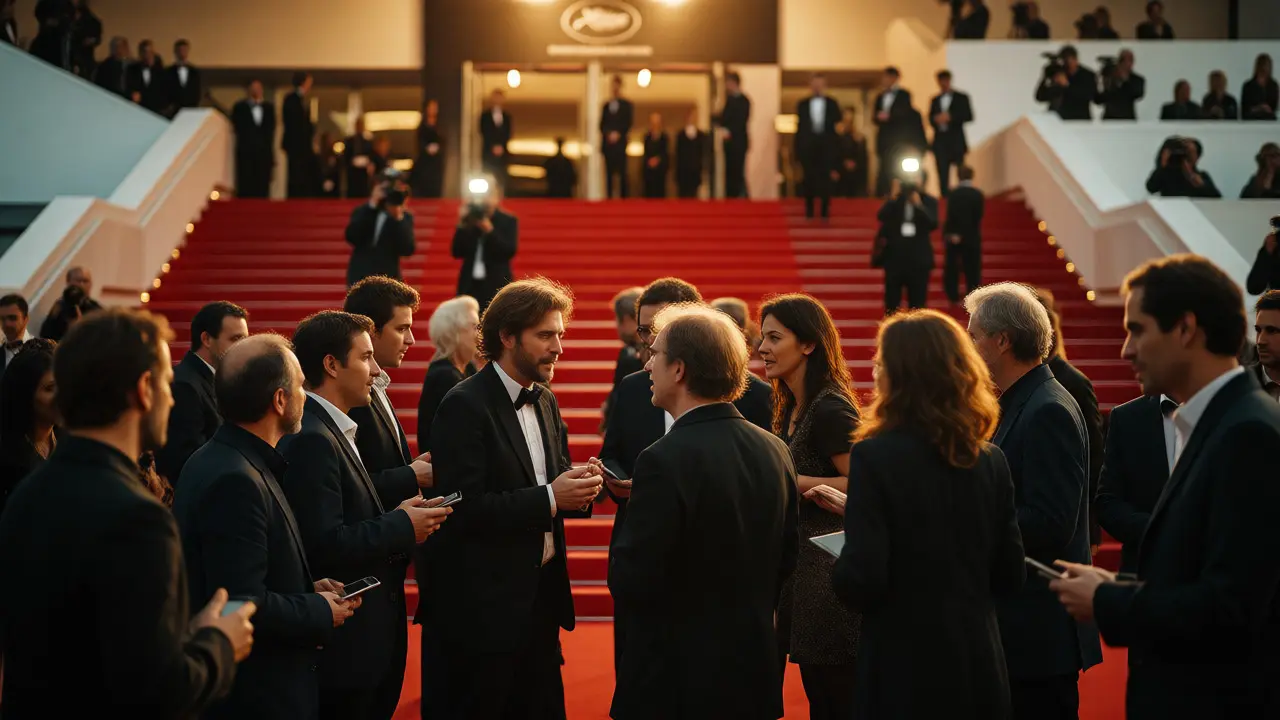
Festivals like Sundance, Berlinale, and Venice Film Festival aren’t just celebrations of art; they are massive trading floors. For years, the standard play was simple: a distributor buys the film before it’s finished. Now, most buyers hold their cards close. They attend screenings not to buy immediately, but to gauge the temperature. Did the audience laugh? Did they cry? Did they tweet about it within minutes of the lights coming up?
This shift places immense pressure on filmmakers. You can’t just have a good movie; you need a marketable moment. When Anatomy of a Fall premiered at Cannes in 2023, the standing ovation wasn’t just applause-it was data. Distributors saw a tangible metric of interest. This validation reduces financial risk. If a film fails to generate buzz at its premiere, it often gets shelved for streaming platforms rather than receiving a theatrical push. The theatrical release becomes a reward for proven demand, not a gamble on potential.
Who Are the Key Players Driving This Model?
Not every company plays by these rules. Traditional major studios often focus on franchises with built-in global appeal. The real action in festival-first distribution happens with specialized indie distributors. These companies thrive on discovering hidden gems and marketing them aggressively to niche audiences who trust their curation.
| Distributor | Primary Strategy | Notable Recent Success | Audience Focus |
|---|---|---|---|
| A24 | Viral marketing and brand alignment | Everything Everywhere All At Once | Gen Z and millennial cinephiles |
| Neon | Aggressive awards campaigning | Parasite | Prestige seekers and critics |
| MUBI | Hybrid streaming-theatrical model | Perfect Days | Arthouse loyalists |
| IFC Films | Broad independent reach | Minari | Mainstream indie viewers |
Neon changed the game with Parasite. They didn’t just distribute it; they turned it into a cultural event. By leveraging the Palme d’Or win, they created a narrative that made skipping the theater feel like missing out on history. A24 operates differently, relying on aesthetic consistency. When you see an A24 logo, you expect a certain tone. This brand equity allows them to take risks on weird, international projects because their core audience trusts the label.
From Standing Ovations to Screen Count
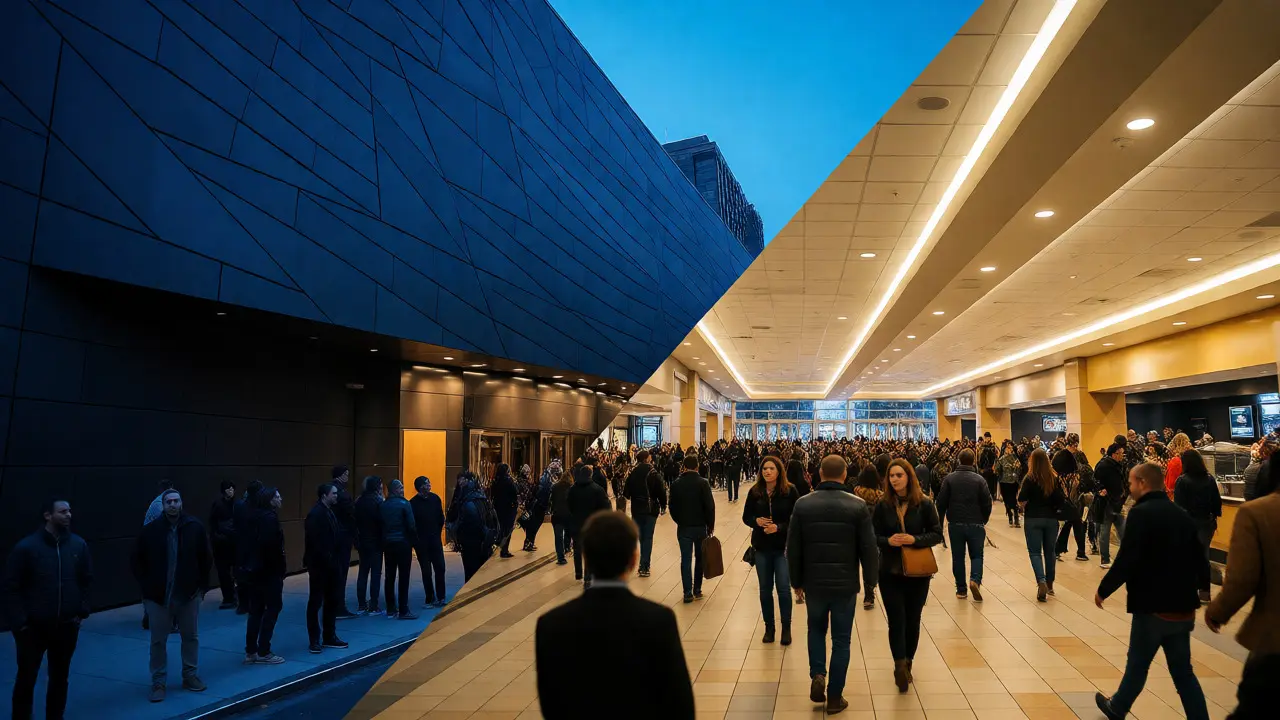
Once a deal is signed, the clock starts ticking. The gap between a festival premiere and a U.S. theatrical release is usually six to nine months. Why? Because distributors need time to build the hype machine. You can’t just dump a French drama into 2,000 theaters overnight. That’s a recipe for disaster.
The standard rollout looks like this:
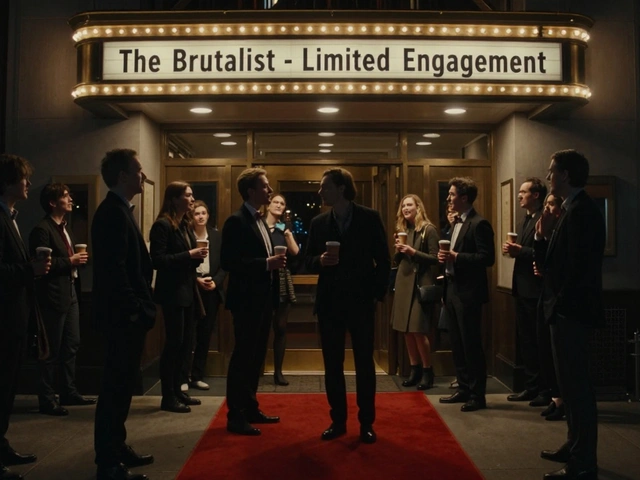
- Limited Release: The film opens in New York and Los Angeles only. This creates scarcity and drives up ticket prices slightly. Critics review the film during this window.
- Expansion: If per-screen averages (PSA) are high-say, over $15,000 per screen-the distributor expands to top-tier cities like Chicago, San Francisco, and Austin.
- Wide Push: Only if the film shows legs do they expand nationally. Many international films never leave the limited release phase, staying profitable by targeting specific urban demographics.
This step-by-step approach protects margins. International films rarely open on thousands of screens because the audience size is unknown. By starting small, distributors can adjust marketing spend based on real-time box office data. If a Korean thriller crushes it in Seattle, they’ll pump more ads into the Pacific Northwest region. It’s hyper-localized marketing driven by hard numbers.
The Role of Social Proof and Influencers
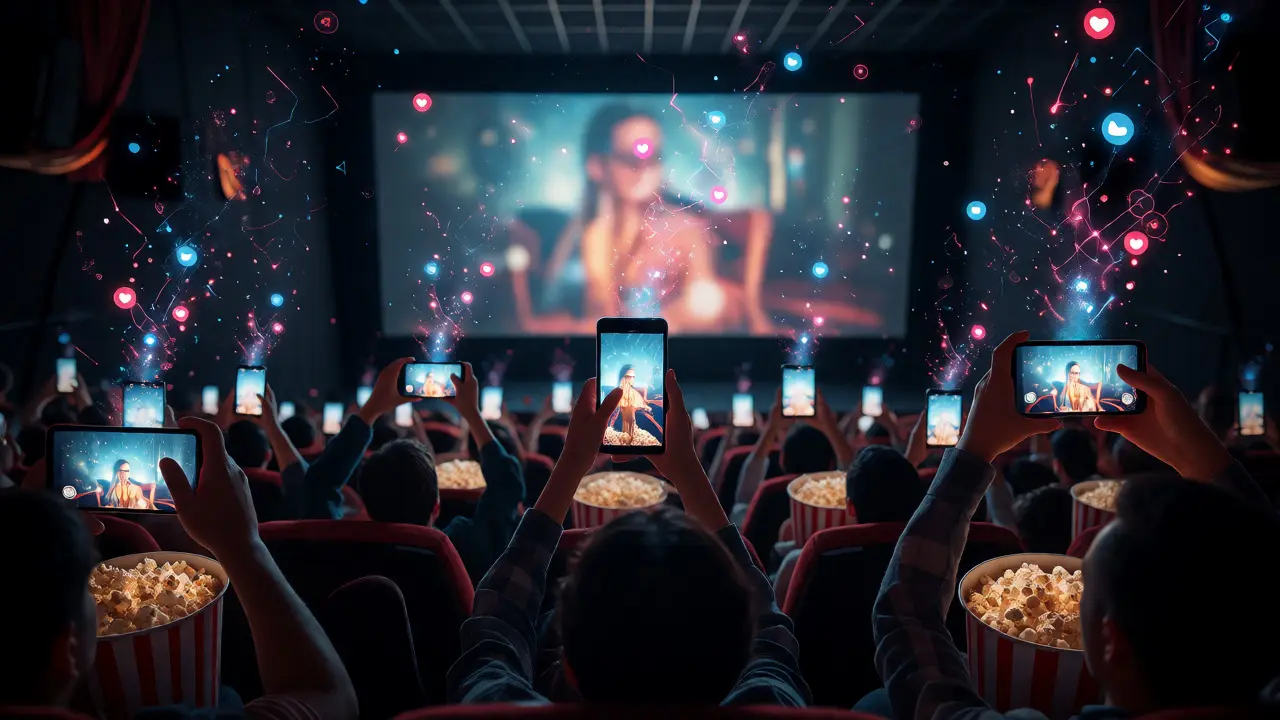
In the pre-internet era, word-of-mouth traveled slowly. Today, a viral TikTok clip can sell tickets faster than a newspaper review. Distributors know this. They seed content to influencers weeks before the release. Imagine a scene from Drive My Car being dissected by a popular film essayist on YouTube. That video doesn’t just explain the plot; it validates the viewer’s intelligence for watching it.
For international films, this is crucial. Subtitles still pose a barrier for many casual moviegoers. Overcoming that hesitation requires social proof. When your favorite creator says, “This is the best movie I’ve seen all year,” it lowers the psychological cost of entry. Distributors track engagement metrics on Instagram and TikTok closely. High engagement rates often predict strong opening weekends better than traditional trailers.
Pitfalls: When Buzz Doesn’t Translate to Box Office
High buzz doesn’t always equal cash. We’ve seen plenty of Oscar-nominated foreign films flop commercially. Why? Sometimes the marketing misfires. If a distributor markets a slow-burn Japanese drama as a fast-paced thriller, audiences walk out confused. Or worse, they don’t show up at all because the genre mismatch broke their expectations.
Another trap is over-expansion. Some distributors get greedy. After a strong Sundance debut, they might try to force a national release too quickly. The result? Thin crowds in suburban malls where no one knows what the movie is. This kills momentum. Once a film loses its aura of exclusivity, it struggles to regain traction. Successful distribution respects the niche nature of international cinema. It’s better to dominate ten cities than be invisible in fifty.
The Future: Hybrid Models and Streaming Windows
The strict line between theatrical and streaming is blurring. Companies like MUBI and Criterion Channel offer hybrid models where films get a brief theatrical run to qualify for awards, then land on subscription services almost immediately. This appeals to younger audiences who prefer convenience but still value the prestige of a big-screen debut.
Looking ahead, we’ll likely see shorter theatrical windows for non-English films. Instead of 90 days, it might be 17 or 30 days. This keeps the film fresh in the public consciousness while capturing the streaming revenue sooner. For filmmakers, this means the goal isn’t just a long theatrical run-it’s maximizing visibility across all platforms within a tight timeframe.
Why do festivals matter so much for distribution deals?
Festivals serve as live testing grounds. Distributors use audience reactions, press coverage, and critic scores generated at events like Cannes or Toronto to assess commercial viability before committing millions to marketing and prints.
Do all festival winners get a wide theatrical release?
No. Most festival winners receive limited releases in major metropolitan areas. Wide releases are reserved for films with exceptional cross-over appeal or massive viral moments, such as Parasite or Everything Everywhere All At Once.
How long is the typical gap between festival premiere and U.S. release?
The average gap is 6 to 9 months. This period allows distributors to edit trailers, secure reviews, plan marketing campaigns, and schedule the gradual expansion of screen counts.
What is a "per-screen average" and why does it matter?
Per-screen average (PSA) measures how much money a single theater makes from the film. High PSAs indicate strong demand, prompting distributors to add more screens. Low PSAs signal that the film may struggle in wider markets.
Can social media replace traditional marketing for international films?
It complements it. While traditional posters and trailers remain important, organic social media buzz on platforms like TikTok and Twitter often drives initial awareness and helps overcome barriers like subtitle reluctance among younger viewers.