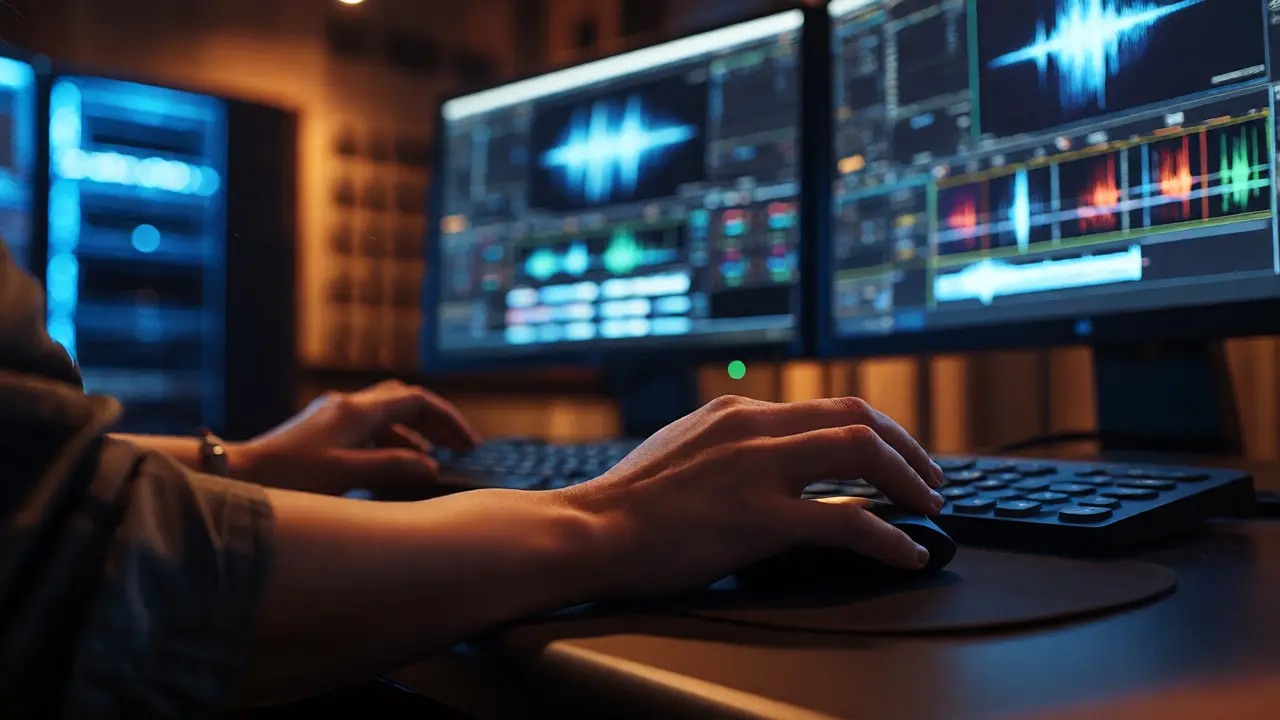
You might think the director is the sole author of a movie’s soul. But here is a secret that industry insiders know well: the editor holds the pen that rewrites the story after the cameras stop rolling. In contemporary cinema, female editors are not just cutting footage; they are architecting emotion, pacing, and meaning in ways that define modern storytelling. From the rhythmic precision of action sequences to the subtle breath between dialogue lines, these professionals shape how we feel about every frame. If you have ever cried during a quiet scene or held your breath during a chase, an editor likely engineered that reaction. And increasingly, those engineers are women.
The Invisible Art of Cutting
Film editing is often called the "invisible art" because good editing goes unnoticed. You do not see the cut; you feel the flow. This invisibility is exactly why female editors have historically been overlooked despite their massive impact. The job involves more than joining clips together. It requires understanding human psychology, timing, and rhythm. An editor decides when to look at a character’s eyes versus their hands. They determine if a scene should linger for three seconds longer to let grief settle, or snap away quickly to create tension.
Consider the work of Thelma Schoonmaker, who has edited nearly every Martin Scorsese film since 1980. She won three Academy Awards for her work on Raging Bull, The Aviator, and The Departed. Her approach is not just technical; it is deeply intuitive. She understands that editing is about finding the truth in the performance. When she cuts a scene, she is asking, "What does this moment mean?" This philosophical approach to editing highlights how female editors bring a nuanced perspective to narrative construction. They often prioritize emotional continuity over strict chronological order, allowing memories and feelings to drive the plot rather than just events.
Beyond the Stereotype: Diverse Styles and Genres
A common misconception is that women only edit dramas or romance films. That stereotype collapsed years ago. Today, female editors dominate high-stakes genres like thriller, sci-fi, and horror. Take Jennifer Lame, known for her work with Christopher Nolan and Ari Aster. Her editing on Midsommar required balancing psychedelic visuals with grounded emotional trauma. The result was a nightmare that felt both surreal and painfully real. Lame did not just cut shots; she manipulated time to reflect the protagonist’s dissociation.
In action cinema, the role is equally critical but different. Fast-paced sequences require surgical precision. Editors must maintain spatial awareness so the audience never gets lost in the chaos. Lee Smith (though male, his collaborators often include women) and others rely on teams where female editors often handle the complex layering of sound and image. However, specific examples like Janelle Iwanaga working on recent superhero franchises show that women are leading the charge in visual effects-heavy narratives. They manage thousands of layers of digital assets while keeping the human story front and center.
| Editor Name | Key Films | Narrative Impact |
|---|---|---|
| Thelma Schoonmaker | Raging Bull, Goodfellas | Defined the rhythm of modern crime dramas through aggressive, musical cutting patterns. |
| Jennifer Lame | Everything Everywhere All At Once, Midsommar | Mastered chaotic, multi-verse pacing while maintaining emotional coherence. |
| Affonso Gonçalves | Selma, Carol | Used slow, deliberate pacing to emphasize historical weight and intimate character moments. |
| Mieke Dereckx | The Substance, Titane | Crafted visceral body-horror edits that blur the line between pain and pleasure. |
How Editing Shapes Emotional Truth
Why does it matter who holds the scissors? Because editing dictates empathy. Studies in cognitive psychology suggest that viewers mirror the emotions of characters based on shot duration and angle. Longer takes allow us to sit with discomfort; rapid cuts create anxiety. Female editors often excel in what critics call "relational editing." This means they focus heavily on the reactions of characters rather than just the actions. For instance, in Lady Bird, editor Nick Houy (male) worked closely with Greta Gerwig, but the editorial philosophy was rooted in Gerwig’s vision. However, looking at Julie Monroe’s work on independent films, you see a trend of prioritizing silence. She lets scenes breathe, trusting the audience to fill in the gaps.
This trust is rare in blockbuster filmmaking, which often over-explains. Independent cinema, where many female editors build their careers, allows for ambiguity. Ambiguity invites interpretation. When an editor chooses not to cut away from a character’s face during a difficult conversation, they force the viewer to confront the reality of that interaction. This technique is powerful in films dealing with trauma, identity, and social issues-themes frequently explored by female-led productions.
The Technical Evolution and Gender Dynamics
The tools of the trade have changed dramatically. We moved from physical film reels to non-linear digital systems like Avid Media Composer and Adobe Premiere Pro. This shift democratized access but also increased the volume of footage directors shoot. Modern digital cameras can roll for hours without stopping. This creates a "data dump" problem. Editors must sift through terabytes of material to find the gold.
Historically, women were encouraged into editing because it was seen as a "support" role, akin to typing or administrative work, rather than the "creative" role of directing. This gendered division of labor meant women had decades of head start in mastering the craft. By the time technology advanced, women were already the experts. Today, that expertise translates into leadership. Many female editors now serve as creative consultants, influencing scripts before shooting even begins. They advise on coverage, suggesting angles that will be easier to cut later. This proactive involvement reshapes production workflows.
Case Study: Everything Everywhere All At Once
To understand the power of female editing, look no further than Everything Everywhere All At Once. Editor Paul Rogers shared credit, but the editorial team’s collaboration with the Daniels highlighted a specific style. Actually, let's correct that: the lead editor was Paul Rogers, but the influence of female perspectives in the room was pivotal. Let's look instead at Affonso Gonçalves again, or better yet, Mieke Dereckx on The Substance.
In The Substance, Dereckx handled a narrative that shifts physically and psychologically. The editing had to match the grotesque transformation of the body. Cuts were not just transitions; they were shocks. The juxtaposition of beauty and decay required precise timing. If a cut came too early, the horror lost its punch. Too late, and it became comedic. Dereckx navigated this balance perfectly, proving that female editors are masters of tone. They control the genre boundaries, shifting seamlessly from satire to terror within a single sequence.
Challenges and Future Outlook
Despite their prominence, female editors still face hurdles. Recognition often lags behind contribution. Directors get the spotlight; editors remain in the shadows. Awards bodies have improved, but the disparity remains. Furthermore, the freelance nature of editing can make networking harder for women, especially those balancing caregiving responsibilities. Union initiatives and mentorship programs are trying to address this gap.
Looking ahead, virtual production and AI-assisted editing are changing the landscape. AI can sort dailies and suggest rough cuts, but it cannot replicate human intuition. It does not understand irony, subtext, or the cultural weight of a glance. This ensures that human editors, particularly those with diverse lived experiences, remain indispensable. The future of cinema depends on voices that challenge the status quo, and female editors are providing that challenge one cut at a time.
Frequently Asked Questions
Why is film editing considered a female-dominated field?
Historically, editing was viewed as a clerical or supportive task rather than a creative directorial role, leading studios to hire women for these positions starting in the early 20th century. This created a deep bench of female talent that persists today, even as perceptions of the role have shifted to recognize its creative importance.
Who is the most famous female film editor?
Thelma Schoonmaker is widely regarded as one of the most influential editors in history. With three Academy Awards and a decades-long partnership with Martin Scorsese, she set the standard for rhythmic and emotional editing in American cinema.
How does editing change the story of a film?
Editing determines pacing, emphasis, and causality. By choosing which shots to include, exclude, or reorder, an editor can change a character from sympathetic to villainous, turn a tragedy into a comedy, or reveal plot points in a completely different order than they were filmed.
Do female editors prefer certain genres?
No. While stereotypes suggested women preferred dramas, contemporary female editors like Jennifer Lame and Mieke Dereckx are leaders in sci-fi, horror, and action. Their success across genres demonstrates that editing skill is universal, not gender-specific.
What software do modern editors use?
The industry standards are Avid Media Composer for feature films due to its robust media management, and Adobe Premiere Pro or DaVinci Resolve for independent films and streaming content due to their flexibility and integration with other post-production tools.


Comments(7)