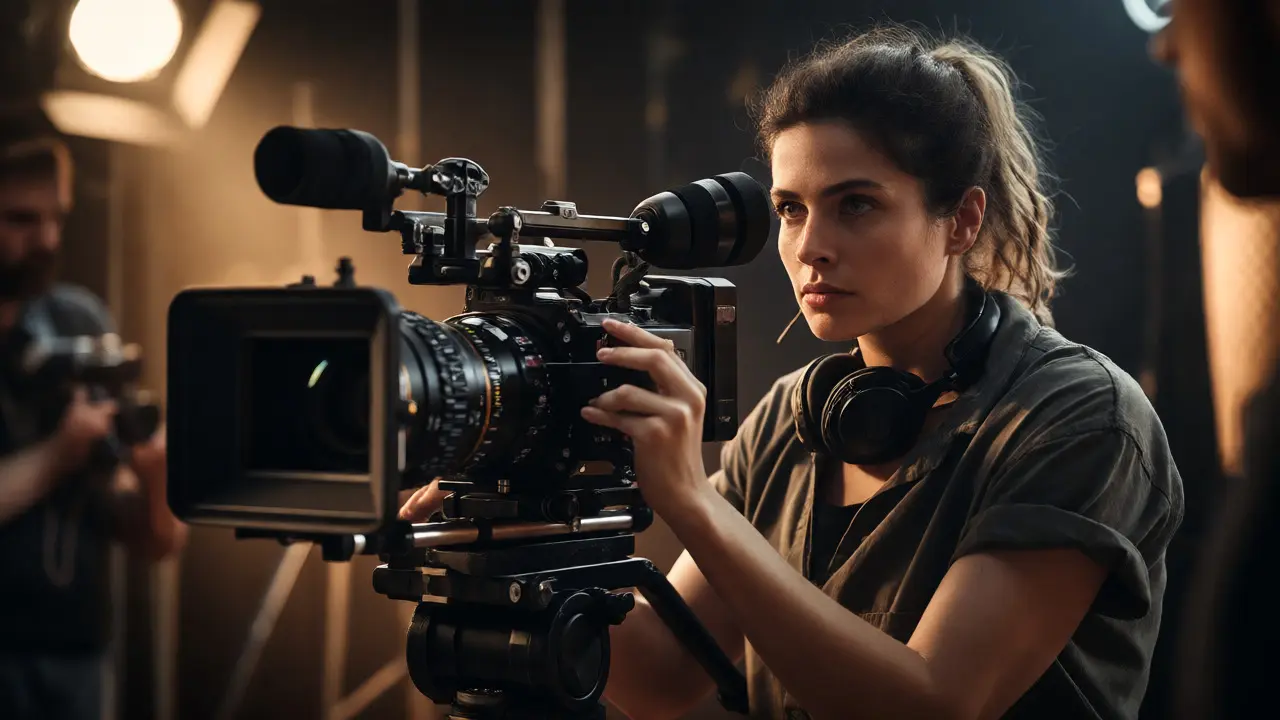
You walk into a movie theater. The screen explodes with color, shadow, and movement. Who decided that specific shade of blue? Who chose to frame the shot from below, making the character look powerful? Usually, we credit the director. But the person who actually paints with light is the Director of Photography (DP), also known as the Cinematographer or the head of the camera department responsible for the visual look of a film. For decades, this role was overwhelmingly male. But that’s changing. Fast.
If you’re wondering why more films feel different lately-more intimate, more textured, less reliant on standard tropes-it’s often because female cinematographers are reshaping how stories are told visually. This isn’t just about diversity quotas. It’s about skill, perspective, and a shift in what audiences expect from visual storytelling. Let’s break down who these women are, what they bring to the set, and why their impact matters right now, in 2026.
The Shift from Assistant to Authority
Historically, women in film production were funneled into costume design, editing, or casting. The camera department? That was a boys’ club. Heavy equipment, long hours, and a culture of technical gatekeeping kept many out. But the landscape has shifted dramatically since the early 2010s. We aren’t just seeing token hires; we’re seeing women directors of photography winning major awards and leading big-budget franchises.
Take Rachel Morrison, for example. She became the first woman nominated for an Academy Award for Best Cinematography for *Mudbound* in 2018. Before her, it hadn’t happened in nearly 90 years of Oscar history. Now, names like Hoyte van Hoytema’s peers include Chayse Irvin and Ari Wegner, who have dominated conversations around visual excellence. Wegner’s work on *The Power of the Dog* wasn’t just praised; it redefined how Westerns could look-softer, more psychological, less rigid.
This shift isn’t accidental. Film schools are graduating more women than ever. Programs at USC, NYU, and AFI report near-parity in enrollment for cinematography tracks. These graduates enter the industry not asking for permission, but demanding creative control. They know their gear. They understand lens choices. And they’re refusing to be sidelined.
What Female DPs Actually Change on Set
So, what does having a woman behind the camera actually change? Is it just optics, or is there substance?
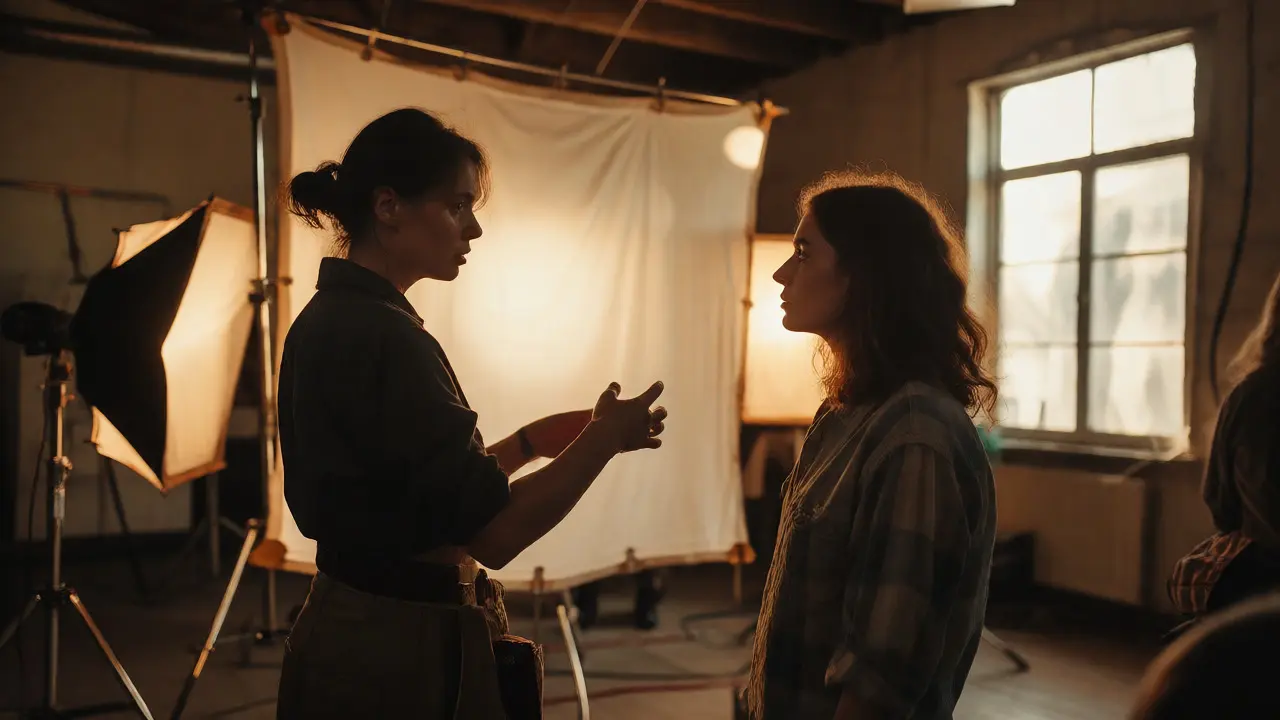
It’s substance. Research and anecdotal evidence from sets suggest that female-led camera departments often foster different communication styles. Many female DPs prioritize collaboration over hierarchy. Instead of barking orders, they engage actors in discussions about how lighting affects performance. This can lead to more nuanced performances. When an actor feels seen rather than lit, the result shows on screen.
Consider the concept of the "male gaze," a term coined by feminist film theorist Laura Mulvey. Traditionally, cameras often framed women as objects to be looked at. Female cinematographers frequently disrupt this dynamic. They might choose angles that empower the subject rather than objectify them. In *Promising Young Woman*, director Emerald Fennell worked with DP Anthony Dod Mantle, but the visual language was deeply informed by a female perspective on vulnerability and rage. Contrast this with older films where female characters were often static backdrops.
Here’s a quick comparison of traditional vs. emerging approaches:
| Feature | Traditional Approach | Emerging/Female-Led Approach |
|---|---|---|
| Lighting Style | High contrast, hard shadows, dramatic noir influences | Naturalistic, soft diffusion, emotional realism |
| Camera Movement | Sweeping, dominant, often male-protagonist focused | Intimate, handheld, reactive to character emotion |
| Framing Subjects | Objectifying, centered on physical appearance | Subjective, aligned with internal state |
| Set Culture | Rigid hierarchy, command-driven | Collaborative, dialogue-driven |
This doesn’t mean every female DP shoots softly. Some prefer harsh, brutalist aesthetics. But the range of expression widens when the pool of talent diversifies. You get more variety in visual languages because you have more varied life experiences informing the art.
Breaking Down the Technical Barriers
Let’s talk tech. There’s a persistent myth that women don’t understand the technical side of cameras. This is nonsense. Modern digital cinema cameras like the ARRI Alexa and Sony Venice require deep knowledge of color science, dynamic range, and lens characteristics. Women master these tools just as quickly as men.
In fact, some argue that female DPs excel in post-production workflows because they often collaborate closely with colorists during grading. This partnership ensures the image matches the intended mood from day one. It’s less about fixing mistakes in post and more about intentional creation.
Another barrier was access to high-end equipment. Historically, rental houses catered to established (often male) DPs. Today, initiatives like ReFrame, a coalition advocating for gender parity in film, help connect emerging female talent with mentors and gear. Organizations such as Women in Film provide networking opportunities that bypass old-boy networks. If you’re a young woman looking to start, these resources are gold mines.
Spotlight on Key Figures
You should know these names if you care about modern cinema. They’re not just filling slots; they’re setting trends.
- Ari Wegner: Her work on *The Power of the Dog* and *The Tragedy of Macbeth* showcases her ability to use landscape as a character. She uses wide lenses to create unease and tight frames to induce claustrophobia.
- Mandy Walker: Known for *Mulan* and *Elvis*. Walker is a veteran who broke through in Australia before conquering Hollywood. Her style is bold, colorful, and energetic.
- Chayse Irvin: Collaborated with Spike Lee on *BlacKkKlansman*. He’s male, but his frequent collaborator, Kira Kelly, is a rising star. Look for her work in indie dramas.
- Kelly McWilliams: Shot *Aftersun*, a film that relied entirely on subtle lighting changes to convey memory and loss. Her work proves that restraint is a powerful tool.
- Zoe White: While primarily a director, her background informs her visual choices. Similarly, Greta Gerwig works closely with Sam Levy, but the overall aesthetic team is increasingly mixed-gender.
Notice the pattern? These artists aren’t confined to "chick flicks" or small dramas. They shoot action, horror, sci-fi, and epic historical pieces. The genre wall is crumbling.
How to Spot Their Work
Want to train your eye? Next time you watch a film, pay attention to the credits. Search for "Director of Photography." If it’s a woman, ask yourself: How did the lighting make me feel? Did the camera move with the character or observe them from afar?
Look for intimacy. Often, female-led cinematography creates a sense of closeness. The audience feels invited into the character’s personal space. Compare this to blockbuster films where the camera often feels detached, treating the environment as a spectacle.
Also, notice the color palettes. While generalizations are risky, many female DPs favor warmer tones or desaturated earth tones over the cold blues and teals common in male-dominated action genres. This isn’t a rule, but a trend worth observing.
The Future of Visual Storytelling
We’re in 2026. The conversation has moved past "Are women good enough?" to "How do we support the next generation?" Streaming platforms like Netflix and Amazon Prime Video have been faster to adopt diverse hiring practices than traditional studios. This pressure forces theatrical distributors to catch up.
For aspiring filmmakers, the message is clear: Learn the craft. Master the lights. Understand the lenses. Build a reel that shows your unique vision. Don’t wait for someone to hand you a job. Create short films. Shoot music videos. Show producers that you can deliver on time and on budget.
And for viewers, support these films. Watch them. Talk about them. Box office numbers and streaming metrics drive hiring decisions. If audiences reward diverse visual storytelling, studios will invest in it.
The camera is no longer just a tool of observation; it’s a voice. And for too long, half the population didn’t have a chance to speak through it. Now, they’re speaking loudly. Listen closely.
What is the difference between a Cinematographer and a Director of Photography?
In most professional contexts, especially in feature films, the terms are used interchangeably. Both refer to the person responsible for the visual look of the film, including lighting, camera angles, and lens choices. Technically, "Cinematographer" is the broader artistic title, while "Director of Photography" is the official union job title in organizations like the American Society of Cinematographers (ASC). However, in casual conversation and even many credits, they mean the same role.
Why were there so few female cinematographers historically?
Several factors contributed to this gap. First, the film industry was heavily male-dominated in its early decades, creating entrenched networks that excluded women. Second, the perception that camera work required heavy physical labor discouraged women from entering the field, though modern equipment is much lighter. Third, unconscious bias led producers and directors to assume men had better technical skills. Finally, a lack of visible role models made it harder for young women to envision themselves in the role.
Do female cinematographers shoot differently than male ones?
There is no single "female style." Individual technique varies widely among all cinematographers. However, studies and industry observations suggest that female DPs may prioritize collaborative relationships with actors and directors, leading to more emotionally resonant framing. They may also be more likely to challenge traditional gender dynamics in composition, avoiding objectifying angles. But ultimately, great cinematography is about serving the story, regardless of gender.
Who was the first woman nominated for an Oscar for Cinematography?
Rachel Morrison was the first woman ever nominated for the Academy Award for Best Cinematography. She received the nomination in 2018 for her work on the film *Mudbound*. This milestone ended a 90-year streak of male-only nominations in the category and opened doors for greater recognition of female talent in technical fields.
What organizations support women in cinematography?
Key organizations include ReFrame, which advocates for gender parity in film production, and Women in Film, which provides mentorship and networking. Additionally, the International Collective of Female Filmmakers and various local guilds offer workshops, grants, and community support specifically designed to help women advance in camera departments and other technical roles.
Is it harder for women to become DPs today than it was ten years ago?
No, it is generally easier today due to increased awareness and structural changes. Film schools have more balanced enrollment, and streaming services actively seek diverse crews. However, challenges remain, particularly in high-budget action franchises where legacy hiring habits persist. Access to mentorship and consistent work remains a hurdle for many, but the path is clearer and more supported than it was in the mid-2010s.