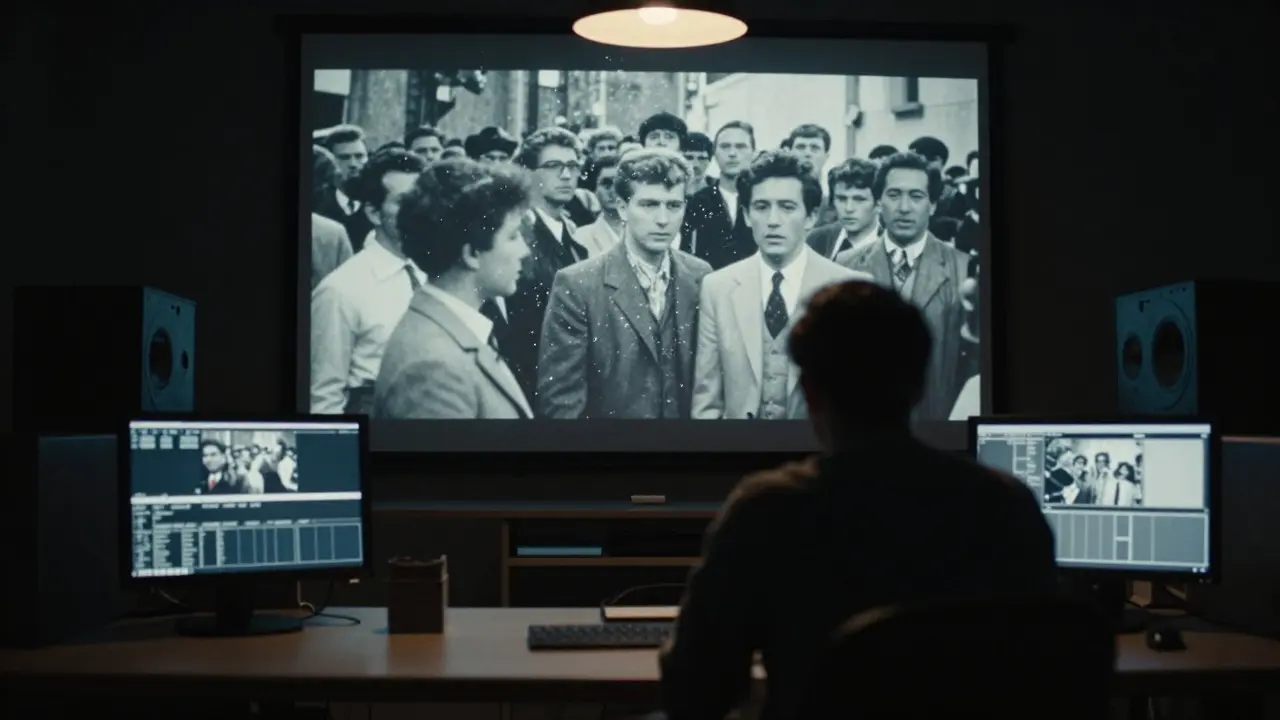
Imagine you are sitting in a dark room, watching a grainy clip from 1968. The audio crackles, but the image is sharp enough to see the faces of people who have long since passed away. Suddenly, the past feels immediate. This is the power of found footage. It is not just old video; it is a primary source that breathes life into historical narratives. For documentary filmmakers, archival research is the backbone of credibility. Without it, your story relies solely on interviews and speculation. With it, you offer proof.
However, digging through archives is not like searching YouTube. It requires specific skills, patience, and a clear understanding of legal rights. Many first-time directors get stuck in the 'research rabbit hole,' spending months finding clips they cannot afford or use legally. This guide breaks down the process of locating, evaluating, and clearing archival materials so you can focus on storytelling rather than administrative headaches.
Why Archival Material Matters More Than Ever
In an era of high-definition digital cameras, why would anyone use low-resolution tape? The answer lies in authenticity. Audiences today are skeptical of polished production values when dealing with history. They want to see the real thing. According to data from the Association of Moving Image Archivists, over 50% of contemporary documentaries incorporate some form of non-fiction footage to anchor their arguments.
Found footage serves three main purposes:
- Evidence: It proves an event happened exactly as described.
- Atmosphere: It sets the time period without needing expensive set design.
- Emotional Anchor: Seeing real people react to events often carries more weight than an actor’s performance.
Consider the film Man on Wire. The director James Marsh used actual security camera footage from the World Trade Center towers. That raw, unedited perspective created a tension that no staged shot could replicate. If you are making a doc about a local protest, news reels from that day will resonate far deeper than reenactments.
The Difference Between Archives and Stock Libraries
A common mistake beginners make is confusing public archives with commercial stock libraries. They serve different functions and come with different costs.
| Feature | Public/Historical Archives | Commercial Stock Agencies |
|---|---|---|
| Content Type | News reels, government records, personal home movies, broadcast news | Generic b-roll, modern lifestyle clips, generic cityscapes |
| Cost Structure | Often free for educational/non-profit; licensing fees vary for commercial | Per-clip licensing fees (can range from $50 to $5,000+) |
| Curation | Curated by historians/librarians; strong metadata | Curated by sales teams; keyword-based search |
| Rights Status | Complex; may require permission from original creators/estates | Cleared upfront; agency handles rights |
If you need a shot of a car driving down a highway in 2024, go to a stock agency. If you need a shot of a car driving down a highway in 1974 during a fuel crisis, you need a historical archive. Knowing this distinction early saves weeks of wasted searching.
Step-by-Step: How to Locate Specific Footage
Effective archival research starts with broad keywords and narrows down to specific dates and locations. Here is a practical workflow used by professional researchers:
- Define the Narrative Gap: Before searching, list exactly what you need. Do not just write "1960s street scenes." Write "Street scene in Chicago, winter, 1965, showing snow removal." Specificity yields better results.
- Start with National Sources: In the US, the Library of Congress and the National Archives hold vast collections. Many are digitized and searchable online. Check if the footage is in the public domain (US government works usually are).
- Contact Local News Stations: Local TV stations often keep physical tapes of local events that never made national networks. These are goldmines for hyper-local documentaries. Call their archive departments directly.
- Explore University Collections: Film schools and universities often hold special collections of regional interest. These are less crowded than major national archives.
- Use Specialized Databases: Platforms like Prelinger Archives (Internet Archive) offer thousands of hours of industrial, amateur, and educational films from the 20th century, all in the public domain.
Pro tip: Always ask archivists for 'related series.' Often, the clip you want is part of a larger reel that contains other useful context. Buying the whole reel might be cheaper than licensing individual clips.
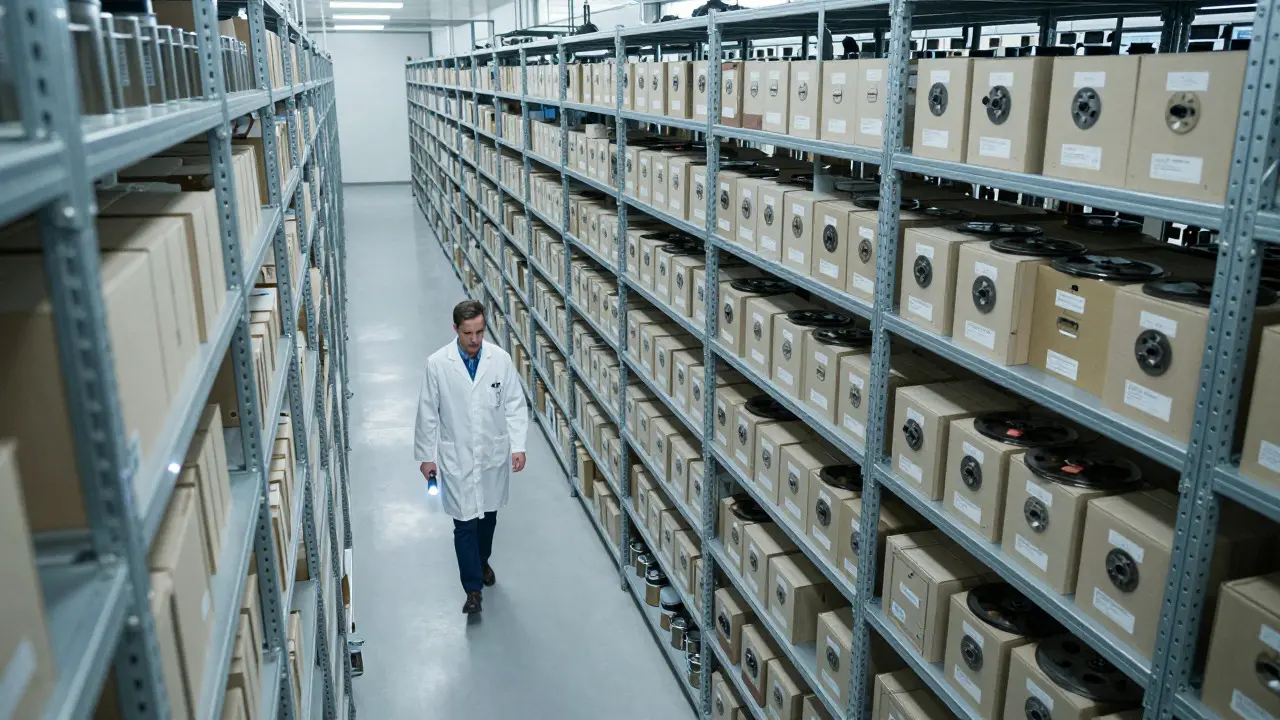
Navigating Copyright and Licensing Fees
This is where most budgets blow up. Understanding copyright law is essential. There are two main categories of footage: Public Domain and Copyrighted.
Public Domain is material that is not protected by intellectual property laws such as copyright, trademark, or patent laws. In the US, any work published before 1929 is currently in the public domain. Also, works created by the US federal government are generally public domain. If you find footage from the 1930s, double-check the publication date. If it was published with a proper copyright notice, it might still be protected. If it was published without a notice, it likely entered the public domain automatically.
For copyrighted material, you need a license. The cost depends on three factors:
- Duration: How many seconds of the clip do you use?
- Territory: Where will the film be shown? (Worldwide is most expensive.)
- Term: How long can you show it? (One year vs. perpetual.)
A typical fee for a 10-second clip from a major news agency might range from $500 to $2,000 for a small independent film. However, many archives offer discounted rates for student projects or non-profits. Always negotiate. Mention your budget constraints early. Archivists deal with hundreds of requests; they expect negotiation.
Evaluating Quality and Usability
Just because you found the right clip doesn't mean it's usable. You must assess the technical quality before committing money.
- Resolution: Can it be upscaled to match your final output? If your film is 4K, a 480i VHS tape will look terrible unless you use AI upscaling tools, which can introduce artifacts.
- Audio: Is the audio sync intact? Often, old news reels have poor audio. You might need to mute the original track and add narration or music.
- Aspect Ratio: Old footage is often 4:3. Your film might be 16:9. Decide early if you will crop, pillarbox (black bars), or blur-fill the background.
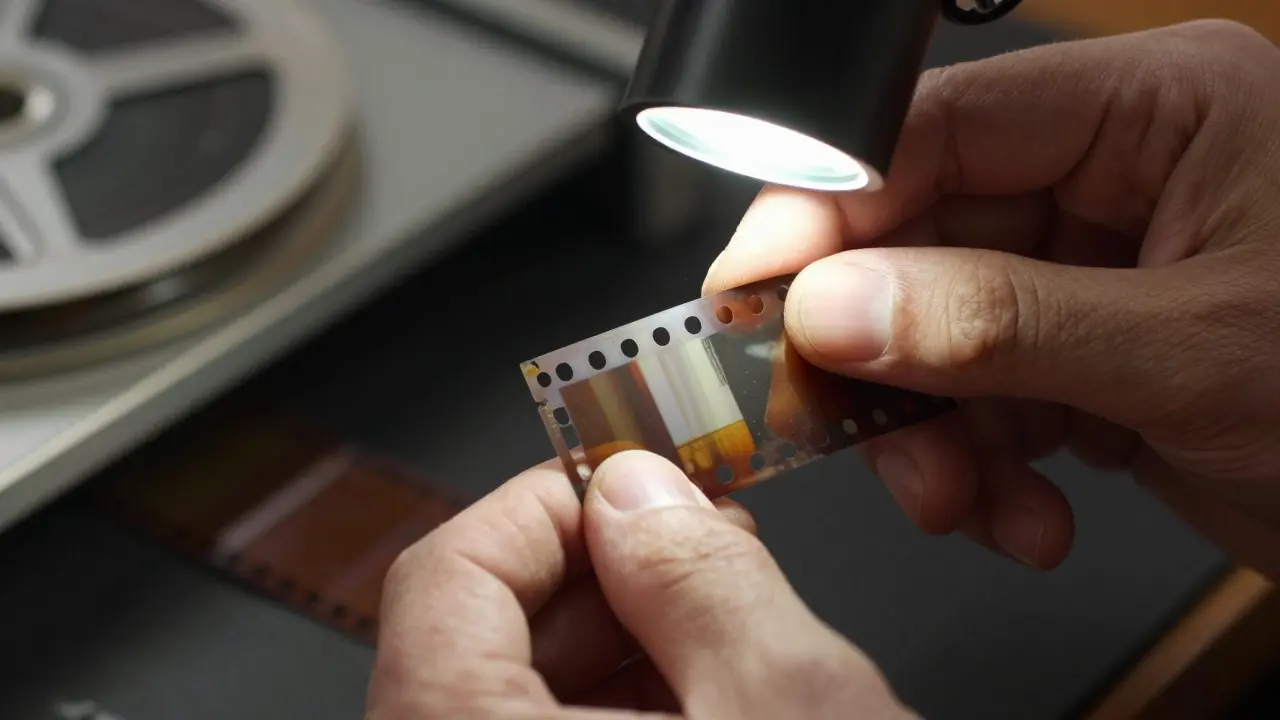
- Degradation: Look for flicker, tracking errors, or water damage. Some defects can be fixed in post-production; others cannot.
Always request a digital preview file before signing a license agreement. Never pay for a clip you haven't seen in its highest available resolution.
Common Pitfalls to Avoid
Even experienced filmmakers make mistakes with archives. Here are the top three traps:
- Ignoring Music Rights: If the archival clip contains recognizable music, you need to clear that music separately. This is a huge hidden cost. Try to find clips with only ambient sound or silence.
- Over-reliance on One Source: If you use too much footage from one archive, your film may feel visually repetitive. Mix sources to maintain visual variety.
- Forgetting Attribution: Even if you don't have to credit the archive in the end credits (check the contract), it is good practice to include a line like "Footage courtesy of [Archive Name]." It builds relationships for future projects.
Next Steps for Your Project
Start small. Pick one key scene in your script that absolutely needs archival support. Spend one week researching just that scene. Contact two archives, request previews, and estimate the cost. Once you have a handle on the process for that single scene, expand your research. Keep a spreadsheet tracking every clip you view, its source, cost, and status. This simple tool prevents duplicate payments and keeps your editor organized.
Archival research is a marathon, not a sprint. But when that perfect clip lands on the timeline, and the audience gasps at the reality of the image, you’ll know it was worth every hour spent digging through dusty boxes and database searches.
How much does it cost to license archival footage?
Costs vary widely. Public domain footage is free. Commercial stock clips can cost between $50 and $500 per second. Major news archives may charge $500 to $2,000 for a short clip for independent films. Factors like duration, territory, and term length affect the price.
Where can I find free archival footage?
The Internet Archive’s Prelinger Archives offers thousands of hours of public domain films. The Library of Congress has a digitized collection of historical footage. The US National Archives also provides public domain videos from government sources. Always verify the copyright status before using them commercially.
Do I need permission to use news footage?
Usually, yes. While news broadcasts themselves are often fair use for commentary, the underlying footage is owned by the network or agency. To avoid legal risk, especially for commercial distribution, it is best to obtain a license from the holding company or archive.
What is the difference between archival research and stock footage?
Archival research involves finding specific, historically relevant clips (like a specific political speech) from curated collections. Stock footage consists of generic, pre-made clips (like someone typing on a computer) sold by agencies for easy access. Archival is narrative-driven; stock is utility-driven.
Can I use AI to upscale old footage?
Yes, tools like Topaz Video AI can significantly improve the resolution of older clips. However, be careful of artificial artifacts. Test the upscaled version against your final color grade to ensure it blends well with modern shots.



Comments(7)