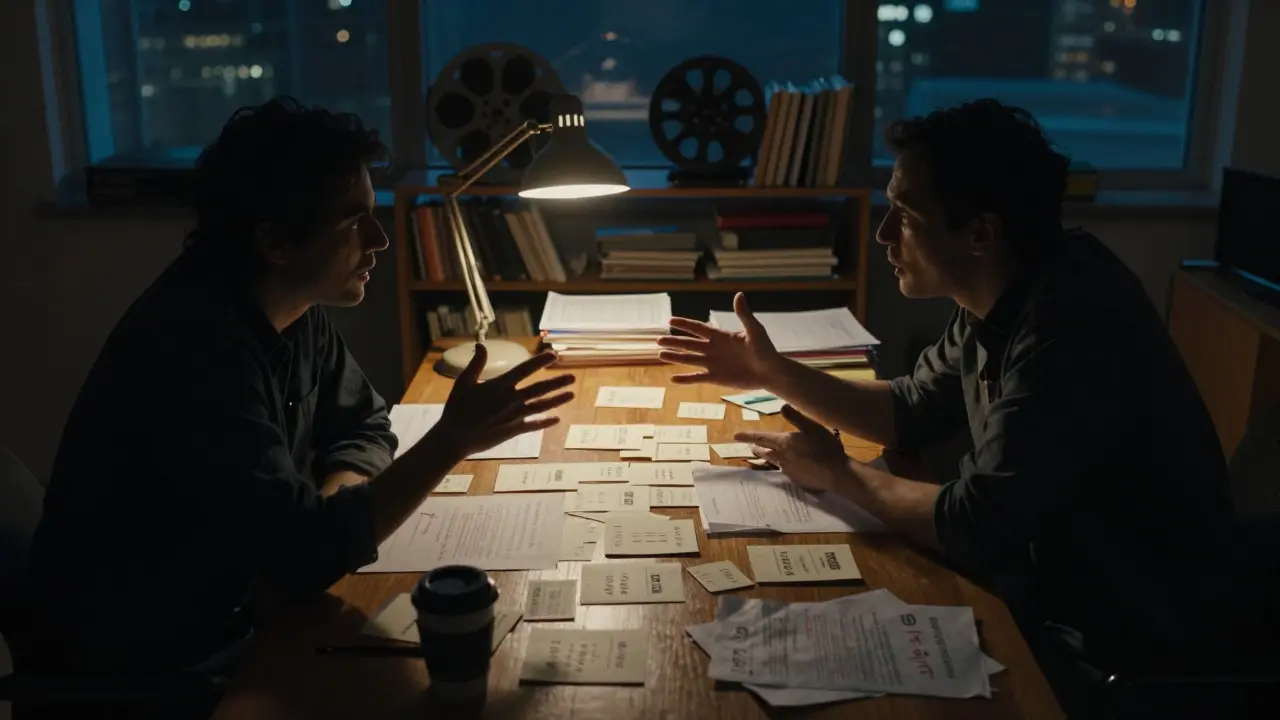
There is a common myth that the director takes the script and the writer goes home. In reality, the best films are born from a messy, continuous conversation between these two roles. When Director-Writer Collaboration is a creative partnership where the filmmaker and the screenwriter merge their visions to transform written words into visual storytelling, the result is often more than the sum of its parts. Think of it like a jazz duo; one sets the key, the other improvises the melody, but they have to listen to each other constantly to avoid falling out of sync.
This relationship isn't just about politeness or ego management. It is a technical and artistic necessity. A script is a blueprint, not the building. The director brings the camera, the actors, and the pacing, while the writer brings the soul, the dialogue, and the structure. If you ignore this dynamic, you end up with a movie that feels disjointed-great lines that don't fit the visuals, or stunning shots that lack emotional weight. Here is how to make that transition from page to screen actually work.
Why the Handoff Often Fails
Most breakdowns happen in the gap between the final draft and pre-production. Writers often view the script as a sacred text. They worry that if the director changes a line, the character breaks. Directors, on the other hand, see the script as a starting point for a visual medium. They know that what works on paper might feel static on screen.
The core issue is usually a mismatch in language. Writers think in subtext and internal monologue. Directors think in blocking, lighting, and rhythm. When a writer says, "The character needs to feel isolated here," a director hears, "Let's use a wide shot and remove background noise." That translation is where magic happens, but it also creates friction if not managed properly. You need a shared vocabulary early on.
The Pre-Production Conversation
Don't wait until the first day of shooting to discuss changes. The most effective collaboration starts during Pre-Production is the phase of filmmaking before principal photography begins, involving planning, casting, location scouting, and script polishing. This is when you can still move mountains without breaking the budget.
- Script Breakdown: Go through the script scene by scene. Identify which scenes rely heavily on dialogue and which are visual. Flag any pages that feel thin. These are your candidates for rewriting or restructuring.
- Character Mapping: Discuss who the characters are beyond their dialogue. What do they want? What are they afraid of? If the director has a different interpretation of the protagonist’s motivation than the writer, settle it now. Not on set.
- Visual References: Share mood boards or reference films. If the writer envisions a quiet, intimate drama, show them films like *Manchester by the Sea*. If the director wants high energy, show them *Whiplash*. Aligning expectations visually saves weeks of debate.
During Production: Protecting the Core
Once cameras roll, the script becomes a living document. Lines will be cut. Scenes will be reordered. Actors will find new rhythms. This is normal. The goal is to protect the intent of the story, even if the execution changes.
Writers should be present on set, but not hovering over the director’s shoulder. Their job is to answer questions. "Did we mean for him to be angry or sad here?" "Is this joke too long?" Having the writer available ensures that ad-libbing doesn't derail the narrative arc. Conversely, directors should communicate changes clearly. If a scene is being cut, tell the writer why. Is it pacing? Budget? Performance? Transparency keeps trust intact.
Consider the case of Christopher Nolan is a British-American filmmaker known for his complex narratives and practical effects, who frequently co-writes with his brother Jonathan Nolan. His collaboration with his brother is a prime example of structural rigor. They plan every frame before shooting. The writer (Jonathan) builds the puzzle pieces, and the director (Christopher) figures out how to assemble them visually. There is no ambiguity because the rules were set in stone before production started.

Post-Production: The Final Polish
Many people think the writing ends when the script is locked. It doesn’t. The edit room is where the story is truly finalized. Dialogue can be tightened. Pacing can be adjusted. Sometimes, a scene that felt perfect on paper drags in the cut. Other times, a rushed moment needs breathing room.
Invite the writer back for the rough cut. Let them hear the film. They will often spot inconsistencies that the director missed because they were focused on the visual flow. For example, a character might say something in Act 3 that contradicts their established voice in Act 1. The writer knows the voice; the director sees the performance. Together, they can fix it with a small tweak in the edit or a quick reshoot if necessary.
Common Pitfalls to Avoid
- The Silent Treatment: Ignoring the writer after signing off on the script leads to resentment and a lack of ownership. Keep them in the loop.
- Micro-Managing: Directors shouldn't rewrite entire scenes on the fly without consulting the writer. It undermines their authority and confuses the cast.
- Ego Clashes: Remember, neither role is superior. The writer created the world; the director inhabits it. Respect that distinction.
- Lack of Documentation: Always keep a master version of the script. Track changes in a separate log so you know exactly what was altered and why.
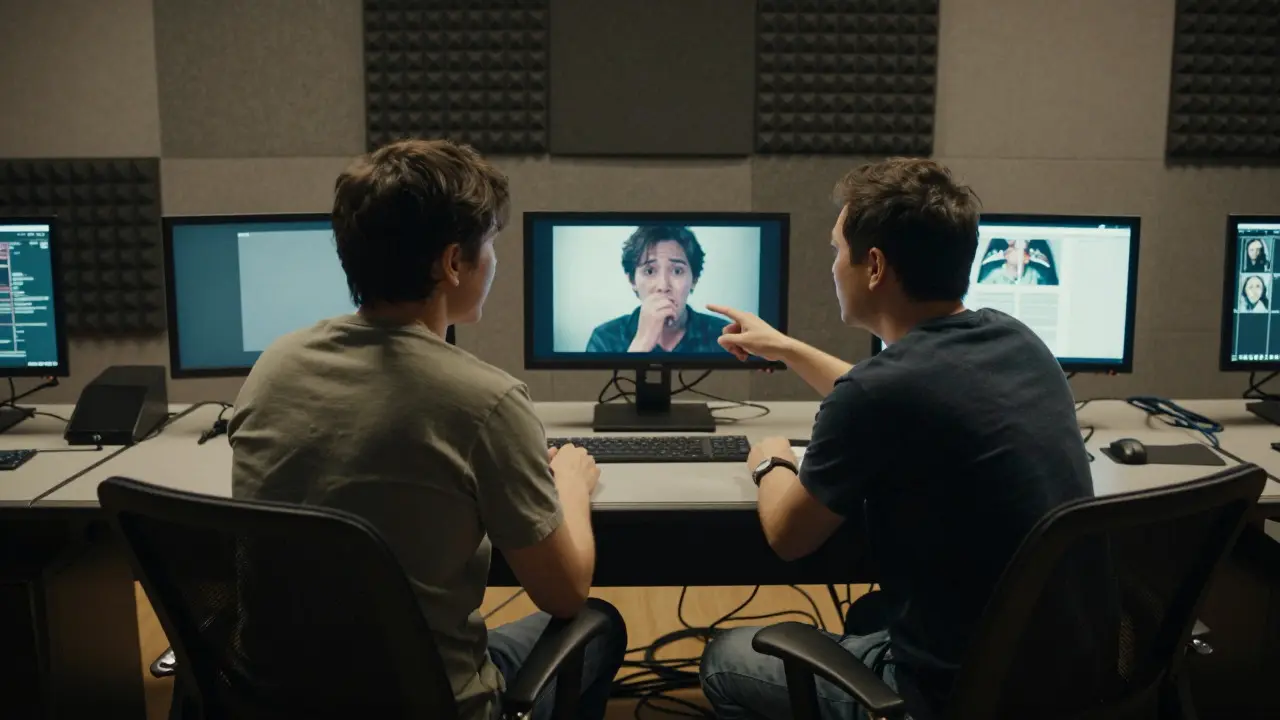
Tools for Better Communication
You don’t need expensive software to collaborate, but you do need clarity. Use simple tools that both parties understand.
| Tool Type | Best For | Limitation |
|---|---|---|
| Shared Cloud Documents | Real-time script editing and notes | Version control can get messy if not disciplined |
| Video Conferencing | Remote feedback sessions and table reads | Lacks the nuance of in-person chemistry discussions |
| Physical Script Markups | On-set quick fixes and actor adjustments | Hard to track changes across multiple days |
For remote teams, video calls are essential. Do a full table read via Zoom before locking the script. Hearing the dialogue spoken aloud reveals clunky phrasing that looks fine on the page. For local teams, meet in person. Walk through the locations together. Seeing the space helps the writer understand what is physically possible, and it helps the director visualize the blocking.
Building a Long-Term Partnership
The best director-writer pairs often work together repeatedly. Quentin Tarantino is an American filmmaker and screenwriter famous for his non-linear narratives and distinctive dialogue, who frequently collaborates with producers and writers on recurring projects and Pamela Anderson is an actress and producer known for her work in television and film, who has collaborated with various directors on diverse genres may seem like an odd pair to mention together, but the principle holds: familiarity breeds efficiency. When you’ve worked together before, you skip the introductory phases. You know how the other thinks. You know where the pain points are.
If you’re new to this dynamic, start small. Work on a short film. The stakes are lower, the timeline is shorter, and you can learn how you interact under pressure. Note what went well. Note what caused friction. Adjust your approach for the next project. Over time, you’ll develop a shorthand that makes the process smoother and more creative.
Ultimately, the goal is a film that feels unified. The audience shouldn’t be able to tell where the writer’s vision ended and the director’s began. They should just feel the story. That seamless blend is the mark of true professional collaboration.
Should the writer be present on set?
Ideally, yes, but in a supportive role. The writer can answer questions about character intent and tone. However, they should avoid interfering with the director’s immediate decisions regarding acting or camera placement unless specifically asked for input.
What if the director wants to change a major plot point?
This requires a serious discussion. Ask for the reasoning. Is it a budget issue? A casting concern? A pacing problem? If the change serves the story, accept it. If it undermines the theme, negotiate. Sometimes a compromise, like adjusting the ending rather than the whole plot, works best.
How do you handle creative differences?
Focus on the objective. What is the story trying to say? Use that as the tiebreaker. If two ideas serve the same goal, pick the one that is easier to execute or more visually interesting. Avoid personal attacks and stick to the craft.
Is it better to hire a separate director and writer?
Not necessarily. Many great films come from collaborations between distinct individuals. The key is mutual respect and clear communication. Hiring a team you trust, whether they are friends or strangers, matters more than whether they are the same person.
When does the writing process really end?
Technically, it never fully ends until the film is released. But practically, the heavy lifting is done by the end of pre-production. Post-production tweaks are minor adjustments, not rewrites. Plan for the bulk of the work to be completed before cameras roll.