You know that feeling when you watch a movie and realize it’s not just entertainment, but a piece of history? It’s like finding a time capsule. Cinema Movements are these bursts of creative energy where groups of filmmakers broke the rules all at once. They didn’t just make movies; they changed how we see the world. From the gritty streets of post-war Italy to the stylish cafes of Paris, these shifts defined entire decades.
The Raw Truth of Italian Neorealism
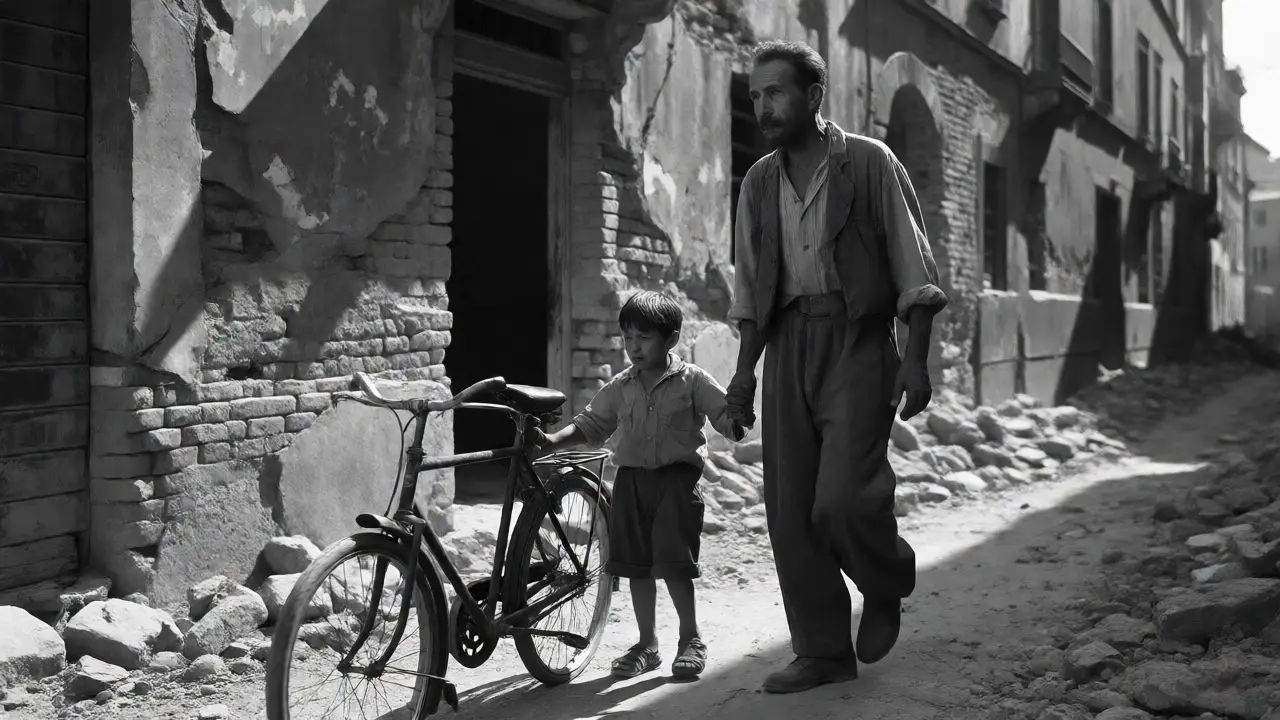
Let’s start in the late 1940s. World War II had just ended, leaving Italy in ruins. You couldn’t pretend everything was fine with glossy Hollywood sets. So, directors like Roberto Rossellini and Vittorio De Sica took their cameras outside. This was Italian Neorealism. It was a film movement characterized by stories set amongst the poor and working class, filmed on location, often using non-professional actors. The goal wasn’t glamour; it was truth.
Think about *Bicycle Thieves*. No stars. No studio lights. Just a father searching for his bike in Rome. Why did this matter? Because it showed regular people their own lives on screen. Before this, cinema was mostly about fantasy. Neorealism said, "No, look here. Look at us." It influenced everyone from Satyajit Ray in India to the French New Wave later on. If you want to understand modern indie film, you have to understand Neorealism first.
French New Wave: Breaking the Fourth Wall
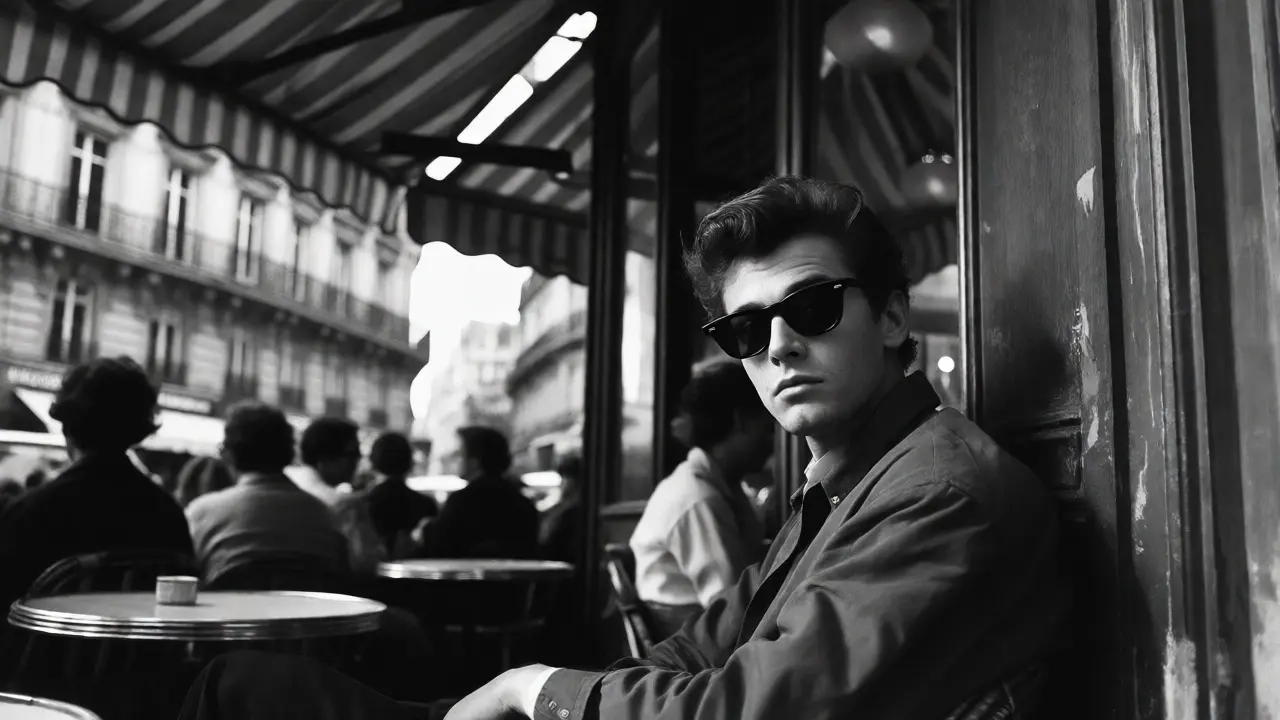
Fast forward to the late 1950s. France is buzzing with intellectual energy. Young critics who wrote for *Cahiers du Cinéma* decided they could make better movies than the established directors. Enter Jean-Luc Godard and François Truffaut. They launched the French New Wave, also known as La Nouvelle Vague. This movement rejected traditional filming techniques, favoring jump cuts, handheld cameras, and improvised dialogue.
Godard’s *Breathless* is the perfect example. He cut scenes abruptly, breaking continuity rules that had been sacred for decades. Why? To keep the audience awake. He wanted you to know you were watching a movie. This style felt fast, chaotic, and alive. It mirrored the youth culture of the time. Suddenly, editing wasn’t just about smooth transitions; it was a tool for expression. Every filmmaker since has borrowed a trick or two from this era.
Czechoslovak New Wave: Absurdity as Resistance
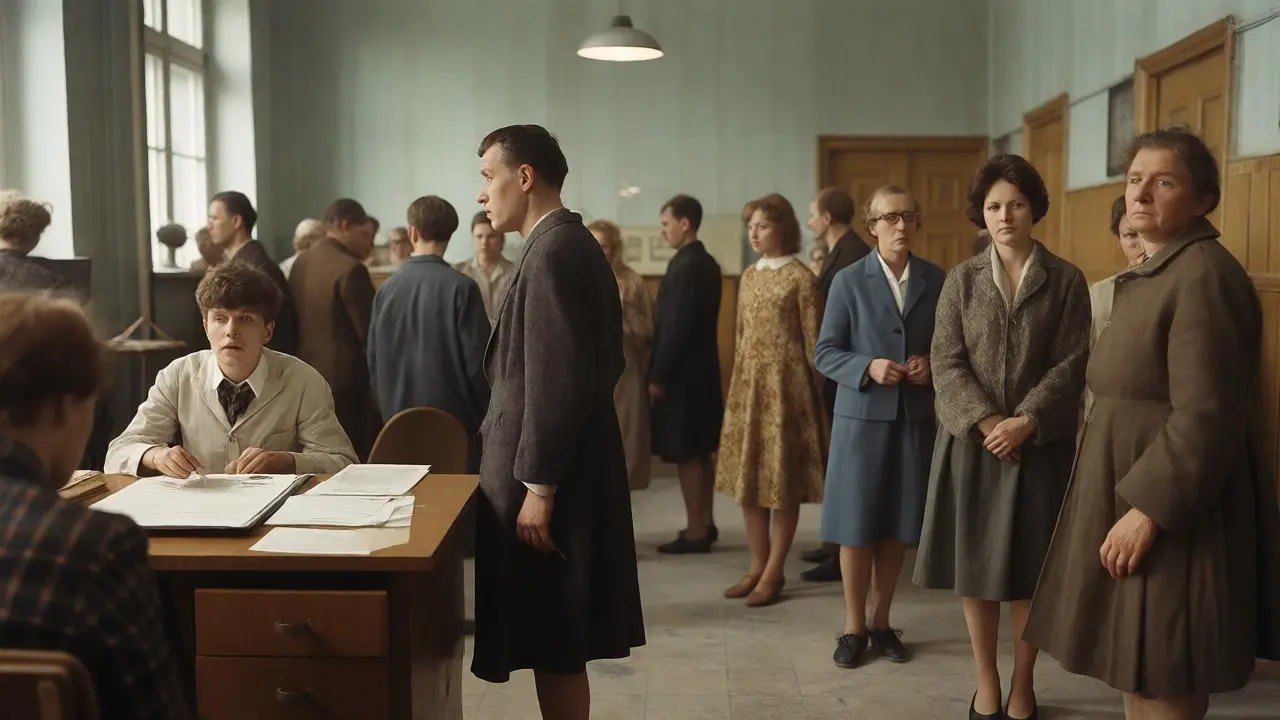
While Paris was cool, Prague was weird. In the early 1960s, Czech filmmakers used absurd humor to critique their communist government without getting banned. This was the Czechoslovak New Wave. Directors like Miloš Forman and Jiří Menzel focused on everyday life, highlighting the ridiculousness of bureaucracy and social norms through subtle satire.
Miloš Forman’s *Loves of a Blonde* shows young workers trying to find love in a dull town. It’s funny, but it’s also sad. The movement peaked before the Soviet invasion in 1968 crushed it. But its legacy remains. It taught us that you don’t need big explosions to make a political statement. Sometimes, showing someone fail to get a date says more about society than a war epic.
| Movement | Era | Key Technique | Primary Theme |
|---|---|---|---|
| Italian Neorealism | 1943-1952 | Non-professional actors, location shooting | Social realism, poverty |
| French New Wave | 1958-1964 | Jump cuts, handheld cameras | Youth rebellion, existentialism |
| Czechoslovak New Wave | 1963-1968 | Absurdist humor, documentary style | Bureaucracy, daily life |
| New Hollywood | 1967-1980 | Anti-heroes, moral ambiguity | Distrust of authority, counterculture |
New Hollywood: The American Revolt
By the late 1960s, America was changing. Vietnam, civil rights, Watergate-the old system felt broken. Studios were failing. Then came a group of film school graduates: Scorsese, Coppola, Spielberg, Lucas. They created New Hollywood, also called the American New Wave. This period saw directors taking creative control away from studio executives, resulting in darker, more complex narratives.
Consider *The Graduate* or *Taxi Driver*. These weren’t clean-cut heroes saving the day. Travis Bickle in *Taxi Driver* is lonely, angry, and possibly dangerous. Audiences loved him because he felt real. This era proved that blockbusters didn’t have to be simple. *Jaws* and *Star Wars* started the blockbuster trend, but films like *Apocalypse Now* pushed artistic boundaries. For a brief moment, art and commerce coexisted in mainstream cinema.
Global Echoes and Modern Legacies
These movements didn’t stay local. Japanese director Akira Kurosawa influenced George Lucas. Indian parallel cinema drew from Neorealism. Even today, you see echoes everywhere. The mumblecore genre uses naturalistic dialogue similar to the French New Wave. Social realist dramas in the UK still owe a debt to Italy. What makes these movements stick? They responded to specific historical pressures. When society cracks, art changes shape.
If you’re looking to expand your film knowledge, don’t just watch the famous ones. Dig into the context. Why did Godard use jump cuts? Because TV was becoming popular, and he wanted cinema to feel different. Why did Forman focus on small moments? Because grand narratives were suspect under communism. Understanding the "why" makes the "what" much more interesting.
Frequently Asked Questions
What defines a cinema movement?
A cinema movement is a period where a group of filmmakers share common aesthetic and thematic goals, often reacting against previous styles or societal conditions. They typically emerge within a specific country or region and influence global filmmaking trends.
Why did Italian Neorealism end?
Italian Neorealism declined in the early 1950s due to economic recovery in Italy, which reduced the immediate need for social commentary, and pressure from the US government, which preferred optimistic films over depictions of poverty and despair.
How did the French New Wave change editing?
The French New Wave introduced jump cuts, where consecutive shots of the same subject are edited together with slight variations, breaking the standard continuity rule. This technique kept viewers engaged and highlighted the artificial nature of film editing.
Was New Hollywood a single movement?
New Hollywood was less of a unified aesthetic movement and more of an industrial shift. It was characterized by director-driven projects and moral ambiguity, but directors like Spielberg and Scorsese had very different styles compared to each other.
Are there current cinema movements?
While distinct national movements are rarer due to globalization, regional waves like the Korean New Wave (e.g., Bong Joon-ho) and the Iranian New Wave continue to gain international recognition, often focusing on social issues and unique visual storytelling.