Have you ever watched a movie and felt like you could smell the rain on the cobblestones or feel the grit of a dystopian city in your lungs? That immersion doesn't happen by accident. It is the result of months of sweat, sawdust, and strategic planning by production designers and their teams. While actors steal the spotlight, the world they inhabit is built from scratch, often right under your nose.
Production design is the visual backbone of cinema. It transforms abstract scripts into tangible environments that tell stories without words. Whether it is a sprawling fantasy kingdom or a claustrophobic apartment in New York City, every wall, prop, and light fixture serves a narrative purpose. Understanding how these spaces are constructed reveals the magic behind the illusion.
Key Takeaways
- Production design begins with script analysis and mood boards long before any hammer swings.
- Set construction involves specialized trades like carpentry, painting, and finishing to create realistic textures.
- Practical effects and forced perspective tricks help filmmakers achieve impossible shots within budget constraints.
- The collaboration between the production designer, director, and cinematographer defines the film's visual language.
- Sustainability is becoming a major factor in modern set building, with reusable materials gaining traction.
The Blueprint: From Script to Sketch
Before a single piece of lumber is cut, the process starts in the mind of the Production Designer, who is responsible for the overall visual look of the film. This role is distinct from the art director or set decorator, though all three work closely together. The production designer reads the script and identifies key locations, emotional tones, and historical periods. They then create concept art and mood boards to communicate this vision to the director and producers.
This phase is critical because it establishes the "rules" of the world. Is the lighting harsh and fluorescent, suggesting a sterile corporate environment? Or is it warm and dim, implying intimacy and decay? These decisions dictate the materials used later. For example, a scene set in a 1920s speakeasy requires different textures and color palettes than a futuristic space station. The production designer works with the Art Director, who manages the logistics of building these concepts. Together, they draft detailed floor plans and elevations that guide the construction team.
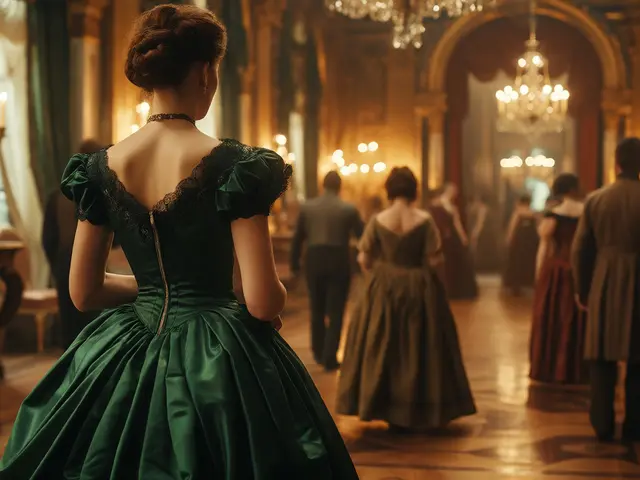
Research plays a huge role here. If a film is set in Victorian London, the team might visit museums, study architectural photographs, and even consult historians. This attention to detail ensures authenticity. A misplaced doorknob or anachronistic wallpaper can break the audience's suspension of disbelief. The goal is not just accuracy, but emotional resonance. Every element must support the story being told.
Raising the Walls: Set Construction Basics
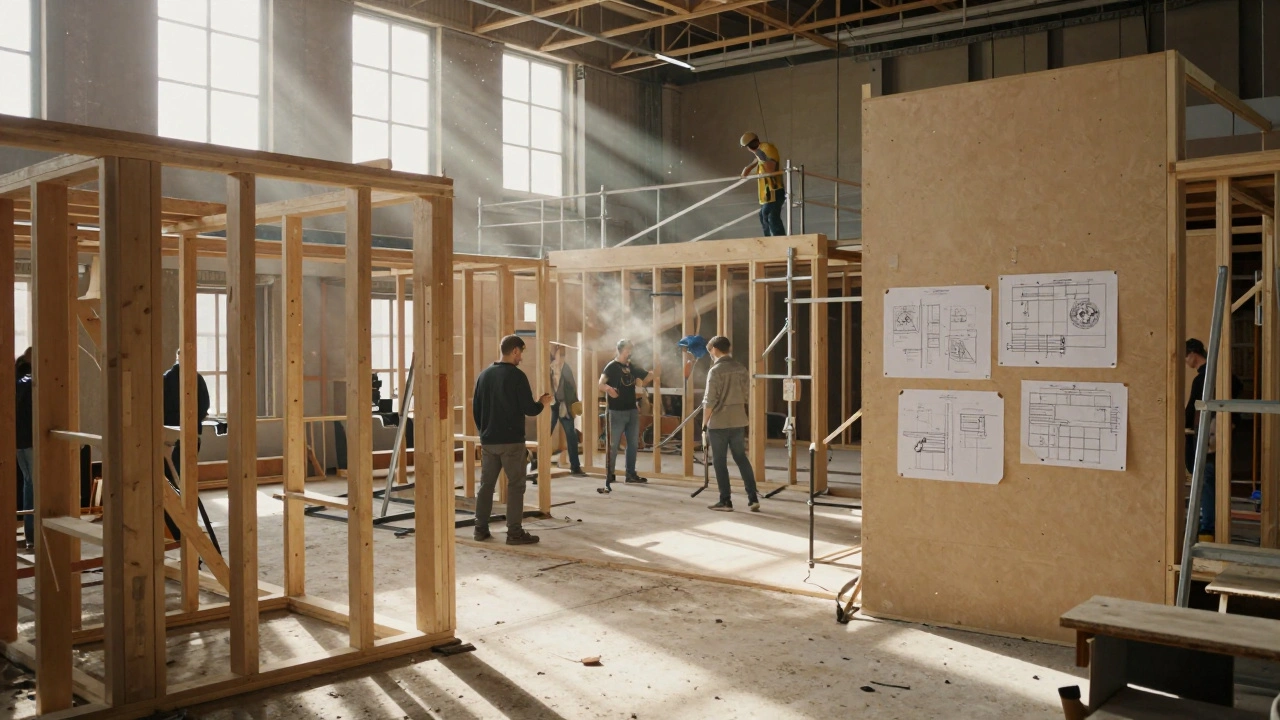
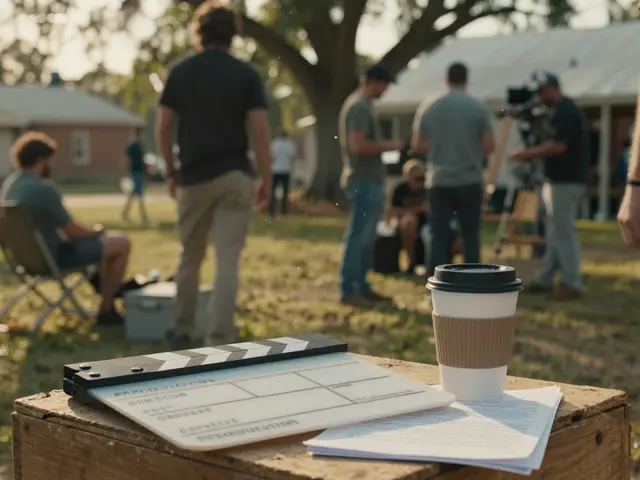
Once the designs are approved, the physical build begins. This is where the Set Construction department takes over. Led by the head carpenter, this team translates drawings into reality using wood, metal, drywall, and foam. Most interior scenes are shot on soundstages, allowing complete control over lighting and sound. Exterior scenes might be built as partial facades or fully enclosed structures depending on the needs of the shoot.
Carpenters construct the basic framework, known as the "shell." This includes walls, floors, and ceilings. Unlike real buildings, film sets are designed for camera angles, not human comfort. Walls might be curved to avoid shadows, or doors might be oversized to accommodate equipment. Windows are often fake, painted onto backdrops or covered with glass to allow lighting from outside.
After the frame is up, other specialists come in. Electricians install wiring for lights and practical appliances. Plasterers add texture to walls, creating cracks, peeling paint, or ornate moldings. Painters apply colors and finishes, often using techniques like sponging or rag-rolling to age surfaces quickly. This layering process gives the set depth and realism. A plain white wall looks flat on camera; a textured, slightly discolored wall feels lived-in.
The Devil in the Details: Props and Dressing
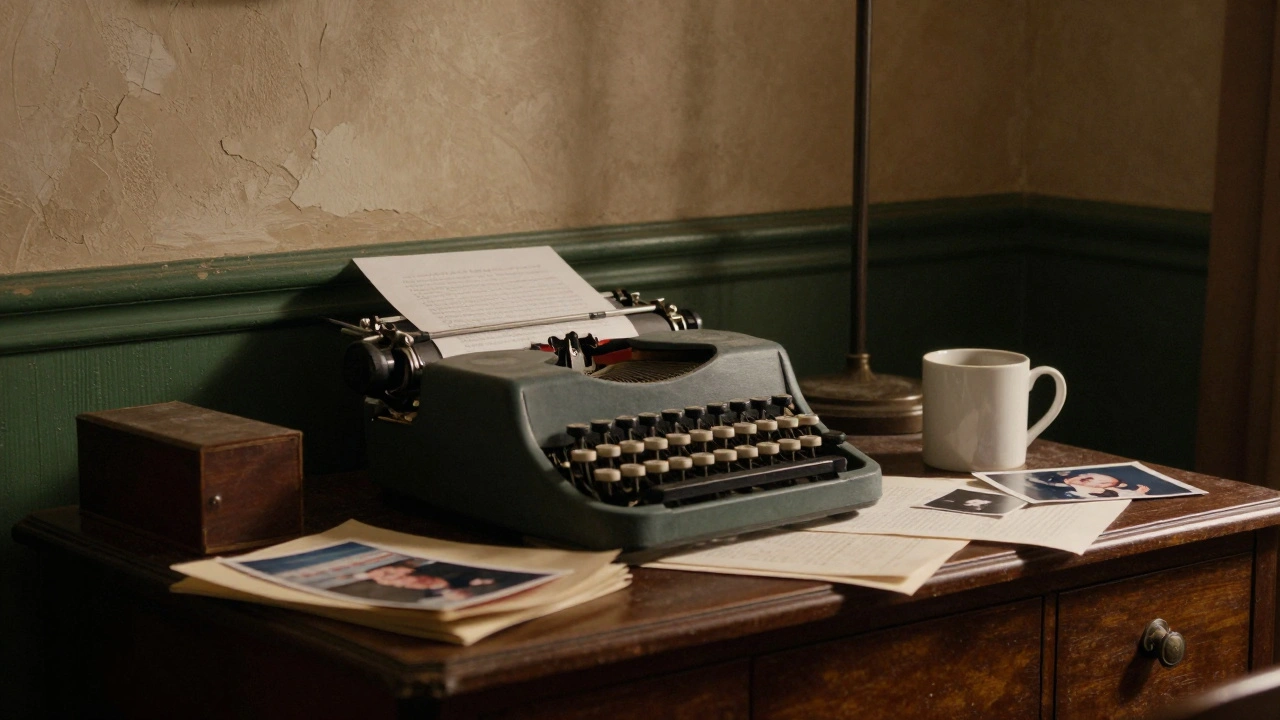
A bare set is just a room. It becomes a character through dressing. This is the job of the Set Decorator. They source or create every movable object in the scene: furniture, books, kitchenware, clothing, and personal items. These props reveal backstory. A cluttered desk suggests a busy executive; a tidy, empty shelf implies minimalism or recent departure.
Sourcing props can be challenging. Items might be rented from prop houses, bought second-hand, or custom-made. Custom props require artisans skilled in woodworking, metalworking, or 3D printing. For instance, a sci-fi movie might need unique gadgets that don't exist in real life. These props must look functional, even if they are hollow shells.
Dressing also involves styling. The set decorator works with the costume department to ensure consistency. Colors should complement costumes, not clash. Lighting fixtures placed on set must match the period and style. Even small details, like the brand of coffee mug or the type of newspaper on the table, contribute to the world-building. Audiences may not consciously notice these elements, but they subconsciously absorb them, enhancing immersion.
Tricking the Eye: Practical Effects and Perspective
Filmmakers often use clever tricks to make sets appear larger, smaller, or more dangerous than they are. One common technique is Forced Perspective. By placing objects at specific distances from the camera, creators can manipulate perceived size. A hallway might be built narrower at one end than the other, making it seem longer on screen. Actors might stand further away to appear smaller next to a giant monster puppet.
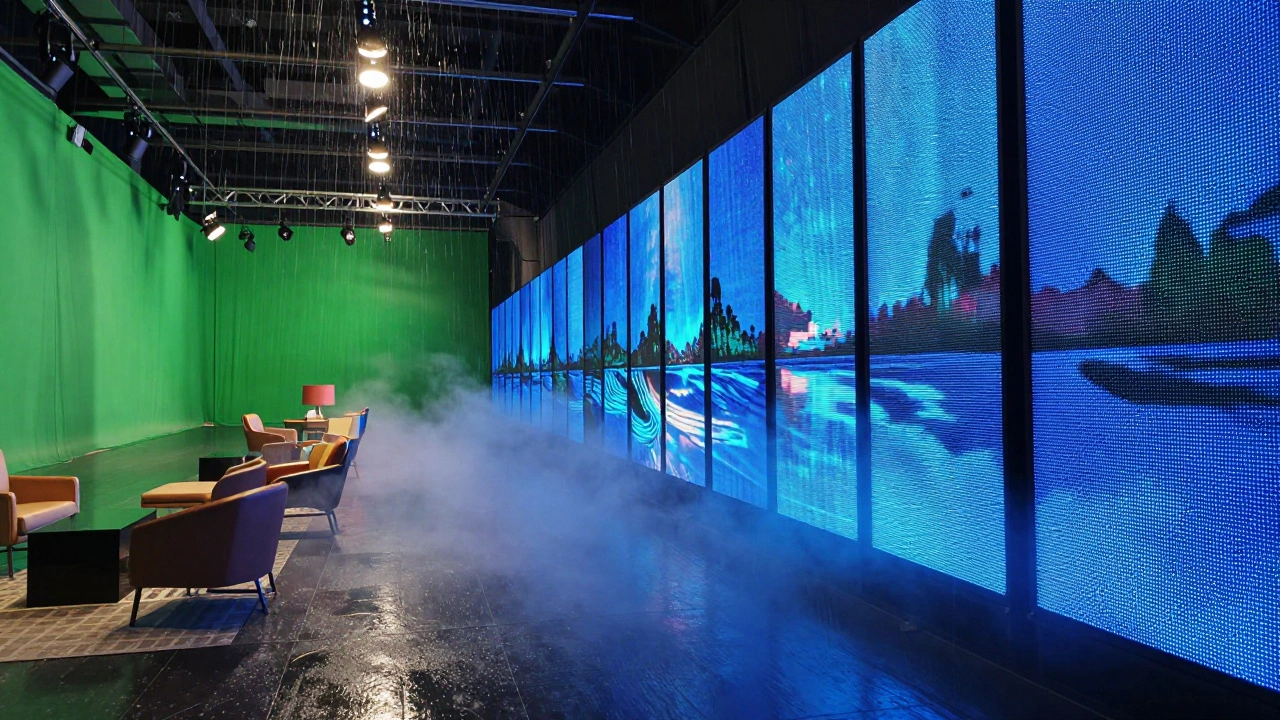
Practical effects add another layer of realism. Rain machines, wind fans, and smoke generators simulate weather conditions. Fire rigs create controlled burns for dramatic effect. These effects are safer and more interactive than computer-generated imagery (CGI) alone. Actors can react to real water or heat, leading to more authentic performances.
Green screens are still widely used, especially for vast landscapes or futuristic cities. However, they are increasingly combined with LED volumes, which display dynamic backgrounds around the actor. This technology, popularized by shows like *The Mandalorian*, allows for realistic lighting reflections on actors' faces and costumes. It bridges the gap between practical sets and digital environments, offering flexibility without sacrificing visual quality.
Collaboration: The Creative Triangle
Production design does not exist in isolation. It relies on tight collaboration with the director and the Cinematographer (Director of Photography). The director provides the creative vision and narrative goals. The cinematographer determines how light interacts with the set. The production designer builds the environment that supports both.
Conflicts can arise. A director might want a dark, moody scene, while the cinematographer needs enough light to expose the image properly. The production designer might suggest adding reflective surfaces or brighter colors to solve this. Communication is key. Regular meetings, called "prep," allow the team to align on visuals, schedules, and budgets. This collaborative process ensures that the final product is cohesive and compelling.
Budget constraints also shape decisions. High-end films have unlimited resources, while indie productions must be resourceful. Reusing sets, renting instead of buying, and leveraging natural locations can save money. Creativity often thrives under limitation. A simple backdrop might become iconic if lit and framed correctly. The best production designers know how to maximize impact with minimal means.
Sustainability in Modern Filmmaking
Traditionally, film sets were disposable. Once shooting wrapped, sets were demolished, and materials were thrown away. This generated massive waste. Today, there is a growing push for sustainability in production design. Studios are exploring reusable modular sets made from lightweight, recyclable materials. Some companies rent out set pieces to other productions, reducing duplication.
Digital tools also help reduce waste. Virtual pre-visualization allows teams to test layouts and lighting digitally before building physically. This minimizes errors and material usage. Additionally, some productions partner with local charities to donate usable props and furniture after filming. These efforts reflect a broader industry shift toward environmental responsibility.
While change is slow, awareness is rising. Younger filmmakers prioritize eco-friendly practices, influencing studio policies. Sustainable production design is no longer a niche concern but a standard expectation. It proves that creativity and conscience can coexist in the pursuit of cinematic excellence.
| Technique | Best For | Pros | Cons |
|---|---|---|---|
| Full Build | Interior scenes, complex interactions | Total control, high realism | Expensive, time-consuming |
| Facade Only | Exterior shots, street scenes | Cost-effective, quick setup | Limited camera angles |
| LED Volume | Sci-fi, fantasy, dynamic backgrounds | Real-time lighting, flexible | High tech cost, learning curve |
| Location Shoot | Authentic exteriors, travelogues | Natural light, genuine texture | Unpredictable weather, permits |
Common Pitfalls and Pro Tips
New production designers often fall into the trap of over-designing. Cluttered sets distract from the performance. Less is often more. Focus on key focal points that draw the eye. Use negative space to let the audience breathe.
Another mistake is ignoring scale. Props and furniture must match the actors' proportions. A chair that is too small makes the actor look gigantic; one that is too large diminishes their presence. Always check dimensions against reference photos.
Pro tip: Involve the camera operator early. Show them the set design. They can advise on sightlines and movement paths. A beautiful set is useless if the camera cannot capture it effectively.
Finally, document everything. Photograph sets during construction and dressing. These records help with continuity checks and future reference. They also serve as a portfolio piece, showcasing your problem-solving skills and aesthetic sense.
What is the difference between a production designer and an art director?
The production designer creates the overall visual concept and approves all design choices. The art director manages the day-to-day operations of the art department, ensuring the designs are built correctly and on schedule. Think of the production designer as the architect and the art director as the general contractor.
How long does it take to build a typical film set?
It varies widely. A simple room might take a few days, while a complex palace or spaceship could take weeks or months. Factors include complexity, budget, crew size, and whether materials need to be custom-made. Pre-production planning significantly impacts build time.
Are film sets real buildings?
Rarely. Most interiors are built on soundstages. Exteriors might use real locations or facades. Real buildings are difficult to modify for cameras and lighting. Sets offer total control over the environment, which is crucial for consistent filmmaking.
What software do production designers use?
Common tools include AutoCAD for technical drawings, SketchUp or Blender for 3D modeling, and Photoshop or Procreate for concept art. Unreal Engine is increasingly used for virtual pre-vis and LED volume content creation.
Can I start a career in production design without formal training?
Yes, but it helps to learn the basics. Many designers start as runners or assistants in the art department. Building a strong portfolio of sketches, models, and past projects is essential. Networking and internships provide valuable hands-on experience.


Comments(6)