Ever wondered how a blank white canvas becomes the vibrant world of Zootopia or the gritty realism of Spirited Away? It’s not magic. It’s a massive, coordinated machine known as the animation pipeline. For every second of finished film you see on screen, artists have likely spent weeks or even months crafting it frame by frame. Understanding this process reveals just how much labor, technology, and creative strategy go into bringing static images to life.
The pipeline isn’t just about drawing pictures; it’s a strict workflow that moves a project from a rough idea to a final digital master. Whether it’s traditional 2D hand-drawn animation or cutting-edge 3D CGI, the core stages remain surprisingly similar. Let’s break down exactly how these films get made, step by step.
Pre-Production: Building the Blueprint
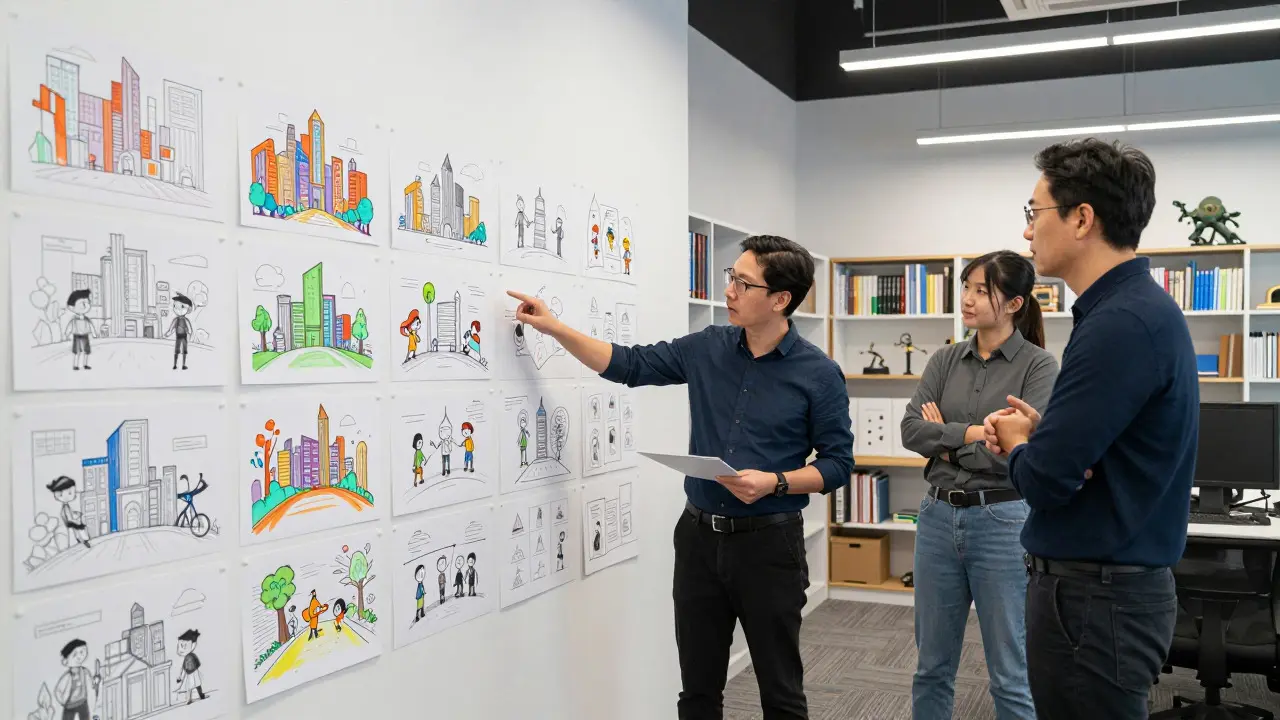
Before a single character is drawn, the team needs a solid plan. This phase is where the story is locked in. Writers craft the script, but more importantly, they create the storyboard. Think of the storyboard as a comic book version of the movie. It helps directors visualize pacing, camera angles, and key actions without committing to expensive final art yet.
- Scripting: The narrative foundation. In 2026, AI tools often help writers generate dialogue variations or check for plot holes, but human creativity still drives the heart of the story.
- Character Design: Artists create turnarounds (front, back, side views) and expression sheets. These ensure consistency across hundreds of animators working on the same character.
- Concept Art: Backgrounds, props, and lighting styles are defined here. This sets the visual tone for the entire film.
This stage also involves creating the animatic. An animatic combines the storyboard images with temporary sound effects and music. If the timing feels off in the animatic, it’s better to fix it now than after spending thousands of hours on final animation.
Production: Bringing Characters to Life
This is the heavy lifting phase. Depending on the style, this looks very different for 2D vs. 3D studios, but the goal is the same: generating the actual moving frames.
The 3D Animation Workflow
Most major studio films today use 3D pipelines. Here’s how a single shot typically flows:
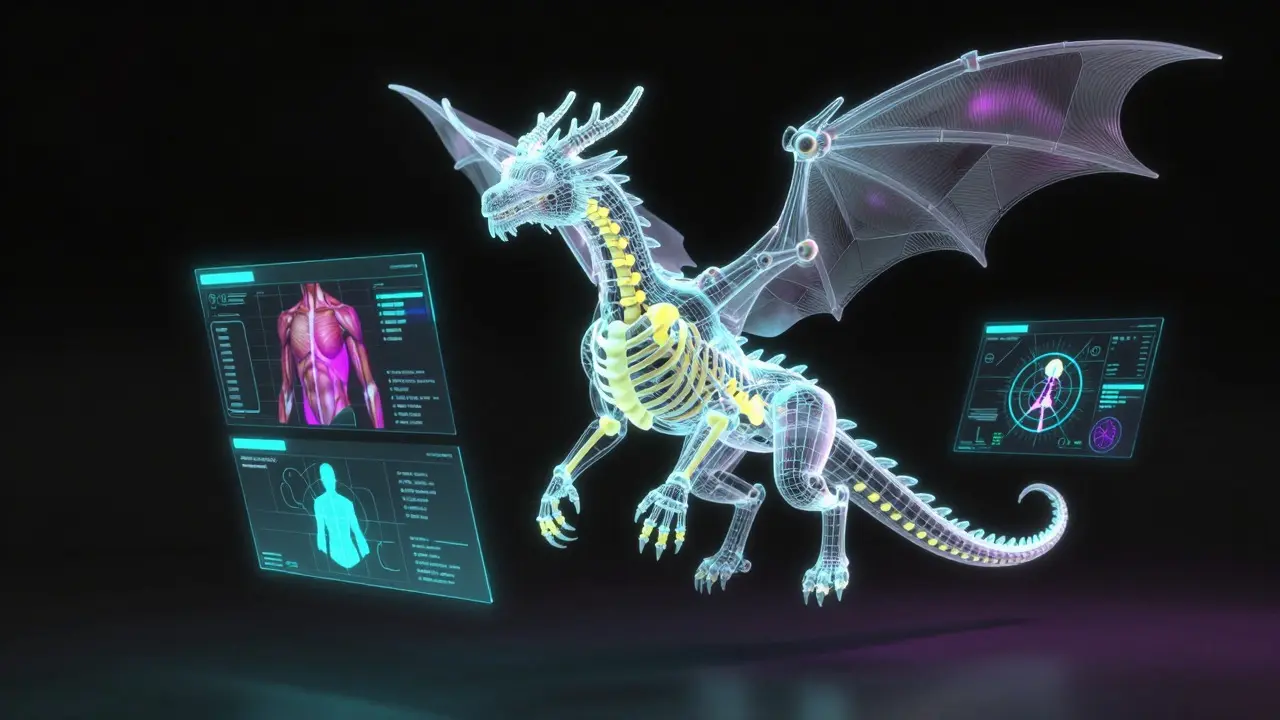
- Modeling: Artists build the 3D geometry for characters and environments. A simple chair might take days; a complex character like a dragon can take months.
- Rigging: Technicians create a digital skeleton inside the model. This allows animators to move limbs, blink eyes, and deform muscles. A good rig saves animators hours of manual tweaking.
- Animation: Animators pose the characters frame by frame using keyframes. They focus on performance-acting, emotion, and physics. This is where the "soul" of the character comes in.
- Texturing & Shading: Artists apply skin, fabric, metal, or fur materials. Advanced shaders simulate how light interacts with surfaces, making plastic look like plastic and skin look like skin.
- Lighting: Lighting artists set up virtual cameras and lights. They control the mood, depth, and visibility of the scene.
The 2D Animation Workflow
Traditional 2D animation is less common for feature films but thrives in indie projects and specific aesthetic styles. Instead of modeling, artists draw key poses. In-betweeners then fill in the frames between those keys. Digital tools like Toon Boom Harmony allow artists to layer drawings, add motion blur, and composite elements digitally, blending old-school charm with modern efficiency.
Post-Production: Polishing the Final Product
Once the shots are rendered, they aren’t done. Post-production is where the film gets its final polish.
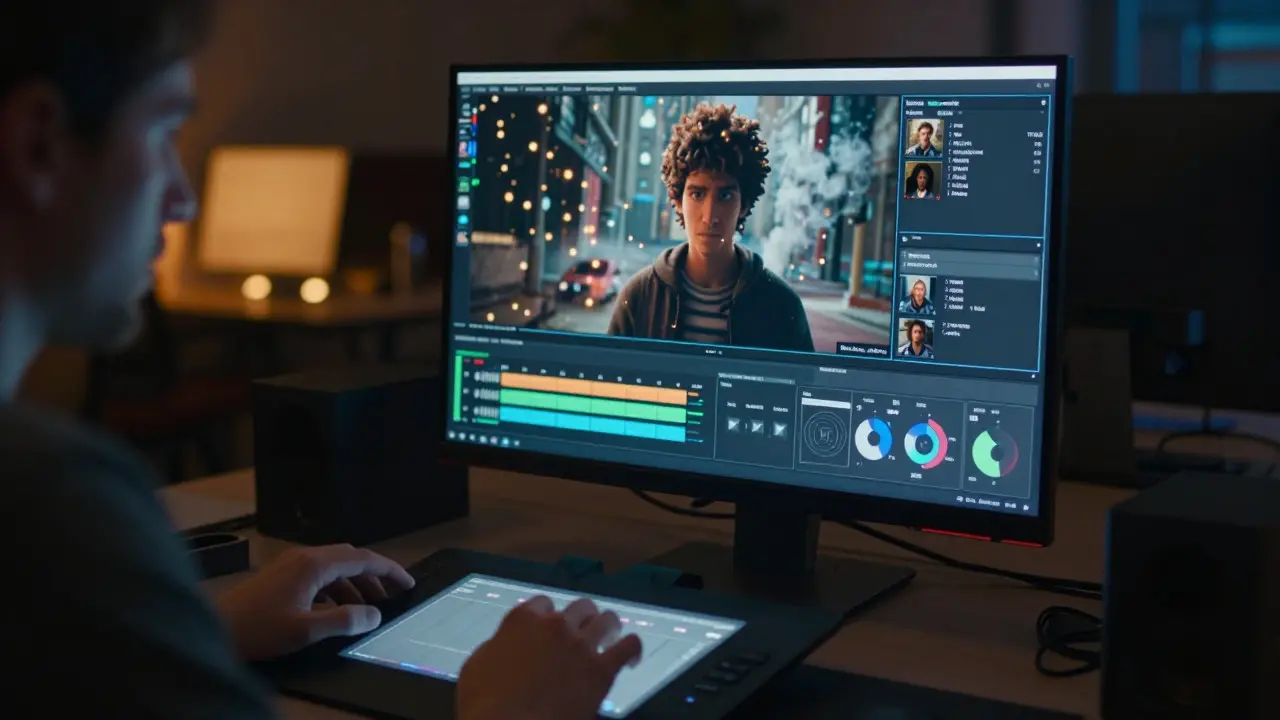
Compositing is the first major step. Compositors combine the animated characters with background plates, special effects, and atmospheric elements. They adjust color grading to ensure consistency across all shots. If one scene looks too blue compared to the next, the compositor fixes it here.
Next comes VFX Integration. Even fully animated films need visual effects. Smoke, fire, water, and explosions are often simulated separately because they are computationally expensive. These simulations are added in post to blend seamlessly with the character animations.
Finally, Sound Design and Editing tie everything together. Dialogue is cleaned up, foley sounds (footsteps, cloth rustling) are recorded, and the score is mixed. A silent animated film is just moving pictures; the audio track is what makes you feel the impact of a punch or the sadness of a goodbye.
Key Differences: 2D vs. 3D Pipelines
While both aim for storytelling, their technical demands differ significantly. Understanding these differences helps explain why some styles are faster to produce while others offer more flexibility.
| Feature | 2D Animation | 3D Animation |
|---|---|---|
| Primary Asset Creation | Hand-drawn keyframes and in-betweens | Digital modeling and rigging |
| Reusability | Low; each frame is unique | High; assets can be reused across scenes |
| Camera Movement | Simulated via parallax and perspective tricks | True 3D camera movement within a virtual space |
| Cost Factor | Labor-intensive per frame | High upfront tech costs, lower marginal cost per frame |
| Typical Use Case | Stylized, artistic, or budget-conscious projects | Mainstream feature films, games, and TV series |
Common Pitfalls in the Animation Pipeline
Even big studios hit roadblocks. One common issue is "scope creep." Adding a new character late in production can delay rendering schedules by weeks. Another pitfall is inconsistent quality. With dozens of animators working on different shots, one character might look slightly different in Scene 10 versus Scene 50. Supervisors spend significant time reviewing dailies to catch these inconsistencies early.
Technical failures are also a risk. Render farms can crash, files can get corrupted, or software updates can break existing rigs. That’s why robust version control systems are essential. Losing a week’s worth of work due to a file error is a nightmare no producer wants to face.
Frequently Asked Questions
How long does it take to make an animated film?
On average, a major studio feature takes 3 to 5 years from initial concept to release. Pre-production usually takes 1-2 years, production 2-3 years, and post-production 6-12 months. Smaller independent projects can be done in 1-2 years with a smaller team.
What is the most difficult part of the animation pipeline?
For many, it’s the rendering stage. Calculating light bounces, shadows, and material interactions for millions of frames requires massive computing power. However, creatively, getting the acting right in the animation phase is often considered the hardest hurdle, as it relies heavily on artistic intuition rather than just technical skill.
Do animators draw every frame by hand in 3D films?
No. In 3D animation, artists manipulate digital models using a rig. They don’t draw lines; they pose the character. The computer calculates the in-between frames automatically based on the keyframes set by the animator. This is fundamentally different from traditional 2D animation where in-betweens are drawn manually or assisted by software.
What software is commonly used in the animation pipeline?
The industry standard for 3D is Autodesk Maya, though Blender has gained massive popularity due to being free and open-source. For 2D, Toon Boom Harmony and Adobe Animate are widely used. Houdini is the go-to for complex VFX simulations like fluids and particles. Nuke is frequently used for compositing.
How does AI impact the animation pipeline in 2026?
AI is increasingly used for automated in-betweening, texture generation, and cleanup. It speeds up repetitive tasks, allowing artists to focus on creative decisions. However, it hasn’t replaced the core role of animators; instead, it acts as a powerful assistant that handles the tedious parts of the workflow.