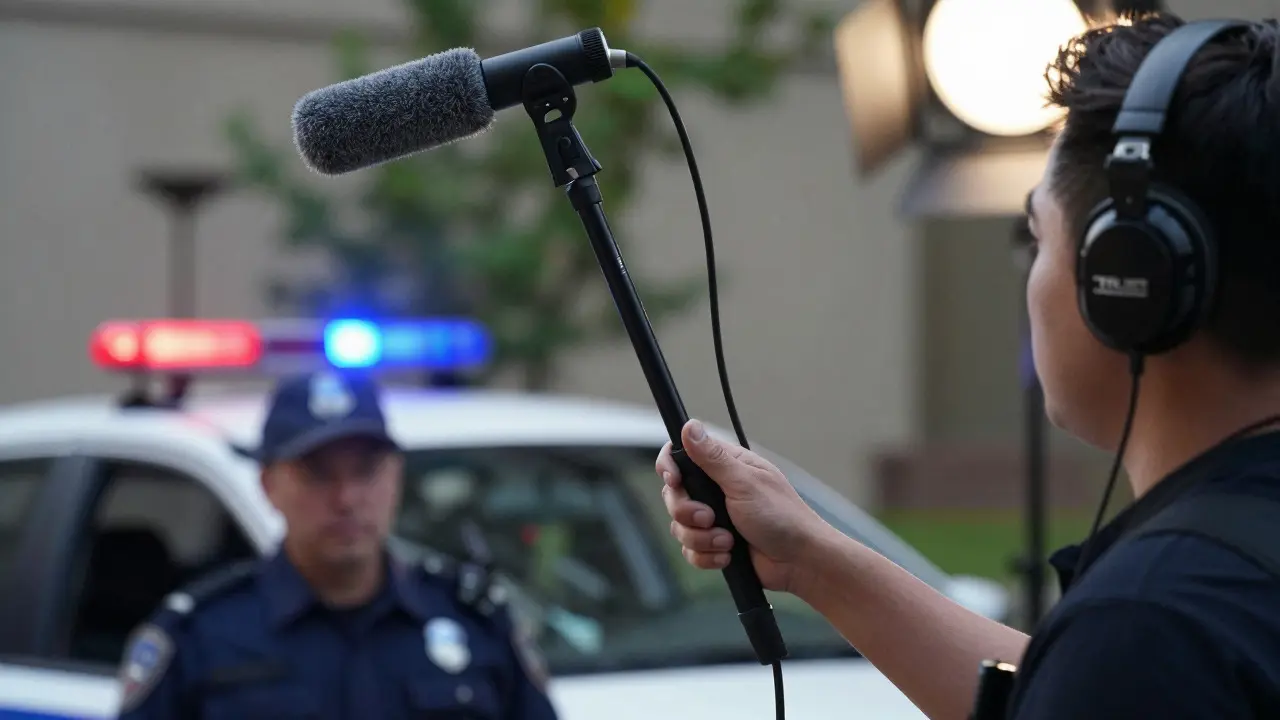
Imagine a scene where the actor delivers a perfect emotional performance, but the microphone picked up a passing siren or the air conditioning unit humming in the background. In live-action filmmaking, this happens constantly. The solution isn't to reshoot the entire scene; it's ADR, or Automated Dialogue Replacement. This process allows sound engineers and actors to record clean lines in a controlled studio environment after principal photography has wrapped.
For many viewers, ADR is an invisible magic trick. You hear a seamless conversation between two characters, unaware that one line was recorded three weeks later in a booth in Los Angeles while the other was captured on set in New York. Understanding how this works demystifies the final polish of your favorite movies and TV shows.
What Exactly Is ADR?
Automated Dialogue Replacement (ADR) is a post-production audio process where original dialogue is re-recorded in a studio to replace unusable production audio. While the name suggests automation, the process is heavily reliant on human timing and performance. It is distinct from dubbing, which translates dialogue into another language. ADR keeps the original language but swaps the source of the sound to ensure clarity and consistency.
The term "automated" comes from the early days of film when editors would physically cut magnetic tape and splice it together using automated machines. Today, the process is digital, but the core challenge remains the same: matching the new voice performance to the lip movements (sync) of the actor on screen.
Why Do Filmmakers Use ADR?
You might wonder why directors don't just shoot until the audio is perfect. There are several practical reasons why ADR is essential in modern filmmaking:
- Noisy Environments: Outdoor scenes often suffer from wind, traffic, or birds. Indoor scenes can have HVAC systems, refrigerator hums, or electrical buzz.
- Camera Constraints: Sometimes the camera angle required for a shot makes it impossible to place a high-quality boom microphone close enough to the actor without it entering the frame.
- Continuity Errors: If an actor changes their pronunciation of a word between takes, or if a prop makes a different sound each time, ADR ensures consistency across the edit.
- Special Effects Integration: Scenes with heavy visual effects (VFX) often require precise timing adjustments in editing. ADR allows the dialogue to be stretched or compressed slightly to match these changes without distorting the original production audio.
The ADR Process: From Screen to Booth
The workflow for ADR is a collaborative effort involving the director, sound mixer, ADR engineer, and the actor. Here is how it typically unfolds:
- Spotting Session: After the picture is locked, the director and sound team watch the film to identify which lines need replacement. They create a "spot list" detailing every line that requires ADR.
- Session Preparation: The ADR engineer prepares the session by syncing the video footage with the existing audio tracks. They mark the exact frames where the actor's lips move.
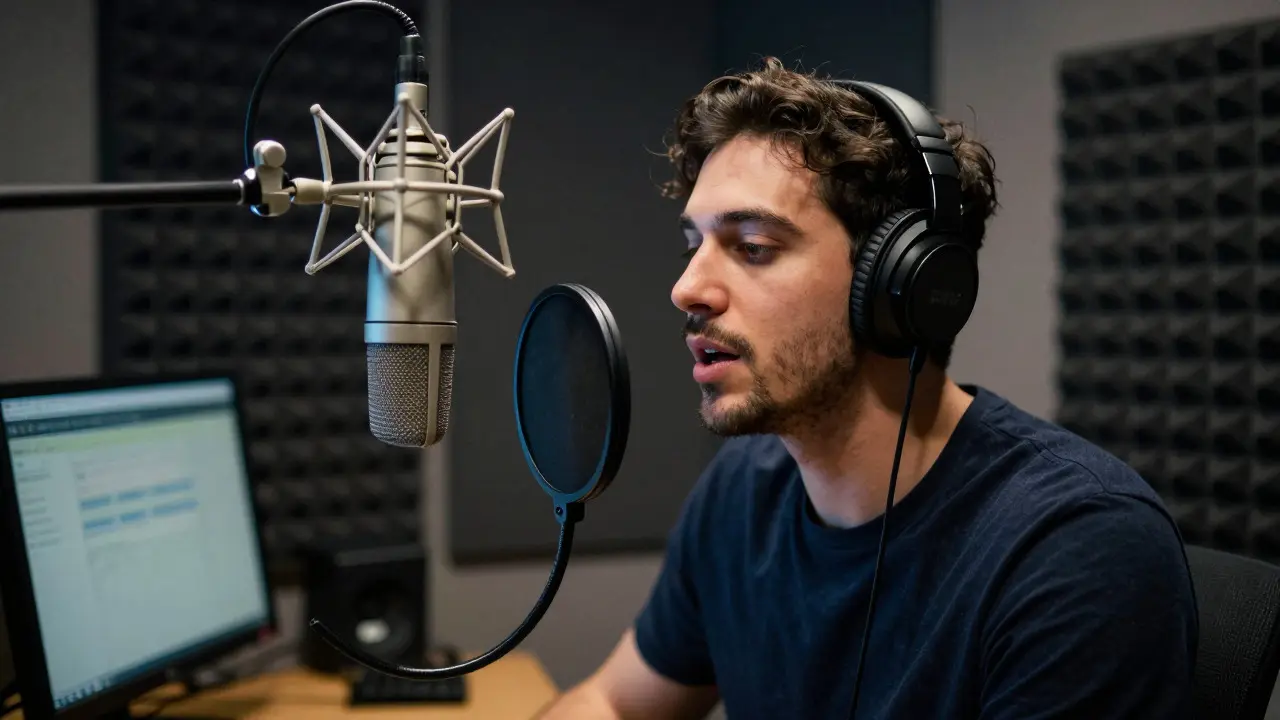
- Recording: The actor sits in a soundproof booth with a high-fidelity microphone. They watch the scene on a monitor and listen to the surrounding ambience. Their job is to mimic the rhythm, emotion, and timing of the original performance as closely as possible.
- Syncing and Editing: The engineer records multiple takes. Later, they select the best phrases and align them frame-by-frame with the lip movements. This is where the "invisible" art comes in.
Challenges in Achieving Perfect Sync
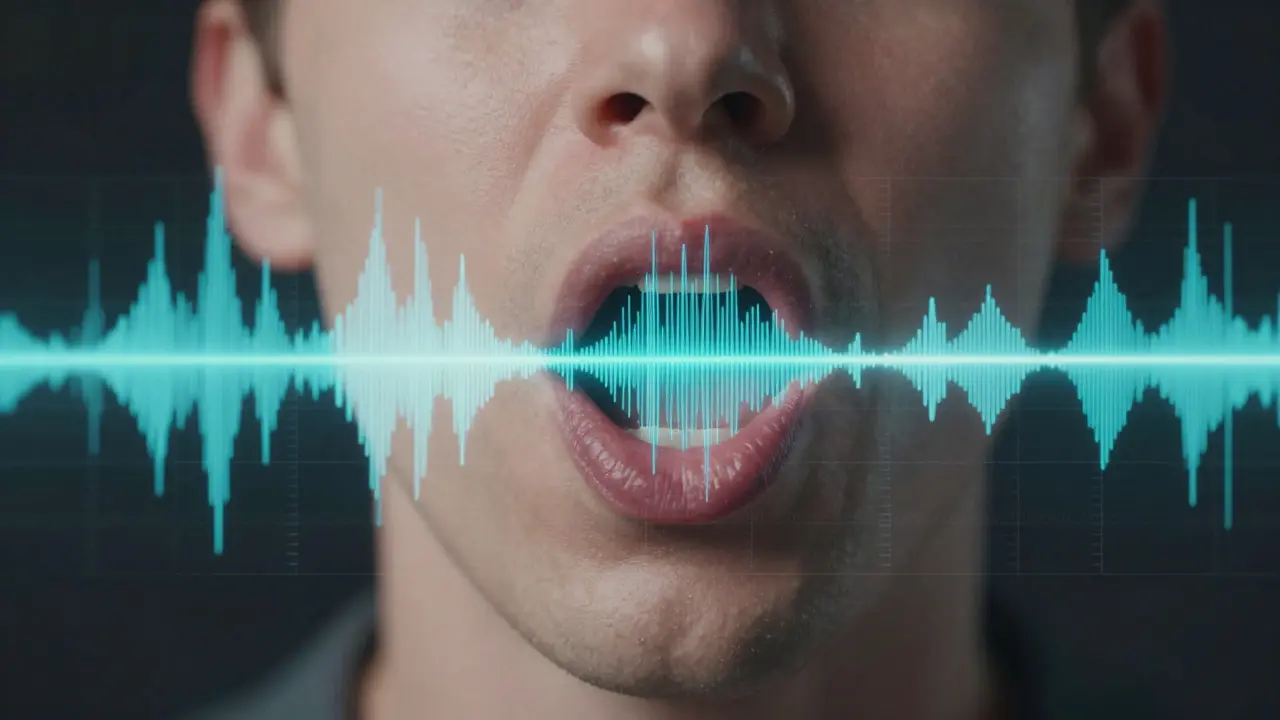
Matching a new voice to old visuals is harder than it sounds. Human speech is not mechanical; it varies in speed and emphasis. If an actor speaks too fast, the words won't fit within the lip movement window. If they speak too slow, there will be a gap where the mouth moves but no sound emerges.
Experienced ADR actors learn to "play to the mic" differently than on set. They must anticipate the beat of the scene. For example, if a character says "Hello," the 'H' must start exactly when the lips part. If the sync is off by even a few milliseconds, attentive viewers may notice a subtle dissonance, breaking the immersion.
Equipment and Environment Requirements
Quality is paramount in ADR because these lines often carry the narrative weight of the story. The equipment used differs significantly from production mics:
| Component | On-Set Production | ADR Studio |
|---|---|---|
| Microphone Type | Boom condenser or lavalier (hidden) | Large-diaphragm studio condenser (e.g., Neumann U87) |
| Environment | Uncontrolled (wind, traffic, room tone) | Soundproofed booth with treated acoustics |
| Distance | Variable (often 3-6 feet away) | Fixed (typically 6-12 inches from mouth) |
| Goal | Capture natural interaction and ambience | Capture pristine, isolated vocal performance |
The studio environment is critical. Any echo or reverb added during recording makes syncing difficult because the tail of the word extends beyond the lip closure. Therefore, ADR rooms are deadened to capture a dry signal, allowing mixers to add artificial reverb later to match the scene's location.
Common Myths About ADR
A lot of people think ADR means the actor didn't care about the performance on set. That’s rarely true. Most actors deliver strong performances live. ADR is a safety net and a tool for perfectionism. Another myth is that all dialogue in a movie is ADR. In reality, only a percentage of lines-usually those with technical issues-are replaced. Good production audio is always the first choice because it captures the spontaneous energy of the moment.
Frequently Asked Questions
Is ADR the same as dubbing?
No. Dubbing involves translating dialogue into a different language for international releases. ADR keeps the original language but replaces the audio track to improve quality or fix errors. Both processes involve re-recording dialogue in a studio, but the purpose and linguistic context differ significantly.
How long does an ADR session take?
It varies based on the number of lines and the complexity of the sync. A simple scene with five lines might take an hour. A complex action sequence with rapid-fire dialogue could take several hours per actor. Actors often schedule multiple sessions over a week or two to complete their parts.
Can viewers tell when ADR has been used?
When done well, most viewers cannot tell. However, poor ADR can result in noticeable lip-sync errors, unnatural pauses, or a mismatch in the tonal quality between the ADR lines and the surrounding production audio. Experienced sound designers aim to make the transition completely seamless.
Do actors get paid extra for ADR work?
In many union agreements, such as those under SAG-AFTRA, ADR work is considered additional compensation. The rate depends on the number of lines and the length of the session. Non-union productions may handle this differently, but it is standard practice to compensate actors for the extra time spent in the studio.
What software is used for ADR editing?
Professional sound editors use Digital Audio Workstations (DAWs) like Pro Tools, which is the industry standard for post-production. These programs allow for precise sample-accurate editing, enabling engineers to adjust the timing of individual phonemes to match the visual lip movements perfectly.