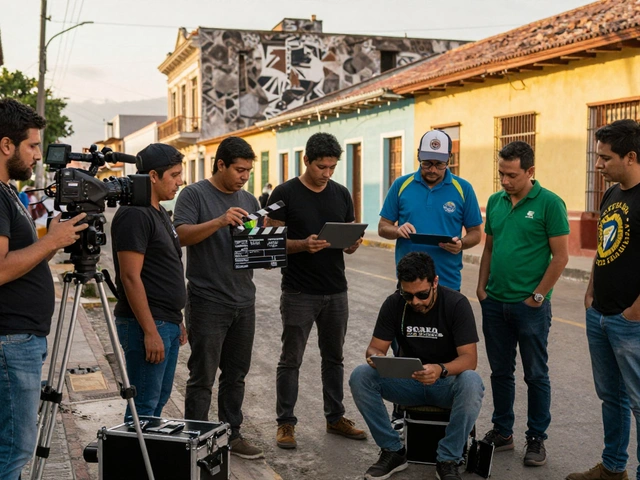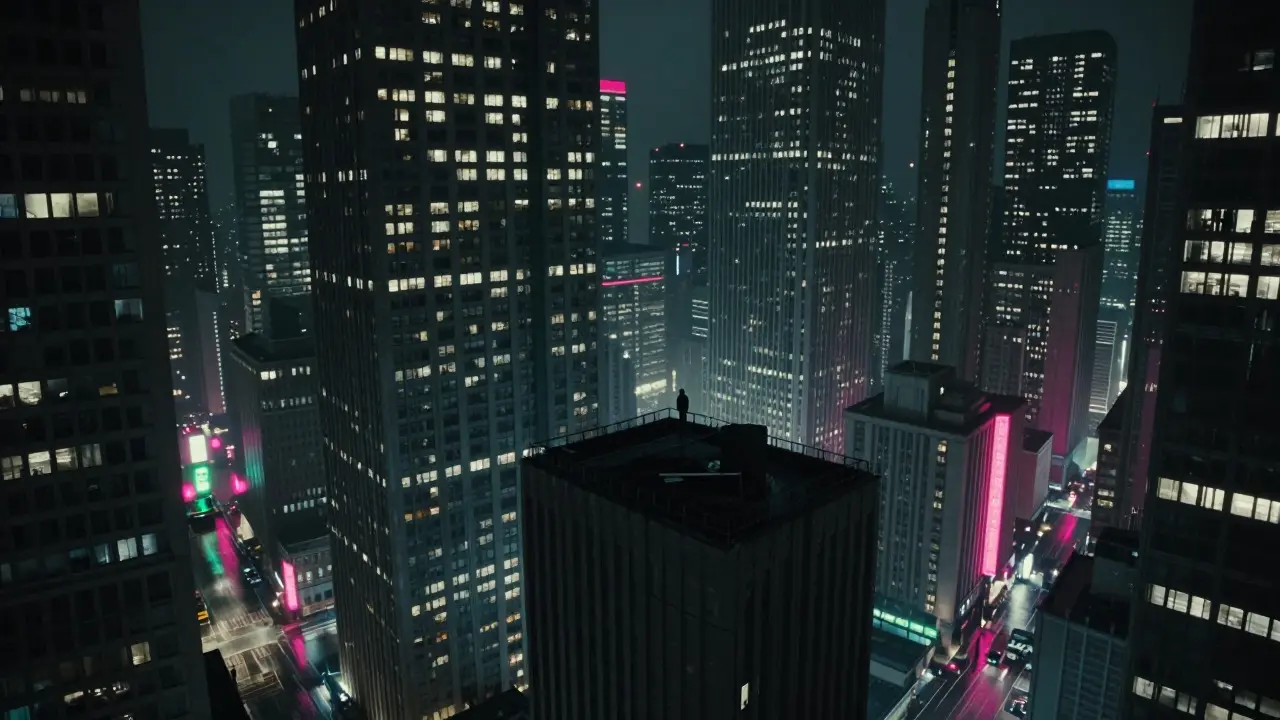
Walk into a theater and watch The Godfather is a crime drama set in New York City that uses urban density to mirror the tangled web of family loyalty and power. Now switch to There Will Be Blood is a period piece where the vast, empty landscapes of California isolate its protagonist, turning the land itself into an antagonist. The difference isn't just background; it's the engine driving the story. In cinema, setting is never neutral. Whether you're in a cramped apartment or a sprawling field, the physical space dictates how characters move, what they hide, and ultimately, how the plot unfolds.
Understanding this dynamic helps us see films not just as sequences of events, but as constructed environments. When we analyze narrative space, we are looking at how directors use architecture, landscape, and geography to tell the story without a single line of dialogue. It’s about recognizing that the city breathes differently than the countryside, and each environment imposes its own rules on human behavior.
Key Takeaways
- Urban settings are characterized by verticality, noise, and social anonymity, often creating tension through proximity and lack of privacy.
- Rural settings are defined by horizontal openness, silence, and communal visibility, often creating tension through isolation and exposure.
- Mise-en-scène (the arrangement of visual elements) transforms static locations into active narrative agents.
- Lighting and sound design differ drastically between these two spaces, altering the viewer's emotional response.
- Hybrid spaces, like suburbs or small towns, offer a unique blend of both pressures, creating distinct modern anxieties.
The Urban Labyrinth: Density and Anonymity
Cityscapes in film rarely feel like real cities. They are curated versions of urban life, designed to emphasize specific feelings. Think about Metropolis is a silent science fiction film from 1927 that established the visual language of the dystopian city with towering skyscrapers and underground worker quarters. Fritz Lang used extreme verticality to show class separation. The rich live up high in light; the poor live down low in shadow. This spatial hierarchy tells you everything about the society before a character speaks.
In contemporary urban films, the focus shifts from vertical class division to horizontal crowding. Consider Do the Right Thing is a 1989 Spike Lee film set in a Brooklyn neighborhood on a single hot day, using tight framing to trap characters in their conflicts. The camera stays close. Walls loom. There is nowhere to go. The heat isn't just weather; it's a pressure cooker created by the confined space. Here, the urban environment forces interaction. You can't escape your neighbors, your history, or your mistakes. The city acts as a cage that makes conflict inevitable.
However, the city also offers anonymity. In noir films, rain-slicked streets allow detectives to disappear into crowds. The urban space provides cover. This duality-exposure versus concealment-is the core tension of urban storytelling. Directors use narrow alleys to create claustrophobia and wide boulevards to create detachment. The space dictates whether the character feels trapped or free, even if they are technically in the same city.
The Rural Void: Isolation and Exposure
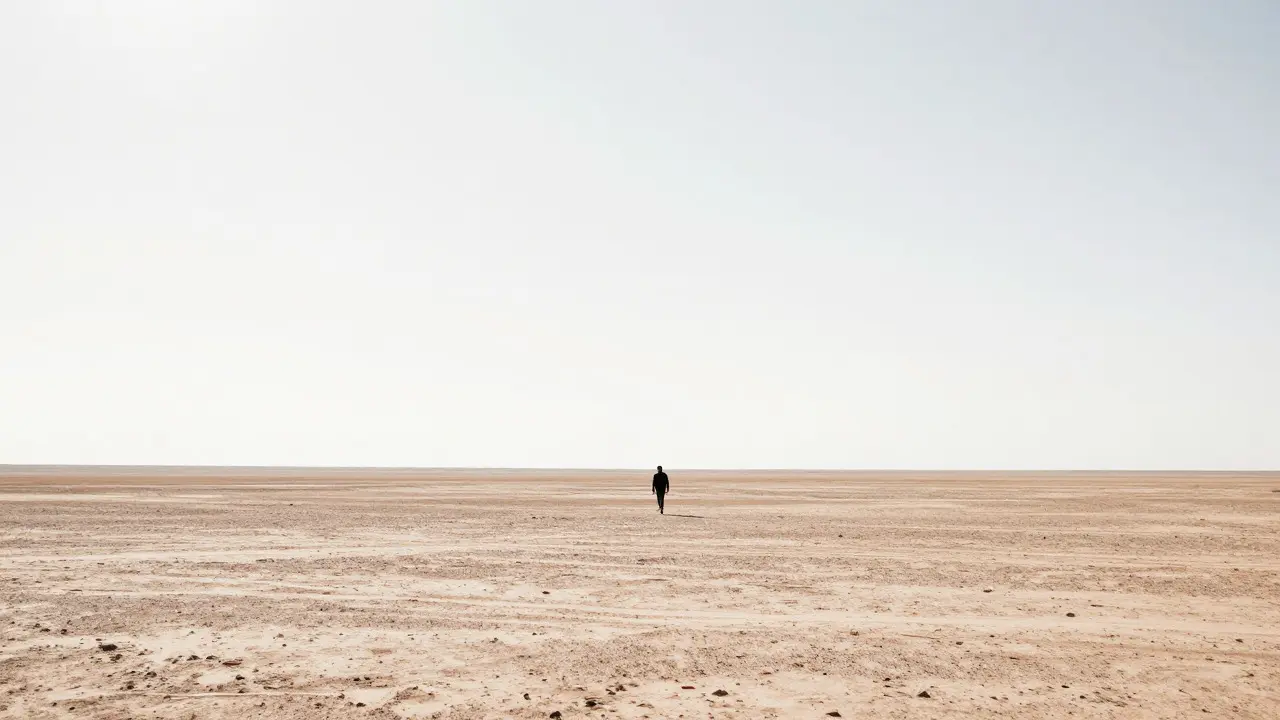
If the city is a cage, the countryside is a spotlight. In rural films, there is no one to hide behind. The horizon stretches out, and every action is visible. This creates a different kind of dread. Take The Village is a 2004 M. Night Shyamalan thriller where the isolated community protects itself from perceived external threats through strict social control. The trees surrounding the village aren't just scenery; they are barriers. The darkness beyond the tree line represents the unknown, and the community's fear is amplified by the lack of other people to share that fear with.
Rural spaces often symbolize purity or decay, depending on the genre. In horror, the farm is a place of primal terror because technology fails here. No cell signal, no police nearby. The environment becomes hostile. In dramas, the rural landscape can represent a return to roots, but often at a cost. The simplicity of the space strips away social masks. Characters can't perform; they have to be who they are. This honesty can be liberating or terrifying.
Sound plays a massive role in rural narratives. The absence of traffic noise makes every footstep loud. A dog barking in the distance carries for miles. This acoustic clarity heightens awareness. In contrast, urban soundscapes are a constant hum that allows characters to tune out their surroundings. Rural silence demands attention. It forces the audience to lean in, mirroring the character's heightened state of alertness.
Mise-en-Scène: Making Space Speak
Mise-en-scène refers to everything within the frame: lighting, props, costumes, and set design. How do these elements change based on location? In urban interiors, lighting is often artificial. Fluorescent tubes in offices, neon signs on streets, warm lamps in apartments. These sources create hard shadows and specific color temperatures that suggest mood. A greenish tint in a hospital corridor suggests sterility and coldness. A yellow glow in a bar suggests intimacy or danger.
Rural exteriors rely on natural light. The sun is the primary source, meaning shadows move throughout the day. This temporal quality adds urgency. A scene shot at golden hour feels nostalgic or romantic. The same scene at noon feels harsh and exposing. Directors like Terrence Malick use this shift in natural light to show the passage of time and the changing relationship between characters and the land. The space isn't static; it evolves with the sun, forcing the narrative to adapt.
| Element | Urban Setting | Rural Setting |
|---|---|---|
| Primary Visual Axis | Vertical (Skyscrapers, Buildings) | Horizontal (Horizons, Fields) |
| Sound Design | Constant ambient noise, layered sounds | Silence, isolated sharp sounds |
| Character Movement | Constrained, fast-paced, crowded | Open, slow-paced, solitary |
| Lighting Source | Artificial (Neon, Incandescent) | Natural (Sun, Moon) |
| Psychological Effect | Anxiety, anonymity, entrapment | Isolation, exposure, vulnerability |
Color Palettes and Emotional Tone
Color grading is another tool directors use to shape space. Urban scenes often feature desaturated blues and grays, reflecting concrete and steel. This palette feels cold and impersonal. However, when a director wants to show the vibrancy of city life, they might boost saturation in specific areas, like a market stall or a street performer's outfit. This selective color highlights human warmth against the cold backdrop.
Rural palettes tend toward earth tones: greens, browns, and ochres. These colors feel organic and grounded. But in horror films, these same greens can become sickly and unnatural. A forest that should look lush might be graded to look rotting. This manipulation of color signals to the audience that the natural order has been disrupted. The space is no longer safe. The color tells you this before the monster appears.
Consider the film No Country for Old Men is a 2007 Coen Brothers film set in the Texas desert, where the barren landscape reflects the moral vacuum of its characters. The sand is pale, almost white. The sky is bleached. There is no hiding in this color scheme. The emptiness of the palette mirrors the emptiness of the killer's motivation. The space doesn't care about justice; it just exists. This indifference is a powerful narrative force.
Hybrid Spaces: The Suburban Middle Ground
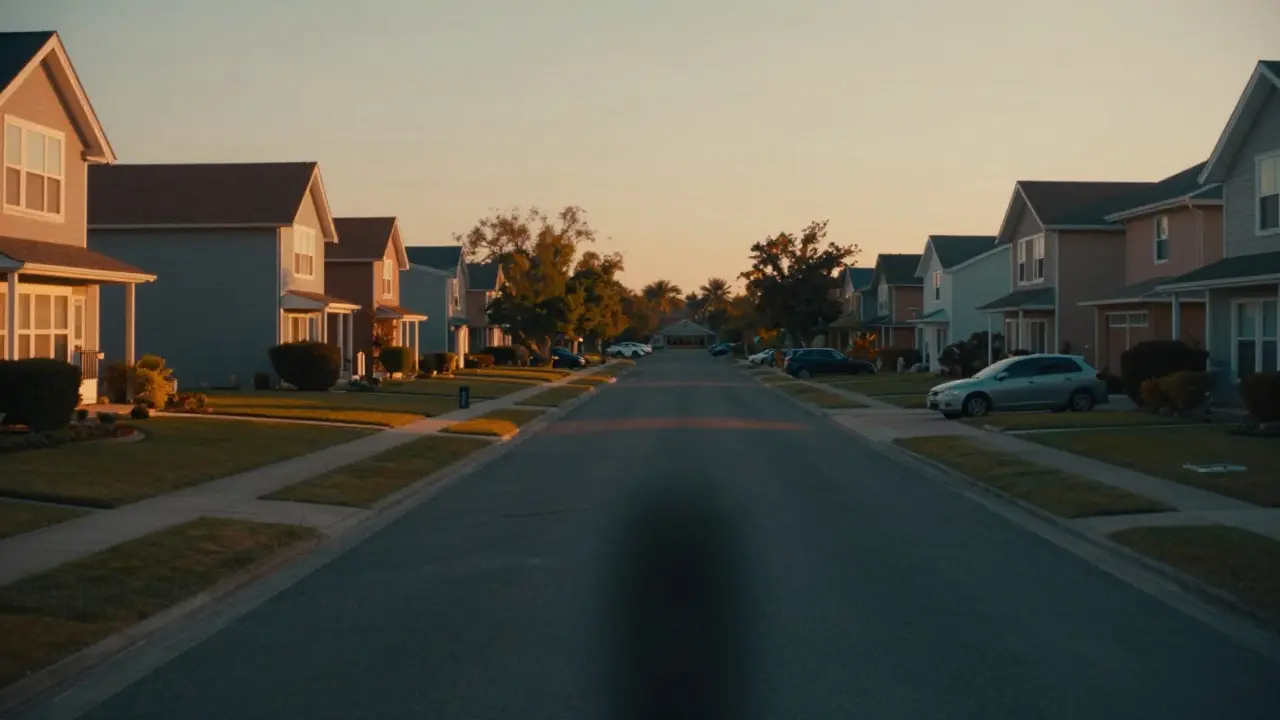
What happens when you mix urban density with rural openness? You get the suburb. This space is fascinating because it tries to offer the best of both worlds but often delivers the worst. In films like Jaws is a 1975 Steven Spielberg thriller set in Amity Island, a coastal town that balances tourism appeal with underlying fear, the beach town represents a fragile peace. It looks safe, but the threat comes from the water, just outside the manicured lawns.
Suburban films often explore the tension between conformity and individuality. The houses look identical. The streets are quiet. But under the surface, secrets fester. The space is controlled, which creates a sense of unease. If something breaks the pattern-a car crash, a strange neighbor-the impact is magnified because the baseline is so rigid. The suburb is a stage set, and any deviation from the script stands out sharply.
This hybrid nature makes suburban stories particularly relatable to modern audiences. We live in these transitional spaces. We have the connectivity of the city but the isolation of the countryside. Films set here capture that specific anxiety: the fear that safety is an illusion maintained by appearance.
How Space Drives Plot Structure
Ultimately, the choice of setting dictates the pacing of the film. Urban stories often move quickly. Characters run, chase, and talk over each other. The plot is driven by external events happening in public spaces. Rural stories tend to move slower. The plot is driven by internal changes and long conversations. The pace matches the environment. You can't rush through a field; you have to walk it.
This structural difference affects how we engage with the story. In a city, we are spectators watching chaos unfold. In the country, we are participants in a quiet struggle. Both are valid, but they require different viewing modes. Recognizing this helps us appreciate why certain films feel 'right' in their setting. A heist movie in a remote cabin would feel wrong because the space doesn't support the rapid coordination needed. A meditation on grief in a busy subway station might feel jarring because the space doesn't allow for stillness.
When analyzing a film, ask yourself: What does the space want from the characters? Does it push them together or pull them apart? Does it hide them or expose them? By answering these questions, you unlock a deeper layer of narrative meaning that goes beyond the dialogue. The walls are talking, even if they're silent.
Frequently Asked Questions
Why do urban films often use handheld cameras?
Handheld cameras create a sense of instability and immediacy. In urban environments, where movement is fast and chaotic, a steady tripod can feel detached. Handheld shooting mimics the perspective of someone walking through the crowd, making the viewer feel part of the hustle and bustle. It enhances the feeling of being overwhelmed by the sensory input of the city.
How does lighting affect the perception of rural spaces?
Natural light in rural settings changes dramatically throughout the day. This variation allows directors to use time of day as a narrative marker. Morning light can suggest hope or new beginnings, while dusk can signal danger or endings. Because there is less artificial light, the transition between day and night is sharper, creating stronger contrasts that heighten emotional stakes.
Can a city ever feel lonely in a film?
Yes, paradoxically, cities can amplify loneliness. While surrounded by millions of people, characters may feel invisible. Directors achieve this by using wide shots that dwarf the character against massive buildings, or by isolating them in empty public spaces like parks or bridges at night. The contrast between the potential for connection and the reality of solitude creates a powerful sense of urban alienation.
What is the role of sound in distinguishing urban from rural scenes?
Sound design is crucial for establishing location. Urban scenes are filled with a continuous bed of noise: traffic, sirens, chatter, and construction. This layers the audio, making it harder to pick out specific sounds. Rural scenes are defined by negative space in the audio track. Silence is dominant, so any sound that occurs-like wind, birds, or footsteps-becomes prominent and significant, drawing the viewer's attention directly to the source.
How do filmmakers use architecture to show character status?
Architecture serves as a visual shorthand for social standing. High ceilings, large windows, and open floor plans suggest wealth and freedom. Low ceilings, narrow corridors, and cluttered rooms suggest confinement and struggle. By placing characters in specific architectural contexts, filmmakers communicate their socioeconomic position and psychological state without needing exposition. The building itself becomes a character trait.