Indie Films: How Low-Budget Movies Survive, Shine, and Win
When you think of indie films, independent movies made outside the major studio system, often with limited funding and creative control. Also known as independent cinema, they’re the lifeblood of original storytelling—where directors take risks, crews work for deferred pay, and actors shoot in living rooms because there’s no other option. These aren’t just small movies. They’re survival stories wrapped in film.
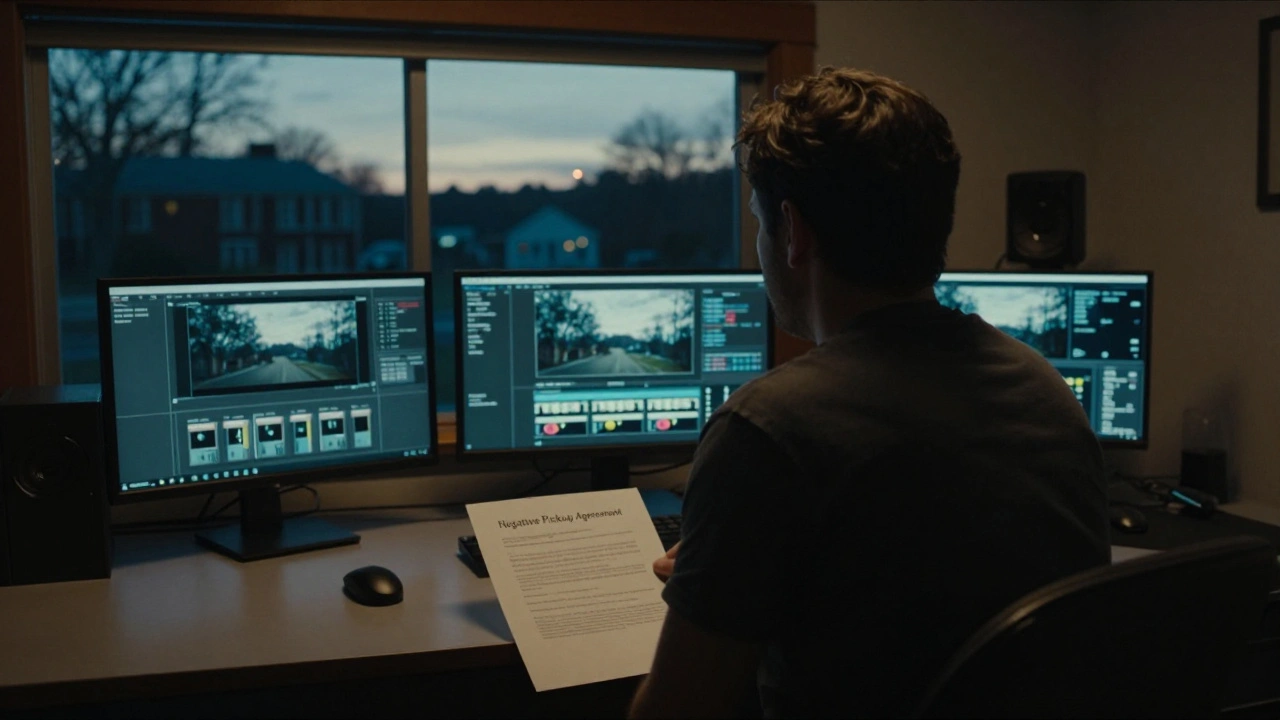
What keeps indie film financing, the patchwork of personal savings, grants, crowdfunding, and back-end deals that fund films without studio backing alive? It’s not magic. It’s deferrals, barter, and sheer stubbornness. Crews take payment in future profits they may never see. Producers trade editing time for camera gear. Actors work for meals and credits. And when money runs out mid-shoot? That’s when the real filmmaking begins. You’ll find stories here about teams finishing films with zero cash, using friends’ homes as sets and local diners as catering.
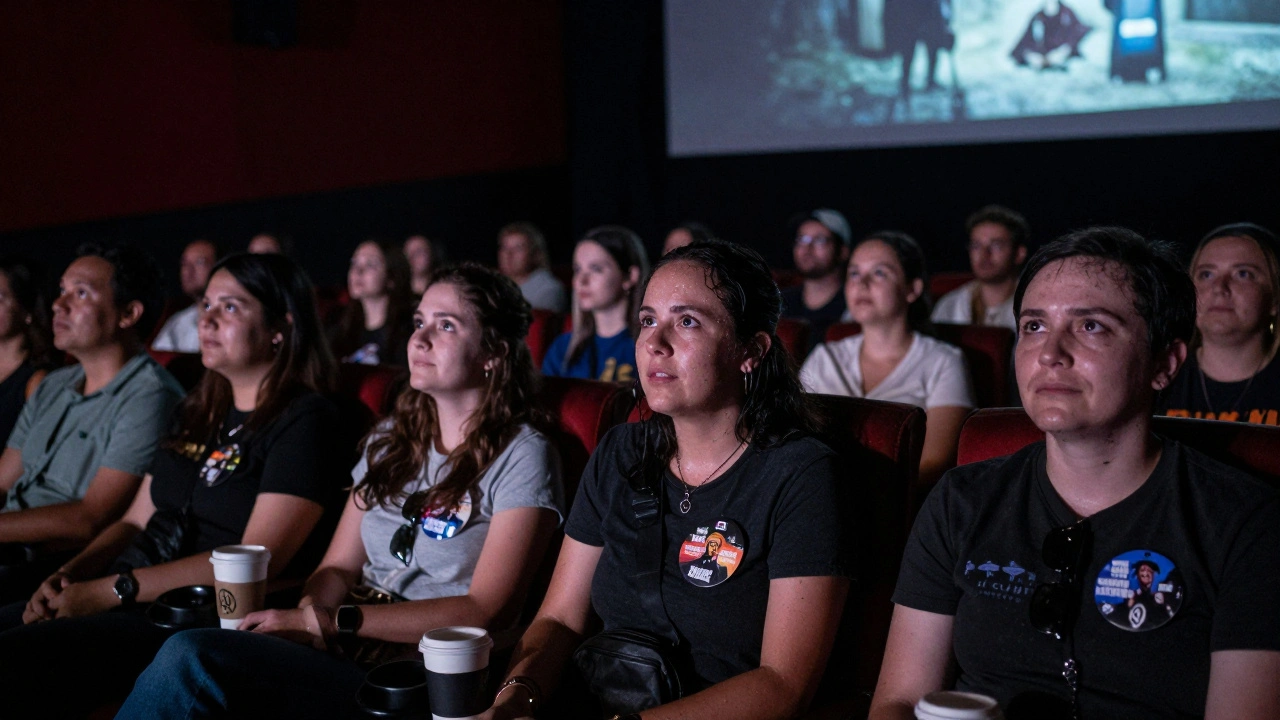
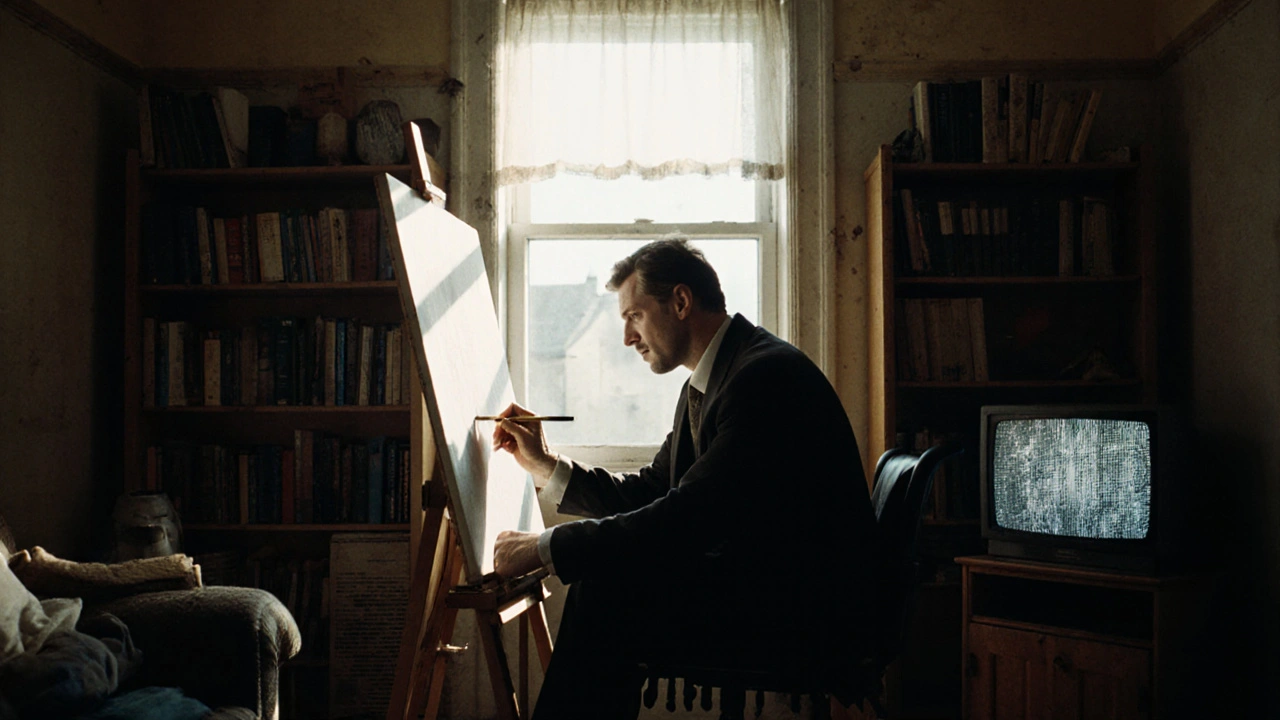
film distribution, how indie films find audiences without studio marketing machines is its own battlefield. Some sneak into festivals as surprise entries. Others land on free streaming platforms like Tubi or Pluto TV, earning ad money years after production. A few get picked up by arthouse distributors like Janus Films or MUBI, turning local screenings into global recognition. And then there’s gallery distribution—where a film isn’t shown in theaters at all, but on a wall in a museum, watched by people who don’t even know they’re watching a movie.
It’s not all struggle. low budget film, a term that describes productions made with minimal financial resources but maximum creativity has become a badge of honor. Look at films like Nomadland or The Florida Project. They didn’t have big budgets, but they had truth. That’s what awards voters notice. That’s what audiences remember. And that’s why indie films keep coming back—even when the system is stacked against them.
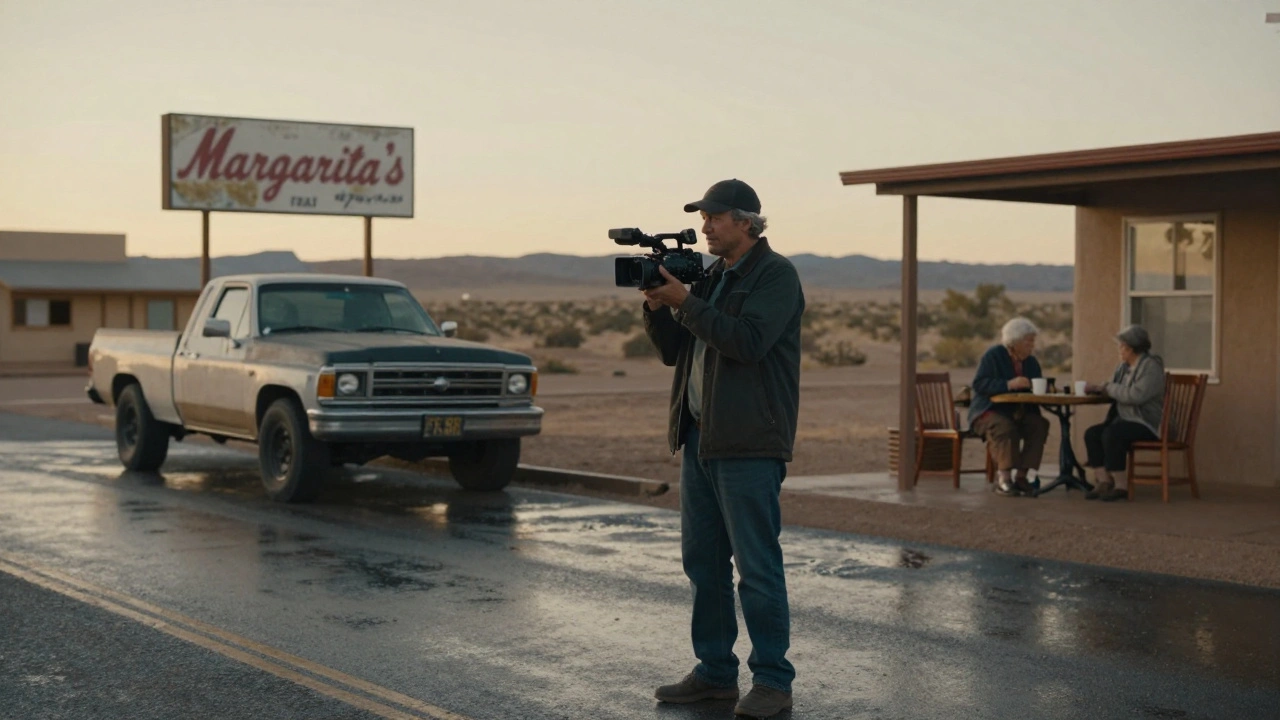
You’ll find real examples here: how geo-targeted ads help a micro-budget film reach its local audience, how co-production budgets collapse when exchange rates shift, how festival late additions turn unknown directors into names overnight. You’ll see how actors negotiate performance notes on a set with no trailer, how cinematographers waterproof cameras in the rain because there’s no money for a second unit. This isn’t theory. It’s what happens when you make movies because you have to, not because it’s easy.
These posts don’t romanticize indie filmmaking. They show the mess, the hustle, the quiet wins. Whether you’re a filmmaker trying to finish your first feature, a film student wondering how it’s really done, or just someone who loves a story that didn’t need a billion dollars to matter—you’ll find something here that speaks to you.