Independent Cinema: Real Stories, Low Budgets, Big Impact
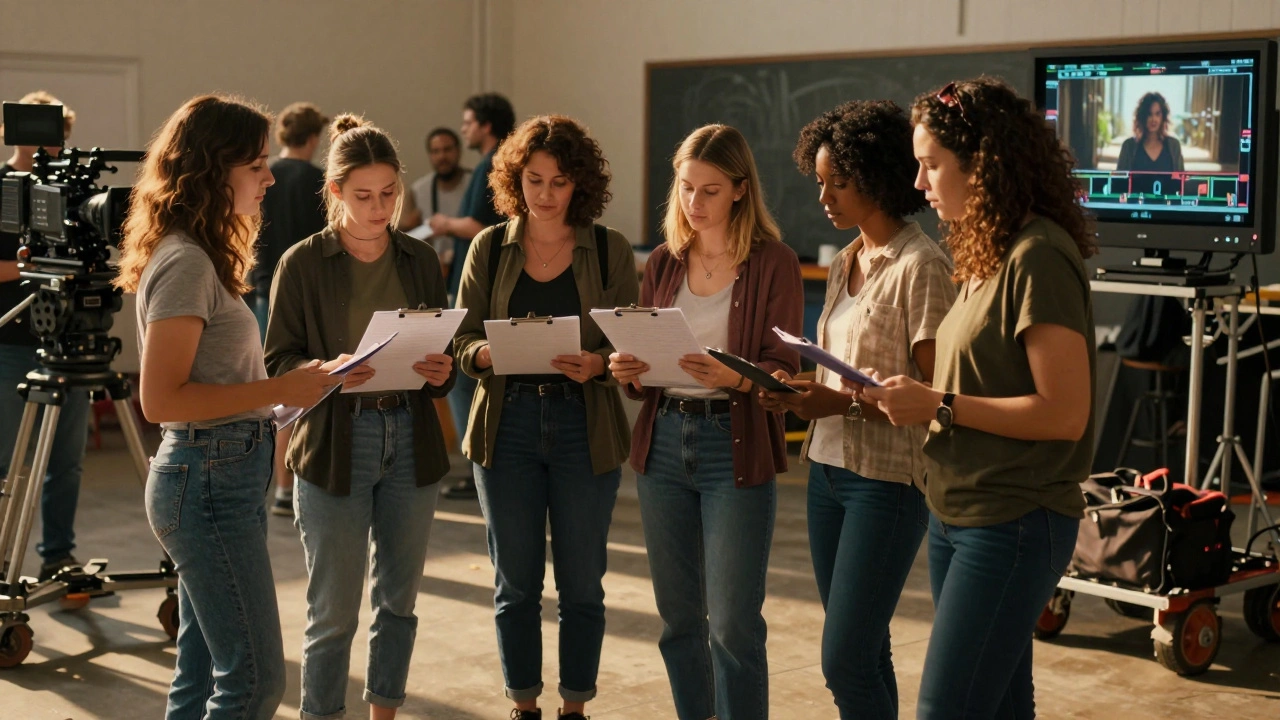
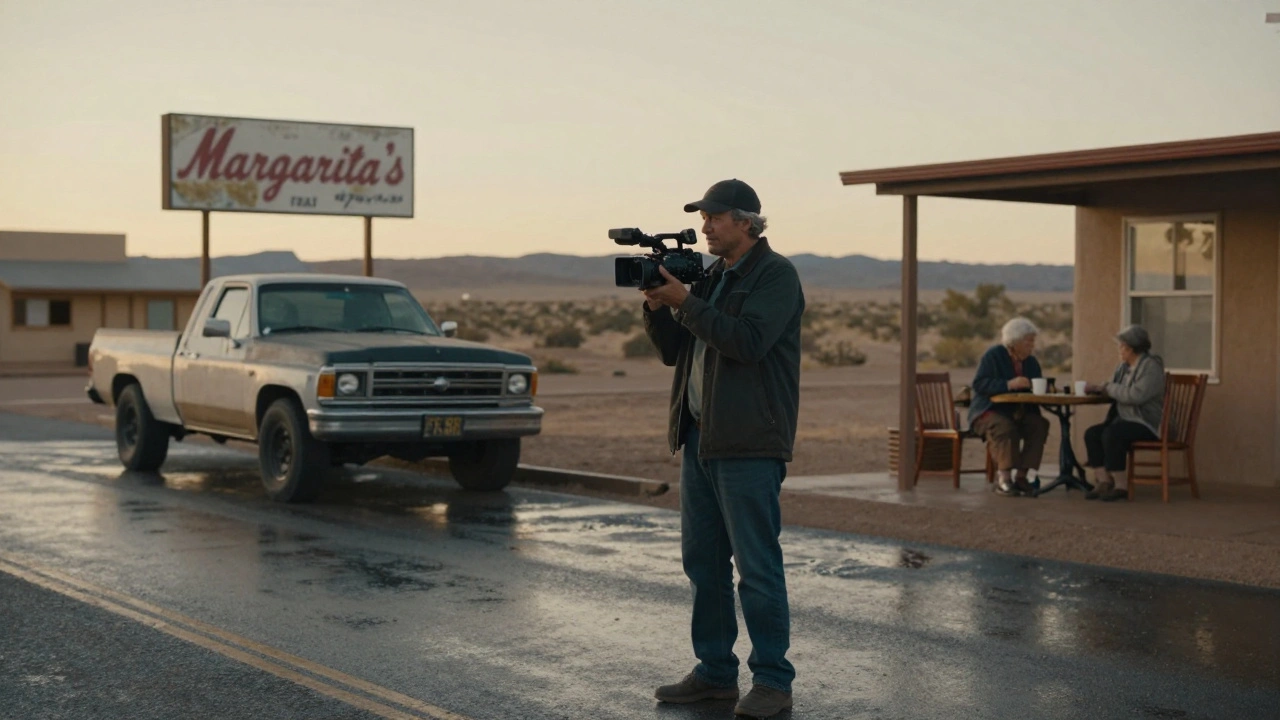
When you think of independent cinema, films made outside the major studio system, often with limited funding and full creative control. Also known as indie film, it's where directors take risks that studios won't touch—stories about overlooked communities, unconventional characters, and raw emotions that don’t fit into a three-act marketing pitch. This isn’t just a genre. It’s a movement built on grit, not budgets. You won’t find billion-dollar CGI here. You’ll find a filmmaker using a smartphone, a friend’s apartment, and a borrowed lens to tell a truth no studio would greenlight.
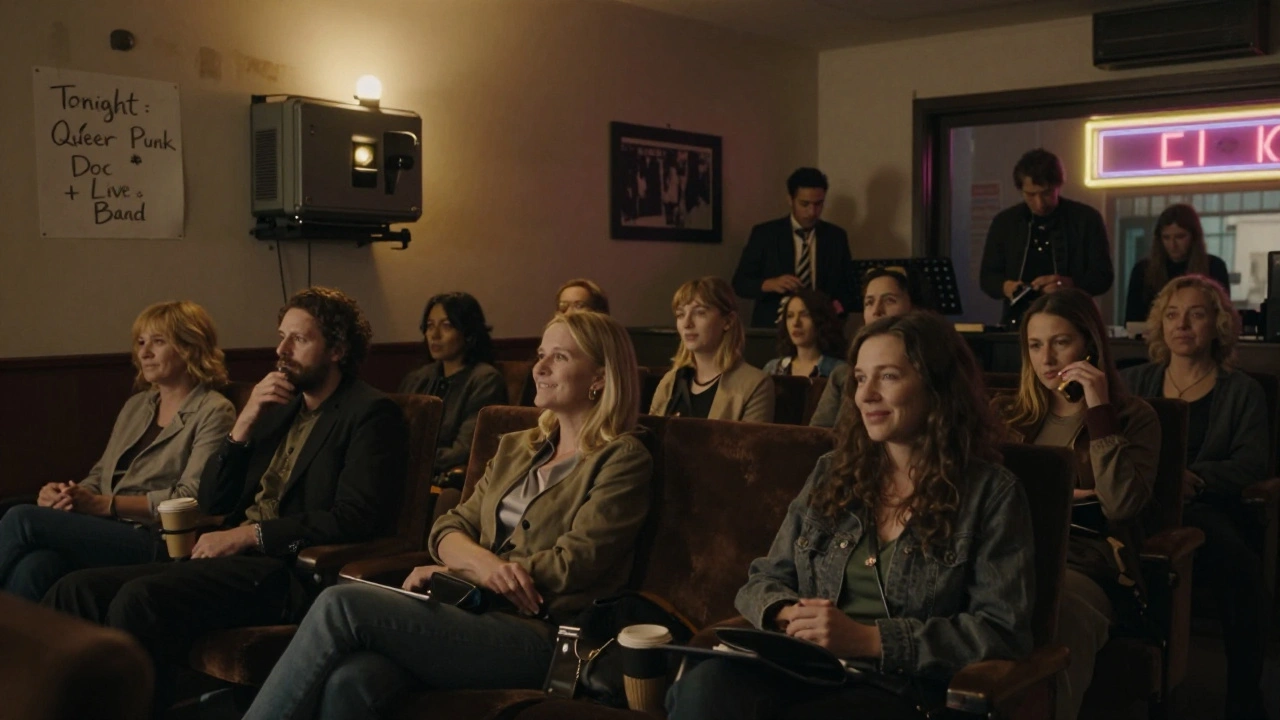
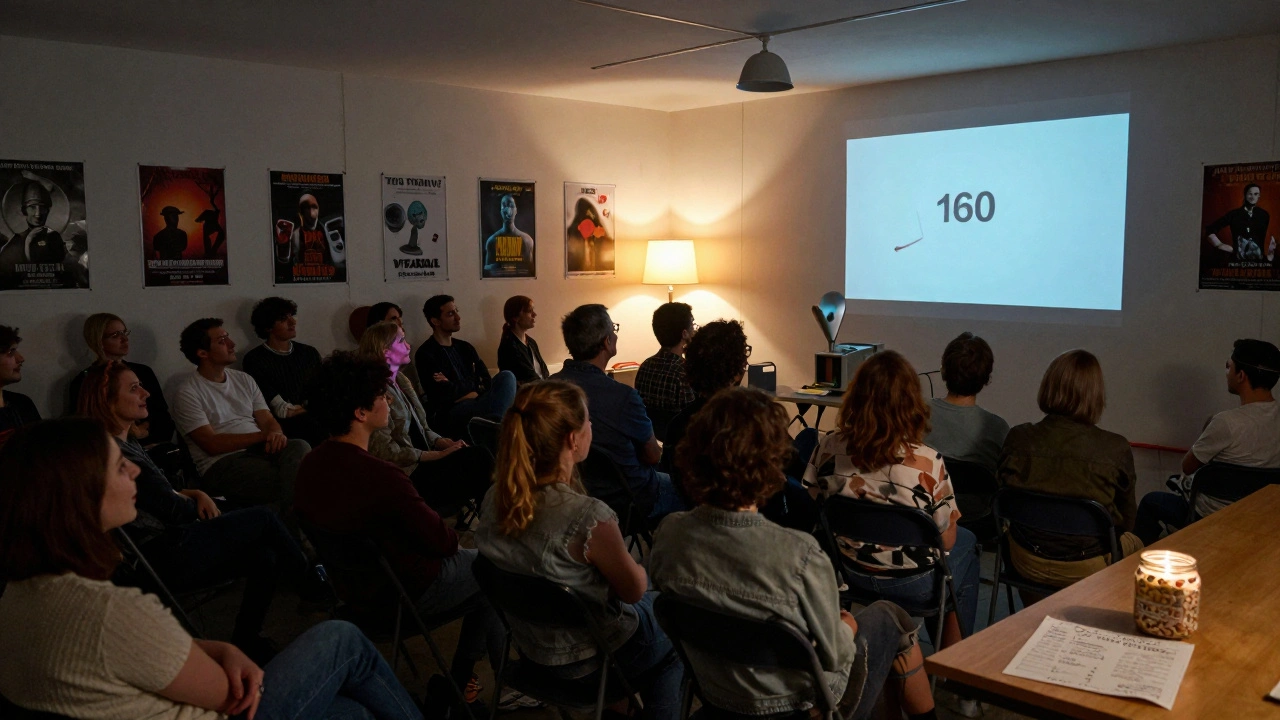
microbudget filmmaking, the art of making powerful films with almost no money. Also known as DIY cinema, it’s the backbone of independent cinema. Think of a short film shot in one day with a cast of non-actors, edited on free software, and then picked up by Sundance. That’s not luck—it’s strategy. These films rely on emotional honesty, not special effects. And they’re not rare. In fact, most Oscar-nominated documentaries and breakout dramas started this way. film festivals, the launchpad for indie films to find audiences and distributors. Also known as indie film markets, they’re where sales agents, streamers, and critics hunt for the next big thing. Festivals like Tribeca, Rotterdam, and SXSW don’t just show movies—they turn unknowns into names. And when a film gets noticed? That’s when indie film distribution, how low-budget films reach viewers through streaming, VOD, and limited theatrical runs. Also known as film sales, it becomes the make-or-break moment. No studio backing means no wide release. So filmmakers learn to pitch directly to Netflix, Apple TV+, or niche platforms. They build email lists, run targeted ads, and use press kits that actually get read.
What ties all this together? A refusal to wait for permission. Independent cinema thrives when creators take control—of the story, the camera, the release. It’s not about having the best gear. It’s about having the boldest voice. You’ll find that in the posts below: how to make a film with zero cash, how to get your film seen at festivals, how to pitch to streamers without an agent, and how a single short film can change a career. These aren’t theory pieces. They’re field reports from filmmakers who did it themselves. No Hollywood connections. No studio safety net. Just a camera, a plan, and a story that needed to be told.