Film Color Grading: How Color Shapes Emotion and Story in Movies
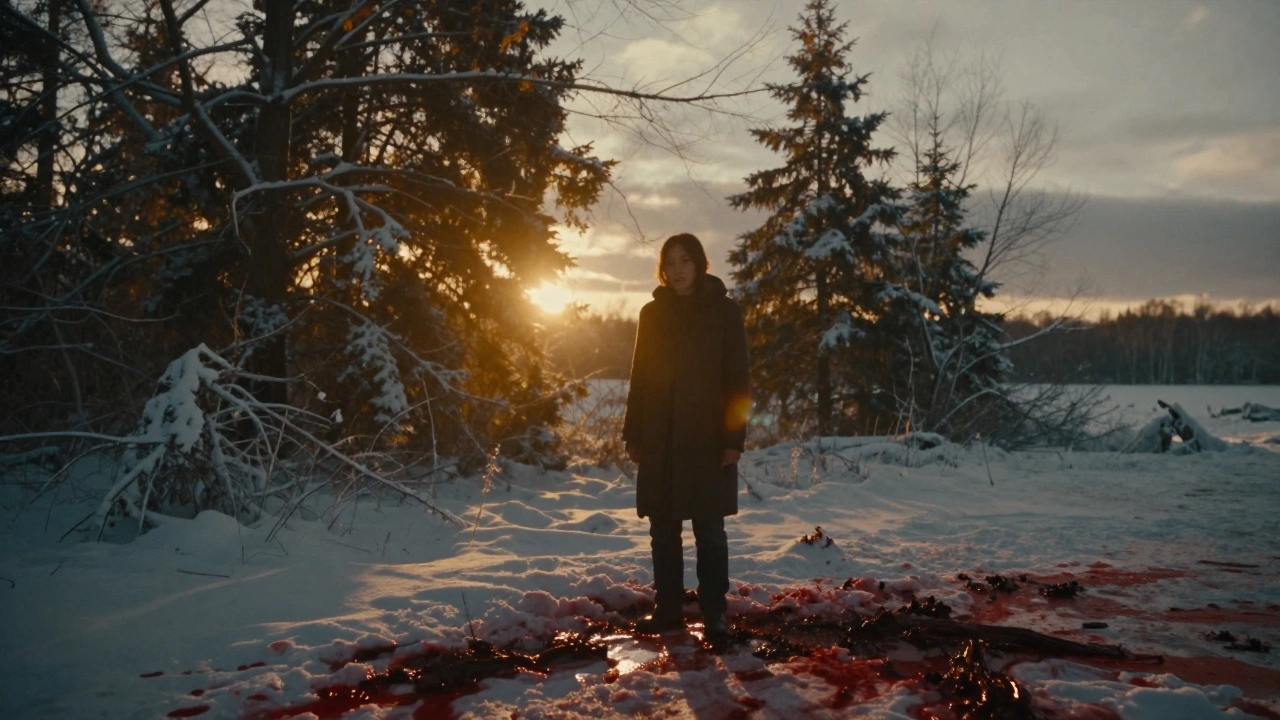
When you watch a movie and feel a chill run down your spine—or feel warmth in your chest—chances are, film color grading, the process of adjusting and enhancing the color of a film’s final image to create a specific mood or visual style. Also known as digital color grading, it’s not just a technical step after filming. It’s the final brushstroke that turns footage into emotion. Think of it like painting with light. A cold blue tone in a thriller isn’t just an aesthetic choice—it tells your brain something is off. A golden glow in a romance isn’t nostalgia—it’s a signal that this moment matters.
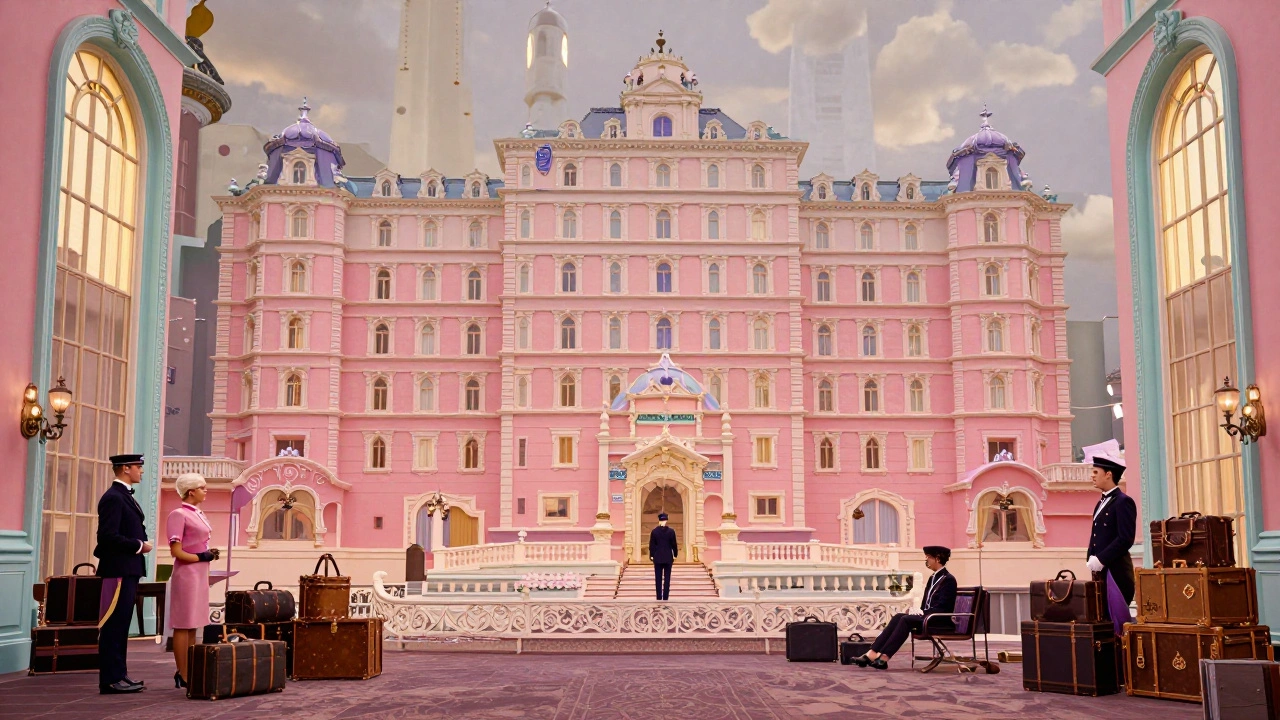
Color correction, the technical foundation of color grading that balances exposure and white balance across shots comes first. It fixes inconsistencies—like a scene shot indoors under fluorescent lights next to one shot outside in sunlight. But cinematic color, the intentional artistic use of hue, saturation, and contrast to reinforce narrative themes is what turns good footage into unforgettable cinema. Think of The Revenant’s icy blues, Mad Max: Fury Road’s burnt oranges, or Parasite’s shifting tones that mirror class divides. These aren’t accidents. They’re carefully designed emotional triggers.
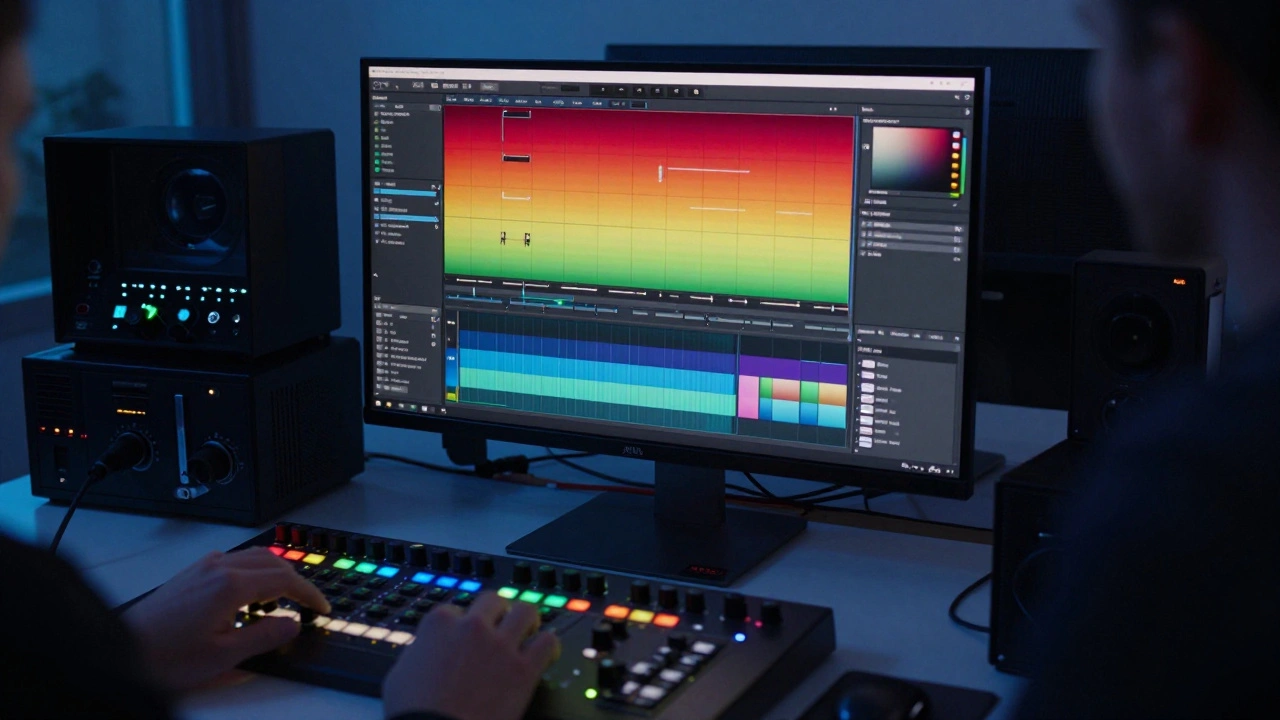
Color grading doesn’t just happen in a dark room with a colorist and a monitor. It’s shaped by the director’s vision, the cinematographer’s lighting choices, and even the script’s tone. A gritty documentary might keep colors raw and flat. A fantasy epic might push saturation to surreal levels. The tools—DaVinci Resolve, Baselight, Adobe Premiere—just make it possible. The real magic is in the decision: what should this scene feel like?
What you’ll find below isn’t a list of software tutorials. It’s a collection of real-world insights from filmmakers who’ve used color grading to solve storytelling problems, stretch budgets, and make audiences feel something without a single line of dialogue. From indie films shot on smartphones to big-budget streaming originals, these posts show how color isn’t just seen—it’s felt.