Awards Season: How Film Awards Shape Careers, Releases, and Industry Trends
When we talk about awards season, the annual cycle of film honors from fall festivals to the Oscars. Also known as awards campaign season, it’s not just glitz and red carpets—it’s a high-stakes engine that moves money, shapes release calendars, and decides which films get remembered. This isn’t a side show. It’s the reason studios delay releases until November, why indie films spend more on Oscar ads than on their original budget, and why some actors get typecast after one winning performance.
Academy voters, the mostly older, white, male membership that votes for the Oscars don’t just pick favorites—they shape what stories get told. If a film doesn’t appeal to their tastes, it won’t win, no matter how good it is. That’s why indie films, low-budget movies made outside the major studio system like Everything Everywhere All at Once and My Left Foot had to fight harder to be seen. They didn’t have big marketing teams—they had emotional storytelling and voter outreach campaigns that targeted specific demographics. Meanwhile, film festivals, events like Telluride, Toronto, and Venice where awards campaigns begin act as launchpads. A premiere there can turn a quiet film into a contender overnight.
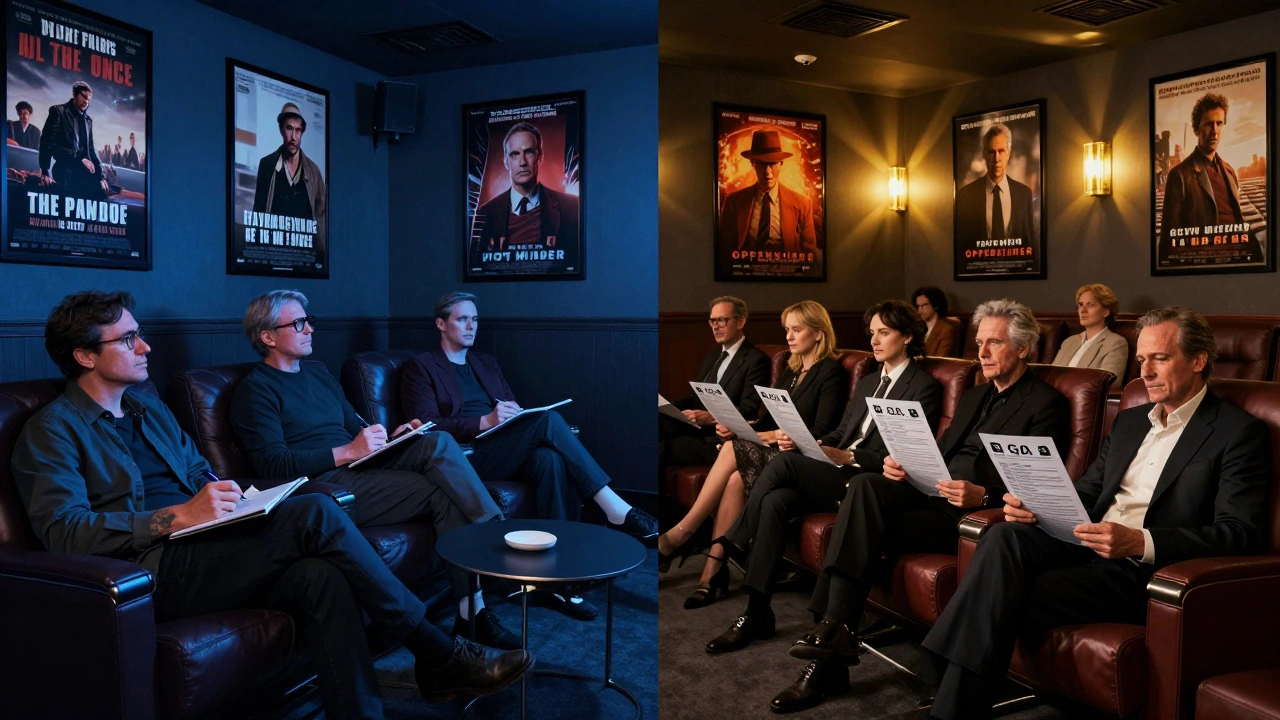
It’s not just about winning. It’s about timing. Studios stack movies for awards season because they know voters are looking for prestige, not popcorn. They release dramas and biopics when people are thinking about legacy—not summer blockbusters. And once the nominations drop, the real work begins: screening tours, Q&As, ads in trade papers, even late-night TV appearances. All of it designed to make voters feel like they’ve seen the film, even if they haven’t.
Behind the scenes, this system rewards certain types of stories—those with trauma, redemption, or historical weight. It ignores others, especially those made by women, people of color, or non-English speakers, unless they’re pushed hard enough. That’s why you see the same names year after year. But it’s also why indie films keep breaking through. They don’t wait for permission. They build buzz, find the right festivals, and target voters directly. And when they win, they don’t just get a statue—they get distribution deals, streaming rights, and careers.
What you’ll find below isn’t just a list of articles. It’s a map of how this system actually works—from how voter demographics tilt the results, to how film crews get paid with deferred deals during awards campaigns, to how streaming platforms now use awards to lure subscribers. You’ll see how social media influencers are breaking into this world, how box office strategy shifts around Oscar night, and why some films win Best Picture even with zero studio backing. This is awards season, stripped of the hype. Here’s what really moves the needle.