You scroll through the latest streaming releases, and it feels like you’re stuck in a loop. Another Marvel Cinematic Universe spin-off? Another post-credits tease for Phase Six? While Marvel dominates the box office headlines, the superhero genre is actually exploding in weird, wonderful directions outside the House of Ideas. If you’re tired of quippy one-liners and cosmic stakes that feel too abstract, there’s a whole universe of gritty detectives, magical teens, and anti-heroes waiting to be discovered.
The landscape changed drastically after Disney bought Fox in 2019. Suddenly, studios had to find new ways to compete without relying on the MCU formula. This led to a renaissance of diverse storytelling. We aren’t just talking about DC trying to catch up; we’re seeing smaller publishers like Dark Horse Comics finally getting their due with big-budget adaptations that respect the source material’s darker tones. Let’s break down who’s actually worth your time right now, beyond the usual suspects.
The DC Universe Reset
For years, DC fans felt like they were watching a train wreck in slow motion. The DC Extended Universe (DCEU) was messy, inconsistent, and often rushed. But things shifted when James Gunn and Peter Safran took over as co-CEOs of DC Studios. They didn’t just tweak the plan; they hit the reset button. The new continuity, dubbed the "Gods and Monsters" chapter, aims to streamline the lore while keeping the core emotional beats intact.
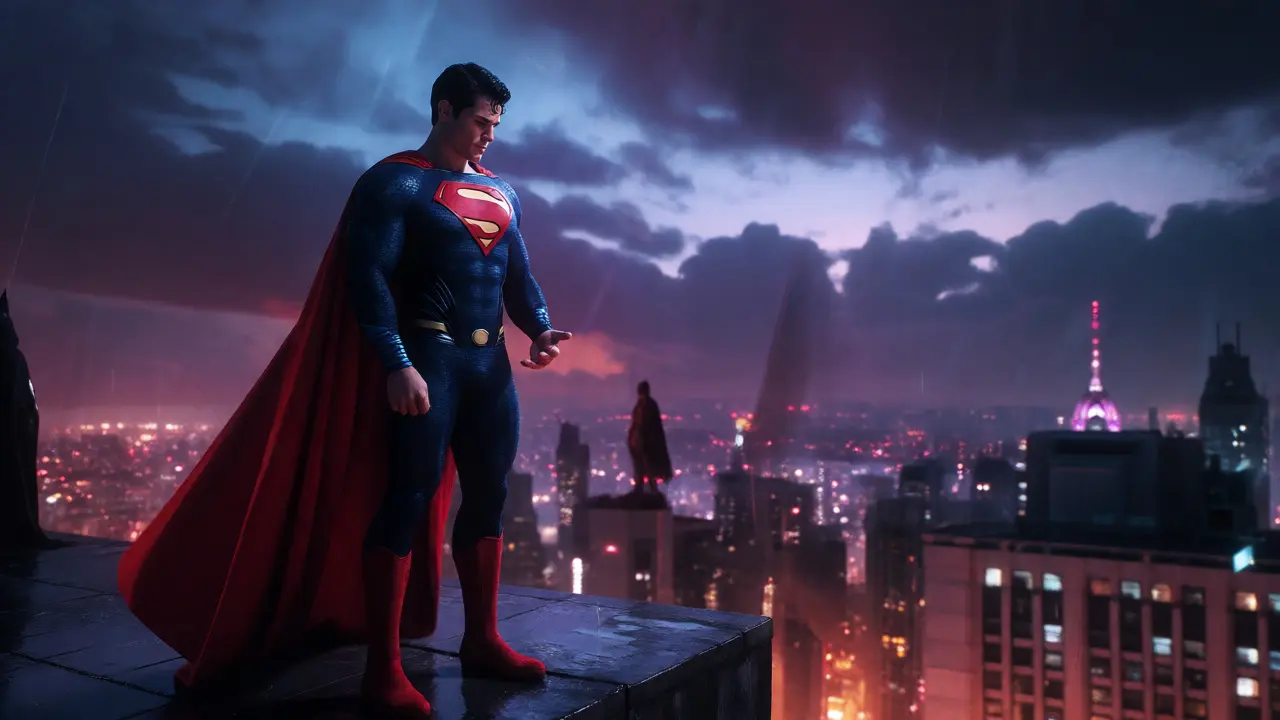
What makes this different from previous attempts? It’s not just about fixing bad movies. It’s about treating characters like people first, gods second. Take Superman, for instance. In the upcoming film Superman (formerly Superman: Legacy), the focus isn’t on him punching aliens. It’s on his struggle to balance his Kryptonian heritage with his Kansas upbringing. Gunn has explicitly stated he wants to bring back the optimism that defined the character in the comics, something missing from the Snyderverse era.
Batman also gets a fresh angle. Instead of another origin story or a grimdark detective tale, the new direction explores Bruce Wayne as a veteran vigilante who’s already seen the worst of Gotham. It’s less about "why did he become Batman?" and more about "how does he keep going?" This shift allows for deeper psychological exploration, moving away from spectacle toward character-driven drama. If you’ve been skeptical of DC films since Justice League, this reboot is your chance to give them another shot.
Dark Horse and the Rise of Indie Adaptations
If Marvel is the blockbuster action movie and DC is the mythic epic, then Dark Horse Comics is the cult classic horror-thriller. For decades, Dark Horse held rights to some of the most iconic characters in pop culture but struggled to translate them to screen effectively. That changed recently with high-profile successes that proved niche properties can go mainstream if handled correctly.
Consider Hellboy. While the earlier Guillermo del Toro films were visually stunning, they never quite captured the noir essence of Mike Mignola’s artwork. Recent adaptations have leaned harder into the procedural aspect-Hellboy as a paranormal investigator dealing with bureaucratic nightmares alongside literal demons. This approach appeals to audiences who love X-Files vibes mixed with supernatural action.
Then there’s Stranger Things-adjacent success stories like The Umbrella Academy. Based on Gerard Way’s comic, this series thrives because it doesn’t try to be an Avengers clone. It’s dysfunctional, musical, and deeply weird. The showrunners understood that the appeal wasn’t just superpowers-it was family trauma wrapped in sci-fi absurdity. This success opened doors for other indie publishers. Now, studios are actively hunting for IP that offers something distinct from the standard three-act hero journey.
| Publisher | Key Franchise | Tone/Style | Recent Highlight |
|---|---|---|---|
| DC Studios | Superman, Batman | Epic, Mythic, Character-Driven | Peacemaker Season 2 |
| Dark Horse | Hellboy, Sin City | Noir, Horror, Stylized Action | Hellboy: The Crooked Man |
| Image Comics | The Walking Dead, Invincible | Creator-Owned, Gritty, Subversive | Invincible Season 3 |
| Valiant Entertainment | Bloodshot, X-O Manowar | Military Sci-Fi, Modern Heroism | Bloodshot (Reboot discussions) |
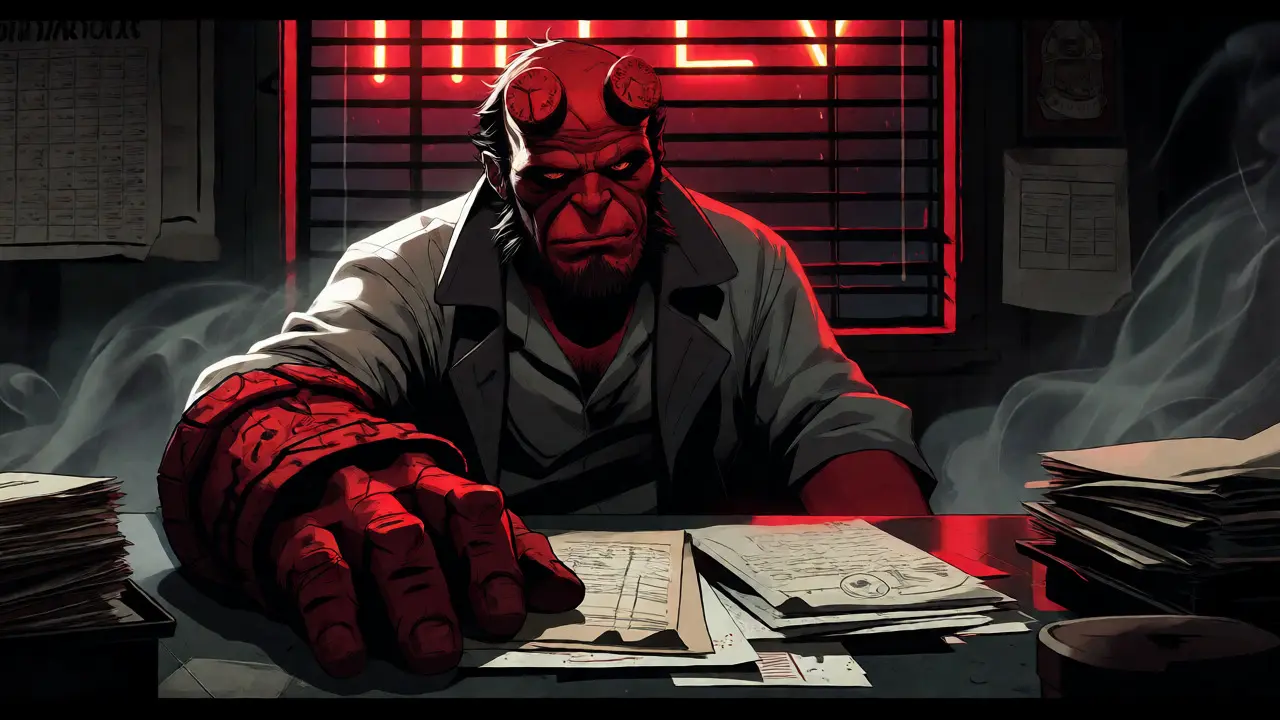
Image Comics and the Creator-Owned Boom
You might think Image Comics is just home to zombie shows, but Image Comics is arguably the most influential publisher for modern superhero deconstruction. Unlike Marvel and DC, where characters are corporate assets owned by conglomerates, Image creators retain ownership. This freedom leads to riskier, more personal stories that resonate with adult audiences.
Invincible is the prime example. When Amazon adapted Robert Kirkman’s comic, it wasn’t just another animated series. It was a brutal, visceral look at what happens when a teenager inherits god-like power but lacks emotional maturity. The animation style mimics the comic’s dynamic lines, and the violence serves the narrative rather than just existing for shock value. It proves that superhero content doesn’t need to be sanitized for general audiences to succeed.
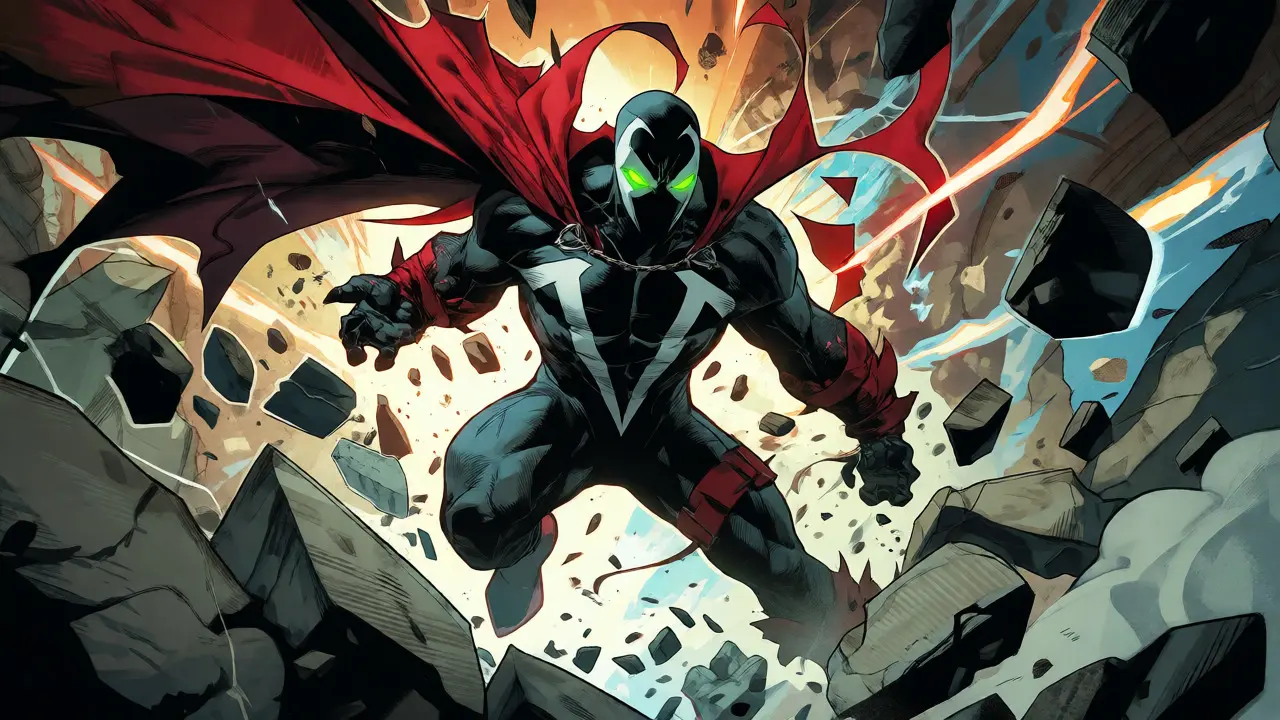
Another standout is Spawn. After years of failed live-action attempts, Todd McFarlane’s hellspawn is finally getting a serious cinematic push. The key here is tone. Spawn isn’t a boy scout; he’s a damned soul seeking redemption in a corrupt world. Recent trailers suggest a R-rated approach, focusing on body horror and moral ambiguity. This aligns perfectly with current trends where viewers crave complexity over clear-cut good vs. evil narratives.
Why These Franchises Matter Now
So why should you care about these alternatives? Because the superhero genre is facing fatigue. Audiences are becoming picky. They don’t want just another team-up movie; they want a reason to watch. Non-Marvel franchises offer variety in tone, pacing, and thematic depth. DC brings operatic scale and legacy weight. Dark Horse delivers atmospheric dread and stylistic flair. Image provides raw, unfiltered creativity that big studios often polish away.
Moreover, these publishers are experimenting with formats. DC is integrating its TV and film universes more tightly, allowing characters like Peacemaker to appear in both mediums seamlessly. Dark Horse is leveraging streaming platforms to take risks on niche titles that wouldn’t survive a theatrical release. Image is using animation to bypass budget constraints while maintaining artistic integrity. Each strategy addresses specific audience desires, creating a healthier ecosystem where multiple types of superhero stories can thrive simultaneously.
This diversity also impacts how actors choose roles. Stars are no longer locked into ten-picture deals that limit their careers. Instead, they can jump between a gritty DC thriller, a stylized Dark Horse adaptation, and a comedic Image satire. This flexibility keeps performances fresh and prevents the "superhero actor" stigma from sticking too hard.
How to Choose Your Next Watch
With so many options, picking where to start can be overwhelming. Here’s a quick guide based on what you’re looking for:
- Want emotional depth and legacy? Start with DC’s Joker (even though it’s standalone) or dive into the new Peacemaker series for a mix of comedy and pathos.
- Prefer dark, stylish visuals? Go with Dark Horse’s Sin City films or the newer Hellboy entries. Look for directors who prioritize atmosphere over exposition.
- Crave subversion and shock? Invincible is essential viewing. It starts like a typical teen hero story and quickly turns into something far more dangerous and interesting.
- Like military sci-fi angles? Check out Valiant’s Bloodshot comics or any adaptation that focuses on tech-enhanced soldiers rather than mystical powers.
Remember, you don’t need to read every issue of the source material. Most of these adaptations work as standalone experiences. However, reading even a few issues can enhance your appreciation for the visual cues and character motivations that filmmakers embed in the scenes.
Is the new DC Universe connected to the old DCEU movies?
Not directly. James Gunn and Peter Safran have launched a new continuity called the "Gods and Monsters" chapter. While some actors like John Cena may reprise roles, the overall timeline is being rebooted to allow for a cleaner start. Think of it as a soft reboot where certain elements remain, but the overarching plot resets.
Are Dark Horse adaptations suitable for families?
Generally, no. Dark Horse properties like Hellboy and Sin City tend to lean towards mature themes, including violence, horror elements, and complex moral dilemmas. They are best suited for older teens and adults who enjoy darker, more stylized storytelling similar to neo-noir films.
Why is Image Comics growing in popularity for film and TV?
Image Comics allows creators to own their intellectual property, leading to more innovative and risky stories. Studios are attracted to this freshness because it offers unique voices and visual styles that differ from the standardized look of major franchise films. Successes like Invincible prove that adult-oriented, creator-owned content has a strong market.
Do I need to read the comics before watching these movies?
No, you do not. Modern adaptations are designed to be accessible entry points. However, reading the source material can provide deeper context for character backgrounds and Easter eggs. For example, understanding the history of the Justice League helps appreciate references in DC projects, but the films explain enough for newcomers to follow along.
Which non-Marvel franchise has the biggest future potential?
DC currently holds the largest infrastructure with a planned multi-year slate under DC Studios. However, Image Comics has significant untapped potential due to its vast library of creator-owned hits. If studios continue to adapt titles like Spawn or Saga successfully, Image could rival DC in cultural impact within the next decade.






Comments(7)