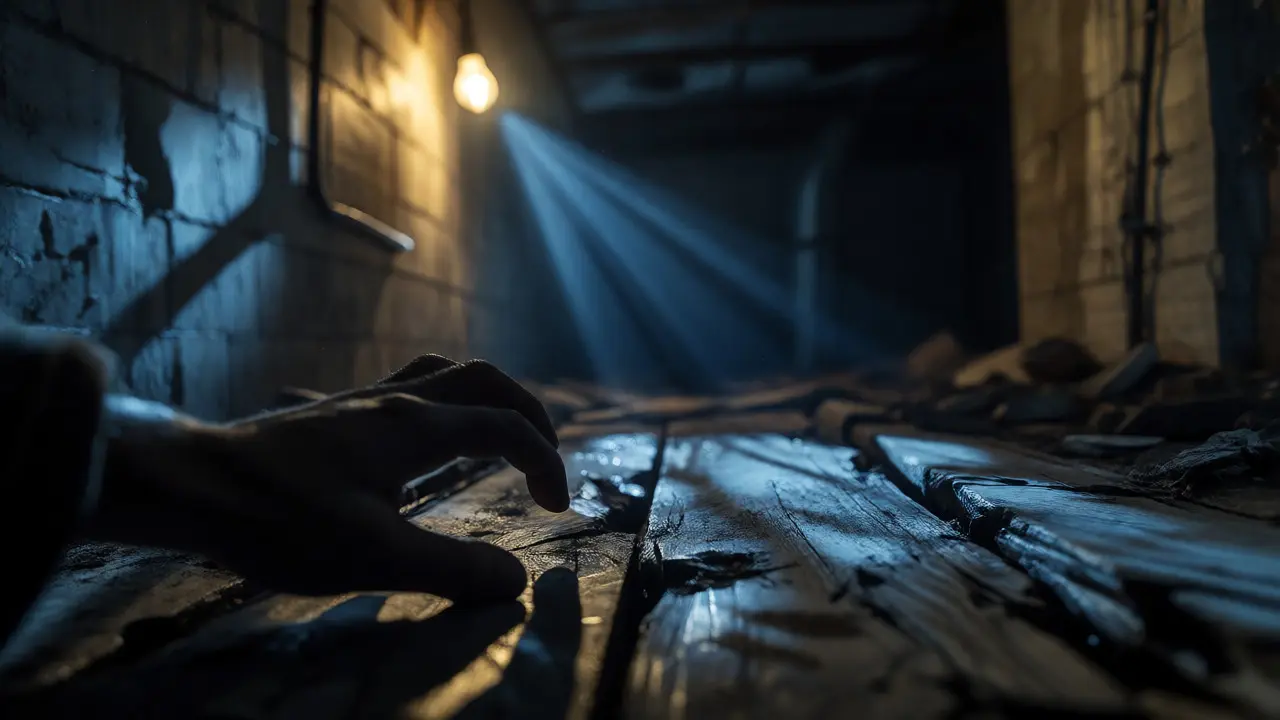
You hear a creaking floorboard. In a romantic comedy, it’s just noise. In a horror movie, that same creak might signal a killer is two steps away. Sound design isn’t just about making things audible; it’s about telling the audience how to feel before they even see what’s happening. If you’re working on a short film or a feature, getting the sound design right for your specific genre can make or break the viewer's immersion.
Most beginners think sound design is adding music and fixing dialogue levels. It’s way deeper than that. Each genre has its own sonic language. A sci-fi thriller doesn’t sound like a western. A documentary doesn’t need the same punchy bass as an action blockbuster. Understanding these differences saves you hours in post-production and keeps your audience engaged. Let’s break down how audio approaches shift across major film categories.
The Foundation: Why Genre Dictates Audio Strategy
Think of sound as the emotional glue of your film. If the visuals are the body, sound is the nervous system. When you pick a genre, you’re picking a set of expectations. The audience knows what a horror scene should sound like because they’ve watched hundreds of them. Your job is either to meet those expectations or cleverly subvert them.
This starts with the concept of Foley Art, which is the reproduction of everyday sound effects that are added to film, video, and other media in post-production to enhance audio quality. In a realistic drama, Foley needs to be invisible. You want the viewer to believe the actor actually stepped on that gravel. But in a stylized anime or a hyper-violent action movie, Foley can be exaggerated. A punch shouldn’t just sound like skin hitting skin; it should sound like a cannon blast. This distinction is critical. If you use realistic Foley in a fantasy epic, it feels flat. If you use cartoonish Foley in a gritty crime drama, it feels fake.
Horror and Thriller: The Power of Silence and Dissonance
Horror relies heavily on what you *don’t* hear. Silence creates tension. When the room tone drops out completely, the audience leans in. Then, a sudden sharp sound-a jump scare-hits them. This contrast is key. You aren’t just filling space; you’re manipulating heart rates.
Dissonance is another tool here. Traditional music theory suggests harmony is pleasant. Horror composers and sound designers often use atonal clusters or minor seconds to create unease. Think of the screeching strings in Psycho or the low-frequency hums in modern psychological thrillers. These sounds trigger a primal fear response. You don’t need a monster on screen if the audio makes the viewer’s stomach drop.
Practical tip: Record your own ambient sounds. Generic stock library "creaks" often lack character. Go to a real basement. Hit a metal pipe. Drag a chair. Layer these recordings. The imperfections make it feel real, and in horror, real equals scary.
Action and Adventure: Impact and Clarity
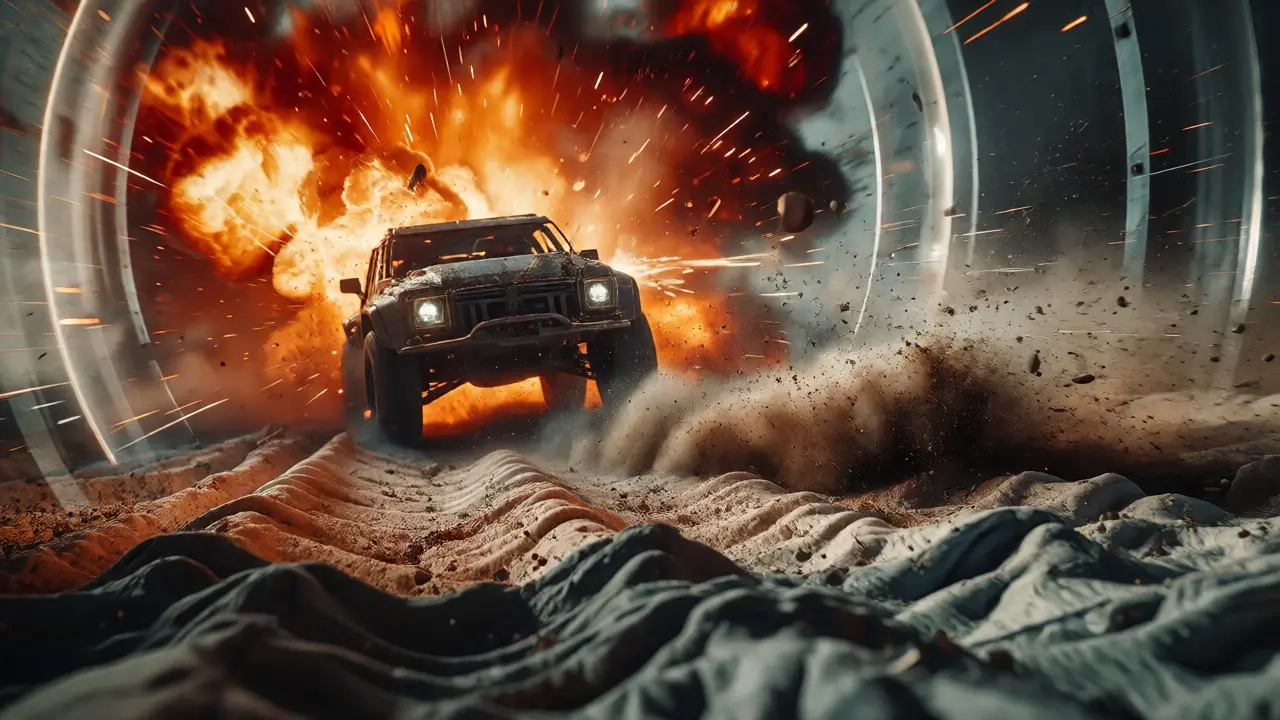
Action movies are loud, but not all noises are equal. The goal here is impact without muddiness. When explosions, gunshots, and car chases happen simultaneously, frequencies clash. A common mistake is boosting everything. Instead, you need to carve out space.
Low-end frequencies (below 100Hz) are reserved for big impacts-explosions, heavy footsteps, engine roars. Mid-range frequencies handle the crackle of gunfire and the crunch of debris. High frequencies provide the "sizzle" or detail. If you put too many elements in the low end, the mix turns into a rumble. Use side-chain compression carefully. When a massive explosion hits, duck the background music slightly so the impact punches through.
| Element | Primary Frequency Range | Design Goal |
|---|---|---|
| Explosions | 20Hz - 80Hz | Physical vibration and shock |
| Gunshots | 1kHz - 5kHz | Crispness and directionality |
| Vehicle Engines | 100Hz - 400Hz | Power and presence |
| Debris/Crunches | 2kHz - 8kHz | Texture and detail |
Another trick? Slow motion changes audio physics. In slow-mo, high-pitched sounds disappear because the frequency content shifts down. Don’t just pitch-shift the original audio. Re-record or synthesize new sounds that match the slowed-down visual rhythm. This makes the moment feel heavier and more dramatic.
Sci-Fi and Fantasy: Building Non-Existent Worlds
In genres like science fiction, you’re designing sounds for things that don’t exist. There’s no recording of a warp drive or a dragon’s roar. This gives you total creative freedom but also total responsibility. You have to build a consistent sonic logic.
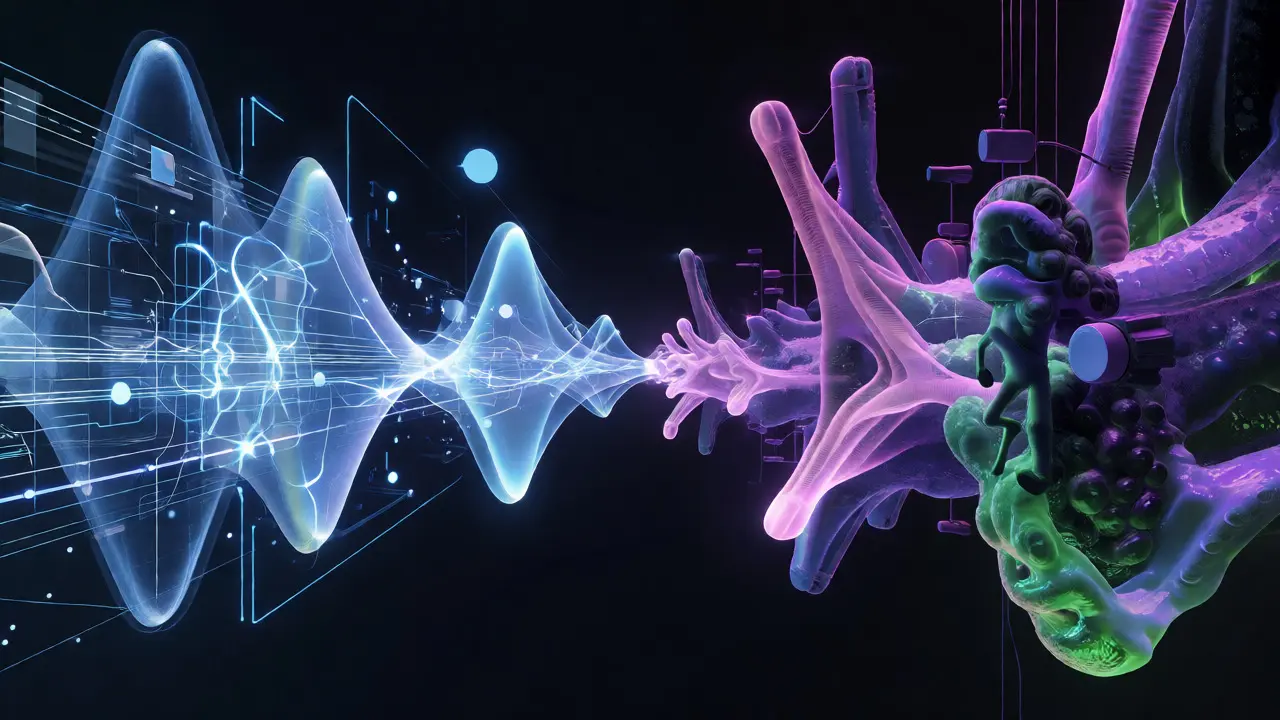
If every spaceship in your movie sounds different, the world feels chaotic unless that’s the point. Usually, you want families of sounds. Maybe all human ships use clean, electric hums, while alien ships use organic, wet, grinding textures. This auditory coding helps the audience instantly understand who is who.
Synthesizers are essential here. Unlike acoustic instruments, synthesizers allow you to shape waveforms precisely. You can take a simple sine wave and modulate it to sound like a laser beam. For fantasy films, layering animal sounds is standard practice. A lion’s growl mixed with a tiger’s purr and a bear’s grunt creates a mythical beast. Just ensure the pitch shifting doesn’t introduce digital artifacts. Use high-quality plugins to maintain clarity.
Avoid the "Star Wars blaster" cliché unless you’re parodying it. Look for inspiration in industrial machinery, electrical arcs, or processed vocal samples. The best sci-fi sound design feels familiar enough to be understood but strange enough to be futuristic.
Drama and Romance: Intimacy and Room Tone
In intimate dramas, silence is your friend, but it must be textured. Pure digital silence feels sterile. You need Room Tone, which is the unique ambient noise present in a specific location when no intentional sound sources are active. Every room has a signature. A kitchen hums with refrigerators. A bedroom breathes with distant traffic.
Dialogue is king here. If the actors’ voices aren’t crystal clear, the emotional connection breaks. Use de-noising tools sparingly. Over-processing dialogue strips out the natural reverb that tells us where the characters are standing. Keep the reverb tail short and subtle. We want to feel close to the speakers, not like we’re listening from the back row of a theater.
Music in romance should support, not dominate. Often, diegetic music (music coming from within the scene, like a radio) works better than a sweeping orchestral score. It feels grounded. If you do use a score, keep the instrumentation sparse. A single piano or cello can convey loneliness better than a full symphony. The goal is to let the actors’ performances breathe.
Documentary: Authenticity and Narrative Flow
Documentaries walk a tightrope between reality and storytelling. You can’t fabricate events, but you can manipulate how they feel. Natural sound (nat sound) is crucial. Capture long takes of environments. The wind in trees, the chatter in a market, the clatter of dishes. These layers build credibility.
However, raw nat sound is rarely usable as-is. It’s often messy. You’ll need to EQ it aggressively. Cut the low-end rumble from handheld mic recordings. Boost the mid-range frequencies where human speech lives. If you’re interviewing someone in a noisy street, consider using directional microphones during shooting, but in post, you might replace some background noise with cleaner stock audio to maintain focus on the subject.
Transitions in documentaries often rely on audio bridges. Fade out the interview audio slightly while bringing up the ambient sound of the next location. This smooths over cuts and guides the viewer’s attention. It’s less about dramatic effect and more about logical flow.
Comedy: Timing and Exaggeration
Comedy is rhythmic. Sound design supports the joke. Sometimes, the funniest thing is a perfectly timed silence. Other times, it’s an exaggerated sound effect that punctuates a punchline. Think of the "slapstick" genre. Punches need a comedic "thwack," not a realistic crunch.
Use sound to highlight absurdity. If a character walks into a wall, add a subtle "boing" or a dull thud that feels disproportionate to the action. But be careful. If the sound is too cartoonish in a dry, deadpan comedy, it undermines the humor. Match the audio style to the comedy style. Slapstick needs big sounds. Dry wit needs minimal intervention.
Music cues are also vital. A sudden stop in music can emphasize awkwardness. A swelling orchestra can mockingly elevate a trivial moment. Treat music as a narrator who is sometimes unreliable.
Tools and Workflow Tips for Every Genre
You don’t need a million-dollar studio. Most professional sound designers work with accessible software. Pro Tools remains the industry standard for large productions, but Reaper and Adobe Audition are powerful alternatives for indie filmmakers. Reaper is particularly cost-effective and highly customizable.
- Organize your assets: Label your files clearly. "SFX_Explosion_Large_01.wav" is better than "Audio_123.wav." Future you will thank present you.
- Reference tracks: Listen to films in your target genre. Watch scenes with your eyes closed. What do you hear? Try to replicate that balance.
- Monitor properly: Mix on headphones first, then check on laptop speakers and phone speakers. Most viewers watch on small devices. If the dialogue disappears on a phone, your mix fails.
- Layer sounds: Never rely on a single sample. Combine three different gunshot recordings to create one unique, full-sounding shot.
Remember, sound design is iterative. Your first pass won’t be perfect. Step away from the project. Come back the next day with fresh ears. You’ll hear clicks, pops, and imbalances you missed before.
Do I need expensive equipment to start sound design?
No. While high-end monitors help, a decent pair of open-back headphones and a free DAW like DaVinci Resolve Fairlight or Reaper are sufficient for learning. Focus on technique and critical listening skills rather than gear. Many award-winning shorts were edited on consumer hardware.
How much should I charge for sound design per minute?
Rates vary widely based on experience and complexity. Beginners might charge $50-$100 per minute of finished audio. Experienced professionals can charge $200-$500+ per minute. Always quote based on estimated hours, not just minutes of runtime, as complex VFX-heavy scenes require significantly more time.
Is stock sound library good enough for indie films?
Yes, but with caveats. Stock libraries are great for generic sounds like rain or traffic. However, overusing popular stock sounds (like the famous "Wilhelm Scream") can break immersion. Customize stock sounds by pitching, EQing, or layering them to make them unique to your project.
What is the most common mistake in amateur sound design?
Ignoring room tone. Amateur mixes often have abrupt cuts where the background noise stops and starts, creating a jarring effect. Consistent room tone under dialogue and scenes glues the edit together and makes transitions seamless.
Can AI generate sound effects?
AI tools are emerging for generating basic sound effects and cleaning audio. They are useful for prototyping or finding rare sounds quickly. However, they currently lack the nuance and precise control needed for high-end cinematic mixing. Human editing and layering remain essential for professional results.