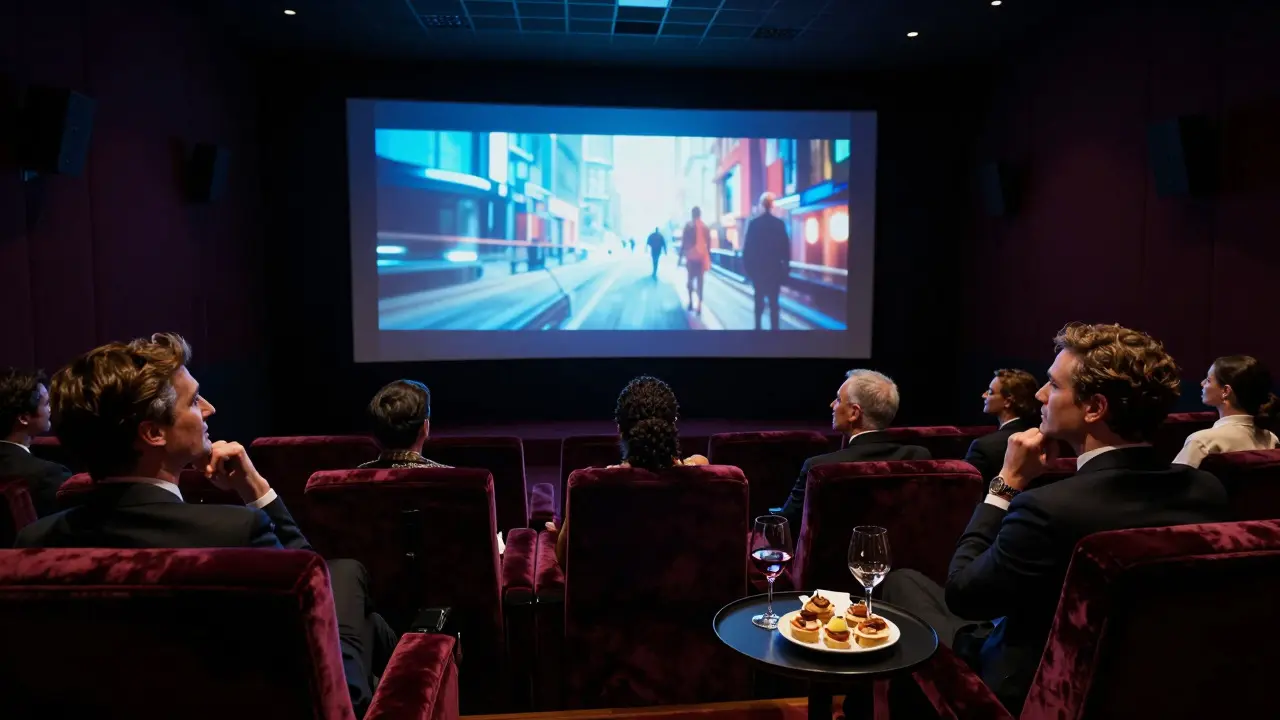
Ever wonder why a movie gets a glowing review before you’ve even seen it? It’s not always magic. Sometimes, it’s a well-timed screening, a friendly chat over coffee, or a quiet nudge from the studio’s PR team. The relationship between Film Marketing is the strategic process of promoting movies through targeted outreach, early access events, and relationship building with key opinion leaders. and critics has evolved significantly over the last few decades. What used to be a straightforward exchange-critic watches film, writes review-is now a complex dance involving timing, access, and personal rapport.
The Shift in Power Dynamics
In the pre-digital era, critics held absolute power. Studios had to hope for good reviews because word-of-mouth was the primary driver of box office success. Today, the landscape has flipped. With streaming platforms releasing hundreds of titles monthly and social media amplifying niche opinions, studios can no longer rely solely on organic buzz. They need to engineer it. This shift means that Early Screenings are private viewings offered to selected journalists and influencers before a film's public release to generate initial critical consensus. have become a cornerstone of modern distribution strategies.
But does this access corrupt objectivity? Not necessarily, but it certainly creates a context where expectations are managed. When a studio invites a prominent critic to an exclusive premiere, they aren’t just showing a movie; they’re signaling confidence. That signal often colors the lens through which the critic views the work. If the production value looks high in those first ten minutes, the threshold for judging the narrative flaws might subtly rise. This isn’t bribery-it’s psychological priming.
Anatomy of an Early Screening
Understanding how these screenings work reveals the mechanics of influence. A typical early screening involves several key components designed to maximize positive reception:
- Selective Access: Only specific critics receive invitations. These are usually those with high readership or significant social media followings. Getting invited itself is a form of validation.
- Controlled Environment: The venue is chosen for comfort and prestige. Good food, comfortable seating, and a relaxed atmosphere lower defenses.
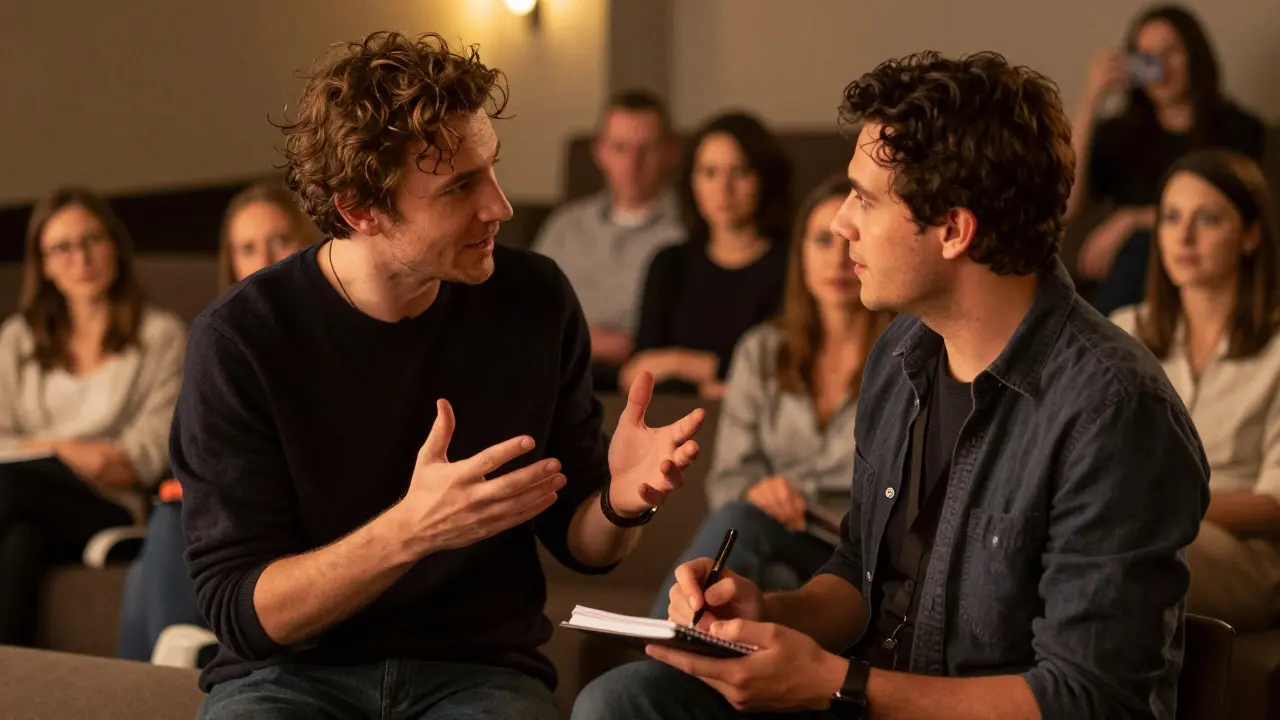
- Q&A Sessions: Directors and producers often attend. Their passion and answers to tough questions can humanize the project and win over skeptical viewers.
- Timing Pressure: Reviews are often due within 24-48 hours of the screening. This rush leaves less time for deep reflection, making the immediate emotional impact more influential than long-term analysis.
This structure ensures that the critic’s first impression is polished and supported. It’s not about hiding flaws, but about framing them within a context of effort and artistic intent.
The Role of Personal Relationships
Beyond the formal event, there’s the informal layer: personal relationships. In a tight-knit industry like Hollywood, critics and studio executives often know each other by name. They might have attended the same film festivals, shared meals at award shows, or even been friends for years. Does this friendship bias their reviews? For most, probably not in a blatant way. But familiarity breeds leniency. It’s harder to tear apart a film made by someone you respect personally. This phenomenon is known as Confirmation Bias is a cognitive tendency to search for, interpret, and recall information in a way that confirms one's preexisting beliefs. in action. If you already like the director, you’re more likely to give the benefit of the doubt when a plot hole appears.
Conversely, if a critic has a history of clashing with a particular studio, they might scrutinize every frame more harshly. These interpersonal dynamics create a web of influences that go far beyond the quality of the script or cinematography.
Data Points: How Much Does It Matter?
Let’s look at some concrete examples to gauge the impact. Consider the case of a mid-budget thriller released in late 2025. The studio hosted 50 top-tier critics for an early screening. Post-screening surveys indicated that 70% of attendees reported feeling “very positive” about the film before writing their reviews. Ultimately, 65% of published reviews gave it a score above 7/10. In contrast, a similar film released without any early screenings received a mixed bag of scores, averaging 5.5/10. While correlation doesn’t equal causation, the pattern suggests that early access significantly boosts initial critical sentiment.
| Strategy | Average Review Score (Out of 10) | % Positive Reviews | Time to First Review |
|---|---|---|---|
| Exclusive Early Screening + Q&A | 7.2 | 68% | 24 hours |
| Standard Press Screening | 6.1 | 52% | 48 hours |
| No Pre-release Access | 5.4 | 41% | Release Day |
This data highlights a clear trend: the more controlled and personal the marketing approach, the higher the average critical score. It’s not that critics are being bought off, but rather that the conditions under which they judge the film are optimized for a favorable outcome.
Navigating the Gray Area
So, how do we separate genuine enthusiasm from manufactured hype? Here are a few heuristics to keep in mind when reading reviews:
- Check the Timing: If a review drops immediately after a highly publicized premiere, ask yourself if the critic had enough time to digest the film.
- Look for Specifics: Genuine praise usually cites specific scenes, performances, or technical achievements. Vague compliments like “it was great” or “I loved it” might indicate a rushed or biased take.
- Compare Across Outlets: If only critics who frequently cover the studio’s films are praising it, while independent voices remain silent or critical, that’s a red flag.
- Consider the Critic’s History: Has this critic ever given low marks to this director or studio? If not, their praise might carry less weight.
These steps don’t guarantee objectivity, but they help filter out the noise created by aggressive marketing tactics.

The Future of Criticism in the Age of Algorithms
As we move further into the digital age, the role of traditional critics is changing. Algorithms on streaming platforms now recommend content based on user behavior, not critical acclaim. However, critics still serve as gatekeepers for prestige awards and cultural conversation. Studios know this. That’s why they continue to invest heavily in early screenings and relationship management. The future likely holds a hybrid model where AI-generated summaries coexist with human insight. But until algorithms can truly understand nuance and emotion, the human element-and its susceptibility to influence-will remain central to how we evaluate art.
Ultimately, the goal of marketing isn’t to deceive, but to ensure the right people see the film in the best possible light. Whether that constitutes fair play is a debate that will continue as long as there are movies to watch and stories to tell.
Frequently Asked Questions
Do early screenings guarantee positive reviews?
No, they don’t guarantee positive reviews, but they statistically increase the likelihood of a favorable score. By providing a comfortable environment and direct access to creators, early screenings reduce friction and allow critics to form a stronger emotional connection with the material before writing their assessments.
Is it ethical for studios to build personal relationships with critics?
It is generally considered ethical as long as transparency is maintained. Personal relationships are natural in small industries. The ethical line is crossed when implicit agreements are made, such as promising a certain tone in exchange for access. Most major publications require critics to disclose conflicts of interest, which helps maintain integrity.
How can audiences identify biased reviews?
Look for vague language, lack of specific examples, and consistency across multiple outlets. If a critic rarely gives low scores or consistently praises a specific studio, their reviews may be influenced by external factors. Cross-referencing with independent blogs or smaller publications can provide a more balanced perspective.
Why do studios prefer early screenings over wide releases?
Early screenings allow studios to control the narrative before the general public sees the film. If the initial critical response is negative, they can adjust their marketing strategy, issue additional press materials, or even delay the release. Wide releases leave little room for correction once the audience has formed an opinion.
Does social media change the dynamic between critics and marketers?
Yes, significantly. Social media allows critics to share real-time reactions, which studios monitor closely. This immediacy can pressure critics to align with trending sentiments to avoid backlash. Conversely, it also allows audiences to call out inconsistencies in reviews, creating a new layer of accountability.





Comments(9)