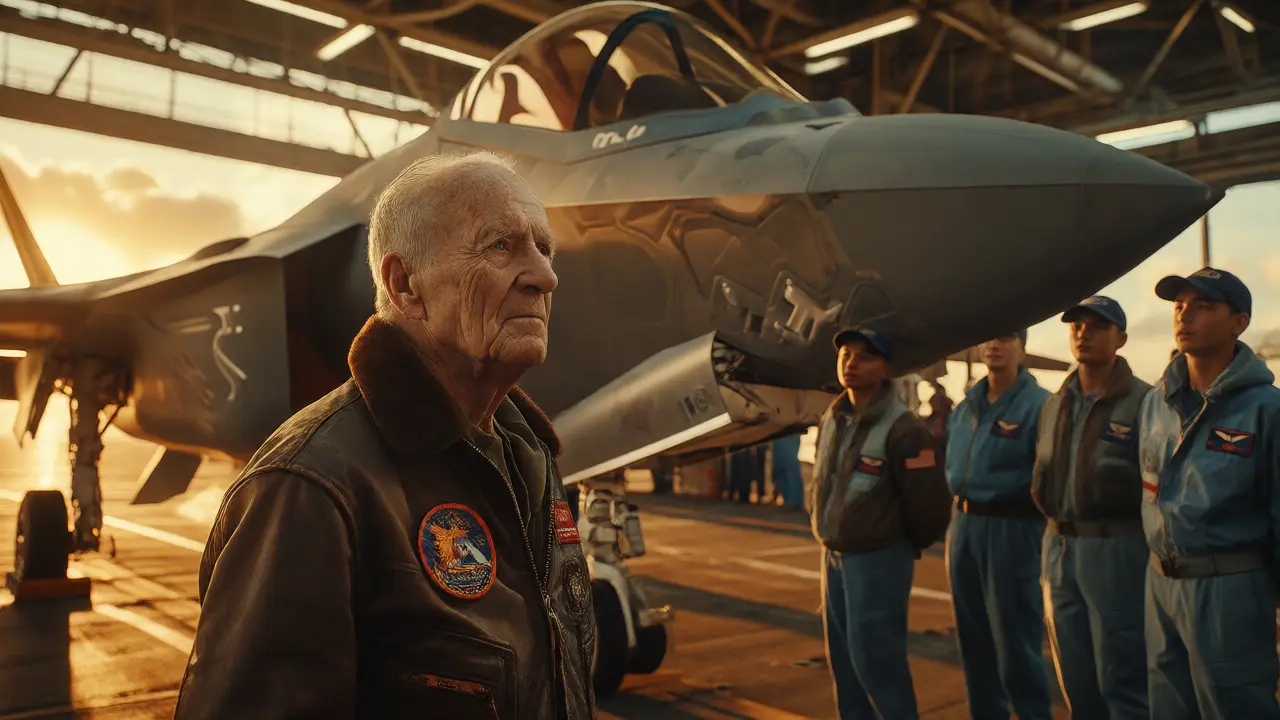
You know that feeling when a studio announces a sequel to a movie you loved as a kid? Your stomach drops. You expect a cash-grab, a soulless rehash, or a confusing mess of new characters who have nothing to do with the original. But then there’s Top Gun: Maverick, which is a legacy sequel that continues the story of Pete "Maverick" Mitchell decades after the original while introducing a new generation of pilots. It didn’t just make money; it respected the source material so deeply that even die-hard fans cried in theaters. Why did that work when so many other sequels failed?
This isn’t about nostalgia bait. It’s about a specific storytelling structure called the legacyquel. If you’re a writer, a producer, or just someone trying to understand why Hollywood keeps digging up graves from the 80s and 90s, you need to get this concept straight. A legacyquel isn’t a reboot. It’s not a remake. It’s a continuation that passes the torch.
What Exactly Is a Legacyquel?
Let’s cut through the buzzwords. A legacyquel is a type of sequel that ignores previous direct-to-video sequels or spin-offs and continues the narrative directly from the original film, often featuring both original cast members and new younger protagonists. Think of it as skipping the bad middle chapters of a book series to jump straight into a compelling next volume.
The key difference between a legacyquel and a standard sequel is time and consequence. Standard sequels usually happen immediately after the first film. Legacyquels let life happen. Characters age. Technology changes. The world moves on. This gap allows for richer character development. In Halloween (2018), the film disregards all ten previous sequels, returning directly to the events of John Carpenter's 1978 original. Laurie Strode isn’t just surviving; she’s been preparing for thirty years. That trauma shapes her entire personality. You can’t get that depth if the timeline resets every five years.
Why does this matter to you? Because audiences are tired of endless timelines. We don’t want twenty versions of Spider-Man. We want one coherent story that evolves. Legacyquels offer a clean slate without erasing history. They respect the canon while opening doors for new entry points.
The Anatomy of a Successful Continuation
Not every attempt at a legacyquel works. Look at Blade Runner 2049. It was critically acclaimed but struggled at the box office initially because it asked too much of casual viewers. Compare that to Jurassic World, which used the legacyquel structure to bring back Chris Pratt and Bryce Dallas Howard while keeping Ian Malcolm (Jeff Goldblum) as a cameo. One felt like homework; the other felt like a party.
So, what makes them click? Three things:
- Emotional Continuity: The old characters must still care about something. In Cobra Kai, the conflict between Daniel LaRusso and Johnny Lawrence persists because their unresolved rivalry drives the plot despite their aging bodies. If they’re just there for fan service, it fails. They need active stakes.
- New Stakes: The new characters can’t just be carbon copies. They need different problems. In Star Wars: The Force Awakens, Rey isn’t Luke Skywalker. She’s a scavenger with no family name, contrasting with Luke’s established lineage. This creates tension rather than repetition.
- World Evolution: The setting must change. If the world looks exactly the same, the passage of time feels fake. Mad Max: Fury Road updated the aesthetic and themes of the original trilogy while keeping the core survival instinct intact.
You might ask, "Doesn't this exclude people who haven't seen the original?" Not necessarily. Good legacyquels provide context clues. They show, don't tell. When Maverick flies his plane, you see his skill. You don't need a flashback to explain he's good at flying. You feel it.
Case Studies: Where Legacyquels Succeeded
Let’s look at real-world examples to see how this plays out in practice. These aren't just random picks; they represent different approaches to the genre.
| Film Title | Original Release | Time Gap | Key Strategy |
|---|---|---|---|
| Top Gun: Maverick | 1986 | 36 Years | Aging hero mentoring new recruits; practical effects emphasis. |
| Halloween | 1978 | 40 Years | Trauma response; ignoring intermediate sequels to reset tone. |
| Creed | 1976 | 39 Years | Son of rival carrying the burden; Rocky as mentor figure. |
| The Matrix Resurrections | 1999 | 20 Years | Meta-commentary on sequels themselves; soft reboot elements. |
Take Creed. It shifted the focus from Rocky Balboa to Adonis Creed, the son of Apollo Creed. This wasn't just about boxing matches. It was about legacy, identity, and living in someone else's shadow. Sylvester Stallone didn't steal the show; he supported it. That balance is crucial. If the old guard hogs the screen, the new audience has no one to root for long-term.
On the flip side, consider Indiana Jones and the Dial of Destiny. While technically a legacyquel, critics argued it leaned too heavily on de-aging technology and past references rather than letting Harrison Ford play an older man authentically. The emotional resonance suffered because the vulnerability felt manufactured. Authenticity beats CGI in these stories.
The Pitfalls: Why Some Sequels Crash and Burn
It’s easy to spot the winners, but learning from the losers is more valuable. What goes wrong?
First, there’s the "Nostalgia Trap." Studios sometimes think throwing in a familiar song or a cameo is enough. It’s not. Ghostbusters: Afterlife tried to balance two generations but often felt like two separate movies stitched together. The connection between the kids and the original team lacked organic buildup.
Second, ignoring the consequences of time. If a character hasn't aged physically or mentally, the suspension of disbelief breaks. Audiences notice. In Space Jam: A New Legacy, the reliance on IP cameos overrode narrative logic, alienating viewers who wanted a coherent sports drama.
Third, disrespecting the original tone. If the first film was a gritty thriller and the sequel turns into a slapstick comedy, fans feel betrayed. Consistency in theme matters more than consistency in plot. You can change the plot; you shouldn't change the soul.
How to Write a Legacyquel That Works
If you’re working on a script or analyzing a project, here’s your checklist. Don’t skip steps.
- Define the Wound: What is still broken from the first movie? In Karate Kid, the wound is the unresolved anger between Daniel and Johnny. Find the scar that never healed.
- Create a Mirror Character: The new protagonist should reflect a flaw or strength of the original hero but in a modern context. Don't copy-paste. Adapt.
- Limit Cameos: Use original characters sparingly. Their presence should impact the plot, not just decorate it. If they leave, the story must still move forward.
- Update the Threat: The villain or obstacle needs to fit the current era. A 1980s computer hacker threat doesn't scare us today. Make the danger relevant to now.
Remember, the goal isn't to replace the original. It's to expand its universe. Think of it as adding a room to a house. The foundation stays, but you build something new attached to it.
The Future of Franchise Storytelling
We are entering an era where intellectual property is currency. But audiences are getting smarter. They can smell a lazy sequel from a mile away. The success of Spider-Man: No Way Home showed that multiverse mechanics can serve emotional closure, not just spectacle. Similarly, Barbie proved that understanding the cultural weight of a brand allows for subversive, fresh storytelling.
Studios will keep mining the past. It’s safer financially. But the ones that survive will be those that treat legacyquels as serious dramatic endeavors, not marketing exercises. They’ll hire writers who love the original films but also live in the present. They’ll trust directors to take risks within the framework.
For you, the viewer, this means hope. Not every sequel will be a disaster. There’s a formula for respect. And when done right, watching a character you loved return-older, wiser, maybe sadder-is one of the most powerful experiences cinema offers.
Is a legacyquel the same as a reboot?
No. A reboot restarts the timeline, often ignoring previous continuity entirely (like The Amazing Spider-Man). A legacyquel maintains the original timeline but skips intervening sequels to continue the story directly from the first installment, acknowledging the passage of time.
Do I need to watch the original movie before seeing a legacyquel?
While you can follow the plot of well-made legacyquels without prior knowledge, watching the original enhances the emotional impact. Understanding the history and relationships adds layers to the interactions between old and new characters, making the payoff significantly stronger.
Why are legacyquels becoming so popular in Hollywood?
They offer a balance of risk mitigation and novelty. Studios leverage existing brand recognition (lowering marketing costs) while providing fresh narratives that appeal to new demographics. For audiences, it satisfies nostalgia without the fatigue of endless linear sequels.
Can a legacyquel fail if it focuses too much on nostalgia?
Yes. If the plot relies solely on callbacks and cameos without establishing independent stakes for the new characters, the film feels hollow. Successful legacyquels use nostalgia as a foundation, not the entire building. The new story must stand on its own merits.
What is the biggest mistake studios make with legacyquels?
Treating the original characters as mere props for fan service. If the legacy characters lack agency or meaningful arcs in the new film, the story feels disjointed. Both generations of characters need active roles in driving the narrative forward.




Comments(7)