Key Takeaways
- Promo codes create urgency and allow you to track exactly which marketing channels are working.
- Bundling films increases your Average Order Value (AOV) by offering a perceived deal on a collection of stories.
- Tiered pricing helps you capture both the casual viewer and the super-fan.
- Limited-time offers prevent "decision paralysis" and push viewers to click "Buy" now.
The Psychology of the Promo Code
A promo code isn't just a discount; it's a psychological trigger. When a viewer sees a code like "FIRSTFILM50," they aren't just saving money-they're feeling like they've unlocked a secret or earned a reward. This is especially powerful in indie film distribution, where the relationship between the creator and the audience is often personal and direct.
If you just put a movie on sale for everyone, you're signaling that your work is "cheap." But when you give a specific code to a newsletter subscriber or a fan from a specific city, you're creating an exclusive club. This shifts the perception from a price drop to a curated gift. For example, if you're screening your film at a festival in Austin, giving the local crowd a code like "ATXFILM" makes them feel connected to the project, increasing the likelihood they'll share it with friends.
From a technical side, promo codes are your best data tool. If you use a generic sale, you don't know where your customers came from. But if you create separate codes for Instagram, X (Twitter), and your email list, you can see exactly which platform is driving the most revenue. If the "IG20" code is used 500 times while the "X20" code is used twice, you know exactly where to spend your remaining marketing budget.
Building Movie Bundles That Actually Sell
Bundling is the art of increasing your ticket size. Instead of hoping a user buys one movie, you encourage them to buy three. This is a staple of Transactional VOD (TVOD) strategies. The trick is to group films that share a "vibe," a genre, or a thematic connection. If you've directed three different short films about grief, don't sell them individually; sell them as the "Loss and Longing Collection."
Think about how Netflix or Hulu uses categories. They don't just give you a list of movies; they give you a mood. Your bundles should do the same. A "Late Night Thriller Bundle" consisting of your main feature and two supporting shorts feels like a curated experience rather than a sales pitch. This increases the perceived value-the user feels they are getting a library of content for a fraction of the individual cost.
| Metric | Single Film Sale | Curated Bundle |
|---|---|---|
| Average Order Value (AOV) | Low ($4.99 - $14.99) | High ($19.99 - $39.99) |
| Customer Acquisition Cost | Higher per unit sold | Lower (more value per click) |
| Perceived Value | Standard | High (Bulk Discount) |
| Audience Retention | Low (One-off watch) | High (Multiple titles to explore) |
Strategic Pricing Tiers for Different Audiences
Not every viewer has the same budget, and not every viewer values your work the same way. If you only have one price point, you're leaving money on the table. The most successful indie creators use a tiered approach to capture both the casual browser and the "super-fan."
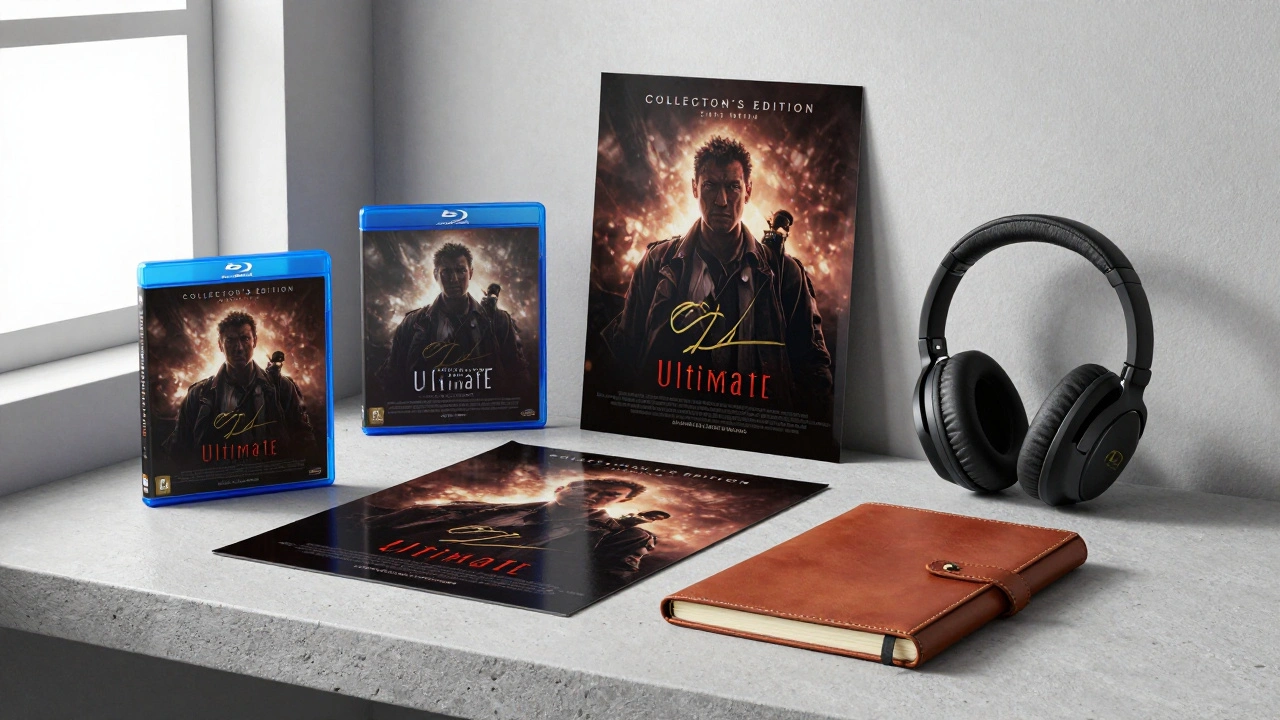
Imagine a three-tier system. The first tier is the "Basic Access"-just the digital download or stream of the film. The second tier is the "Director's Cut Bundle," which includes the film, a digital booklet of production notes, and a commentary track. The third tier is the "Ultimate Collector's Edition," which adds a physical DVD/Blu-ray, a signed poster, and a virtual Q&A session. By offering these, you aren't just selling a movie; you're selling an experience. The people who only want to see the movie will pay the basic price, but the 5% of fans who love your work will happily pay five times that amount for the collector's tier.
This strategy leverages the "anchoring effect." When a user sees a $100 Ultimate bundle, the $25 Director's Cut suddenly looks like a bargain. It removes the friction of the decision because the middle option feels like the most logical choice. This is a common tactic used in SaaS pricing models and high-end digital products, and it works perfectly for indie cinema.
Avoiding the "Discount Trap"
There is a dangerous line between a strategic promotion and devaluing your art. If your movie is always on sale for 50% off, your audience will learn to never pay full price. They'll just wait for the next discount. To avoid this, you must implement scarcity and urgency.
Instead of a permanent sale, run a "Weekend Flash Sale" or a "Festival Celebration Event." Give the code a hard expiration date. When people know a deal disappears on Sunday at midnight, they stop debating whether they want to watch the movie and start worrying about missing the deal. This creates a spike in traffic that can help your film trend on platforms or climb the charts in an indie store.
Another way to keep your value high is to tie discounts to action. Don't just give a code away; make them earn it. "Sign up for my newsletter to get 20% off" converts a one-time viewer into a long-term lead. Now you have their email address, which is infinitely more valuable than the $2 you lost on the discount. You can now market your next film to them directly, bypassing the expensive algorithms of social media.
Executing the Launch: Step-by-Step
If you're ready to implement these strategies, don't just flip a switch. You need a coordinated rollout to maximize the impact. Follow this sequence to ensure you're driving the most sales possible during your launch window.
- Identify Your Core Assets: List every piece of content you have (feature, shorts, behind-the-scenes clips, script PDFs).
- Create the Bundles: Group these assets into 2-3 logical packages based on the "vibe" or value.
- Set Your Anchor Price: Establish the full-price value of each bundle so the discounts feel real.
- Generate Trackable Codes: Create unique codes for each of your traffic sources (Email, IG, TikTok, FB).
- Build a Countdown: Use a timer on your landing page to signal when the promo codes expire.
- Email the "Warm" List: Send the code to your most loyal fans first to create an initial surge of sales.
- Broaden the Reach: Release the bundles and codes to the general public via social media.
For example, a filmmaker I know launched a short film series by first offering a "Early Bird" bundle to their Patreon supporters. By the time the general public got the promo code, the film already had a high volume of sales, which created a "social proof" effect. New viewers saw that people were already buying, making them more confident in their own purchase.
The Role of Platform Choice
Where you host your film determines how easily you can implement these tactics. If you're using a massive aggregator, you might be limited in how you handle promo codes. This is why many indie creators are moving toward Direct-to-Consumer (D2C) models using platforms like Shopify, Gumroad, or Vimeo On Demand.
D2C gives you total control over the checkout experience. You can add "upsells" at the moment of purchase-for example, a pop-up that says, "Wait! For just $5 more, add the Director's Commentary to your order." These small additions can increase your total revenue by 15-30% without requiring any extra marketing spend. When you own the storefront, you own the data and the pricing strategy.
Will using promo codes make my film look "cheap"?
Only if you use them permanently. The key is to use codes for specific events, rewards, or limited-time windows. When a discount is tied to a reason (like a festival win or a holiday), it's seen as a celebration rather than a desperate attempt to find buyers.
What is the best discount percentage for an indie film?
Usually, 20% to 30% is the sweet spot. It's enough to trigger a "deal" response in the buyer's brain without making the product feel low-value. Avoid 50% or 70% discounts unless you are clearing out old stock or running a very short 24-hour flash sale.
How do I decide what to put in a bundle?
Look for commonalities. If you have a main feature and a short film that share the same actors or the same visual style, group them. You can also add non-video assets like digital scripts, soundtracks, or concept art to add value without increasing your distribution costs.
Can bundles help with my film's visibility?
Yes, indirectly. Bundles increase the time a user spends engaging with your work. If they buy a bundle of three films, they are three times more likely to share your name on social media and three times more likely to remember you when you release your next project.
Should I offer a free version alongside a paid bundle?
This is a "freemium" strategy. Offering one short film for free can act as a lead magnet. Once the user sees the quality of the free content, they are much more likely to use a promo code to buy a paid bundle of your other works.
Next Steps for Filmmakers
If you're currently in the distribution phase, start by auditing your current pricing. If you only have one price for one movie, you're missing out on potential revenue. Try creating one "Collector's Bundle" this week and announce it to your email list with a 48-hour promo code. See how your audience responds to the higher price point versus the discounted one.
For those just starting their launch, focus on building your email list first. Use a small discount as the incentive for people to sign up. By the time your film is ready for the public, you'll have a list of thousands of people who have already "opted-in" to your brand, making your promo code launch far more effective than a blind post on social media.


Comments(9)