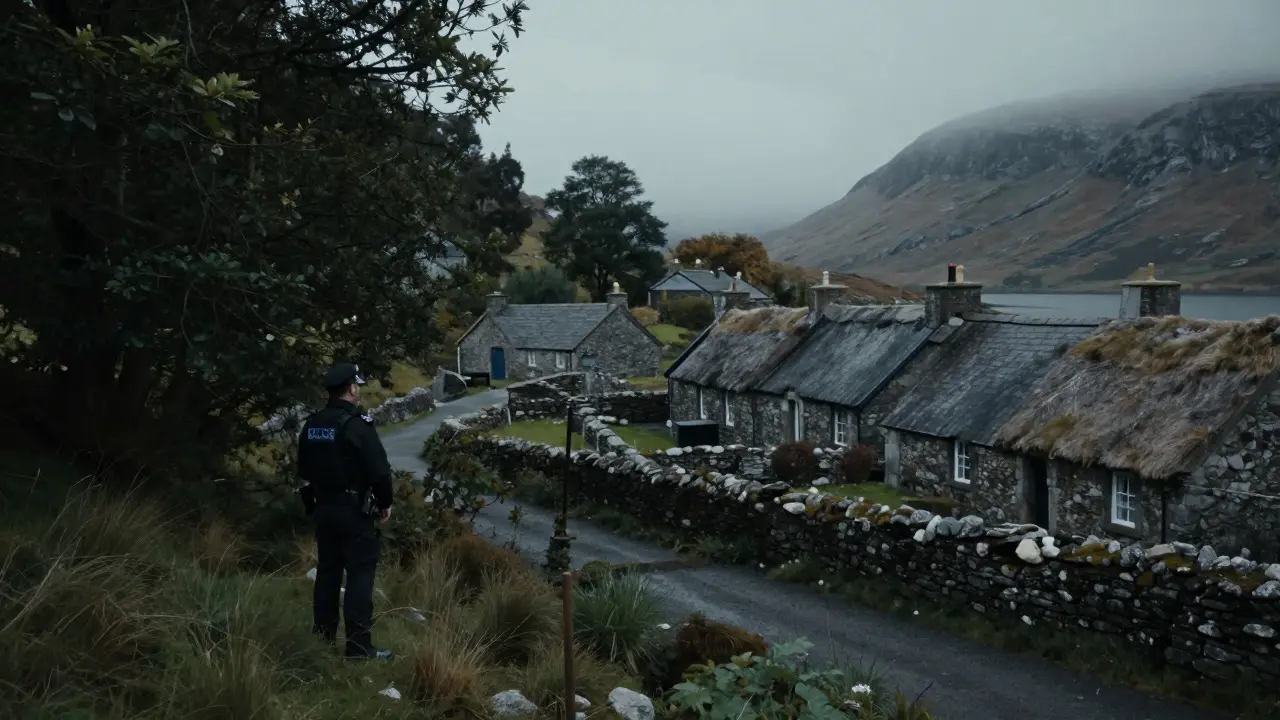
There is a specific kind of dread that comes from watching a sunny meadow slowly turn into a trap. It’s not the jump scare or the monster under the bed. It’s the realization that the people smiling at you are following rules you don’t understand. This is the core tension of Folk Horror, a subgenre of horror cinema that blends supernatural elements with rural folklore, mythology, and ancient traditions. Unlike standard slasher films that rely on gore, folk horror relies on atmosphere, isolation, and the fear of the unknown embedded in history.
You might have seen this style in recent hits like Midsommar or The Witch, but the roots go much deeper. The genre emerged strongly in the 1970s in Britain, where filmmakers looked at local legends and turned them into psychological nightmares. Today, it has become a global phenomenon, proving that old stories still have teeth when told through a modern lens.
Origins of the Genre: From Village Myths to Screen
To understand why these movies feel so unsettling, you have to look at where they started. The term "folk horror" was coined by film critic Martin Maron in 1973. He used it to describe a cluster of British films released between 1968 and 1974. These weren't just scary movies; they were cultural artifacts that explored the gap between the modern world and the pre-Christian past.
The most famous early example is The Wicker Man (1973). Directed by Robin Hardy, the film follows a Scottish police officer who investigates a missing girl on a remote island. What he finds isn't a serial killer, but a community practicing a form of Norse polytheism. The film didn't invent these beliefs; it drew directly from real historical records of human sacrifice in northern Europe. By grounding the horror in plausible history, the movie made the supernatural feel immediate and dangerous.
Other key titles from this era include Witchfinder General (1968) and Blood on the Sand (1969). While Witchfinder General dealt with the historical persecution of witches during the English Civil War, it established the visual language of the genre: bleak landscapes, period costumes, and a sense of moral decay hidden beneath rustic charm.
Core Elements That Define Folk Horror
Not every movie set in a countryside is folk horror. To qualify, a film usually needs to hit several specific notes. These elements create the unique flavor that separates this subgenre from other types of horror.
- Rural Isolation: The setting is almost always remote. Think isolated islands, deep forests, or villages cut off from cities. This physical separation traps the protagonist and the audience alike.
- Ancient Traditions: The conflict involves rituals, festivals, or beliefs that predate Christianity. We're talking about solstices, harvest sacrifices, and spirit worship.
- The Outsider Perspective: The main character is usually an outsider-a city dweller, a tourist, or a researcher-who enters this world and fails to understand its rules.
- Nature as Character: The environment isn't just a backdrop. The woods, the sea, and the weather often feel alive, hostile, or indifferent to human life.
- Community vs. Individual: The threat rarely comes from one villain. It comes from the collective will of the village or tribe, which values tradition over individual rights.
This combination creates a feeling of helplessness. In a standard horror movie, you can run away. In folk horror, running away often leads you deeper into the ritual. The landscape itself seems to conspire against you.
The 2010s Revival: A New Wave of Folk Horror
For decades after the 1970s, the genre faded into obscurity. But starting around 2015, a new wave of directors began revisiting these themes. Why now? Partly because audiences were tired of repetitive slasher formulas. They wanted something slower, weirder, and more intellectually stimulating.
The Witch (2015), directed by Robert Eggers, kicked off this revival. Set in 1630s New England, it uses authentic dialogue and lighting to recreate the Puritan experience. The horror here is less about ghosts and more about paranoia and religious fear. The film proved that historical accuracy could be a powerful tool for creating dread.
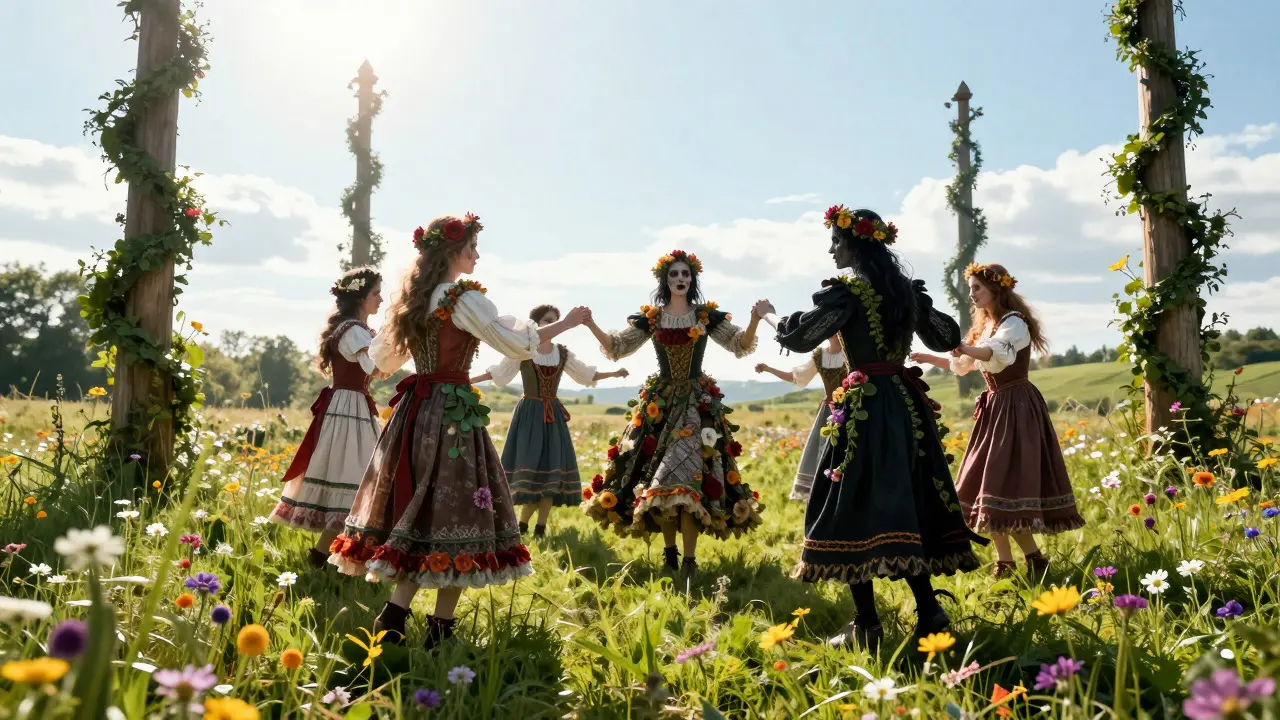
Then came Midsommar (2019) by Ari Aster. This film took the genre to an extreme by setting the horror in broad daylight. Instead of dark shadows, we get bright flowers and sun-drenched fields. The Hårga, the fictional Swedish commune in the film, practices a version of Norse paganism. Their festival includes brainwashing, public shaming, and ultimately, sacrifice. The fact that all this happens in the light makes it even more disturbing because there is nowhere to hide.
Other notable entries in this modern wave include Peter Honskos's The Lodge (2019) and The Blackcoat's Daughter (2015). Even mainstream franchises have dipped their toes in, with Stranger Things using small-town mystery tropes that echo folk horror sensibilities.
Comparing Classic and Modern Approaches
While the core themes remain similar, the execution has shifted significantly between the 1970s and today. Understanding these differences helps explain why the genre feels fresh again.
| Feature | Classic Era (1970s) | Modern Era (2010s-2020s) |
|---|---|---|
| Primary Focus | Cultural anthropology and history | Psychological trauma and relationship dynamics |
| Visual Style | Bleak, desaturated, grainy film stock | High-definition, often bright or hyper-realistic |
| Protagonist Role | Investigator or academic | Tourist, grieving partner, or outsider |
| Horror Source | Social alienation and superstition | Gaslighting, cult mentality, and nature |
| Ending Tone | Often ambiguous or tragic | Often brutal or cathartic |
Classic films like The Wicker Man treat the folklore with a certain respect. The villagers aren't necessarily evil; they are just different. The horror comes from the clash of cultures. Modern films like Midsommar lean harder into the psychological aspect. The villagers are manipulative and controlling. The horror is personal, stemming from broken relationships and mental instability.
Why Do These Stories Still Resonate?
It’s easy to dismiss folk horror as niche or outdated. But if you look at what these films tap into, they address very current anxieties. We live in a hyper-connected digital age, yet many people feel increasingly isolated. The idea of being trapped in a community that doesn't share your values feels more relevant than ever.
Furthermore, there is a growing interest in reclaiming pre-Christian heritage. As society becomes more secular, people are curious about where their holidays and traditions really come from. Folk horror scratches that itch by showing the raw, unfiltered versions of these myths. It asks uncomfortable questions: What did our ancestors believe? How violent were their rituals? And how close are we to losing that connection?
The genre also benefits from the rise of streaming platforms. Algorithms love niche genres because they build loyal communities. Once you watch one good folk horror film, you’re likely to watch another. This creates a feedback loop that keeps the subgenre alive and evolving.
Key Takeaways
- Folk Horror is defined by rural settings, ancient traditions, and the fear of the unfamiliar.
- The genre originated in 1970s Britain with films like The Wicker Man and Witchfinder General.
- The 2010s saw a major revival driven by directors like Robert Eggers and Ari Aster.
- Modern folk horror focuses more on psychological depth and high-production values compared to the classic era.
- The subgenre remains popular because it addresses contemporary fears of isolation and cultural disconnection.
Frequently Asked Questions
What is the difference between folk horror and slasher horror?
Slasher horror typically features a single killer with a weapon and a series of victims. Folk horror features a community or force of nature as the antagonist. The danger in folk horror is systemic and cultural, not just physical. You are fighting against a way of life, not just a person.
Is Midsommar considered folk horror?
Yes, Midsommar is widely considered a landmark modern folk horror film. It uses a fictionalized version of Swedish midsummer traditions, features an isolated commune, and centers on the conflict between a modern outsider and ancient rituals. Its bright setting distinguishes it from darker predecessors but fits the genre's core criteria.
Who coined the term 'folk horror'?
The term was popularized by film critic Martin Maron in 1973. He used it to categorize a group of British films released in the late 1960s and early 1970s that shared common thematic elements related to rural mythology and superstition.
Are folk horror movies based on real events?
They are often inspired by real historical events, folklore, and archaeological findings. For example, The Wicker Man draws on records of human sacrifice in Scotland and Scandinavia. However, the plots themselves are fictional dramatizations designed to explore cultural fears rather than document actual crimes.
Why do folk horror films use rural settings?
Rural settings emphasize isolation and lack of modern infrastructure. Without cell service, roads, or neighbors, characters are forced to rely on the local community. This makes the community's control more absolute and increases the sense of vulnerability for the protagonist.





Comments(10)