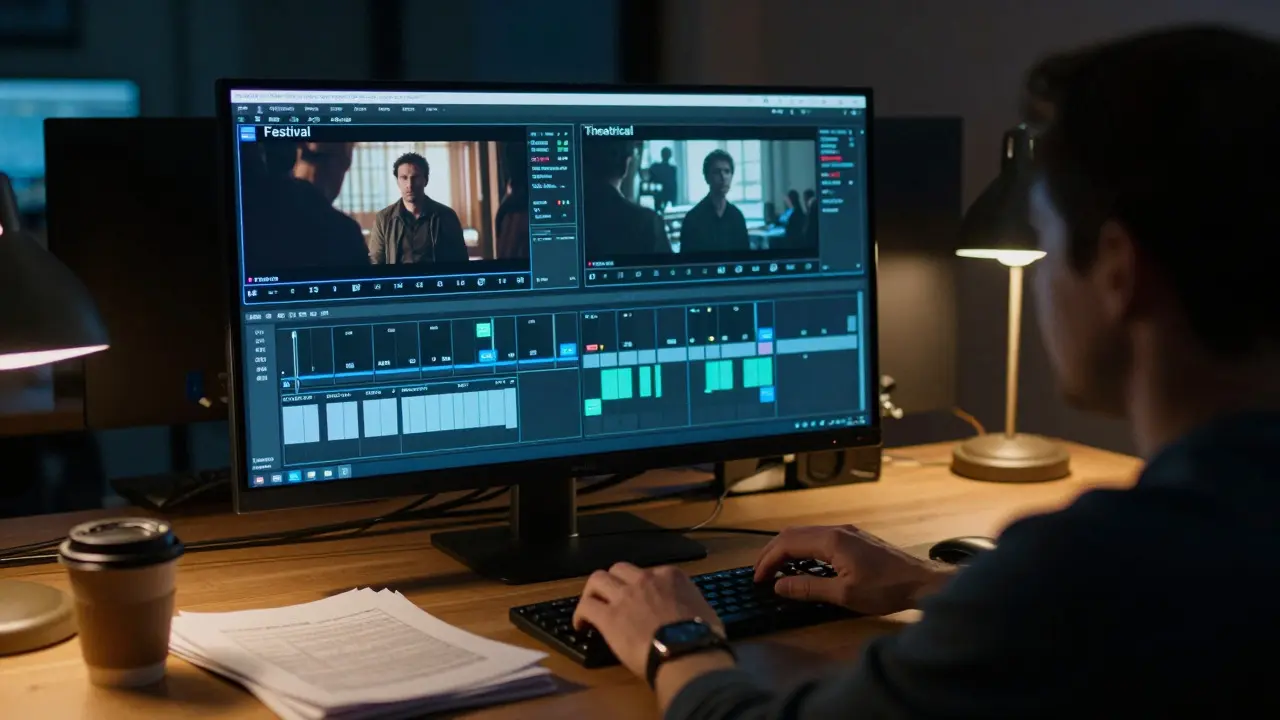
You walked out of the Cannes premiere thinking you saw the final product. You were wrong. The cut you watched was a snapshot, not the destination. Festival recuts are the quiet industry practice where filmmakers tweak pacing, dialogue, or even entire scenes after a festival debut but before the movie hits theaters. It’s not cheating; it’s survival. Studios want a sellable product, directors want their vision intact, and audiences just want a good movie. When these three collide, the edit changes.
The Gap Between Premiere and Theatrical Run
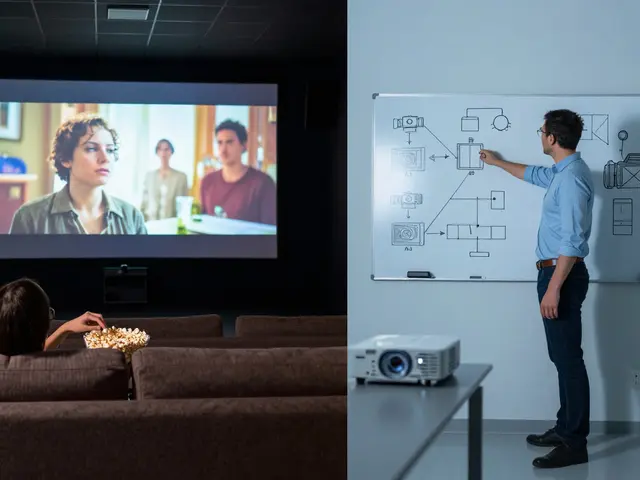
There is usually a four-to-eight-week window between a major festival premiere (like Cannes, Venice, or Toronto) and a wide theatrical release. In this gap, the film goes back into the cutting room. Why? Because festivals are for critics and buyers, while theaters are for the general public. A scene that worked in a dark, quiet Palais de Tokyo might drag in a multiplex with popcorn noise and distracted viewers.
Recuts often address specific feedback from test screenings or distributor notes. If a subplot feels confusing to early reviewers, it gets trimmed. If a character’s motivation isn’t landing, a line of dialogue gets rewritten. This process transforms the "festival version" into the "theatrical version." For some films, the change is subtle-just tightening runtime by five minutes. For others, it’s drastic, swapping out an ending entirely.
Why Directors Agree to Changes
It helps to understand who holds the pen during this phase. While the director cuts the initial assembly, the studio or distribution company often has the final say on the commercial release. This power dynamic drives most recuts. Directors rarely fight for every single frame at this stage because they need the movie to get seen. A compromised edit that reaches millions is better than a perfect edit that plays to empty rooms.
However, creative differences do spark famous battles. Sometimes, a director will threaten to pull the film from theaters if a key scene is removed. Other times, they quietly accept the changes to maintain goodwill with the studio. The result is a hybrid: a film that respects the original intent enough to keep its soul, but adjusts its shape to fit the market.
| Reason | Typical Change | Impact on Audience |
|---|---|---|
| Pacing Issues | Cutting redundant scenes or speeding up transitions | Tighter narrative flow, less boredom |
| Clarity Problems | Adding exposition dialogue or clarifying visual cues | Easier to follow plot points |
| Runtime Constraints | Trimming subplots to meet standard screening lengths | Better scheduling for theaters |
| Marketing Alignment | Enhancing action sequences or emotional beats for trailers | More engaging preview experience |

How to Spot a Recut Film
If you’re a cinephile, spotting the difference between the festival cut and the release cut can be part of the fun. Here is how to tell if a movie you saw at a festival has been altered:
- Check the Runtime: Compare the duration listed on the festival program with the official theatrical listing. Even a two-minute difference signals a trim.
- Listen to the Dialogue: Subtle changes in tone or added lines often indicate new dubs or reshoots.
- Watch the Ending: Endings are the most common target for recuts. If the finale feels different from what you remember, it likely was changed.
- Read Critical Reviews: Critics who saw both versions will note specific deletions or additions in their write-ups.
The Role of Test Screenings
Before the final theatrical cut is locked, studios often hold test screenings with random audiences. These sessions provide raw data on where viewers lose interest or get confused. If 40% of the audience checks their phones during a ten-minute monologue, that monologue is in danger. Test screenings act as a reality check, bridging the gap between artistic ambition and commercial viability.
This data feeds directly into the recut process. Editors work through the footage, identifying segments that don't serve the story efficiently. The goal isn't to please everyone, but to remove friction. A smoother viewing experience leads to better word-of-mouth, which ultimately drives box office numbers.
Famous Examples of Significant Recuts
History is full of movies that transformed dramatically after their festival debuts. One notable example is *The Irishman*, which underwent significant trimming after its Venice premiere to tighten its lengthy runtime for a broader audience. Another case involves independent dramas that expand their endings after positive reception at Sundance, adding scenes that deepen character arcs without slowing down the pace.
These examples show that recuts aren't always negative. Sometimes, the festival cut is too long or too abstract for mainstream tastes. The recut refines the film, making it more accessible without sacrificing quality. It’s a collaborative evolution between the creator and the consumer.
What This Means for Fans and Critics
For fans, this means the movie you watch in theaters might not match the one you saw online or at a local screening. Don’t panic if you notice a missing scene. It’s likely a deliberate choice to improve the flow. For critics, it adds a layer of complexity. Reviews written based on the festival cut may no longer apply to the theatrical release. This discrepancy can lead to confusion, but it also highlights the fluid nature of filmmaking.
Ultimately, Festival Recuts is a post-premiere editing process that adjusts a film's pacing, content, or structure to better suit theatrical audiences and commercial requirements. It’s a behind-the-scenes dance that ensures the final product resonates with the widest possible audience. So next time you see a movie that feels slightly different from its hype, remember: it probably went back to the editing suite for one last polish.
Do all festival films get recut before release?
Not all, but many do. Major studio releases almost always undergo some form of adjustment. Smaller indie films might release exactly as premiered, especially if they have strong critical support and a niche audience.
Who decides if a film needs a recut?
Usually, it’s a combination of the director, the editor, and the studio executives. Test screening data and distributor feedback play a huge role in this decision-making process.
Can a recut make a bad movie better?
Yes. Tightening pacing and removing confusing elements can significantly improve a film's reception. Many highly-rated movies were actually weaker in their initial festival cuts.
Is there a legal right to see the original festival cut?
Rarely. Unless the director releases a special edition later, the theatrical version is the official release. However, some festivals archive their premieres, allowing fans to compare versions online.
How long does the recut process take?
It depends on the scale of changes. Minor trims might take a week, while major structural changes could take several months. Most recuts happen within the six weeks following a major festival premiere.





Comments(5)