Entertainment: How Film Awards, Streaming, and Diversity Are Changing Cinema
When we talk about Entertainment, the industry that turns stories into cultural moments through film, TV, and digital platforms. Also known as media and film industry, it’s no longer just about box office numbers—it’s about power, access, and who gets to tell the story. The movies you watch don’t appear out of thin air. They’re shaped by decisions made in boardrooms, voting halls, and mentorship rooms far from the red carpet.
Take film awards, the system that declares which films and filmmakers are considered the best. The Oscars aren’t voted on by fans. They’re decided by a small group of industry insiders—mostly older, mostly white, and mostly male. That’s why Oscar voters, the 9,000+ Academy members who control nomination and win outcomes matter more than you think. Their choices don’t just honor great work—they kill careers. Missing the Oscar shortlist? That’s often the end of the road for indie films and first-time directors.
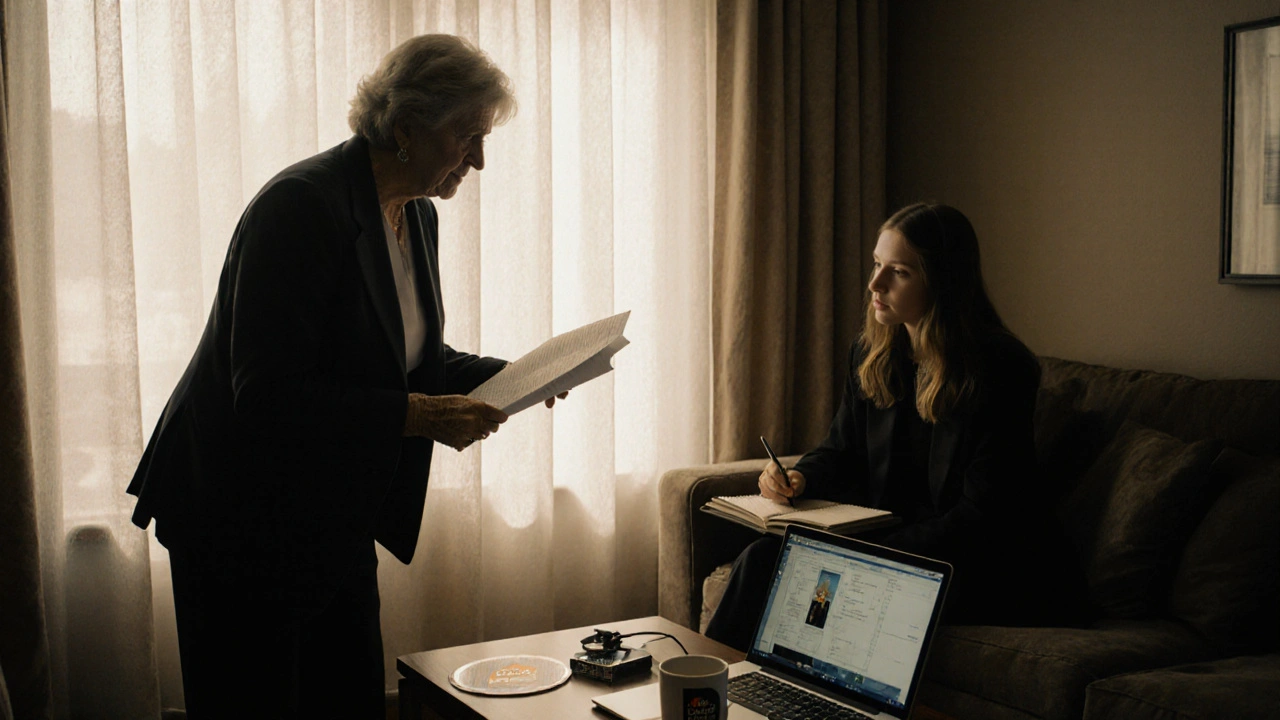
But change is happening. women directors, filmmakers who have historically been shut out of major studio projects are now breaking through—not by luck, but through structured support. Mentorship programs are giving them access to funding, networks, and real production opportunities. These aren’t feel-good initiatives. They’re changing the face of cinema, one film at a time.
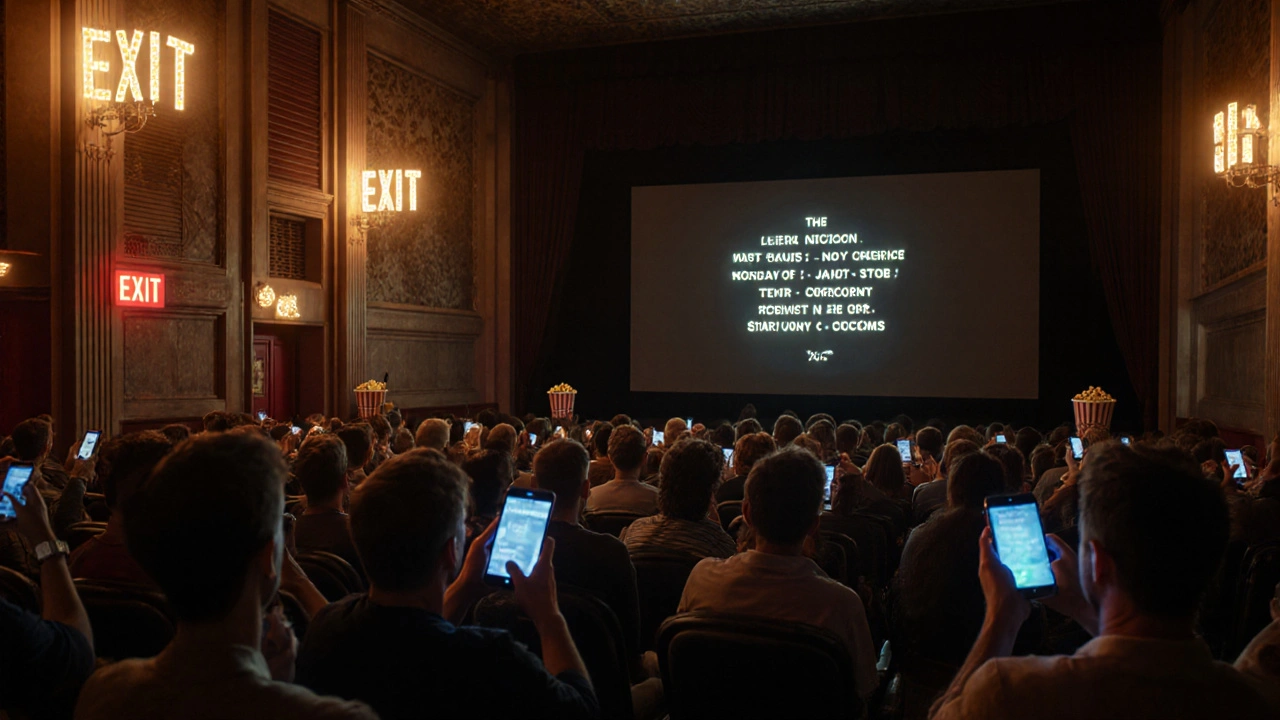
And then there’s the clock. How long do you wait before your favorite movie hits your screen at home? The theatrical window, the period between a movie’s theater release and its digital debut used to be three months. Now it’s often under 60 days. Studios care more about streaming revenue than box office prestige. That shift affects how films are made, marketed, and even who gets cast.
These aren’t separate stories. They’re connected. The same people who vote for Oscars also decide which directors get greenlit. The same studios that shrink the theatrical window are the ones funding mentorship programs—sometimes to look good, sometimes because they finally see the profit in diversity. And you? You’re not just watching. You’re part of the system. Your attention, your clicks, your conversations all push the needle.
Below, you’ll find real breakdowns of how this system works—no fluff, no hype. We cover who really controls the Oscars, how mentorship is rewriting the rules for women behind the camera, and why your favorite movie might be online before you even finish your popcorn. This isn’t gossip. It’s the inside track on what’s actually moving the needle in entertainment today.