Inclusive Cinema: Real Representation, Real Change in Film
When we talk about inclusive cinema, a movement in film that ensures people of all backgrounds—race, gender, ability, sexuality, and more—are seen, heard, and given creative control. Also known as equitable storytelling, it’s not just a buzzword—it’s a shift in who gets to make movies and who gets to watch them. For years, Hollywood told the same stories with the same faces. But audiences are done with that. They want films that reflect the world they live in, not the one that used to be.
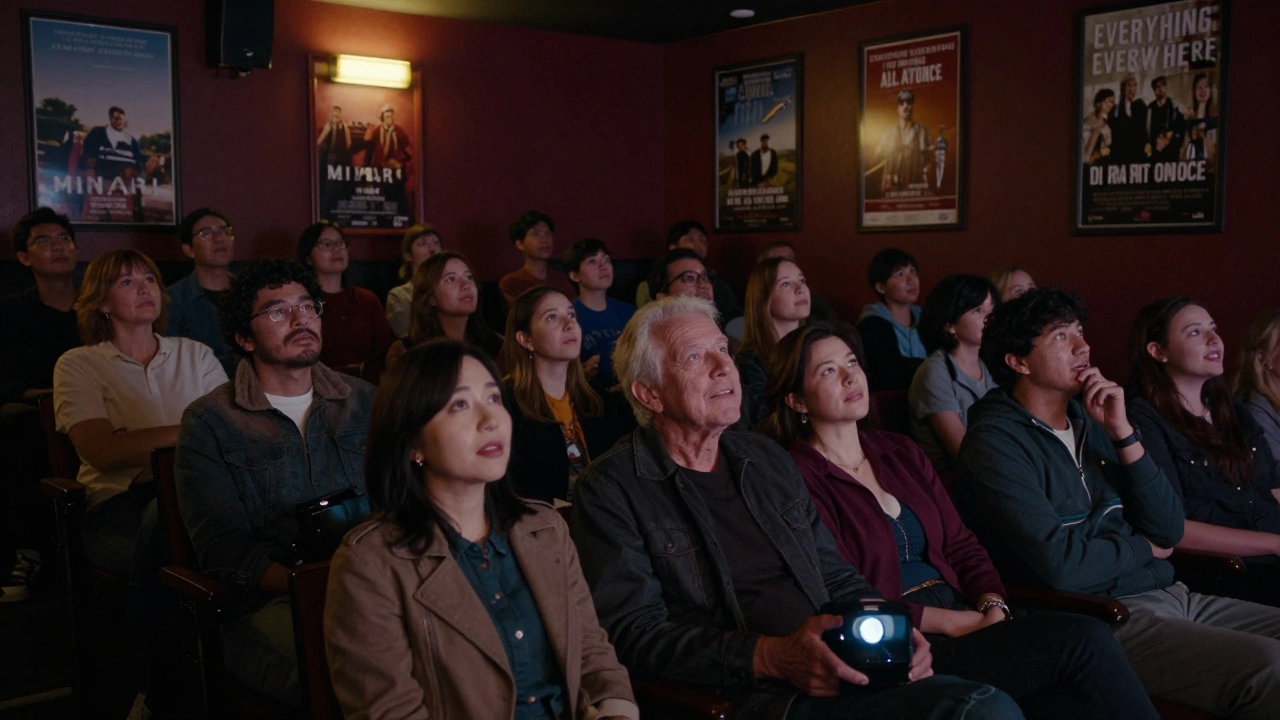
Diversity in film casting, the practice of selecting actors from underrepresented groups for leading and supporting roles is one piece of the puzzle. But it’s not enough. You can cast a disabled actor in a wheelchair and still tell a story that reduces their life to inspiration porn. True inclusive storytelling, narratives written and directed by people who live the experiences they portray changes the whole game. It’s why documentaries like Disclosure and films like Minari hit harder—they come from inside the community, not outside looking in. And it’s why global casting, the trend of selecting talent based on authenticity, not geography is exploding. A Nigerian actor playing a London-based character? A Korean director helming a French-language film? That’s not exoticism—it’s realism.
Behind the scenes, inclusive cinema means hiring women cinematographers, trans screenwriters, and deaf production designers. It means paying intimacy coordinators to protect actors during vulnerable scenes. It means giving indie filmmakers from rural towns the same access to funding as those in LA. The posts below show you exactly how this is playing out: from the casting rooms where actors are finally being seen for who they are, to the festivals where films by marginalized creators are breaking through, to the CAM agreements that ensure these filmmakers actually get paid. This isn’t about checking boxes. It’s about building a film industry that works for everyone—not just the few who’ve always had the mic.