Film Scoring: How Music Shapes Emotion in Movies
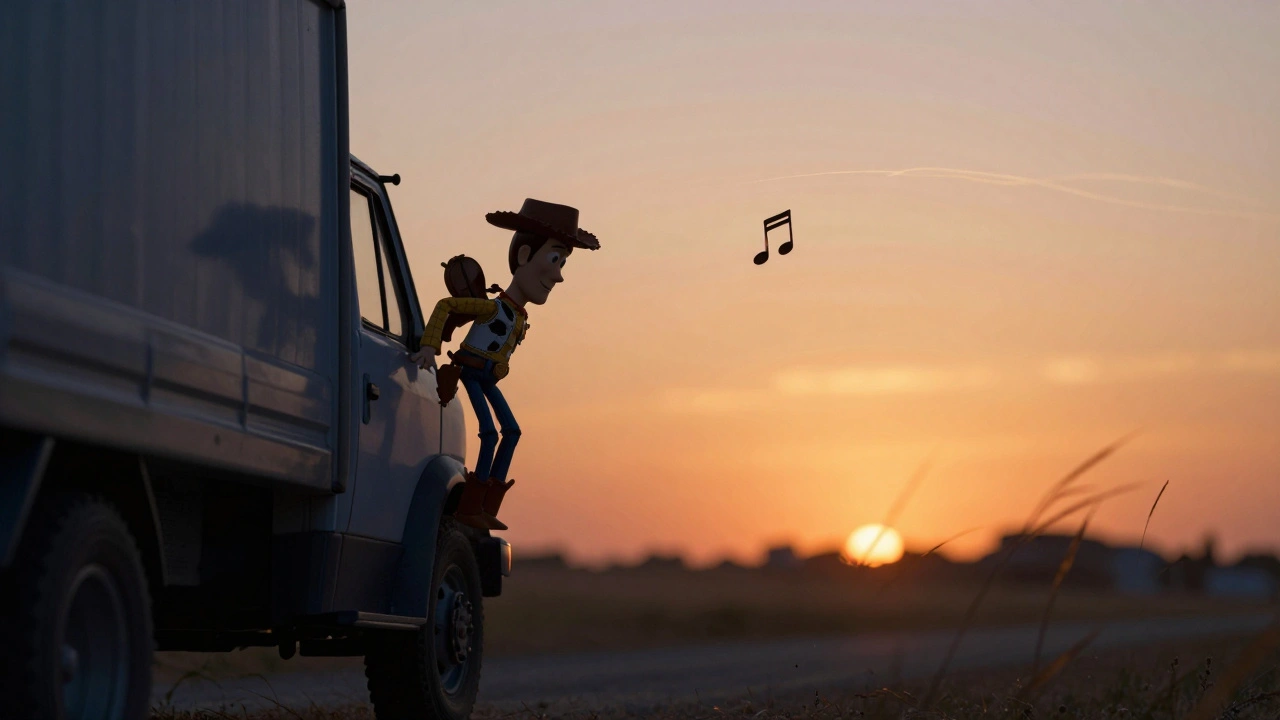
When you think of a movie moment that stuck with you, chances are the film scoring, the art of composing original music to match the visuals and emotional arc of a film. Also known as cinematic music, it’s not just background noise—it’s the invisible character that tells you when to feel afraid, hopeful, or heartbroken. A great score doesn’t just play over the scene; it becomes part of the story. Think of the slow, swelling strings in Jaws before the shark appears, or the quiet piano in The Lion King that turns grief into something sacred. These aren’t accidents. They’re crafted decisions made by composers who live inside the film’s world before anyone else does.
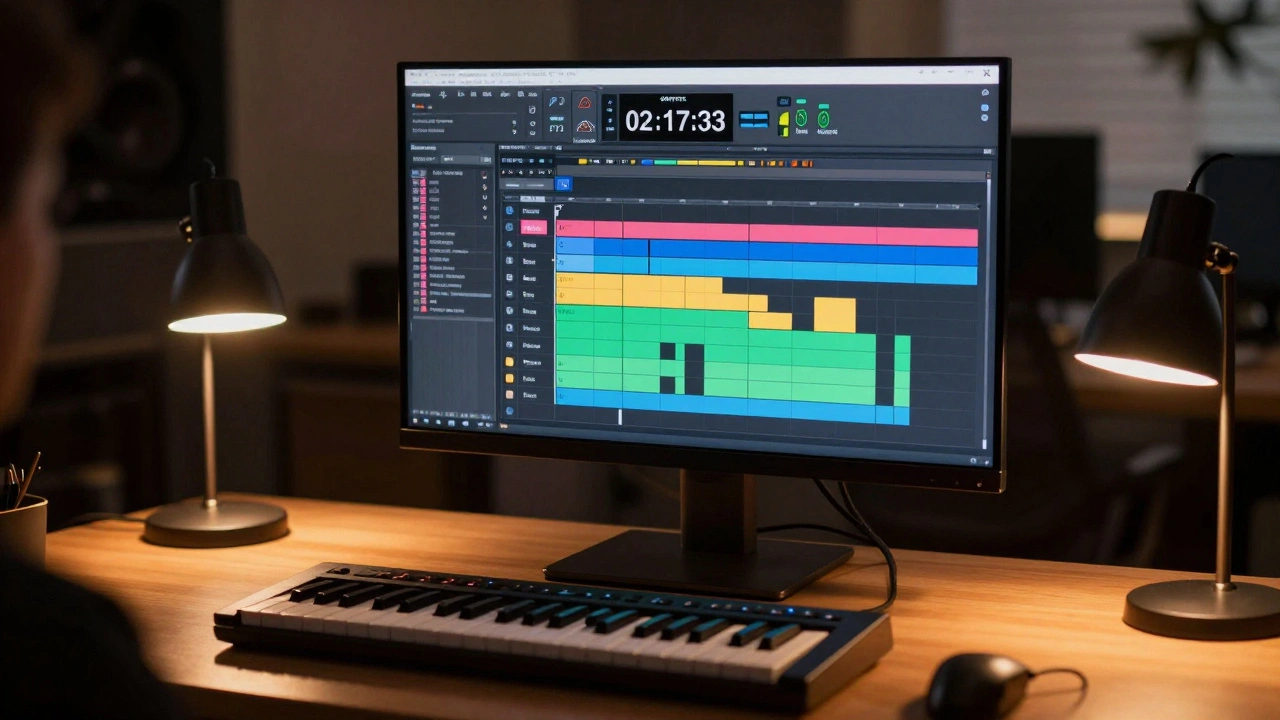
Film scoring relies on a few key tools: theme development, repeating musical motifs tied to characters, places, or emotions, like John Williams’ iconic two-note shark theme or Howard Shore’s haunting Ring motif in The Lord of the Rings. Then there’s orchestration, how instruments are chosen and layered to create specific moods—a solo cello for loneliness, a booming brass section for triumph, or eerie synths for sci-fi unease. And it’s not just about big orchestras anymore. Modern scores often blend electronic pulses, ambient noise, and even silence to build tension. Think of Hildur Guðnadóttir’s Oscar-winning score for Joker, where a single cello became the voice of a broken man.
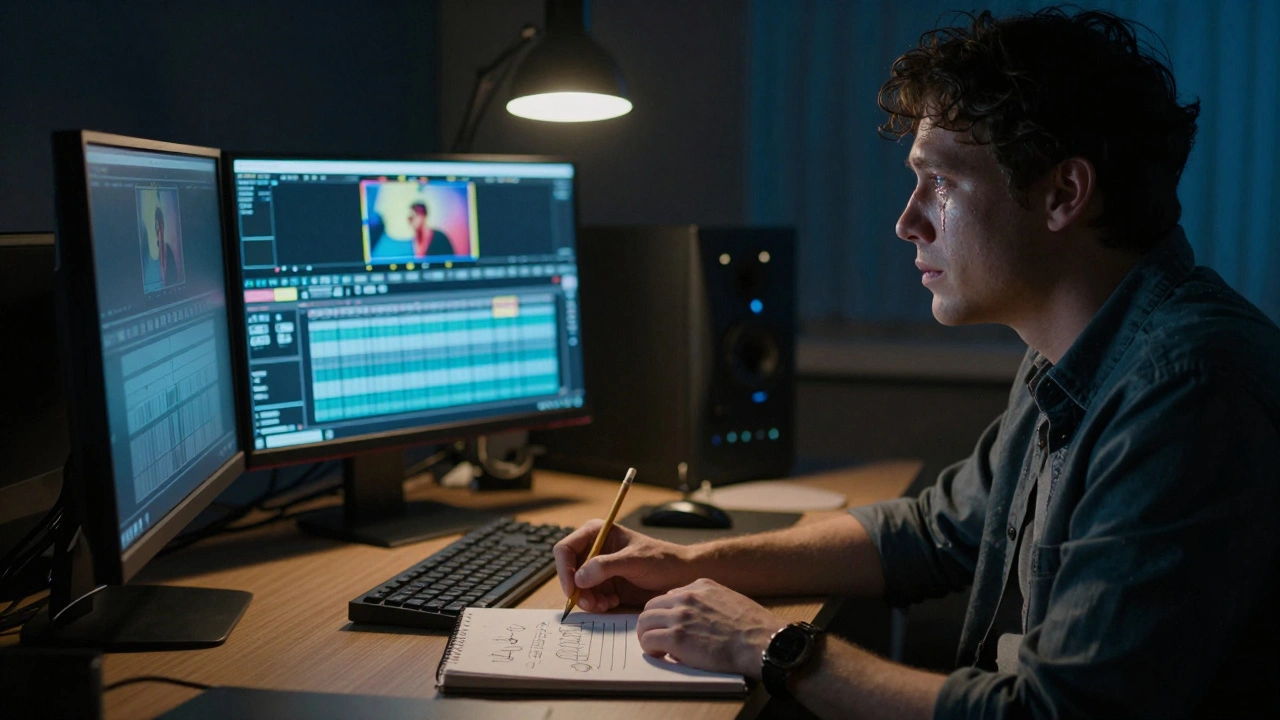
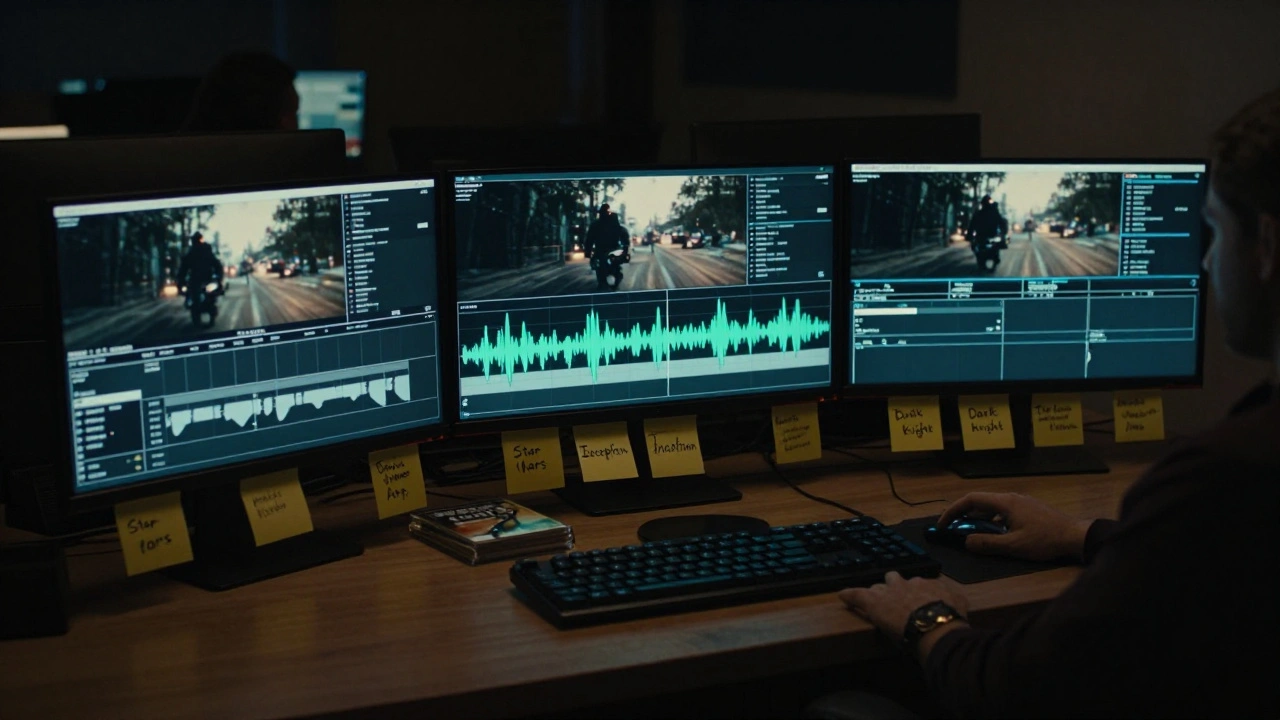
Behind every great score is a tight collaboration between composer, director, and editor. The music isn’t written in a vacuum—it’s shaped by cuts, pacing, and even the actor’s breathing in a scene. That’s why some scores take months to lock in, while others are rewritten after the first test screening. The best film scores don’t demand attention—they make you forget you’re hearing music at all. And that’s the goal: to make emotion feel inevitable, not added.
What you’ll find below are real stories from the trenches: how composers work under impossible deadlines, why some films ditch orchestras for field recordings, and how a single note can change how audiences remember a movie. These aren’t theory lessons—they’re behind-the-scenes looks at the craft that turns pictures into feelings.