Film Lighting: How Light Shapes Mood, Story, and Emotion in Cinema
When you think about film lighting, the deliberate use of light and shadow to create visual tone and emotional impact in motion pictures. Also known as cinematographic lighting, it’s the invisible hand that guides your eyes, pulls you into a scene, and makes you feel something before a single line of dialogue is spoken. It’s not just turning on a lamp. It’s deciding whether a character’s face should be half-hidden in darkness or bathed in cold blue, whether a room feels warm and safe or like a trap closing in. Every shadow has a purpose. Every highlight tells a story.
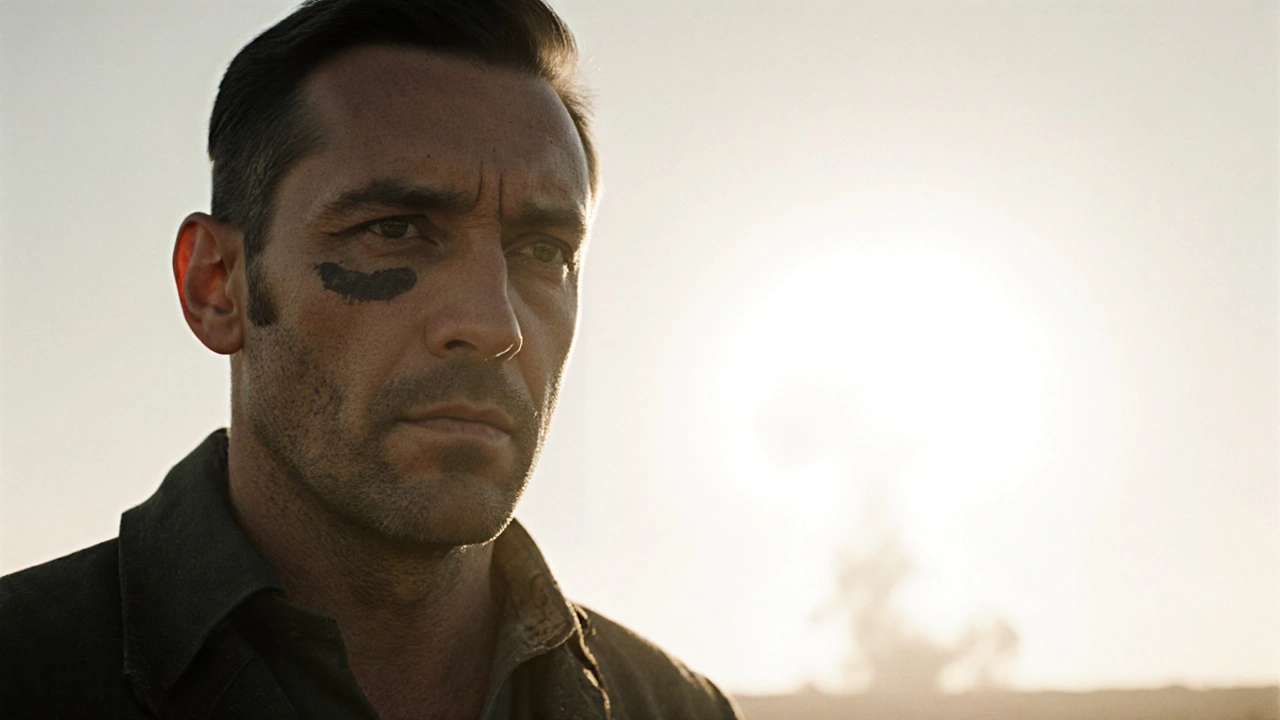
Cinematography, the art and technique of motion-picture photography lives and dies by lighting. A director might choose a tight close-up, but it’s the lighting that turns that face into a landscape of fear, longing, or quiet triumph. Lighting techniques, specific methods used to control light intensity, direction, and color on set—like three-point lighting, chiaroscuro, or motivated lighting—are tools, not rules. They’re chosen based on what the scene needs to say. A noir thriller uses deep blacks and stark contrasts to mirror moral ambiguity. A romantic comedy bathes its leads in soft, golden light to make love feel effortless. Even streaming originals with massive budgets rely on these same principles—just with better gear and more control.
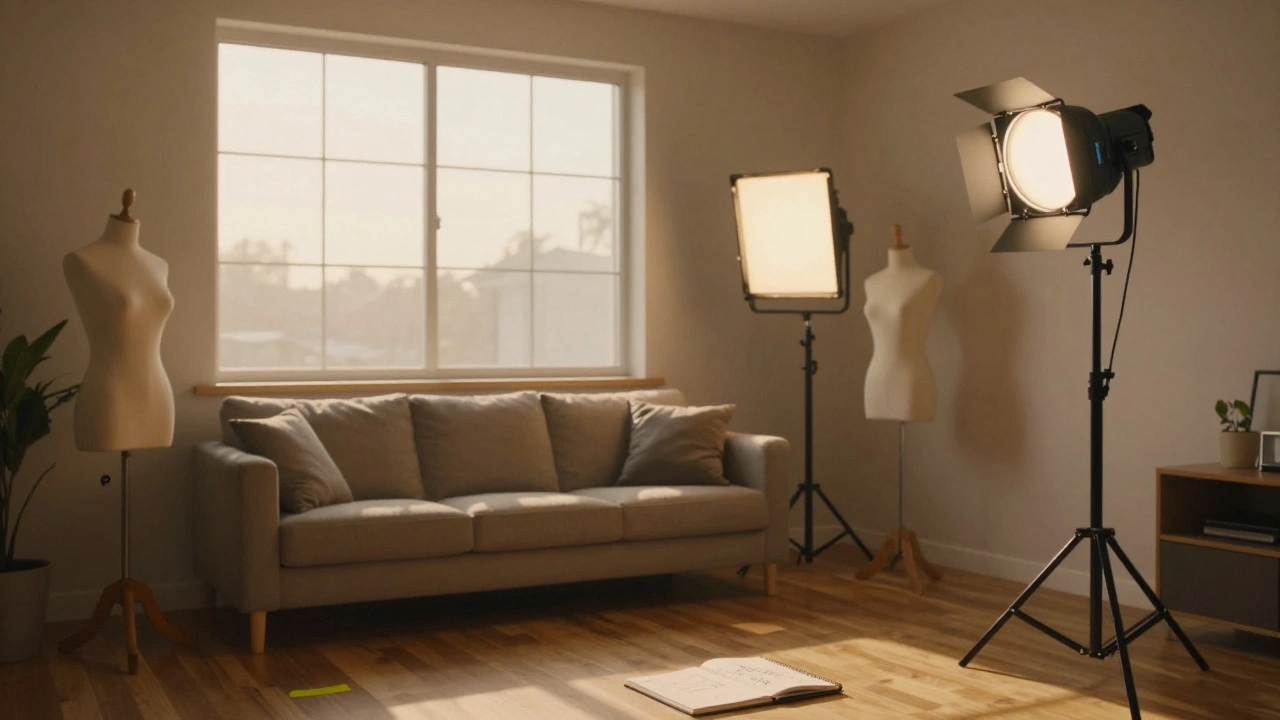
Lighting doesn’t just serve the story—it *is* the story. In low-budget films, a single window and a lamp can do more than a million-dollar rig if used with intention. In big productions, lighting teams spend days setting up angles that last seconds on screen. It’s the reason a quiet kitchen scene in a drama can feel heavier than a car chase. It’s why you remember the look on a character’s face in the dark, not the name of the actor. And it’s why even the most advanced visual storytelling, the use of images, movement, and composition to convey narrative without relying on dialogue still starts with a single beam of light.
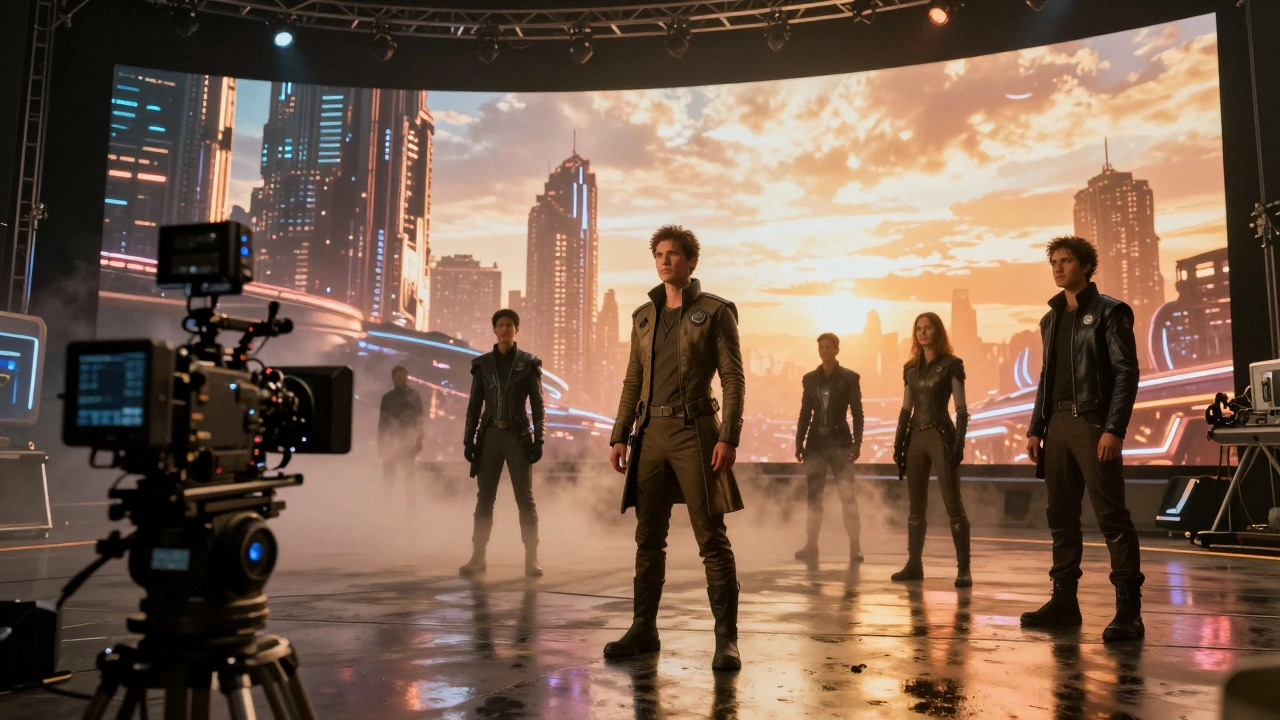
What you’ll find in this collection isn’t a textbook on gear or a list of lighting setups. It’s real-world insight from filmmakers who’ve had to make magic with nothing, who’ve fought for the right angle under tight deadlines, and who know that the best lighting is the kind no one notices—until it’s gone. From how natural light shapes indie dramas to how LED walls in virtual production change the game, these posts show you how light doesn’t just illuminate scenes—it defines them.