AVOD vs SVOD Economics: How Streamers Make Money from Films
AVOD and SVOD use completely different ways to make money from films. One relies on ads, the other on subscriptions. Here’s how each model works-and which one is winning right now.
When you think of SVOD, Subscription Video on Demand, a model where users pay a monthly fee for unlimited access to a library of films and shows. Also known as subscription streaming, it has replaced the old DVD rental model and is now the main way most people watch movies at home. It’s not just about convenience—it’s about control. Studios and indie producers now design films with SVOD platforms in mind before a single shot is filmed. The rules have changed: theatrical runs are optional, marketing budgets are leaner, and discovery happens through algorithms, not billboards.
SVOD isn’t just a delivery method—it’s a new ecosystem. Streaming platforms, companies like Netflix, Apple TV+, and Hulu that commission, acquire, and distribute films directly to subscribers. Also known as streaming services, they now spend billions each year on original content, often outbidding traditional studios for high-quality indie films. These platforms don’t just buy movies—they shape them. They look for stories with built-in audiences, strong emotional hooks, and clear niche appeal. That’s why you see so many documentaries, character-driven dramas, and genre films that might’ve struggled to find a theater but thrive on a streaming feed.
The shift has changed how filmmakers think about distribution. Film distribution, the process of getting a movie from production to viewers, now often means pitching directly to streaming buyers instead of waiting for festival buzz or theatrical deals. Also known as content licensing, it’s become a faster, more direct path—but also more competitive. You can’t just send a link and hope. Buyers want clear data: Who’s your audience? How will you drive views? Can you prove there’s demand? That’s why posts on pitching to streamers, valuing film libraries, and marketing indie films on SVOD are so popular here—they’re not theory. They’re survival guides.
And it’s not just about getting your film onto a platform. It’s about being seen. With thousands of new titles added every month, discoverability is the real challenge. That’s where micro-targeted ads, niche platforms, and audience-building before release matter more than ever. The films that succeed on SVOD aren’t always the ones with the biggest budgets—they’re the ones that understand how the system works. Whether it’s a low-budget documentary that finds its tribe on Apple TV+ or an animated short that goes viral through curated festival listings, the path to success is smarter, not louder.
What you’ll find below isn’t a random collection. These are the real-world tactics, insider insights, and hard lessons from filmmakers and producers who’ve navigated this new landscape. From how to value a film catalog to how haptics and virtual production are changing what audiences expect, every article here ties back to one truth: SVOD isn’t just the future of cinema. It’s the present—and you need to know how to play.
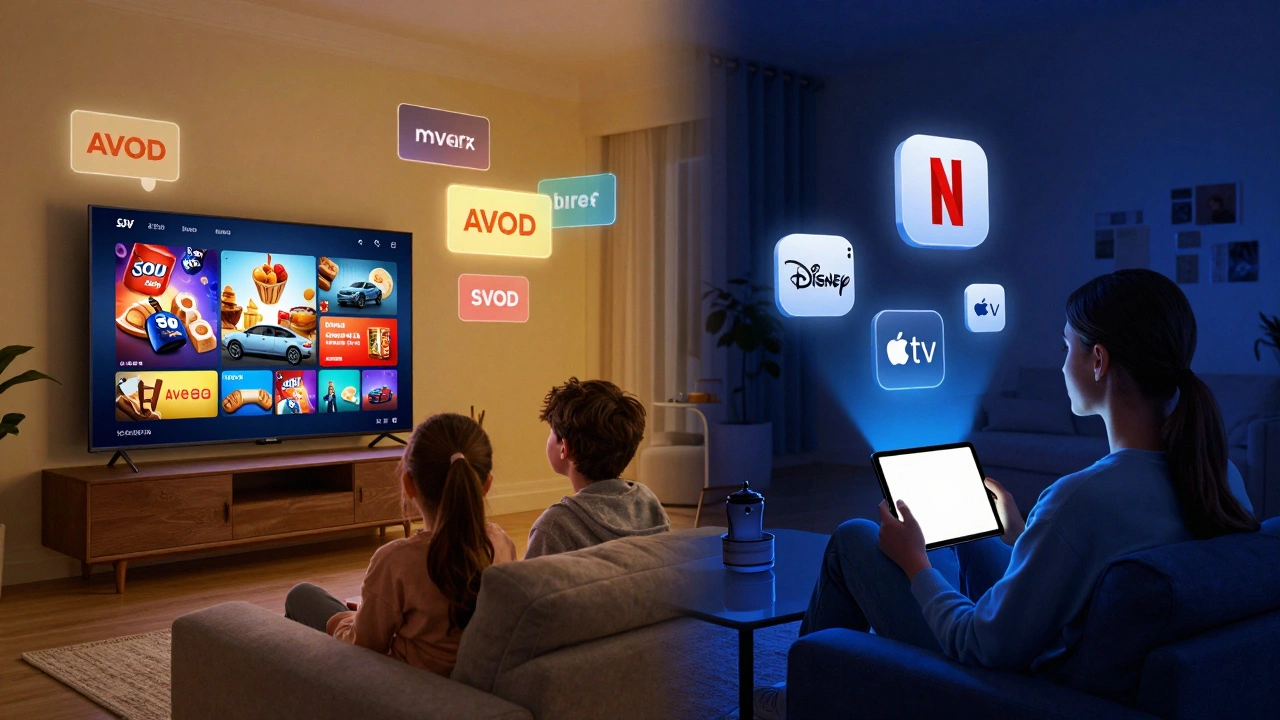
AVOD and SVOD use completely different ways to make money from films. One relies on ads, the other on subscriptions. Here’s how each model works-and which one is winning right now.

The movie industry has shifted from theatrical releases to PVOD and SVOD as primary revenue sources. Learn how timing, pricing, and streaming deals now determine a film’s profitability.
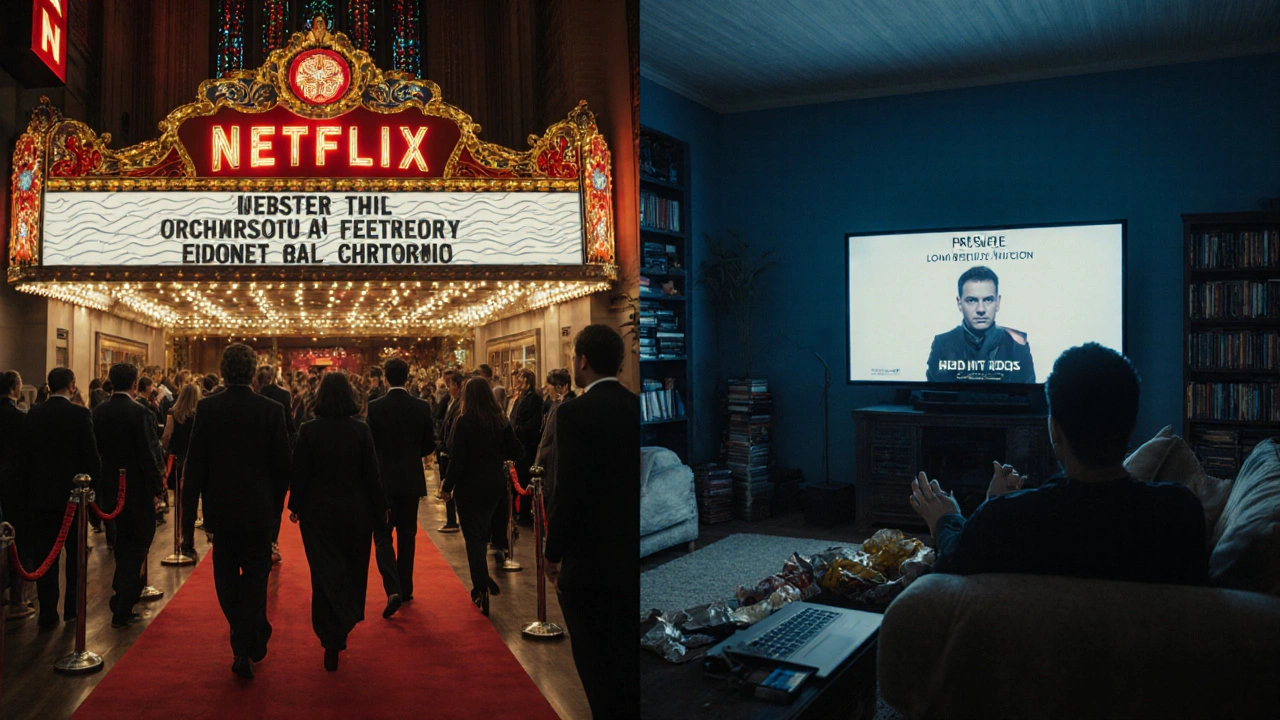
SVOD and AVOD are reshaping how films are released and marketed. SVOD offers ad-free exclusivity for big-budget films, while AVOD uses ads to monetize lower-budget titles. The split affects filmmakers, studios, and viewers differently.
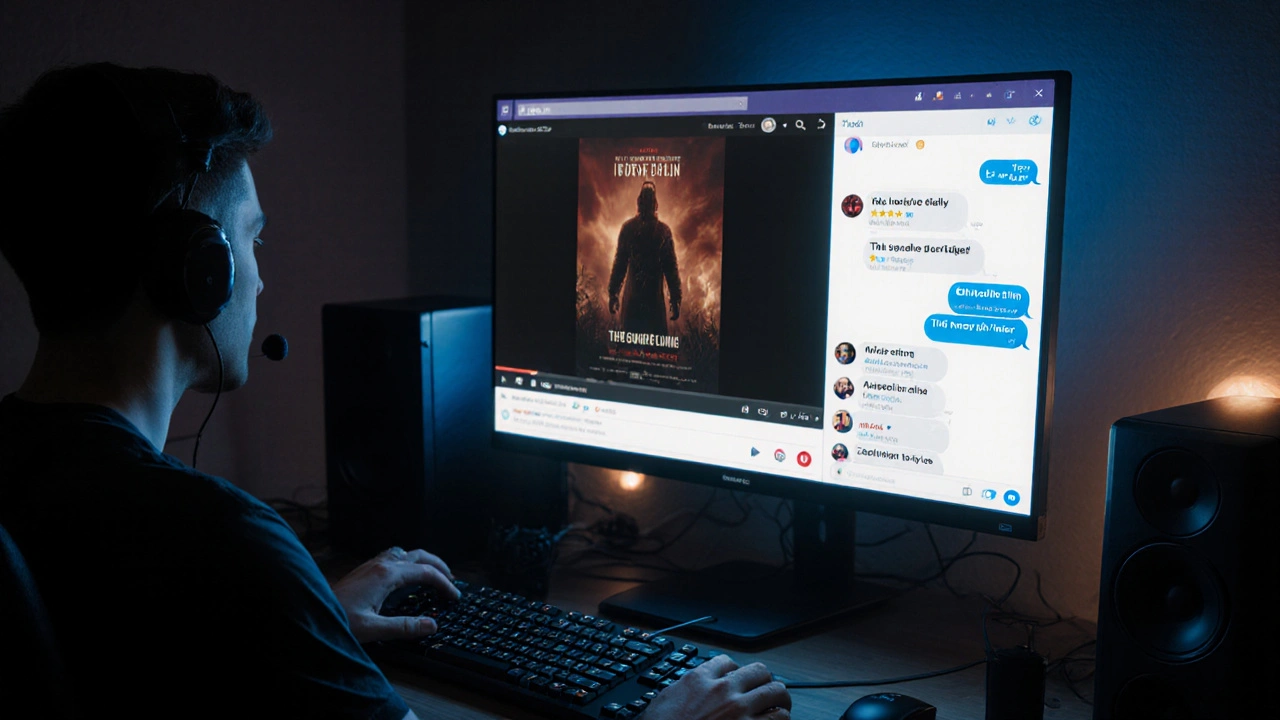
Learn how indie filmmakers can use cross-promotion with streamers to build real buzz before their film hits SVOD-without a big budget or traditional ads.