DIY Release Timeline: Step-by-Step Independent Film Distribution
A step-by-step timeline for independently distributing your film without a studio. Learn how to plan festivals, build buzz, release online, and keep momentum-all on your own terms.
When you think of a movie hitting theaters, you probably imagine big trailers, billboards, and studio campaigns. But what about the quiet, powerful films made outside that system? That’s where independent film distribution, the process of getting non-studio films into theaters, on streaming services, or into homes without major studio backing. Also known as indie film distribution, it’s the lifeline for films that don’t have millions for marketing but still have something urgent to say. Unlike mainstream releases, indie films rely on grit, timing, and smart connections—not just budgets.
Getting an indie film seen isn’t about luck. It’s about knowing where to go and who to talk to. film festivals, curated events where filmmakers showcase work to buyers, critics, and audiences. Also known as film markets, they’re not just parties—they’re deal-making floors where sales agents close distribution rights for films that might never play in a multiplex. Festivals like Sundance, Tribeca, and even smaller regional ones act as launchpads. But festivals alone aren’t enough. Once a film gets noticed, it needs a plan: does it go to VOD? Does it get picked up by a niche streamer like MUBI or Criterion Channel? Or does it tour through community theaters and libraries, building word-of-mouth one screening at a time?
streaming platforms, digital services that host films for on-demand viewing, from giants like Netflix to specialized indie-focused services. Also known as SVOD platforms, they’ve changed everything. Ten years ago, an indie film might have had one shot at a theater run. Now, it can live online for years—if it can cut through the noise. That’s why smart filmmakers start building an audience before the film even finishes editing. They use social media, targeted ads, and cross-promotions with influencers or podcasts to create buzz. The goal? Make the platform want the film, not the other way around.
And then there’s the role of film distribution, the full pipeline that moves a finished film from production to viewer, including licensing, marketing, and physical or digital delivery. Also known as film release strategy, it’s not one-size-fits-all. A documentary about climate justice might thrive on YouTube with grassroots outreach. A low-budget horror film might find its people on Shudder. A character-driven drama might need a theatrical run in five cities to qualify for awards. Each path requires different tools, contacts, and timing. You can’t just upload to Amazon and hope. You need a strategy.
What you’ll find below isn’t theory. These are real stories from filmmakers who made it work. You’ll read about how a documentary about immigration got picked up after a regional festival. How a micro-budget animated short landed on Apple TV+ by building an email list before release. How a producer rep turned a forgotten film into a catalog asset worth six figures. These aren’t fairy tales—they’re blueprints. Whether you’re a first-time director, a producer with one film under your belt, or just someone who loves films that fly under the radar, this collection gives you the practical steps, the mistakes to avoid, and the hidden doors that actually open in 2025.

A step-by-step timeline for independently distributing your film without a studio. Learn how to plan festivals, build buzz, release online, and keep momentum-all on your own terms.
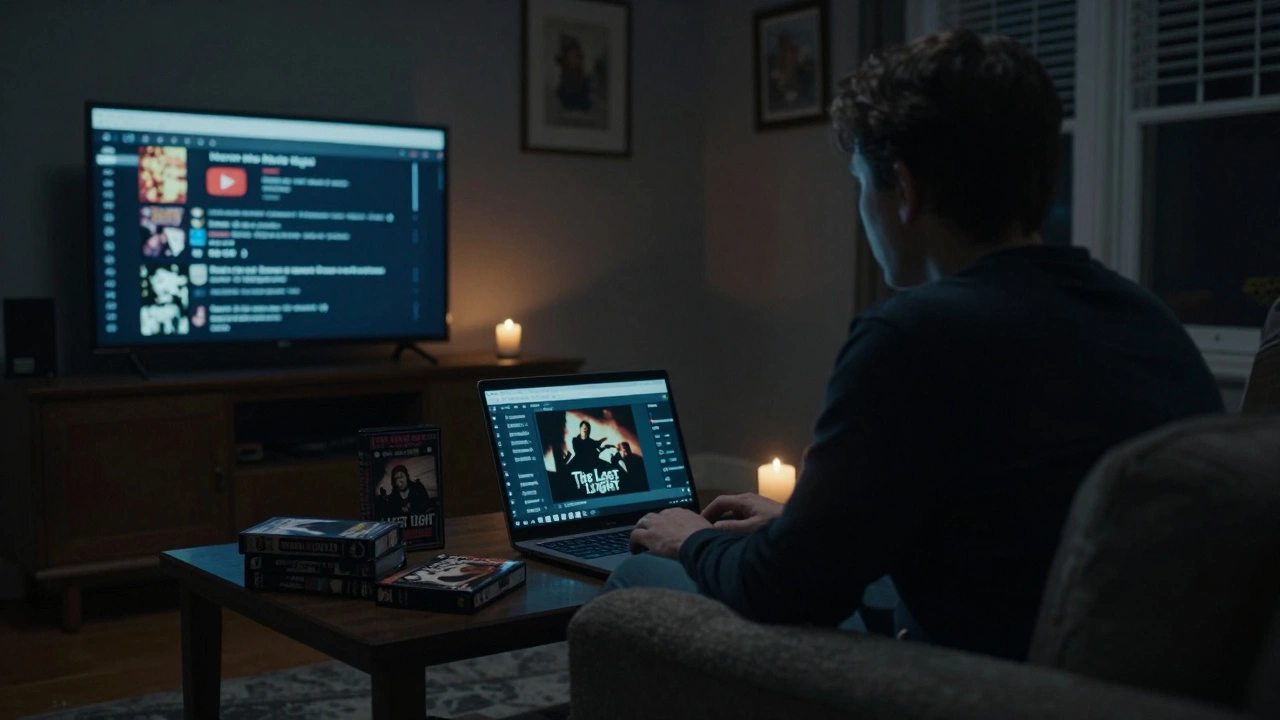
Real case studies of how independent films released in 2024-2025 found audiences without studios, using direct sales, local events, and community-driven marketing to turn passion into profit.
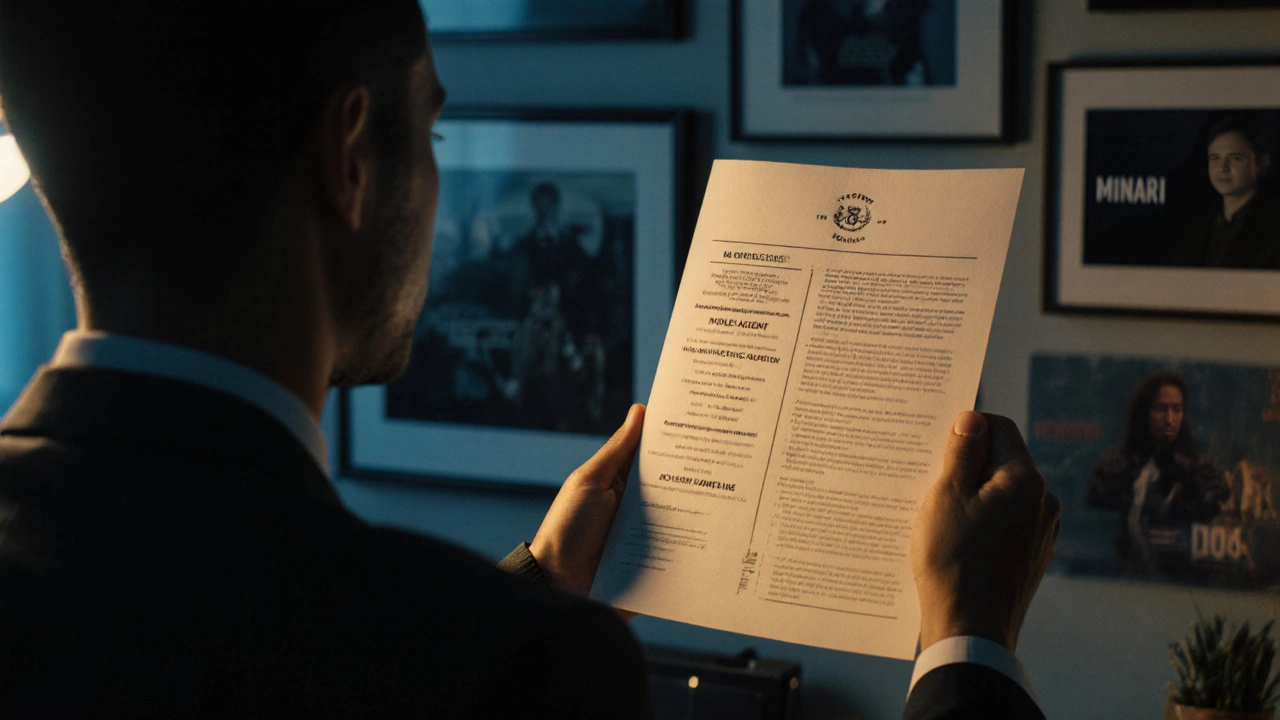
Learn how to pitch independent films to streaming platforms like Netflix, Hulu, and Apple TV+. Discover what buyers really want, how to structure your pitch, and how to avoid common mistakes that kill distribution deals.