Buyer’s Guides: What Distributors Look for at Each Major Film Market
Distributors have different priorities at each film market. Learn what buyers look for at AFM, Cannes, TIFF, Berlinale, and beyond-and how to prepare your film for a sale.
When you think of film markets, you might picture red carpets and celebrity interviews—but the real action happens in hotel conference rooms, behind closed doors, and on digital platforms where deals get made. film markets, the global hubs where movies are bought, sold, and licensed for distribution. Also known as film financing events, these are where independent films go from finished projects to something audiences can actually watch. Unlike film festivals, which celebrate art and storytelling, film markets are transactional. They’re where distributors from Netflix, Amazon, and smaller specialty labels scout for content that fits their audience. Think of them as trade shows for movies—except instead of gadgets or clothes, the products are stories with emotional weight, cultural relevance, and box office potential.
These markets don’t just happen in one place. Cannes Film Market, the largest and most influential film market in the world, held alongside the Cannes Film Festival. It’s where international buyers gather to preview films before they premiere. But there’s also American Film Market, a no-frills, high-volume marketplace in Los Angeles focused on deals, not glamour. Then there are regional ones—Tokyo, Berlin, Toronto—that connect local filmmakers with global buyers. These aren’t just events—they’re ecosystems. A film might premiere at Sundance, get picked up at AFM, then stream globally after a deal at Cannes. It’s a chain, and every step matters.
What gets sold? Not just big-budget action flicks. The real opportunity for indie filmmakers lies in niche genres: documentaries with urgent social themes, slow-burn thrillers that build tension quietly, or animated shorts with unique visual styles. Streaming platforms now rely on these films to fill out their libraries and attract loyal subscribers. That’s why slate financing, a strategy where producers bundle multiple films together to attract investors. is growing. One film might not pay for itself, but five? That’s a portfolio. And buyers are looking for that kind of consistency—not just one hit, but a pipeline.
It’s not enough to finish a film anymore. You need to know where it fits. Is it a festival darling that can build buzz before hitting streaming? Or a direct-to-platform title that needs smart marketing from day one? The best filmmakers don’t just make movies—they plan their release like a business. They study which markets align with their genre, who the buyers are, and how to pitch their film’s value—not just its story.
What you’ll find in the posts below isn’t theory. It’s real-world guidance from people who’ve been in those rooms. How to pitch to streamers. How to value a film library. How to get your documentary into festivals that lead to distribution deals. How to use cross-promotion to build awareness before your film even drops. These aren’t guesses. They’re tactics used by filmmakers who got their films seen—and paid for.
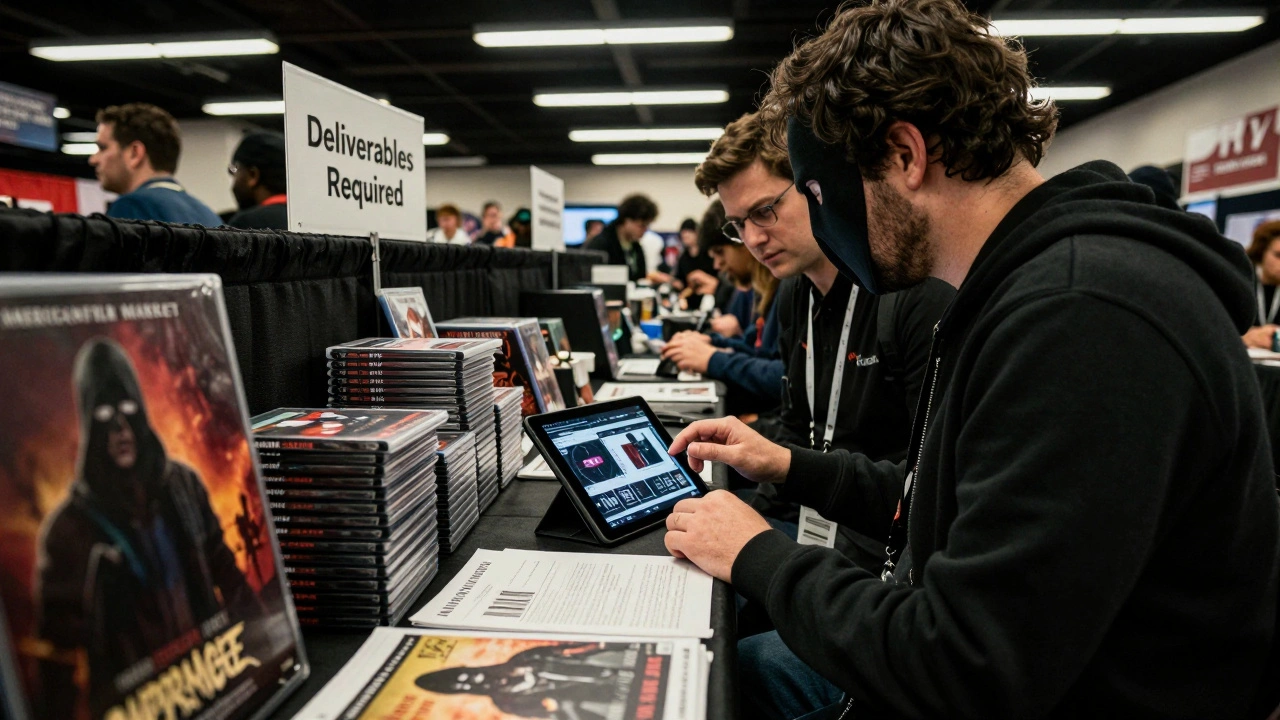
Distributors have different priorities at each film market. Learn what buyers look for at AFM, Cannes, TIFF, Berlinale, and beyond-and how to prepare your film for a sale.

EFM, AFM, and Marché du Film are the three biggest film markets where movies are bought and sold. Learn how each works, who attends, and which one is right for your film.

Learn how sales agents secure film distribution deals at international markets like Cannes and AFM. Discover what buyers look for, how to get meetings, and the real keys to closing deals at film festivals.

Learn how producer reps connect independent films with buyers at major film markets like Sundance and AFM. Discover what buyers want in 2025, how to choose the right rep, and what to do if your film doesn’t sell.