Film Directing: How Directors Shape Movies and Influence What We See
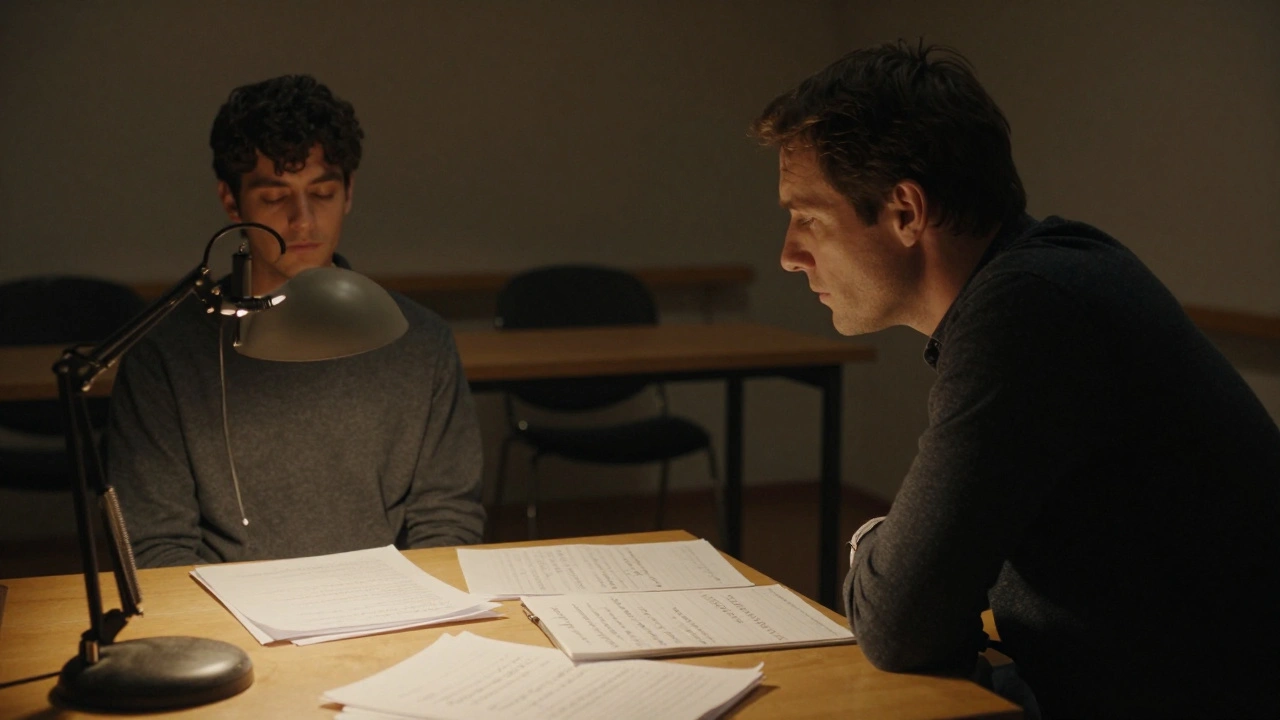
When you watch a movie and feel something — whether it’s tension, joy, or heartbreak — you’re feeling the work of the film directing, the process of guiding every creative element of a film to serve a unified vision. Also known as movie direction, it’s not just about giving actors lines. It’s about deciding where the camera goes, how long a silence lasts, and what emotion to pull from a single glance. A great director doesn’t just shoot scenes — they build worlds, control rhythm, and make choices that stick with you long after the credits roll.
Film directing connects directly to other key parts of filmmaking. For example, cinematic storytelling, the way a film communicates meaning through visuals, sound, and structure instead of dialogue is shaped entirely by the director’s choices. Think of how silence in films like Nomadland or Arrival carries more weight than dialogue — that’s directing. It also relies on film production, the entire process of making a movie, from pre-production to final delivery. A director works with producers, cinematographers, editors, and VFX teams to turn ideas into reality. Without strong direction, even the best script or most advanced LED volume can fall flat.
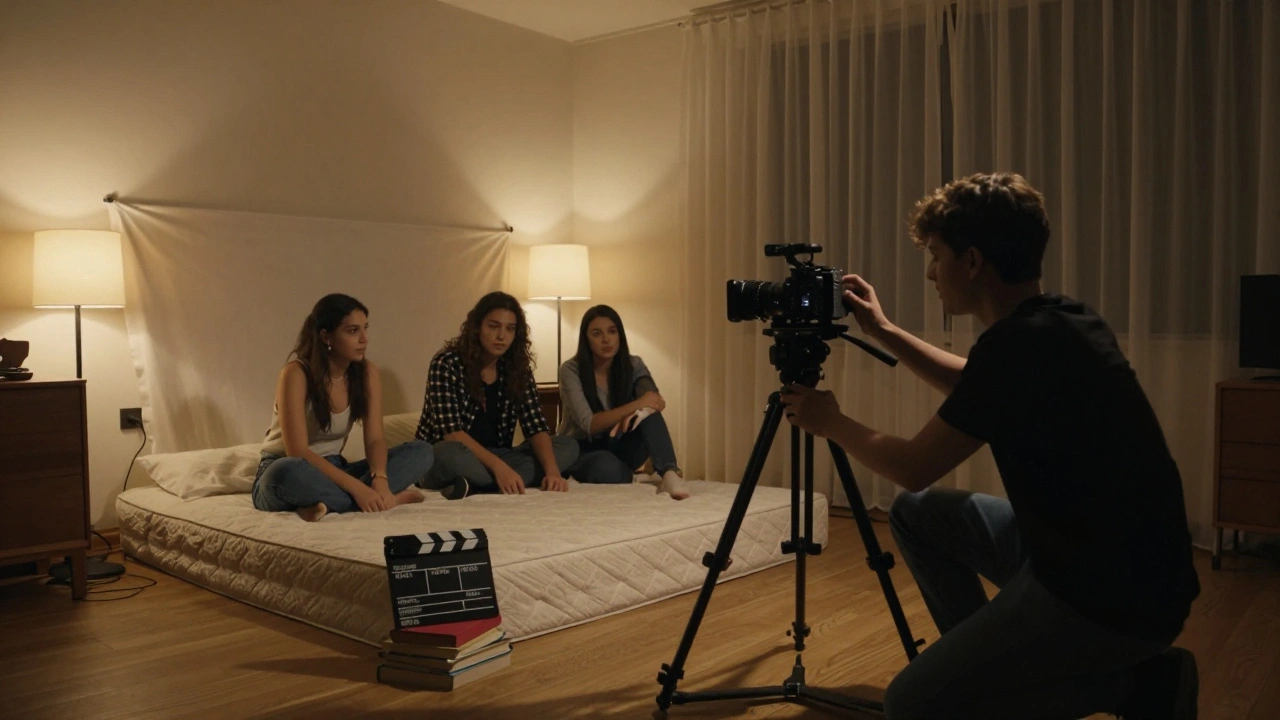
Today’s directors face new challenges. Streaming platforms demand faster turnarounds, but they also give more creative freedom. Some directors now make films meant for small screens, not theaters — and still win Oscars. Others use virtual production tools like LED volumes to shoot entire scenes in real time, changing how they plan shots. Meanwhile, indie directors are proving you don’t need a big budget to make something unforgettable — just a clear vision and the guts to follow it. The posts below show how directors navigate these shifts: how they work with motion capture to bring digital characters to life, how they use silence to build emotion, how they get films into festivals without studio backing, and how they fight for creative control in an industry that’s always changing.
What you’ll find here isn’t theory. It’s real examples — from how a director’s decision on a single take can make or break a film, to how streaming deals now shape who gets to direct and what stories get told. Whether you’re a filmmaker, a film student, or just someone who loves movies, this collection gives you the inside look at what actually happens behind the camera — and why it matters.