Camera Movement in Films: When to Use Static vs. Dynamic Framing
Learn when to use static or dynamic camera movement in films to enhance emotion, tension, and storytelling. Real examples from cinema show how framing choices shape viewer experience.
When you watch a film and feel pulled into the scene—whether it’s the slow glide toward a character’s face or the frantic shake during a chase—that’s camera movement, the deliberate motion of the camera to guide emotion, focus, and rhythm in a film. Also known as camera motion, it’s not just technical—it’s emotional architecture. A static shot can hold tension. A moving shot can destroy it—or build it up in ways words never could.
Cinematography, the art of capturing moving images through lighting, framing, and camera motion lives and dies by how the camera travels. Think of the opening of 1917—a single, unbroken take that follows soldiers through trenches. That’s not just a trick. It’s immersion. Or the way Goodfellas glides through the Copacabana with Henry, making the audience feel like they’re part of the crowd. That’s dolly shot, a smooth camera movement on wheels, often used to follow action or reveal space as storytelling, not decoration. Then there’s the tracking shot, a camera movement that follows a subject from the side or behind, often used to build momentum or reveal context, like in There Will Be Blood when the camera inches closer to Daniel Plainview’s face as he lies. These aren’t just techniques. They’re tools to control what the viewer feels—and when.
Camera movement doesn’t need big budgets. A handheld shot in a quiet indie film can scream louder than a crane shot in a blockbuster. It’s about intention. A shaky camera doesn’t mean "we didn’t have a steadicam." It means "this moment is raw." A slow push-in isn’t just showing detail—it’s forcing the audience to sit with a character’s pain. Every motion, whether it’s a whip pan, a crane rise, or a Steadicam walk through a hallway, answers one question: What should the viewer feel right now?
What you’ll find below isn’t a list of gear or technical specs. It’s a collection of real moments where camera movement made the difference between a good scene and a unforgettable one—from how virtual production now lets cameras move through digital worlds in real time, to how documentary filmmakers use movement to build trust with their subjects. These are the films and techniques that show camera movement isn’t just about how you shoot—it’s about how you make someone feel.
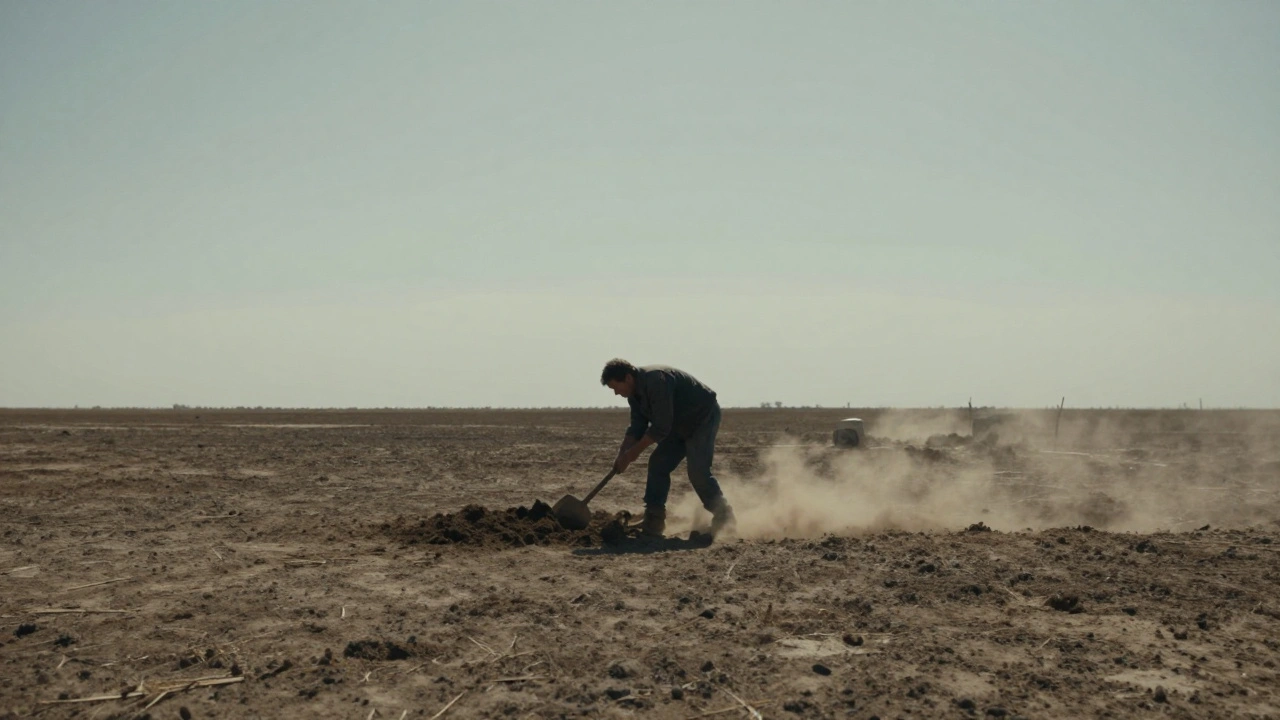
Learn when to use static or dynamic camera movement in films to enhance emotion, tension, and storytelling. Real examples from cinema show how framing choices shape viewer experience.
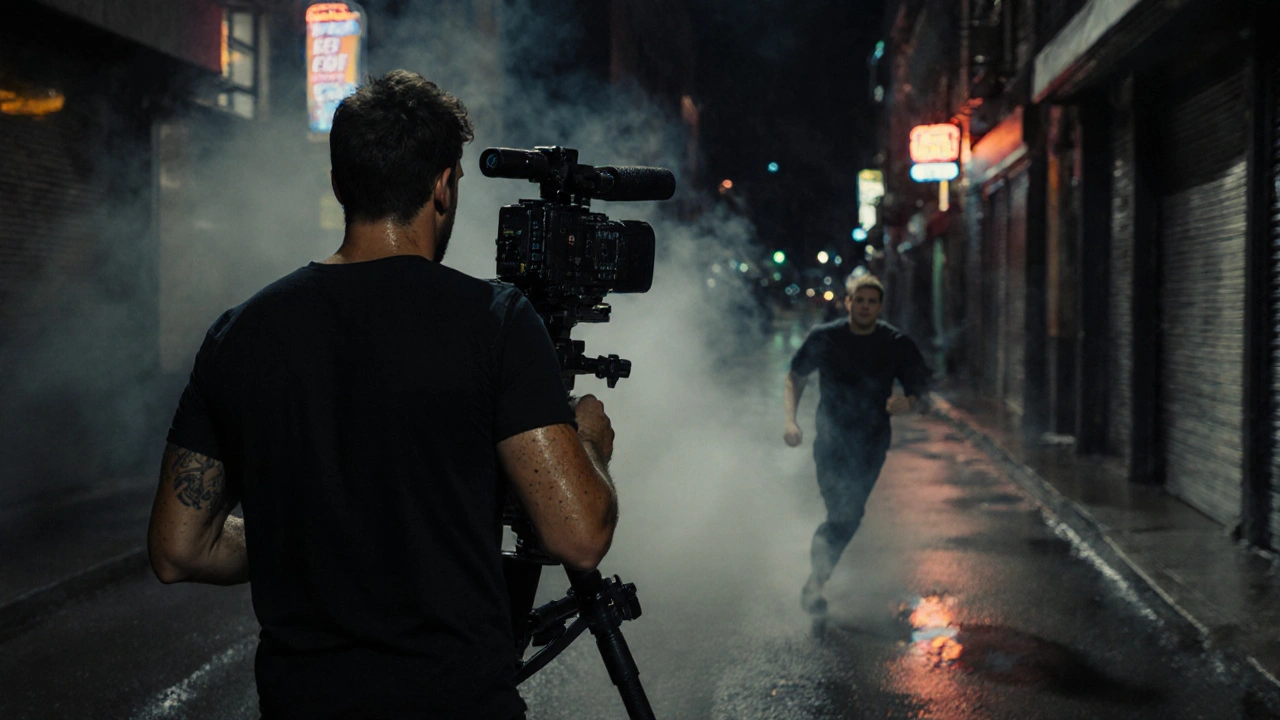
Cinematography in action sequences demands precise camera movement, lighting, and timing. Learn the real technical challenges filmmakers face and how they solve them on set - from Steadicams to weather-proofing gear.
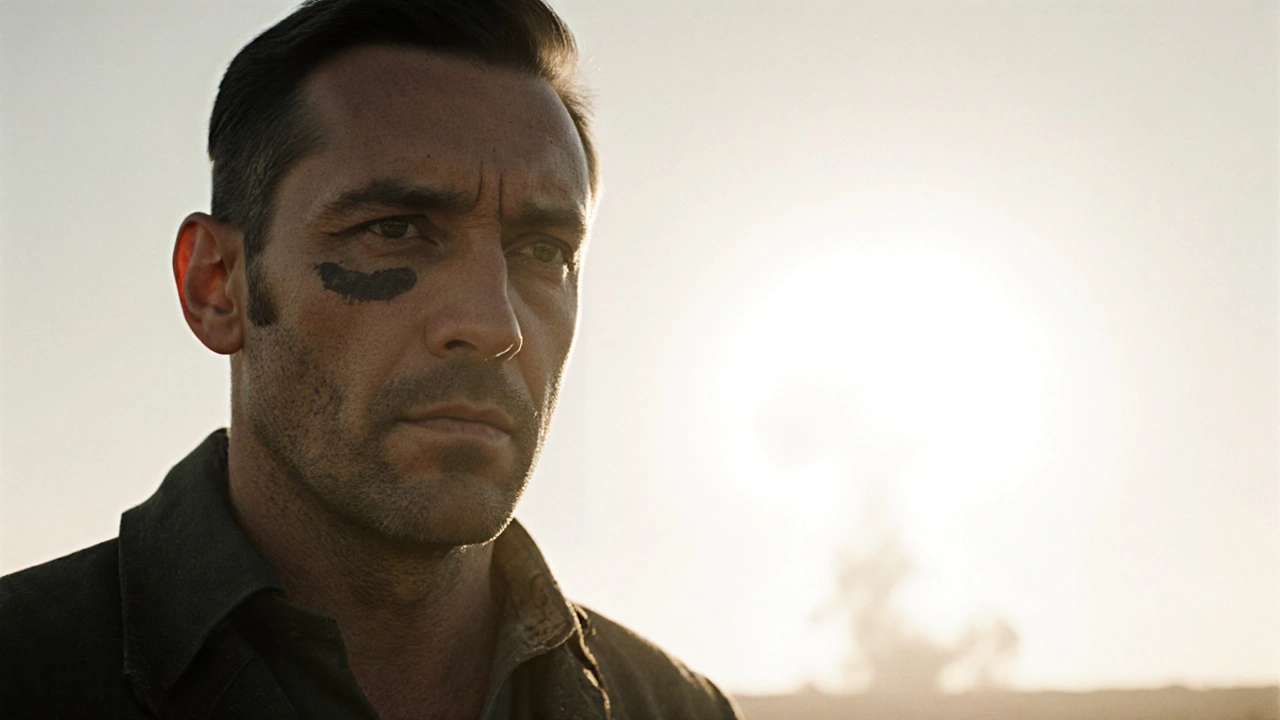
Discover how recent films use light, color, and camera movement to tell deeper stories. Explore the visual mastery behind Oscar-worthy cinematography and what makes it truly unforgettable.