Women in Cinema: Directors, Crews, and the Changing Face of Film
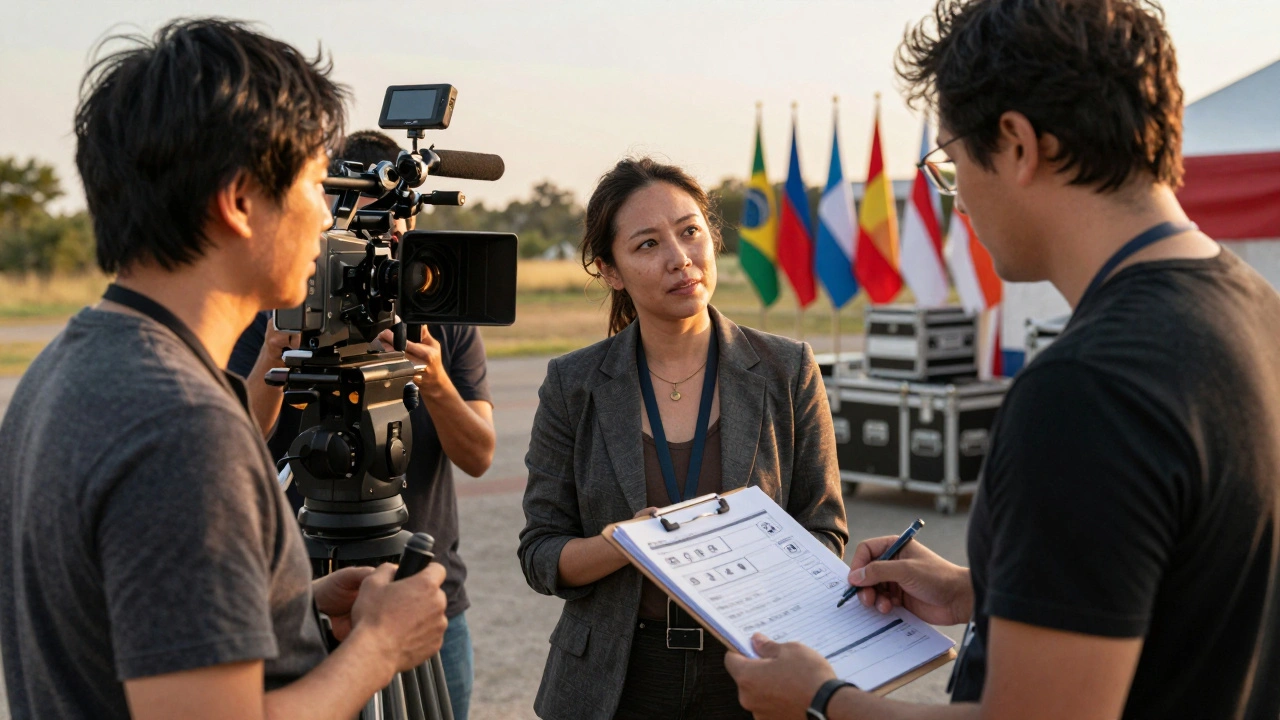
When we talk about women in cinema, the growing number of female creators shaping films from script to screen. Also known as female filmmakers, it’s no longer just about who’s on screen — it’s about who’s calling the shots behind it. For decades, the film industry was dominated by men in key roles: directors, producers, cinematographers, editors. But that’s changing. More women are stepping into those roles — not as exceptions, but as the new normal. And the stories they tell? They’re different. They’re sharper. They’re real.
Look at the data: in 2023, women directed just 18% of the top 100 films. That’s still too low. But it’s higher than it was five years ago. And the shift isn’t just in the director’s chair. Women are now leading camera departments as cinematographers, running editing suites, and producing films that win at Sundance and stream on Netflix. Take Rachel Morrison, who became the first woman ever nominated for an Oscar in cinematography for Mudbound. Or Alice Lowe, who wrote, directed, and starred in Prevenge while pregnant — a film that proved you don’t need a big budget to make something bold. These aren’t outliers. They’re part of a quiet revolution.
What’s driving this change? It’s not just activism — though that helped. It’s access. More film schools are graduating equal numbers of women. More grants are going to female-led projects. More streamers are greenlighting stories from underrepresented voices. And audiences? They’re showing up. Films like Everything Everywhere All At Once and The Power of the Dog didn’t just succeed because they were good — they succeeded because they were made by people who saw the world differently. The industry is catching on. You can’t ignore a movement when it’s making money and winning awards.
What you’ll find below isn’t a list of feel-good stories. It’s a real collection of practical insights from women working in film right now — how they pitch projects, how they get funding, how they navigate festivals, and how they fight for creative control. These aren’t interviews about barriers. These are guides on how to break through them. Whether you’re a filmmaker, a student, or just someone who loves movies, this is the behind-the-scenes truth about who’s making cinema today — and how they’re changing it for good.