Virtual Film Festivals: How Online Events Are Changing How Films Are Seen
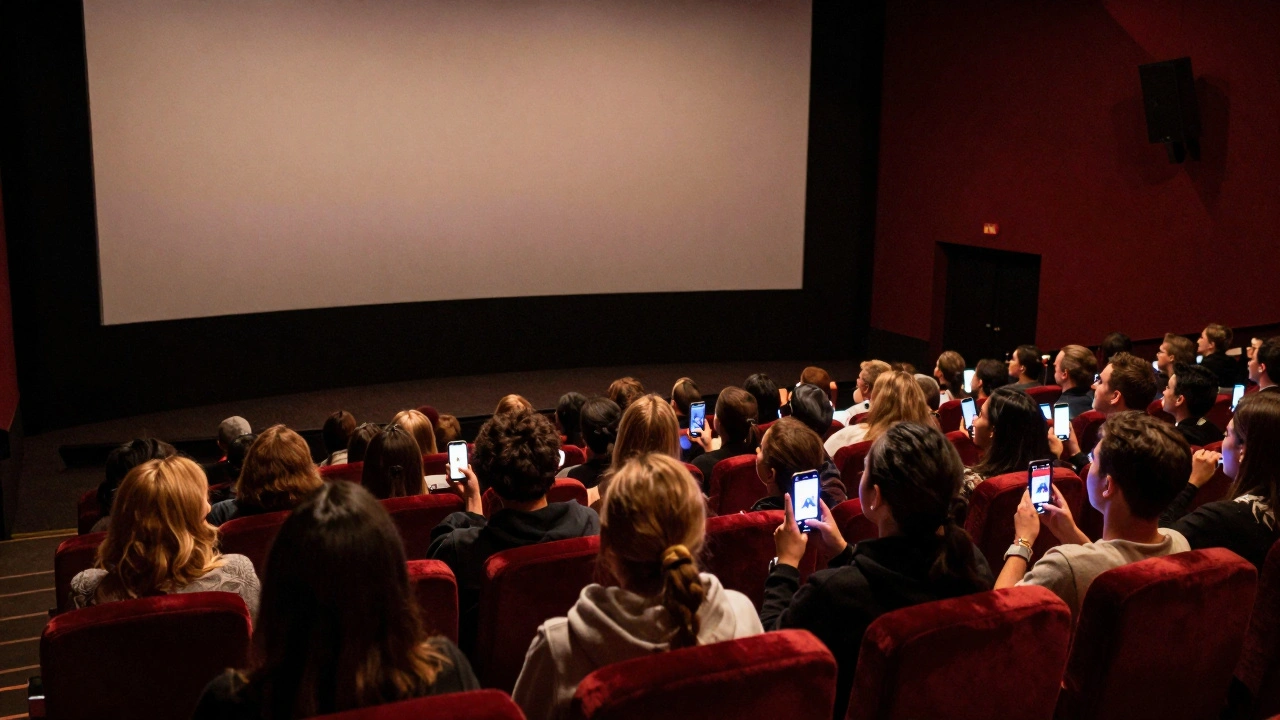
When you think of film festivals, you might picture red carpets in Cannes or crowded theaters in Sundance. But now, virtual film festivals, online events where films are screened, discussed, and sold without physical venues. Also known as digital film festivals, they let filmmakers from Lagos to Lima show their work to global audiences without a plane ticket. These aren’t just backups for canceled events—they’re becoming the main stage. In 2024, over 60% of indie films that got distribution deals came through online festivals, not traditional ones. Buyers, distributors, and even audiences are shifting their attention to screens, not seats.
What makes virtual film festivals, online events where films are screened, discussed, and sold without physical venues. Also known as digital film festivals, they let filmmakers from Lagos to Lima show their work to global audiences without a plane ticket. work isn’t just about streaming links. It’s about community. Platforms like FilmFreeway and Withoutabox now host live Q&As, virtual networking lounges, and even digital marketplaces where sales agents pitch films to streamers like Netflix and Apple TV+. These events don’t just show movies—they create deals. You’ll find posts here that explain how producers use film markets, events where distributors and buyers negotiate rights to films. Also known as film sales markets, they are key to getting independent films seen by global audiences. to turn a screening at a virtual festival into a streaming deal. And it’s not just about big names. A short film from a first-time director in Manila can get picked up by a niche platform in Norway, all because the festival was online.
The tech behind it matters too. Virtual festivals rely on secure screening platforms that track viewership, prevent leaks, and even collect audience data—something physical festivals can’t do. This data helps filmmakers understand who’s watching, where, and when. That’s why you’ll see posts here about how streaming platforms, services like Netflix, Hulu, and Amazon Prime that deliver films directly to viewers. Also known as SVOD services, they are the primary destination for films acquired at virtual festivals. are using festival analytics to decide what to buy. It’s not magic. It’s metrics. And it’s changing who gets funded, who gets seen, and who gets to tell stories.
What’s clear is that virtual film festivals aren’t a trend—they’re a new normal. They lower the cost of entry, widen access, and give filmmakers more control. Whether you’re a director with a tiny budget, a producer trying to sell a film, or just someone who loves discovering new cinema, these events open doors that were once locked behind geography and gatekeepers. Below, you’ll find real-world guides on how to get your film into these festivals, how to pitch to buyers after a screening, and how to turn a digital premiere into real momentum. No fluff. Just what works.